Free Artist Residencies in Germany
62 residencies
62 fully funded residencies in Germany cover both housing and a stipend. These programs remove financial barriers entirely.
Free in Germany is the filter — fit is the question. Ask in your own words — drawn from 2,300+ residencies and live open calls, grounded in real reviews.
ACC Galerie Weimar
Weimar, Germany
The International Studio Program of the ACC Galerie Weimar and the City of Weimar, established in 1994, selects three visual artists annually for a four-month residency in Weimar, Germany, providing a studio with attached apartment, a monthly stipend of 1,100 euros, and opportunities for exhibitions. The program promotes international cultural exchange, supports contemporary art in public spaces, and is aimed at non-student visual artists worldwide. Residents are expected to live in Weimar, give a talk, and may participate in group exhibitions the following year.
AiR zusa
Berlin, Germany
AiR zusa is a non-product-oriented residency program in Berlin designed to provide artists, cultural managers, curators, and arts and culture activists from Ukraine and other countries at risk with a safer space for rest, mental health support, and professional resilience-building. The program emphasizes process, self-reflection, and personal growth rather than artistic output, offering participants time to heal and reconnect with local and international cultural networks.
Akademie Schloss Solitude
Stuttgart, Germany
Akademie Schloss Solitude is an international and transdisciplinary artist-in-residence program in Stuttgart, Germany, awarding 50-60 residencies every two years to artists, researchers, and cultural professionals across all disciplines. It provides space for concentrated work, interdisciplinary exchange, and networking, with fellows receiving furnished live/work studios, a monthly stipend of €1,300, and travel support for 6- or 9-month stays.
American Academy in Berlin
Berlin, Germany
The American Academy in Berlin is a private, nonprofit institution offering semester-long residential fellowships to American scholars, artists, writers, composers, and journalists for advanced independent research and creative work in the arts, humanities, social sciences, and public policy. Fellows reside at the Hans Arnhold Center on Lake Wannsee and engage in transatlantic dialogue through public lectures, readings, performances, and discussions.
Artist in Residence Munich
Munich, Germany
NEBYULA and Rosa Stern Space e.V., in cooperation with the Department of Arts and Culture of the City of Munich, offer a visual arts residency at Villa Waldberta or Ebenböckhaus through the Artist in Residence Munich program. This residency supports artists across various disciplines, including painting, drawing, sculpture, photography, film, video, digital art, and performance, or a combination of media. Selected artists receive a monthly grant of €1,200 and a public transportation ticket. The residency fosters artistic development and cultural exchange, providing an inspiring environment for creative work. Applications are evaluated by a jury, and the selected candidates are expected to fulfill contractual requirements set by the City of Munich.

Artists Unlimited
Bielefeld, Germany
Artists Unlimited is an artist-run association and art house located in Bielefeld, Germany, that has been supporting international artists since 1985. The organization provides a three-month residency where artists and designers from around the world can live and work in a dedicated guest studio integrated within the Artists Unlimited house, a former paper factory. The residency includes a private studio and apartment, with essential amenities such as a kitchen, washing machine, and Wi-Fi. Artists Unlimited covers the cost of rent and provides a monthly grant, while travel expenses are the responsibility of the artist. Residents are encouraged to present their work in the on-site gallery by the end of their stay. The program is financed by the members of Artists Unlimited and relies on voluntary contributions.
Baldreit Stipendium
Baden-Baden, Germany
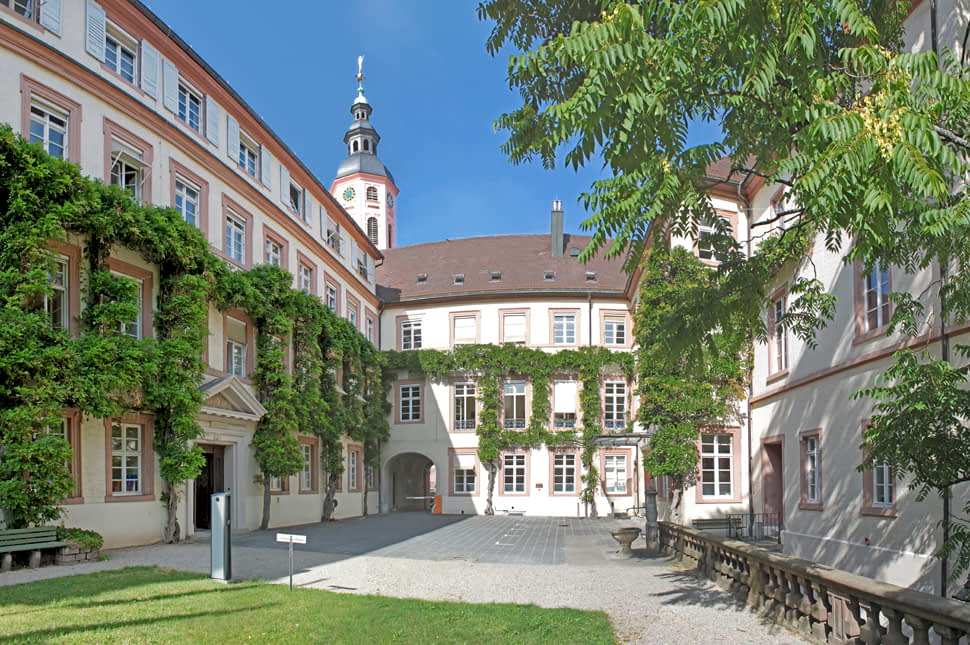
The Baldreit-Stipendium is a residency program offered by the city of Baden-Baden, Germany, providing artists from literature, visual arts, and composition with a rent-free 70m² apartment in the city center and a monthly stipend (recently €1,100 total). It awards two 6-month residencies annually (October-March and April-September), expecting recipients to engage with the local community by presenting their work. German language skills are desirable, and the apartment is not barrier-free.
Basis
Frankfurt, Germany
Basis E.V., located in Frankfurt, Germany, supports and presents international contemporary art through its extensive residency programs, notably the AIR_Frankfurt and AIR_Offenbach. Since 2006, Basis E.V. has fostered creative production by providing affordable studio spaces and facilitating international exchanges. The AIR_Frankfurt program, supervised by the City of Frankfurt’s Department for Culture and Basis E.V., targets artists from Frankfurt and partner cities worldwide, promoting cross-cultural artistic development and networking. Each residency spans three months and includes financial support, travel cost coverage, accommodation, and curatorial support. The AIR_Offenbach extends similar opportunities to artists based in Offenbach, promoting contemporary visual arts and international exchange with emerging art centers. Basis E.V. emphasizes the integration of residents into the local artistic network and offers public presentation opportunities through artist talks and final project exhibitions.

Bauhaus Earth
Berlin, Germany
The Experimental Fellowship at Bauhaus Earth is an international program designed for emerging practitioners in architecture, design, engineering, and interdisciplinary fields aiming to explore sustainable, regenerative approaches to the built environment. Hosted by Experimental, a Berlin-based non-profit founded by architect Prof. Regine Leibinger, the program supports fellows through financial assistance, mentorship, and access to a collaborative network. The fellowship emphasizes open-ended, practice-led research that results in tangible prototypes or architectural fragments integrating ecological and social concerns. Bauhaus Earth offers a supportive environment that connects fellows with workshops, expert advisors, and public engagement opportunities in Berlin and Brandenburg. Projects are developed in mutual collaboration with the program team and relevant stakeholders. Fellows gain visibility through exhibitions, publications, and public programming. The initiative bridges research and real-world application to rethink how architecture can contribute to sustainable futures. With a focus on material innovation, local ecosystems, and circular practices, Bauhaus Earth fosters experimental design practices that push boundaries in the architectural field.
Borderland by Ludwig Forum Aachen
Aachen, Germany
Ludwig Forum Aachen hosts the Borderland Residencies, an offline program designed for visual artists and artist duos. Located in the German-Dutch-Belgian border area, the residency provides a unique opportunity for creative work in the culturally rich Rhineland region. The program includes a furnished studio apartment, studio space within the museum, and a monthly stipend for living and material costs. Residents benefit from studio visits, field trips, and networking opportunities within the EuRegion. The Ludwig Forum Aachen is renowned for its contemporary art collections, including works from post-war Germany, US-American Pop Art, and Soviet Russia. The museum’s diverse program features exhibitions, research projects, and various cultural events. Borderland Residencies aim to foster artistic dialogue and collaboration across borders. Applications are open to internationally working visual artists who are not based in Germany or enrolled at a German university.

Braunschweig University of Art
Braunschweig, Germany
Each year the Hochschule für Bildende Künste Braunschweig (HBK)/ Braunschweig University of Art announces the Braunschweig Projects scholarship to be awarded on behalf of the Federal State of Lower Saxony:a) Two (2) “Braunschweig Projects” scholarships for artists in Sound Artb) Five (5) “Braunschweig Projects” scholarships for artists in Fine ArtThese scholarships are part of the programme of the State of Lower Saxony for the support of emerging artists a
Callie’s
Berlin, Germany
Callie’s is a non-profit experimental institution in Berlin dedicated to fostering creativity and cultural exchange through its residency program, exhibitions, and public programs. Housed in a former machine factory in the Wedding district, Callie’s offers private studio spaces, a movement studio with a sprung floor, a cooperative sound studio, and a dedicated writing room. The residency is self-guided, allowing artists at any stage of their careers to explore new ideas without production requirements. Artists-in-residence can also request on-site accommodation in micro-apartments, designed with handmade and custom elements. Callie’s fosters an open and interdisciplinary environment, with periodic informal gatherings, networking opportunities, and access to Berlin’s rich cultural landscape. While the residency covers workspace and resources, it does not provide direct funding for travel or materials. The program is open to visual artists, musicians, choreographers, writers, poets, and researchers, supporting a wide range of creative practices. Residencies typically last six months, with some flexibility for shorter stays.

DAAD
Berlin, Germany
The German Academic Exchange Service (DAAD) is a prominent organization known for its extensive support of the international exchange of students and scholars. Since its establishment in 1925, DAAD has become one of the world's largest funding organizations for international academic cooperation. It offers a wide range of programs including scholarships for study and research in Germany, funding for German students, graduates, and academics abroad, and support for the internationalization of German universities. DAAD also promotes German studies and the German language abroad, supports developing countries in establishing effective universities, and advises decision makers on matters of cultural, education, and development policy. Its scholarship programs are aimed at fostering knowledge exchange and building bridges between cultures. DAAD's vast alumni network spans over a hundred countries, including several prominent academics, artists, and leaders who have benefited from its programs. Through initiatives like the Artists-in-Berlin Program, DAAD underscores its commitment to enriching artistic dialogues and cultural exchanges worldwide. As an influential advocate for educational and scientific exchange, DAAD plays a crucial role in shaping global academic and cultural landscapes.

Dekoloniale Berlin
Berlin, Germany
Dekoloniale Berlin Residency, organized by Dekoloniale Memory Culture in the City, invites artists, architects, designers, directors, photographers, fashion designers, and urban practitioners to create interventions addressing colonial histories in Berlin's public spaces, culminating in presentations at the Dekoloniale Festival. Residents receive access to a project space, curatorial guidance, production support, travel costs, accommodation, per diem, production budget, and a fee, with mandatory participation in workshops. The program typically spans about 6 months, from mid-May to mid-November, focusing on collaborative and interdisciplinary decolonial practices.
Department of Arts and Culture of the City of Munich
Feldafing, Germany
City of Munich residency program at Villa Waldberta in Feldafing, offering artists space to live and work, with support for projects, exchange, and presentations.

dieKunstBauStelle e.V.
Landsberg am Lech, Germany
The Kronenringe Residency is a new Artist-in-Residence programme for emerging jewellery artists, hosted in the original workshop of the late goldsmith and jewellery designer Barbara Helleis in Landsberg am Lech, Bavaria, Germany. „Kronenringe“ means ‘Crown rings’ refers to a special design by Barbara Helleis. This ring design by Barbara Helleis has become a trademark of her work.Each year, three artists are selected for a fo
EMMA
Pforzheim, Germany
Creative center for freelancers, start-ups, agencies, and young companies with workshops, coworking, studios, offices, events, and exhibitions.
Europäisches Übersetzer Kolloquium
Straelen, Germany
The Europäisches Übersetzer-Kollegium (EÜK) in Straelen, Germany, is the world's first and largest international working center for literary translators, providing 30 apartments, workspaces, and a specialized library with 125,000 volumes including lexicons in over 275 languages. Founded in 1978, it hosts over 750 translators annually from more than 55 countries for stays typically from one week to three months to work on commissioned translation projects under ideal conditions, fostering international cultural exchange and translation quality. It features the Translator in Residence program, supported by Kunststiftung NRW since , with translators rotating every three months to conduct public events.
Fleetstreet
Hamburg, Germany
The Fleetstreet Theater in Hamburg offers a unique residency program designed for artist groups working across disciplines, particularly in the performing arts, visual arts, film, and music. Established in partnership with the Free and Hanseatic City of Hamburg, the Hamburg Cultural Foundation, and the Rudolf Augstein Foundation, this residency supports young artist groups with limited financial means who are eager to develop and present experimental projects. The residency includes access to the Fleetstreet Theater and a nearby residential studio with three rooms, a kitchen, and a bathroom, making it both a living and working space for residents. Each group receives €3,000 per month to cover project expenses, and the entire theater is made available exclusively to them during their residency. The program emphasizes research, experimentation, and innovative presentation formats, allowing artists to explore new strategies and work processes in a highly independent environment. Residencies typically last one month, with longer stays available under specific circumstances.
Galerie Stihl Waiblingen
Waiblingen, Germany
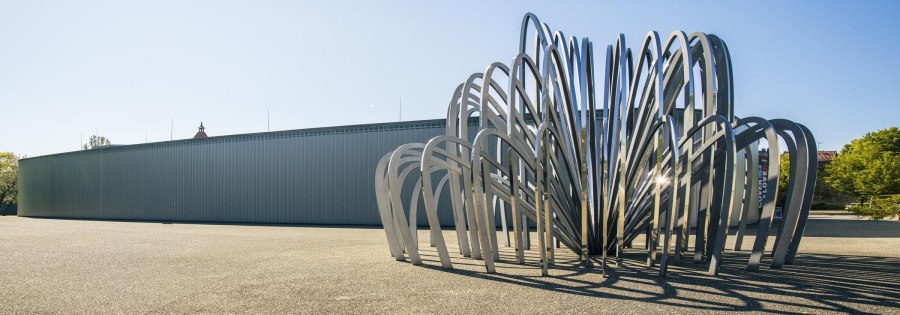
Municipal gallery specializing in works on or made of paper, including classical drawings, prints, comics, and design drawings. Hosts three temporary exhibitions annually with focus on drawing and paper art.
Gartenhaus am Süderwall
Otterndorf, Germany
The Gartenhaus am Süderwall in Otterndorf, Germany, is an artist residency program offering stipends since 1985 for writers (typically June to October, 5 months) and since for visual artists (about 6 weeks in April-May), providing free housing in a historic classical garden house with a studio space, kitchen, and bath. Residents receive a monthly stipend for writers (around 1,200 Euro) or a fixed grant for artists (1,800 Euro plus up to 1,200 Euro for exhibition), expecting primarily on-site presence and public presentations of their work.
Global Forest
St. Georgen, Germany
The Global Forest art association, in collaboration with Furtwangen University (HFU) and the Zurich University of Applied Sciences (ZHAW), offers a three-month artist residency as part of the ResonanzLab project. This residency invites artists to explore the theme of “climate anxiety” through artistic engagement with sound, language, and community participation. Located in St. Georgen, in the Black Forest, the residency offers a rent-free living and studio space, a monthly stipend, and production support. Artists will collaborate with local communities in the Lake Constance region, develop participatory projects, and present their findings in a final exhibition. The residency aims to foster interdisciplinary exchange between the arts and sciences and encourage public engagement with pressing environmental concerns.
GreenHaven Artist Residencies
Cologne, Germany
GreenHaven Artist Residencies, an initiative of TGR The Green Room in Cologne, Germany, supports performing artists from non-EU countries, especially those at risk or displaced, by providing free housing, rehearsal space, and a stipend of up to 1500€ per month for 1-2 months.
Hamburg International Artist Residency
Hamburg, Germany
Organizer Information This residency is funded by the Hamburg Ministry for Culture and Media (Behörde für Kultur und Medien), the city government body responsible for Hamburg's international cultural exchange programmes, and hosted at Westwerk, an artists' centre on Hamburg's Fleetinsel. Westwerk was founded by an artist-led initiative in the 1980s, when a group of painters,

Hamburg Ministry for Culture and Media
Hamburg, Germany
The Hamburg Ministry for Culture and Media offers eight three-month residencies for international artists at Westwerk in Hamburg. This residency provides rent-free accommodation, a monthly allowance of €900, and travel expenses for one return journey. Artists will live and work at Westwerk, engaging with the Hamburg cultural scene. Each artist will receive a one-off subsidy of €500 for a final presentation. Residencies include a private apartment and shared bathroom, with access to gallery and performance spaces. The program supports visual arts, photography, film, multimedia, and music combined with visual arts. Applicants must have health and liability insurance and cover any visa requirements.

Heinrich-Heine-Haus
Lüneburg, Germany
Historic patrician house in central Lüneburg used by the city’s cultural offices and literary organizations, with a wedding room and spaces for readings, exhibitions, and events.
Hessische Kulturstiftung
London, Germany
Since 1993 the Cultural Foundation of Hesse (Hessische Kulturstiftung) has been providing a scholarship programme of high renown for visual artists who were born in Hesse, have a permanent residence here or hold a diploma from a Hessian art academy. These scholarships are awarded every two years as free travel grants or as a 12 months residence in one of the foundation’s studios in London, Paris or New York. Both the studio grants and the freely disposable travel grants from the Hessische Kultu

K3 Residency
Hamburg, Germany
K3 | Tanzplan Hamburg provides three paid eight-month residencies to choreographers who are at the beginning of their career and have produced multiple choreographic works of their own. The residency begins in August and runs until April . The goal of the residency is to develop and strengthen the connections between choreographic practice, research, artistic production, and qualification. The duration of eight months should provide sufficient time and space for overcoming conventional rhythms of production and open up opportunities for exchange with other artists.
KfW Stiftung & Frankfurt LAB
Frankfurt am Main, Germany
The KfW Stiftung & Frankfurt LAB residency, known as Frankfurt Moves!, invites emerging international performing arts artists trained in Africa, Asia, Latin America, or the WANA region to Frankfurt am Main for a four-week on-site residency followed by one month of remote research support. Artists receive access to professional venues at Frankfurt LAB, dramaturgical and technical assistance, a workshop presentation, stipend, housing, travel, and production expenses. The program fosters future-oriented projects, intercultural exchange, and networking in contemporary performing arts.
Kultur einer Digitalstadt e.V.
Darmstadt, Germany
Kultur einer Digitalstadt e.V. is a platform in Darmstadt, Germany, for artistic research, interdisciplinary discussions, and cultural networking in the digital city context, offering artist residencies at the studio house Ludwig-Engel-Weg 1 on Rosenhöhe. Their Artist-in-Science-Residence (AiSR) program provides 6-week stays linked to collaborations with research institutes like hessian.AI, GSI Helmholtzzentrum, and ESOC, open to artists of all disciplines. Residencies typically include housing, a studio, stipend, and opportunities for exhibitions and public engagement.

Kulturkollektiv Goetheschule e.V. Lauscha
Lauscha, Germany
The Artist in Residence program at Kulturkollektiv Goetheschule e.V. in Lauscha, Germany, hosts artists for a one-month stay, providing free accommodation, a 1000€ stipend, and a studio within the historic Goetheschule building. It supports various artistic practices, including glass art and large-scale drawing inspired by the local context, with networking opportunities in the region. The program is funded by the Kulturstiftung Thüringen and features events like welcome dinners for residents.
Kulturstiftung Schloss Wiepersdorf
Niederer Fläming, Germany
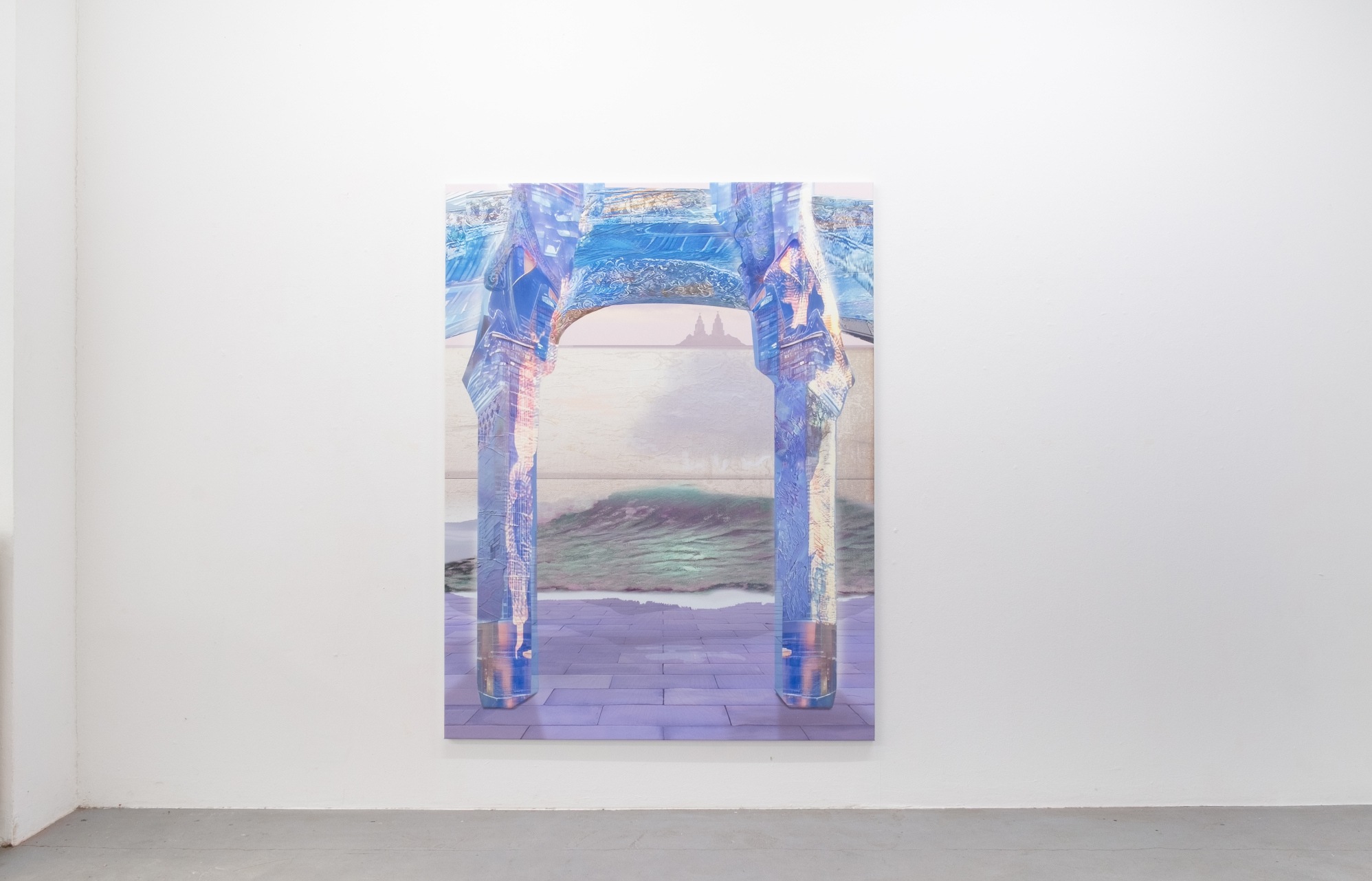
The Kulturstiftung Schloss Wiepersdorf offers an international and interdisciplinary residency program for individual artists, writers, scholars, and groups at Schloss Wiepersdorf, a castle in rural Brandenburg, Germany, about 75 km south of Berlin. Fellows receive free room and board, a monthly stipend of €1200, and a €480 material grant, with stays typically lasting 1-3 months (often three months in spring, summer, or fall periods). The program supports fields like literature, visual arts, composition, and research, providing studios, ateliers, conference rooms, and opportunities for presentations and networking.
Künstlerbahnhof Ebernburg e.V.
Bad Münster - Ebernburg, Germany
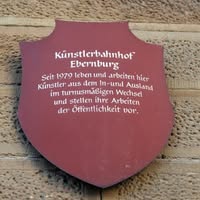
The Künstlerbahnhof Ebernburg e.V. is an artist residency program in a former railway station in Bad Münster-Ebernburg, Germany, offering 2-3 scholarships annually, each lasting 2 months, primarily to young international artists for undisturbed creative work in a scenic rural setting. Residents receive a high-ceilinged studio, fully furnished apartment, kiln for ceramics/glass, and printing press, with exhibitions organized to showcase their work; costs for living and travel are borne by the artist, though one source mentions a 800 Euro work purchase. Suitable for all art disciplines except those involving fire or water.
Künstlergut Prösitz e.V.
Prösitz, Germany
Künstlergut Prösitz e.V. is a unique artist residency in rural Saxony, Germany, specifically for young female sculptors who are mothers, offering one-month stipends from May to October to work on sculpture, installation, and object art while bringing their children. The program provides childcare by a daily caregiver, free housing, workspaces, and materials like clay, metal, wood, and stone in a former three-sided farm. Founded in 1992 by Ute Hartwig-Schulz and other Dresden art graduates, it supports women artists facing challenges in balancing career and family.

Künstlerhaus Dortmund
Dortmund, Germany
Since , Künstlerhaus Dortmund has offered a Summer Residency program for international artists in all fields of the visual arts during the summer months (July/August). The residency provides a guest studio, combined living/bedroom, shared kitchen and bathroom, along with a travel subsidy up to 500 EUR, daily per diem of 10 EUR, and production costs up to 500 EUR. Note that the program is paused in , with no current application opportunity.
Künstlerhaus Edenkoben
Edenkoben, Germany
The Künstlerhaus Edenkoben is a residency program in Edenkoben, Germany, serving as a meeting, living, and working space for poets, writers, visual artists, musicians, and translators, fostering encounters through scholarships and events focused on contemporary literature, poetry, music, and visual arts. It emphasizes 'crossing borders' via collaborations with French neighbors, exploration of European languages, and regional cultural spaces. The program awards up to six scholarships for authors/translators and two for visual artists annually, providing furnished apartments, a studio, a monthly stipend of 1,200-1,400 euros, free accommodation, and travel reimbursement.
Künstlerhaus Lauenburg
Lauenburg/ Elbe, Germany
Künstlerhaus Lauenburg in Lauenburg/Elbe, Germany, offers three annual residency fellowships in visual arts, literature, and composition, plus a working fellowship for artists with children and a scholarship by invitation, typically lasting 4 months from mid-May to mid-September. Fellows receive housing, studio space, and are expected to spend at least 50% of the time on-site, culminating in presentations like exhibitions, artist talks, or premieres. The program also features a Stadtgalerie for exhibitions and public events.

Künstlerhaus Meinersen
Meinersen, Germany
Künstlerhaus Meinersen offers an Art Scholarship aimed at promoting young contemporary art while enriching the cultural landscape of the region. This scholarship provides a residency at the Meinersen Artists’ House for a period of up to twelve months. Managed by Künstlerhaus Meinersen e.V., the program includes rent-free accommodation and a monthly stipend of €800. Recipients are expected to reside at the Artists’ House, engage with the public through an art project, and participate in house events. Graduates of art schools and universities up to the age of 35 are preferred.

Künstlerhof Schreyahn
Wustrow (Wendland), Germany
The Künstlerhof Schreyahn is a stipend program in Schreyahn, Wustrow (Wendland), Germany, offering writers and composers 3-, 6-, or 9-month residencies in renovated farm buildings with free ateliers including living space, kitchen, bedroom, and bathroom. Residents receive a monthly stipend of 1400 Euro from the state of Lower Saxony and are expected to engage locally through readings, concerts, or other cultural activities. The facility features a protected Low German hall house used as a cultural center for events, with dedicated ateliers for literature and composition.

Kunstraum sylt quelle
Sylt / OT Rantum, Germany
Foundation-based art venue with gallery, production hall, artist apartments, exhibitions, performances, readings, concerts, talks, and residency support.
ligeti center
Hamburg-Harburg, Germany
The ligeti center in Hamburg-Harburg, Germany, is an artistic-scientific institution founded in that bridges arts, sciences, and innovation through its 'Artists and Scientists in Residence' program. It invites artists and scientists specializing in sound and multimedia productions for interdisciplinary projects in collaboration with on-site labs featuring technologies like immersive audio, motion capture, and experimental instruments. Residencies typically last 3-6 weeks or up to three months, offering stipends, accommodation support, technical assistance, and presentation opportunities.
Martin Roth Initiative Temporary relocation for Artists and cultural actors at risk
Berlin, Germany
Organizer Information The Martin Roth-Initiative is a joint project of ifa – Institut für Auslandsbeziehungen and the Goethe-Institut, founded in response to the global shrinking of civic spaces. It was established in in response to the global decline in pre-political freedoms, named after Martin Roth, the museum director and cultural scientist who served as

Mecklenburgisches Künstlerhaus Schloss Plüschow
Upahl, Germany
The promotion of contemporary art is the main concern of Schloss Plüschow, the artists’ residence in Mecklenburg. In addition to the exhibition projects, a differentiated artist-in-residence programme was established. Several grants for visual artists are announced every year – artists from both home and abroad can apply for them.Residency Programme since: 1990Description of Organisation: When conceiving a new use for Schloss Plüschow following the Reunification of Germany in 1990, the focus was
NEU WORKSHOP
Munich, Germany
The NEU WORKSHOP Residency is a six-week program designed to support young and emerging artists by providing free working space and access to a range of materials and equipment. Located in Munich, this residency offers participants a comprehensive environment to research, experiment, and create across various disciplines. Each resident receives a working budget of €800 and, if applicable, €400 for accommodation support. At the end of the residency, artists present their work through a public event or exhibition, backed by additional production and technical support. NEU WORKSHOP is a self-funded initiative that aims to offer an independent alternative to traditional institutional residencies. The workshop space is equipped with high-end photography and video equipment, workstations for editing, screen printing facilities, and more. Artists are selected based on their portfolios, ongoing research, and project proposals. The residency fosters a community of creatives, encouraging interdisciplinary collaboration and collective learning.

Otte1 Künstlerhaus Eckernförde
Eckernförde, Germany
Künstlerhaus Otte1 is an artist residency located in Eckernförde, Germany, dedicated to supporting young artists and fostering new ideas. Named after its location at Ottestr. 1, the residency offers grants that create long-term relationships and unique projects, including artistic encounters, educational activities, culinary surprises, performances, dance, film, and music performances. Four studios are available rent-free for selected scholars, who also receive financial support of 1,000 euros per month. The residency is open to professional artists in the fields of visual arts, literature, and music composition. Applications are accepted exclusively online during an announced period, usually in summer for the following year. Selection is made by professional, competent juries in the respective fields. Otte1 is a member of the Network of Artists’ Residences in Northern Germany.
PACT Zollverein
Essen, Germany
PACT Zollverein's residency program, running since 2002, is a cornerstone of its mission, offering a nurturing ground for professional artists from around the world. Specializing in dance, performance, media arts, and music, the program fosters a vibrant exchange between practice and theory. Residents enjoy a unique blend of independence and potential collaboration, benefiting from studio space, accommodation, financial support, and technical assistance. With a commitment to sustainability, PACT encourages eco-friendly travel and supports barrier-free and family-friendly residencies. The program, celebrated for its contribution to artistic and scientific exploration, is a testament to PACT Zollverein's role as an Artists’ House, emphasizing the importance of sharing and developing new work within a supportive community.

RaumKulturDenkmal
Breitenberg, Germany
The RaumKulturDenkmal e.V. aims to promote nature conservation, art, culture, and the protection of cultural landscapes in the tri-border area of Germany, Czech Republic, and Austria. The association is involved in cross-border projects with international participation, focusing on the preservation of endangered cultural and wild plants, the revival and restoration of historical building structures, and artistic research. The Bauhaus Bavaria Artist-in-Residence program celebrates sustainable practices and inclusive spirit, merging the ethos of the Bauhaus Movement and the Black Mountain College. The residency offers a unique opportunity for sustainable creative experimentation in a historically rich and ecologically significant location.

S+T+ARTS
Berlin, Germany
S+T+ARTS (Science + Technology + Arts) is an initiative launched by the European Commission to foster alliances between science, technology, and the arts. This initiative aims to tackle the complex challenges of our times by integrating artistic practices into research and innovation processes. Through various programs and residencies, S+T+ARTS supports collaborative projects that address pressing societal issues such as sustainability, digital transformation, and social inclusiveness. The organization facilitates residencies, awards, and collaborative projects, connecting artists with scientists, technologists, and industry experts across Europe. S+T+ARTS residencies offer artists the opportunity to work in diverse environments, from high-tech laboratories to remote ecological sites, providing the resources and support needed to develop innovative solutions. These projects are designed to stimulate critical thinking, promote cross-disciplinary collaboration, and inspire new ways of addressing global challenges. S+T+ARTS is committed to promoting a sustainable future by aligning its projects with the Sustainable Development Goals (SDGs) and the European Green Deal. By supporting art-driven innovation, S+T+ARTS aims to enhance public awareness, drive policy changes, and contribute to the development of a more inclusive and resilient society.
Schafhof – European Center for Art Upper Bavaria
Freising, Germany
The artists and their personal and artistic needs form the focal point of the artist-in-residence program. The stipend and residency in the host countries are intended to provide artists the opportunity to devote themselves exclusively to their artistic work for this time period. This specifically includes conceptual work, networking and research; artists are not required to produce work.The Center for Art organiz
Schloss Balmoral
Bad Ems, Germany
The Artist Residency Schloss Balmoral, nestled in the scenic town of Bad Ems, Germany, is a prestigious program that has been nurturing the talents of visual artists, curators, and now educators from around the globe since 1995. Annually, the residency awards multiple fellowships across various disciplines, with each fellowship tailored to foster creative exploration within a thematic or genre-specific framework. Since 2013, these fellowships have been thematically aligned, encouraging residents to delve deep into specific artistic inquiries during their stay at the historic Schloss Balmoral. The residency is renowned for its support of artists at all stages of their careers, offering both 4-month and 8-month fellowships. Additionally, the residency provides a critical platform for artists at risk through a dedicated fellowship, affirming its role as a sanctuary for artistic expression.
Schöhsee Artist Residency
Plön, Germany
The Schöhsee Artist Residency is a privately funded program in Plön, Northern Germany, offering a one-month summer residency for professional artists of all disciplines and career stages to explore human-nature relationships and rural-urban contrasts. Participants receive rent-free accommodation in an eco-tiny house, a dedicated studio, €800 stipend, and €200 travel allowance, and are expected to contribute a creative work or reflection inspired by the region. The program includes engagement with the local community and visits to cultural sites like NordArt.
Spreepark Art Space
Berlin, Germany
Spreepark Art Space is a Berlin-based international residency program dedicated to interdisciplinary artistic research within a unique urban-natural setting. Hosted in the Eierhäuschen, a historic riverside building adjacent to the reclaimed Spreepark amusement park, the residency provides an inspiring environment for collectives exploring connections between people, art, and the environment. It specifically welcomes international groups of four who do not live in Berlin or Brandenburg, offering space for collaboration, experimentation, and public engagement. The program emphasizes sustainability, artistic research, and creative approaches to ecological and urban transformation. Residents are supported with complimentary housing, travel cost coverage, and a fixed living stipend. The residency culminates in a group exhibition at the Eierhäuschen the following year, showcasing research-based outcomes. Spreepark Art Space maintains a strong commitment to inclusion, welcoming applications from BIPOC, LGBTQIA+, and disabled artists, and offers visa support for non-European participants. It serves as a dynamic platform where art, planning, and nature converge within Berlin’s evolving cultural landscape.
Stiftung Künstlerhof Roter Ochse
Schleusingen / Thüringer Wald, Germany
The Stiftung Künstlerhof Roter Ochse in Schleusingen, Germany, is a foundation that awards residencies to up to three young artists or scholars from diverse fields including music, literature, visual arts, performing arts, and new media, for stays of up to nine months. Residents live, work, and present their creations to the public, fostering interdisciplinary dialogue and community engagement in the historic town. The program aims to create a vibrant communication center in the tradition of arts and sciences symposia.

Stiftung Starke
Berlin, Germany
The Stiftung Starke Artist in Residence program in Berlin supports emerging artists under 40 from all genres with 3-12 month residencies including free living and studio space, a stipend, and exhibition opportunities at the Löwenpalais. Established artists can access short-term guest apartments, while projects receive scientific accompaniment by international curators. Applications are accepted year-round by an independent jury, though fellows cover their own energy costs.
Stuttgarter Schriftstellerhaus
Stuttgart, Germany
The Stuttgarter Schriftstellerhaus in Stuttgart, Germany, is a cultural institution and meeting point for authors, translators, and literature enthusiasts, hosting events, workshops, and annually awarding up to four 3-month residency stipends to German-speaking writers in prose, drama, and poetry. Stipendiaten receive housing and a stipend (4,000–5,000 EUR), with a presence obligation including public presentations and contributions to house activities.
Technische Universität Braunschweig (TU Braunschweig)
Braunschweig, Germany
The Science & Art Lab at Technische Universität Braunschweig bridges the gap between cutting-edge research and diverse artistic expressions. Supported by various foundations and the Lower Saxony Ministry of Science and Culture, the lab fosters dialogue and collaboration between science, art, and the public. It offers a platform for experiments, new formats, and innovative ideas, encouraging critical and inspiring exchanges. The lab provides space for talks, exhibitions, screenings, and other opportunities for interaction, aiming to create a community around art and science. Artists in residence will engage with quantum research, benefiting from the expertise and resources available at the university. The residency includes collaborations with local cultural institutions, enhancing the artistic and scientific experience. The program is open to international artists, emphasizing interdisciplinary and experimental approaches. The initiative aims to build long-lasting relationships and inspire new ways of thinking through the fusion of art and science.

The Potsdam Institute for Climate Impact Research (PIK)
Berlin, Germany
The Potsdam Institute for Climate Impact Research (PIK) in Potsdam, Germany, hosts an artist residency program since , providing artists with studio space in the historic Kleiner Fotorefraktor building, accommodations in Potsdam, and a stipend paid in three monthly installments. Selected by the Berliner Künstlerprogramm des DAAD, Potsdam Town, and PIK, residents integrate into the PIK community to foster interdisciplinary exchanges between artists and climate researchers on global sustainability. Note that a distinct 'Planetary Transitions' residency exists at the nearby RIFS Potsdam, not PIK.
Transmediale
Berlin, Germany
The Transmediale Residency Program offers opportunities for artists, researchers, theorists, and practitioners working at the intersection of digital art, media studies, and technology. Located in Berlin, the residency supports hybrid participation, allowing residents to engage both remotely and on-site. The program emphasizes long-term, research-based engagement over outcome-driven projects, fostering collaboration across disciplines. Transmediale works with multiple international partners, offering various residency opportunities for artists from Switzerland, Korea, Chile, and Berlin. Residents receive a stipend, housing support, and travel funding, and are encouraged to develop new projects or expand on existing ones in the fields of media art, art criticism, digital practices, and moving image theory. Transmediale’s extensive network helps residents build sustainable relationships within both the local and global art community.
Villa Aurora & Thomas Mann House e.V.
Berlin, Germany
Villa Aurora & Thomas Mann House e.V. is a European-American foundation based in Berlin that operates artist residencies primarily at its sites in Los Angeles, including Villa Aurora and Thomas Mann House, fostering transatlantic exchange in arts, literature, and culture. It offers fellowships and grants such as the Berlin Fellowship for LA-based artists to reside in Berlin for several weeks, and supports programs like music residencies and Thomas Mann Fellowships addressing global issues. The organization emphasizes interdisciplinary collaboration, providing stipends, housing, and networking opportunities for artists from Germany and internationally.

Villa Concordia
Bamberg, Germany
Villa Concordia is an International Artist-in-Residence Programme founded in 1997 by the Free State of Bavaria, hosting German and international artists in a baroque water palace on the Regnitz river in Bamberg. The program supports artists in visual arts, literature, and music through residencies, providing lodging, studio space, monthly scholarships, and project grants while promoting cultural exchange and public engagement through exhibitions, readings, and concerts.
Werkstatt Altena
Altena, Germany
A nonprofit residency supporting young visual artists with a six-month scholarship, free accommodation, a studio in the city center, and a living allowance.

ZKM Center for Art and Media
Karlsruhe, Germany
The ZKM | Center for Art and Media in Karlsruhe, Germany, hosts various artist residencies focused on media art, digital technologies, performative art, and interdisciplinary practices, often in collaboration with international partners. Programs like the Rauschenberg Residencies, Web Residencies, and specialized calls for machine learning or videopoetry artists provide opportunities for research, production, and experimentation at their Hertz-Lab facilities. Residencies typically last from four weeks to three months and offer stipends, housing, and access to advanced technological resources.
Frequently asked questions
Are there free artist residencies in Germany?
Yes. Fully funded residencies in Germany provide both accommodation and a stipend at no cost. These are typically supported by government arts funding, foundations, or institutional endowments.
How competitive are free residencies in Germany?
Free residencies tend to be more competitive, with acceptance rates often below 10-15%. A strong portfolio and clear project proposal will strengthen your application.
Been to a residency in Germany?
Share your review