Curation Residencies in Germany
21 residencies for curation artists in Germany.
Browse real reviews from artists who attended curation programs in Germany. Find the right residency for your practice.
Which Germany residency actually fits a curation practice? Ask in your own words — drawn from 2,300+ residencies and live open calls, grounded in real reviews.

A Place to Breathe AIR
Horb, Germany
Well-being. Our artists' house offers many perspectives: concentrating on your own artistic work. No rent to pay for studio and flat (only a flat rate for operating costs). Take advantage of exhibition and action opportunities in the region. Solo or together with other artists. Up to three years. This is unique in Germany. Even in the case of the neighbouring Franciscan convent, the initiators were convinced that the historical building could only have a future if it was filled with life. In the case of the artists' house, too, it was originally "merely" a matter of monument protection - but then the idea of a domicile for creative minds emerged. The benefit for Horb: exchange between "foreigners" and locals, constructive togetherness, sometimes also "turmoil" in the best sense. Freelance artists from all areas of the visual arts can apply for a studio flat for a maximum of three years. The dates on which places become available are announced by the sponsoring association via the professional associations and this website. The selection is made by the artistic advisory board after an initial review by the Förderverein.
AiR zusa
Berlin, Germany
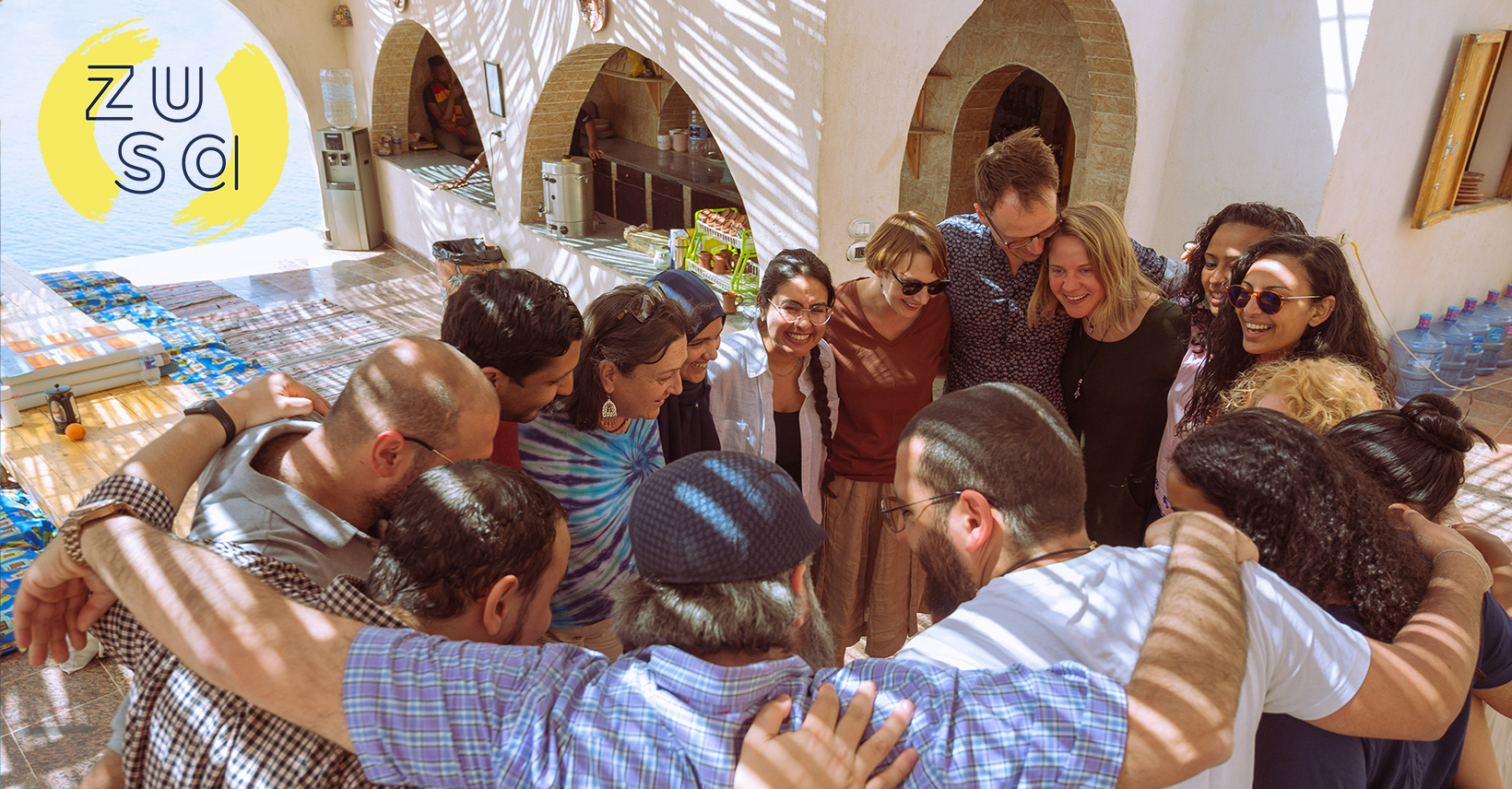
AiR zusa is a non-product-oriented residency program in Berlin designed to provide artists, cultural managers, curators, and arts and culture activists from Ukraine and other countries at risk with a safer space for rest, mental health support, and professional resilience-building. The program emphasizes process, self-reflection, and personal growth rather than artistic output, offering participants time to heal and reconnect with local and international cultural networks.
Akademie Schloss Solitude
Stuttgart, Germany
Akademie Schloss Solitude is an international and transdisciplinary artist-in-residence program in Stuttgart, Germany, awarding 50-60 residencies every two years to artists, researchers, and cultural professionals across all disciplines. It provides space for concentrated work, interdisciplinary exchange, and networking, with fellows receiving furnished live/work studios, a monthly stipend of €1,300, and travel support for 6- or 9-month stays.
American Academy in Berlin
Berlin, Germany
The American Academy in Berlin is a private, nonprofit institution offering semester-long residential fellowships to American scholars, artists, writers, composers, and journalists for advanced independent research and creative work in the arts, humanities, social sciences, and public policy. Fellows reside at the Hans Arnhold Center on Lake Wannsee and engage in transatlantic dialogue through public lectures, readings, performances, and discussions.

Artist Residency at LITE-HAUS
Berlin, Germany
LiTE-HAUS announces our first short term intensive artist residency program for artists to expand and improve their practice in a serene and professional environment in the heart of Berlin's vibrant art scene. This residency will be conducted in English language. Artists at any stage of their careers may apply – from students to established artists.

Artist Stay in Weiterhagen / Western Pomerania
Weiterhagen, Germany
**Food & work materials:** the costs for food and necessary work materials are to be borne by the respective artist. **Arrival/Departure:** We are happy to help you organize your arrival/departure. If necessary, the artist can be picked up from the nearby "Buchhorst" or "Velgast" train station. There is a direct connection from Berlin/Hamburg. The costs for arrival/departure are to be borne by the artist themselves. Financial grants for guest artists for living expenses or in the form of travel or material cost grants are unfortunately not possible, as the NOVOPO project itself does not have any funding available. **Other:** two bicycles are available for use. It is particularly advantageous to travel with your own car for longer stays - in order to be mobile and flexible and not to have to rely exclusively on carpooling, for example for shopping (which is of course possible). There is no direct connection to the public transport network. The residency is in a completely isolated location with no neighbors, between the road and the forest. There are no shops within walking distance, for example. The bus stop is a bit far away and the bus only runs infrequently. The nearest supermarket in Richtenberg can be reached by bike in about 20 minutes.
coGalleries
Berlin, Germany
coGalleries Artist Residency Berlin is an international artist residency program committed to fostering cross-cultural exchange among artists, curators, and institutions. Based in the dynamic art compound FAHRBEREITSCHAFT in East Berlin, the residency offers access to a shared studio loft and tailored support including mentoring, networking, and presentation opportunities. Artists can choose between two main tracks — one culminating in an Open Studio presentation and the other offering a full Solo Exhibition with coaching and professional development. The residency emphasizes connection to Berlin’s thriving contemporary art scene and encourages collaboration with nearby institutions and practitioners. Residents gain insight through organized events such as gallery visits, artist talks, and studio critiques. The program supports artists across various disciplines, including painting, sculpture, photography, video, literature, and curatorial practice. Housing is not included but can be arranged at additional cost. Applications are accepted on a rolling basis, and the team offers PR support and continued professional connections beyond the residency.
Culterim Gallery
Berlin, Germany
The Culterim Gallery offers an Artist-in-Residence program at two locations near Berlin: the Manor at Dahlewitz and the Manor at Biesenthal. Both residencies run from May 1st to September 30th, 2024, offering studio space, accommodation, and weekly mentored studio visits, artist presentations, and talks for a fee of 365€ per month. The Dahlewitz location, south of Berlin, features seven buildings on an 18,000 m2 plot with a small forest, while the Biesenthal location, north of Berlin, extends over several buildings and 12,000 m2 of forest next to Lake Wukensee. Both sites welcome artists for terms ranging from 2 to 5 months and conclude with a group exhibition of works created during the residency. Studios vary in size and may be individual or shared, with basic sanitary facilities and communal areas for cooking and socializing. The program is open to all art forms, and artists have 24-hour access to the premises.

Curators in Flux
Berlin, Germany
OPEN CALL Curators in Flux Founding Edition A 6-Week Hybrid Curatorial Laboratory **Berlin, Germany | February-March ** **Applications are now open.** Curators in Flux is a six-week hybrid professional development programme designed for emerging curators who wish to expand their curatorial practice through research, critical dialogue, mentorship, and direct engagement with Berlin's contemporary art ecosystem. Bringing together a small international cohort of **4–6 curators**, the programme combines four weeks of online learning with two immersive weeks in Berlin, culminating in a collective public exhibition. Rather than offering a conventional curatorial course, Curators in Flux creates an experimental learning environment where participants critically examine contemporary curatorial practice while building meaningful professional networks across institutions, artist-run initiatives, and independent cultural spaces. Programme Structure Phase I Online Laboratory **4 Weeks** The online programme creates a collaborative space for research, discussion, and project development. Participants meet several times each week through workshops, lectures, mentoring sessions, and peer discussions. The programme includes: • Curatorial methodology workshops • One-to-one mentoring sessions • Group critiques • Artist and curator talks • Reading seminars • Curatorial writing workshops • Exhibition development • Peer learning sessions Throughout the online phase, participants gradually develop the curatorial concepts that will later be realised collectively during the Berlin residency. Phase II Berlin Laboratory **2 Weeks | Berlin** The second phase takes place entirely in Berlin. Participants immerse themselves in one of Europe's most dynamic contemporary art scenes through an intensive programme of institutional visits, artist studio visits, workshops, and collaborative exhibition production. The programme includes: Institutional Visits Participan
Department of Arts and Culture of the City of Munich
Feldafing, Germany
City of Munich residency program at Villa Waldberta in Feldafing, offering artists space to live and work, with support for projects, exchange, and presentations.

Heinrich-Heine-Haus
Lüneburg, Germany
Historic patrician house in central Lüneburg used by the city’s cultural offices and literary organizations, with a wedding room and spaces for readings, exhibitions, and events.
Künstlerdorf Schöppingen
Schöppingen, Germany
Since its founding in 1989, the Künstlerdorf Schöppingen in Germany has supported international artists through its residency program. Located in two historic manor houses from the early 19th century in Münsterland, close to the Dutch border, it offers a serene rural setting for creative work. The program awards around 40 grants annually in visual arts, literature, and composition, hosting artists for two to six months. Künstlerdorf Schöppingen emphasizes cross-disciplinary artistic exchange and personal and professional development in an international dialogue. The facilities include a garden, communal kitchen, workshop, library, gallery, and exhibition hall, fostering a variety of artistic processes and interactions. The program is known for its collegial advice, knowledge exchange, and non-competitive environment. The residency program is open to international artists of all ages and is selected by expert juries. In addition to the residency, Künstlerdorf Schöppingen organizes events like the CAP program to discuss artistic practices and strategies. An alumni program promotes ongoing exchange among former residents, and the center publishes an annual edition documenting the residency fellowships and programs.

Linden-Museum Stuttgart
Stuttgart, Germany
State museum of ethnology with over 160,000 objects showing the art, cultural history, and everyday culture of non-European peoples.
Martin Roth Initiative Temporary relocation for Artists and cultural actors at risk
Berlin, Germany
Organizer Information The Martin Roth-Initiative is a joint project of ifa – Institut für Auslandsbeziehungen and the Goethe-Institut, founded in response to the global shrinking of civic spaces. It was established in in response to the global decline in pre-political freedoms, named after Martin Roth, the museum director and cultural scientist who served as

Node Center for Curatorial Studies
Berlin, Germany
The Node Center for Curatorial Studies in Berlin previously offered a 12-week intensive residency program for emerging curators, involving theoretical-practical research, curation of a final show, participation in a publication, and activities like workshops, seminars, and studio visits. Residents had access to a shared office and exhibition space for experimentation but were required to pay program fees. , the center focuses on online International Curatorial Programs lasting 11 months, emphasizing curatorial practice, project development, mentorship, and practical skills without mention of physical residency.

Pilotenkueche
Leipzig, Germany
Pilotenkueche, located in Leipzig, Germany, is an international art program offering a unique residency for artists from around the globe. Set in a romantically refurbished old metalworks studio, it features a 465m² communal space with 24/7 access, designed to inspire creative exchange. The program accommodates about twelve international artists per round, each receiving a private studio and shared amenities like a kitchen. Pilotenkueche emphasizes collaboration and research-based art practices, fostering a dynamic community among residents. The residency includes regular cultural excursions, studio visits, and artist presentations in Leipzig. Artists also participate in preview exhibitions, open studios, and a final group exhibition. The program provides logistical and technical support, nurturing professional artistic development. Pilotenkueche's unique environment, combined with its diverse program, makes it a hub for artistic innovation and cultural immersion.

RaumKulturDenkmal
Breitenberg, Germany
The RaumKulturDenkmal e.V. aims to promote nature conservation, art, culture, and the protection of cultural landscapes in the tri-border area of Germany, Czech Republic, and Austria. The association is involved in cross-border projects with international participation, focusing on the preservation of endangered cultural and wild plants, the revival and restoration of historical building structures, and artistic research. The Bauhaus Bavaria Artist-in-Residence program celebrates sustainable practices and inclusive spirit, merging the ethos of the Bauhaus Movement and the Black Mountain College. The residency offers a unique opportunity for sustainable creative experimentation in a historically rich and ecologically significant location.
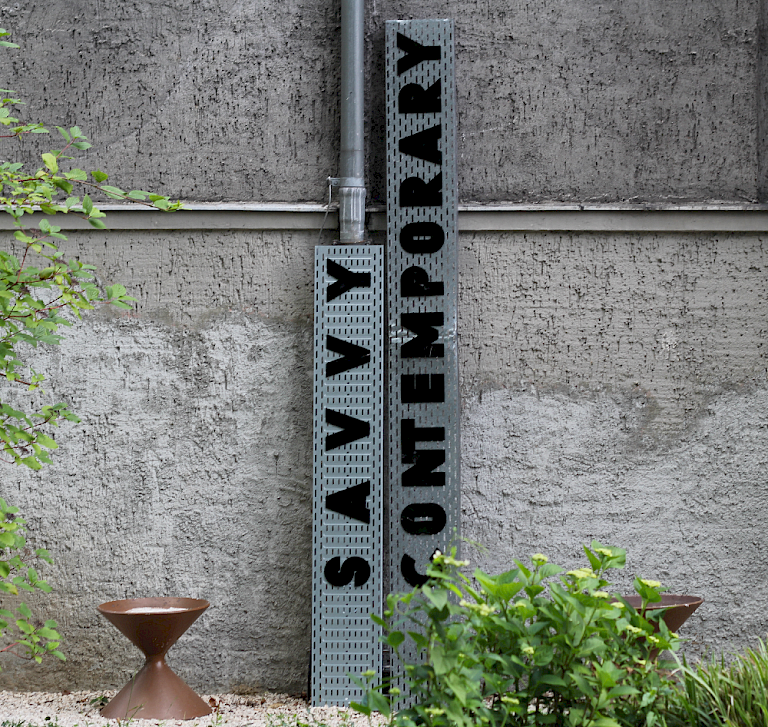
SAVVY Contemporary Residency
Berlin, Germany
The SAVVY Contemporary Residency in Berlin hosts national and international curators, artists, writers, thinkers, researchers, and cultural professionals for periods of at least 3 months, challenging residents to engage with Berlin’s socio-political context and explore trans-disciplinary issues beyond geographical constraints. Residents work from premises in a former power plant in Neukölln, offering workshops, seminars, or lectures, with accommodation in private rooms in a shared flat 500m away, though no production studios are available. The program emphasizes decolonial practices, public-oriented research, and topics like Afro-Pacific affinities and innovative exhibition-making, often through partnerships like REFLEKT for practitioners from Southeast Asia.
Schloss Balmoral
Bad Ems, Germany
The Artist Residency Schloss Balmoral, nestled in the scenic town of Bad Ems, Germany, is a prestigious program that has been nurturing the talents of visual artists, curators, and now educators from around the globe since 1995. Annually, the residency awards multiple fellowships across various disciplines, with each fellowship tailored to foster creative exploration within a thematic or genre-specific framework. Since 2013, these fellowships have been thematically aligned, encouraging residents to delve deep into specific artistic inquiries during their stay at the historic Schloss Balmoral. The residency is renowned for its support of artists at all stages of their careers, offering both 4-month and 8-month fellowships. Additionally, the residency provides a critical platform for artists at risk through a dedicated fellowship, affirming its role as a sanctuary for artistic expression.
TAKT
Berlin; Leipzig; Zeitz, Germany
TAKT Artist Residency is an independent arts organization based in Berlin, Germany, known for fostering the growth and exchange of artists internationally. Founded in 2007, it operates in the tranquil Prenzlauer Berg neighborhood, a hub of artistic activity and cultural exchange. The residency offers various programs, including artist-led critiques, studio visits, and German language classes, aimed at enriching the participants' experience. Artists benefit from both structured programs and the freedom to explore personal projects, culminating in a group exhibition. TAKT supports a diverse range of disciplines from visual arts to literature, promoting a vibrant creative environment. The residency aims to integrate artists into the local art scene, providing them with the tools and community needed to expand their practice.
The Bauhaus Lab
Dessau-Roßlau, Germany
The Bauhaus Lab, hosted by the Bauhaus Dessau Foundation, is a research program focusing on environmental design and pedagogy. It draws inspiration from the Institut de l’Environnement, established in Paris in 1969, which was a multidisciplinary education and research center addressing ecological crises. The program seeks to relate this historical pedagogical experiment to contemporary efforts in environmentally and socially just design education. Participants in the Bauhaus Lab, comprising scholars and practitioners from various disciplines, engage in collective research to examine the history, networks, and methodologies of the Institut de l’Environnement. The program includes field trips within Germany and Europe, with the foundation covering related costs. The Bauhaus Lab offers a three-month residency with free participation, 24/7 workspace access in the Bauhaus Building, and a daily allowance. The residency culminates in an exhibition showcasing the collective research. The program, conducted in English, requires full-time onsite presence and active contribution to the research. Applications are welcomed from diverse backgrounds, and the Bauhaus Dessau Foundation supports visa formalities for non-Schengen area applicants. The selection process involves a review by an international jury and subsequent interviews. The Bauhaus Lab encourages applications that have been marginalized in academic and cultural institutions.
Other disciplines in Germany
Curation residencies elsewhere
Attended a curation residency in Germany?
Share your review