
May 2026
What to Pack for an Artist Residency: A Practical Packing List for Painters, Writers, and Multidisciplinary Artists
Pack for the way you actually work, and you’ll arrive ready to make instead of spend your first two days hunting for tape, chargers, or a decent notebook.
An artist residency can feel like a reset button: new walls, new routines, new people, and a stretch of time that can be either generous or tight. Packing well helps you settle in faster, protect your energy, and start making sooner.
The aim is not to bring everything. It’s to bring a workable version of your practice — one that fits in a suitcase, a box, or the back of a car and still lets you do serious work.
Start with the residency itself
Before you pack anything, figure out what the residency already provides. That one step can save you from hauling the wrong things across town or across an ocean.
- What kind of studio space is included?
- Are there tables, easels, sinks, drying racks, lighting, or ventilation?
- Are basic tools available, like clamps, presses, sewing machines, printers, or projectors?
- Are there limits on solvents, aerosols, open flame, sharp tools, or noisy equipment?
- Are linens, towels, kitchen items, or cleaning supplies included?
If the residency handbook or host email mentions a tool you use every day, take that seriously. If success depends on a specific lamp, clamp, brush size, adapter, or software setup, bring it unless you know the residency already has an equivalent.
Build your list around how you actually work
A strong packing list usually starts with a simple rule: pack for your real studio habits, not your idealized artist self.
That means bringing the notebook you actually use, not the one you bought because it looked inspiring. It means bringing the brush sizes you reach for constantly, not a full case of options you may never touch. It means bringing the pen, cable, and mug that help your nervous system settle down when the room feels unfamiliar.
A useful way to sort everything is into five groups:
- Practice essentials — the tools you need to make the work
- Support tools — the things that keep the studio running smoothly
- Documentation and admin — what you need to track, save, and share the work
- Living essentials — clothing, toiletries, and comfort items
- Contingency items — backups, repair supplies, and problem-solvers
That structure keeps you from overpacking in one category and forgetting the small things that actually keep a residency moving.
Universal essentials for almost every artist
Studio and work basics
- Sketchbook or notebook
- Pencils, pens, erasers
- Ruler or measuring tape
- Tape
- Scissors or a utility knife, if allowed
- Portable task light or clip lamp if studio lighting may be poor
- Extension cord and power strip
- Containers for water, brushes, medium, or small tools
- Apron or work clothes
- Rags, wipes, or paper towels
- Zip bags or small organizers
Documentation and tech
- Phone or camera
- Chargers and a backup battery
- Laptop or tablet if you write, edit, archive, or communicate digitally
- External hard drive or cloud backup setup
- Printed residency info, directions, contact names, and emergency numbers
- Portfolio files if you’ll need them for critique, open studios, or presentations
Living and comfort items
- Reusable water bottle
- Weather-appropriate layers
- Comfortable shoes
- Toiletries
- Laundry supplies if needed
- Bedding or towel items if not provided
- A few grounding objects: tea, a book, headphones, a familiar scent, or a small personal item
Those last few things matter more than people admit. Residencies can be exciting, but they can also be disorienting. Small familiar objects make the space feel usable faster.
Packing list for painters
Painters need to think about surfaces, drying time, cleanup, and how much of the studio setup they can trust. The safest strategy is usually a lean kit with the exact materials you know you’ll use.
Painter essentials
- Paints you actually use
- Brushes in the sizes you rely on
- Palette
- Palette knife
- Canvas, panels, paper, or other supports
- Primer or gesso if your process requires it
- Brush cleaner, soap, or solvent, as permitted
- Masking tape or painter’s tape
- Disposable palette paper or mixing surfaces
- Drop cloth or old sheet
- Drying clips or supports if useful
- Protective apron or clothing
- Portable easel or tabletop support if the residency doesn’t provide one
For short residencies, fewer colors often help. You can mix more than you think, and carrying less means you spend less time managing materials and more time painting.
If your work depends on color accuracy, don’t assume the studio lighting will help you. A small task lamp with adjustable light can save you from a lot of guessing. If you work in oils or use anything with ventilation concerns, check the residency rules carefully before packing solvents or other restricted materials.
If you paint on paper, bring a firm board or other backing. If you transport wet work, think about protection and spacing before you leave home. A little planning there prevents a lot of heartbreak later.
Packing list for writers
Writers usually travel lighter in terms of physical materials, but a residency still works better when your writing setup is simple, stable, and ready to go.
Writer essentials
- Laptop and charger
- Notebook or two
- Favorite pens
- Headphones
- Printed drafts, outlines, or notes if you work better on paper
- Backup storage or cloud access
- External keyboard or mouse if you use them
- Index cards or sticky notes for structure and planning
- E-reader if you prefer digital reading material
Writers often do best with a clean, uncluttered setup. Bring the files you need offline in case the internet is unreliable. Bring a backup copy of anything you cannot afford to lose. If the residency includes a reading, critique, or presentation, make sure you have a polished version ready and saved in more than one place.
Books are easy to overpack. Bring only what you truly need. A residency is usually more productive when your luggage leaves room for thinking.
Packing list for multidisciplinary artists
When your practice moves across media, packing can get complicated quickly. The trick is to build a compact core kit that can flex.
Multidisciplinary essentials
- Sketchbook plus a note-taking system
- Modular tools that work across more than one process
- Tape, clips, and measuring tools
- Cutting tools, if allowed
- Glue or adhesive compatible with your materials
- Portable light source
- Extension cords and adapters
- Digital devices for documentation
- Sample materials, swatches, or test pieces
- Repair kit for equipment or wearable elements
- Fabric, paper, thread, wire, or other base materials specific to your practice
For installation-based work, think ahead about scale, wall mounting, storage, and transport. For practices that combine analog and digital tools, double-check every cable, charger, adapter, and memory card before leaving. Small technical gaps can stop a project cold.
Sample materials are often smarter than hauling huge quantities. Bring enough to test, adapt, and begin, then source more if you need it. That keeps your luggage lighter and your options open.
Smart ways to pack without overpacking
A residency rewards function over fantasy. Packing for the version of you who might suddenly become ultra-disciplined, hyper-minimal, and endlessly productive usually leads to clutter instead of momentum.
Try these habits instead:
- Bring backups for critical items. A spare charger, pen, USB cable, notebook, or lamp battery can save a day.
- Use clear containers or pouches. You want to find things fast.
- Separate daily-use items from backup items. That keeps the studio from turning into a rummage pile.
- Pack the smallest usable version of each tool. If a compact option works, choose that.
- Label what matters. This helps when you’re tired, busy, or sharing space.
One useful trick is to think in terms of “startup speed.” The fewer steps between arrival and first mark, the better. A residency is easier when you can open one bag and begin.
Common mistakes artists make
Most packing mistakes come from one of three places: overconfidence, over-optimism, or a fear of being underprepared.
- Bringing aspirational materials. If you do not normally use it, it probably does not need a seat in your suitcase.
- Assuming the residency has everything. Even excellent programs may not have your exact brush size, clamp, lamp, software, or adapter.
- Overpacking clothes and books. You usually need less variety than you think.
- Forgetting the small stuff. Tape, chargers, containers, and measuring tools often matter more than an extra sketchbook.
- Ignoring the local environment. Climate, insects, transport, and studio ventilation all affect what belongs in your bag.
- Skipping cleanup supplies. Rags, wipes, storage bags, and protective materials help you keep your space livable.
Also check for travel restrictions before you pack anything sharp, liquid, flammable, or hard to replace. Some materials are better sourced on arrival than transported.
Pack for the kind of residency you’re doing
The right packing list changes with the setting.
If you’re flying
- Prioritize compact, essential items
- Keep critical tools in your carry-on if possible
- Protect liquids and sharp objects according to airline rules
- Assume your checked bag could arrive late and pack a short starter kit
- Ship bulky materials only if the residency allows it
If you’re driving
- Use the car space for bulky supports, tools, or canvases
- Pack fragile things in bins or padded containers
- Bring a tote or folding cart if you’ll move materials around often
If you’re shipping materials
- Confirm what the host will accept and where it should go
- Label packages clearly
- Use sturdy packaging for leak-prone or fragile items
- Keep a contents list in case something gets damaged or delayed
If the residency is outdoor or site-based
- Add weather protection
- Bring sun protection and insect repellent if relevant
- Carry enough water
- Consider a backpack or other hands-free bag
- Pack a seat pad or compact stool if you’ll be working on the ground
Questions worth asking before you leave home
- What furniture and equipment are in the studio?
- Are there any material restrictions?
- Is there a communal tool library?
- What are the local weather and studio conditions?
- Will you need to transport work frequently?
- Are there public presentations or open studios?
- Can materials arrive ahead of time?
- Is there a nearby art store or hardware store?
Those questions tell you a lot about what belongs in your bag and what you can safely source later.
A simple starter packing list
For most artists
- Sketchbook or notebook
- Favorite pens or pencils
- Laptop or device if needed
- Chargers and backup battery
- Tape
- Scissors or utility knife if allowed
- Small ruler or measuring tape
- Water bottle
- Weather-appropriate clothing
- Toiletries
- Printed residency info
- Backup copies of key files
- One or two comfort items
For painters
- Core paints
- Brushes
- Palette and knife
- Supports
- Cleanup supplies
- Apron
- Portable lighting if needed
For writers
- Writing device
- Notebook
- Pens
- Headphones
- Offline drafts
- Backup storage
For multidisciplinary artists
- Modular tool kit
- Containers or organizers
- Adapters and cables
- Sample materials
- Repair items
- Documentation setup
The most useful residency packing list is the one that makes you calm enough to work. Keep it light, keep it specific, and keep it honest about how you really make things. Every residency teaches you something about your process, and your packing list gets better every time you use it.
Explore residencies
Ventspils House
Ventspils, Latvia
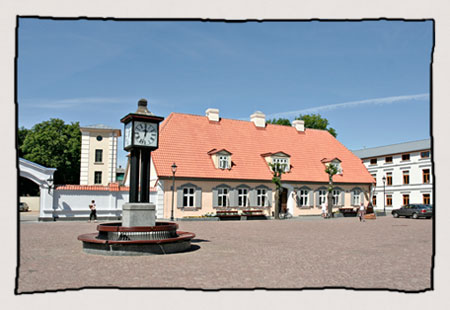
The International Writers’ and Translators’ House in Ventspils, Latvia, is a unique residency for professional authors, translators, and researchers connected to literature. The residency lasts for 4 weeks, providing a serene environment for creative work at a cost of €30 per week for accommodation. Each room in the house is equipped with private bathrooms, Wi-Fi, and essential amenities. Residents enjoy shared kitchen, library, laundry facilities, and bicycles. Applications are accepted anytime and reviewed every two months. Financial support includes a €320 grant post-taxes for selected residents.
Vermont Studio Center (VSC)
Johnson, United States
The Vermont Studio Center (VSC) stands as a vibrant creative sanctuary, offering residencies for artists and writers in the tranquil environment of Johnson, Vermont. Offering private studios and accommodation, VSC is dedicated to providing an immersive creative experience, enhanced by the presence of visiting artists and writers who contribute through talks, presentations, and one-on-one sessions. VSC prides itself on its commitment to inclusivity, with various fellowships targeted at supporting BIPOC artists, women, Native Americans, and writers of color, highlighting its dedication to fostering diversity within its community. The center also encourages community engagement through a Community Contribution Program, allowing residents to actively participate in the local and on-campus community. VSC’s facilities are tailored for a wide range of creative practices, including a print shop, digital lab, sculpture shop, and access to traditional craft media, emphasizing its role as a comprehensive hub for artistic development.

Cafe Tissardmine
Tissardmine, Morocco
Cafe Tissardmine offers a unique artist residency in the heart of the Moroccan desert, providing a serene environment for artists to explore and create. This residency is designed for artists seeking inspiration from the vast landscapes and profound silence of the desert. Up to nine artists at a time can enjoy a 24-day stay, with the opportunity to engage with the local village and its children. The residency emphasizes the importance of being resourceful and inventive due to its isolated location, limited internet access, and the need for artists to bring their own supplies. The program includes accommodation, meals, studio space, and a sunset trip to Erg Chebbi's giant dune, aiming to recharge and inspire artists away from the demands of modern life. The selection process is personal and prioritizes artists committed to the full residency length, with a fee of 950 Euro covering most necessities and activities designed to immerse artists in the desert experience.
More guides
Opportunity Intelligence
Ready to find your next residency?
Get a personalized shortlist — scored against your practice, discipline, and what you need right now.
See how Intelligence works →