
May 2026
How to Choose the Right Artist Residency for Your Medium, Goals, and Budget
A practical framework to help you pick residencies that actually support your work, not just your CV.
Start with what you actually want from a residency
Choosing a residency starts with your practice, not with a famous name or dreamy photos. Before you even open a directory, get clear on what you want this specific residency to do for you.
Common goals include:
- Producing a body of new work – finishing a series, a book, a film, a performance
- Experimenting with a new medium or process – trying ceramics, printmaking, sound, AR, etc.
- Researching a subject, place, or community – archives, fieldwork, interviews, site-specific work
- Gaining mentorship or critique – studio visits, tutorials, peer feedback
- Building your professional network – curators, writers, other artists, local communities
- Finding uninterrupted studio time – deep focus without daily-life logistics
- Preparing for a specific opportunity – exhibition, book, portfolio, grant, or application cycle
- Creative reset – stepping out of your routine to rethink your work
If your main need is quiet and time, a highly social, community-based residency may frustrate you. If you’re craving dialogue, a remote cabin may feel isolating. Clarifying your aim keeps you from chasing residencies that look impressive but won’t feed your work.
Quick self-check questions
- Do you need space, time, resources, community, or visibility right now?
- Do you want to finish a project or begin one?
- Do you work better in solitude or in a social environment with a cohort?
- Do you want a residency that encourages open exploration, or one with a specific theme or outcome?
Write down your top two reasons you want a residency. Use those as your filter for everything that follows.
Match the residency to your medium and working style
The biggest deal-breaker is often simple: can you actually make your work there? Many programs sound amazing but don’t realistically support certain media or processes.
Key questions by medium
If you work in painting or drawing:
- Is there enough wall space, natural light, or good artificial light?
- Are solvents allowed, and is there ventilation?
- Is the studio private, shared, or open-plan?
- Can you safely store wet work and materials?
If you work in sculpture or installation:
- What are the ceiling height, door width, and floor load limits?
- Is there access to tools, workshops, fabrication equipment, or technical support?
- Can you handle dust, noise, or heavy materials on site?
- Is there space for large-scale assembly and storage?
If you work in ceramics:
- Is there a kiln on site, and what kind (electric, gas, wood, soda, etc.)?
- Are there clay or glaze restrictions?
- How many firings are included, and are extra firings possible?
- Can you buy clay and materials locally, or do you need to ship them?
If you work in printmaking or book arts:
- Which presses, exposure units, or darkroom facilities exist?
- Are they set up for your specific processes (etching, litho, letterpress, screenprint, risograph, etc.)?
- Are basic materials included, or do you bring everything?
- Is training or technical support available if you’re using new equipment?
If you work in digital, video, sound, or new media:
- Is the internet reliable, and is the bandwidth enough for uploads, cloud work, or streaming?
- Are there editing stations, projectors, speakers, or recording spaces?
- Does the program provide any software licenses, or is it all BYO laptop?
- Is the space acoustically workable for sound recording or mixing?
If you are a writer or text-based artist:
- Is the environment quiet and distraction-free enough for deep reading and writing?
- Are there libraries, archives, or research resources nearby?
- Is there pressure to produce public-facing work, or is reading and drafting respected as work?
If you are interdisciplinary or experimental:
- Does the program welcome cross-disciplinary work, or is it medium-specific?
- Can you move between studio, digital, and research modes without friction?
- Are there collaborators or communities you can plug into if needed?
Always read the facilities section closely and, if anything is unclear, email the program and ask very concrete questions about your workflow.
Working style: social vs. solitary, structured vs. open
Residencies differ widely in how structured they are.
- Highly structured: regular critiques, visiting speakers, group activities, strong cohort culture.
- Moderately structured: some optional events, but plenty of solo studio time.
- Very open: here’s your key; you manage your own time completely.
Match this to how you actually work, not how you wish you worked. If you need external structure, a totally unprogrammed stay can feel overwhelming. If you guard your solitude, choose a place where social obligations are minimal and clearly optional.
Know the main residency models
Residencies come in many flavors, but thinking in models makes them easier to compare.
Studio-only residency
Provides dedicated workspace but not necessarily housing.
- Good for: artists who live locally or can arrange their own housing nearby.
- Ask: How many hours per week do you have access? Do you share the studio? Is it long-term enough to build momentum?
Live/work residency
Provides housing and studio together.
- Good for: full immersion, artists traveling from another city or country, longer projects.
- Ask: Is the housing private or shared? How far is it from the studio? What’s included day-to-day (kitchen, linens, laundry, etc.)?
Fully or partially funded residency
Covers some mix of housing, studio, meals, stipend, materials, or travel.
- Good for: artists who cannot self-fund, and projects needing significant time or resources.
- Ask: What exactly is funded? Are stipends paid on arrival or later? Are there extra expectations tied to funding (talks, workshops, community work)?
Fee-based residency
Charges artists a program fee, sometimes on top of travel and materials.
- Good for: specific locations, studio setups, or contexts that strongly support your project.
- Ask: Do the benefits justify the cost for your practice? Can you get external funding (grants, institutional support, crowdfunding)?
Thematic or curated residency
Organized around a theme, discipline, or curatorial focus.
- Good for: artists whose work clearly speaks to the theme and who want peers working around similar questions.
- Ask: Does your project deeply align with the theme, or are you stretching it? Is there pressure to deliver a final outcome on that topic?
Research-based residency
Emphasizes research, archives, fieldwork, and concept development over production.
- Good for: writers, socially engaged artists, conceptual practices, early-stage projects.
- Ask: Are research resources and contacts accessible? Is slow, less-visible work respected as output?
Community-engaged residency
Includes public programs, teaching, or collaboration with local communities.
- Good for: artists whose work grows through dialogue and participation.
- Ask: How many hours are expected for community work? Is it paid? Does it support or compete with your studio time?
Evaluate resources, not just reputation
A famous name doesn’t automatically mean a good fit. Focus on what you tangibly receive relative to what you need.
Space and access
- What is the studio size, and is it private or shared?
- Are there specialized facilities (woodshop, printshop, darkroom, dance studio, recording studio, digital lab)?
- Is the space accessible if you have mobility, sensory, or other access needs?
- How many hours per day is the studio available? 24/7 or limited?
Time and schedule
- Is the duration long enough for your process (short sprints vs. slow build)?
- Is the calendar packed with activities, or is there real uninterrupted time?
- Can you extend your stay or return in future cycles?
Funding and hidden costs
- Is the residency free, partially funded, or fully funded?
- What is covered: housing, studio, meals, materials, travel, stipend?
- Are there hidden costs like transport on site, shipping work home, local taxes, or required insurance?
Community and professional development
- Is there a cohort or are you mostly alone?
- Do they offer studio visits, critiques, or mentorship?
- Are there open studios, talks, or exhibitions?
- Does the residency have visibility with curators, institutions, or press that matter for your path?
Technical and emotional support
- Are there technicians or staff who actually support making, or are you on your own?
- Is there an orientation, basic pastoral support, or conflict resolution framework for shared spaces?
The question to keep asking: “Will this residency meaningfully support the specific project or shift I’m trying to make?”
Be honest about your budget
A residency is not just the program fee. It’s the full cost of pressing pause on your usual life and work.
Build a realistic budget
List everything you’re likely to pay for:
- Application fees
- Residency fee (if any)
- Travel to and from the location
- Local transport (bus, bike rental, taxis, car hire)
- Housing, if not included
- Food and daily living expenses
- Materials, tools, and printing or fabrication costs
- Equipment rental or shipping work and supplies in/out
- Insurance for travel, health, and artwork
- Visa or documentation costs if cross-border
- Lost income from time away from paid work
- Childcare, eldercare, or pet care while you’re gone
Questions that keep you out of financial stress
- What exactly does the residency fee include?
- What recurring costs will continue at home while you’re away (rent, studio, bills)?
- Can you realistically carry these costs without debt or panic?
- Do you need to secure grants, sponsorship, or savings before you apply?
A residency that looks inexpensive can become costly if it doesn’t cover meals, materials, or housing and causes a bigger loss of income than you planned for. Aim for opportunities where the artistic benefits clearly justify the financial stretch.
Treat location as part of the work
Location isn’t just scenery; it shapes what and how you make.
Questions about environment
- Climate: Can you work in heat, cold, humidity? Will materials behave differently?
- Urban vs. rural: Do you need city energy or rural quiet?
- Cultural context: Is your project in conversation with local history, politics, or communities?
- Language: Will you be able to communicate easily, especially for community-based work?
- Access to resources: Can you get supplies, printing, framing, technical help if needed?
- Proximity: Are there archives, museums, landscapes, or communities key to your project nearby?
Ask yourself honestly: Does this place feed the work you want to make right now, or is it more of a destination fantasy? Those can be valid, but they’re different goals.
Check the expectations and culture carefully
Residencies often ask for something in return: time, public presence, or specific outcomes. Some also have strong internal cultures that either suit you or clash with you.
Typical expectations
- Open studios or public events
- Artist talks or presentations
- Workshops or teaching
- Community collaborations
- Contributions to a publication, archive, or collection
- A final exhibition or sharing of work in progress
These can be fantastic for visibility and feedback, but they cost energy and time. Align them with your actual goals.
Questions to ask the program or past residents
- How structured is the daily or weekly schedule?
- Which activities are required, and which are optional?
- How are conflicts handled in shared spaces or communal housing?
- What kind of artists usually attend – experimental, traditional, academic, activist, a mix?
Look at the list of past residents, the organization’s language, and photos on their site or social media. You’ll often see clearly if your practice feels at home there.
Choose based on your current stage, not just ambition
Your needs at different moments in your practice won’t be the same, and that should inform which residencies you prioritize.
Early-career or changing direction
- Access to facilities you don’t have yet
- Supportive structure, feedback, and community
- Portfolio-building opportunities (open studios, small exhibitions)
- Shorter, lower-cost or funded stays to test things out
Mid-career
- Longer blocks of time for ambitious projects
- Specialized facilities or research access
- Space to pivot or deepen your practice
- Selective visibility that aligns with your trajectory
More established or institutionally active
- Highly specific facilities or geographic contexts
- Isolation to escape admin and public obligations
- Research time that isn’t output-driven
- Residencies that respect your autonomy and existing commitments
“Prestige” can be tempting, but a smaller, well-matched program often does more for your actual work than a big-name residency that doesn’t fit your medium, goals, or life situation.
A simple decision process you can actually use
To keep the decision manageable, treat each residency as something you actively evaluate rather than something you passively chase.
Create a quick comparison grid
For each residency you’re considering, jot down:
- Medium support and facilities
- Studio type (size, private/shared, access hours)
- Housing (included, shared, distance to studio)
- Funding (fee, stipend, what’s covered)
- Location (urban/rural, climate, context)
- Length of stay
- Expectations (talks, teaching, events, final show)
- Community (cohort size, vibe)
- Accessibility (physical and practical)
- Total estimated cost
- How well it matches your current goal (1–5)
Write your own “residency brief”
Before you apply, it helps to write a one-page note just for yourself that answers:
- What you need most (time, space, feedback, facilities, research, visibility)
- What you do not want (heavy teaching load, constant events, cramped shared studios)
- What you can realistically afford (money, time away from home, emotional energy)
- What you specifically want to make, test, or discover
Use that brief as a filter. If a residency scores high on your non-negotiables, it’s worth your energy. If it conflicts, it’s okay to let it go, even if it’s trendy.
Common mistakes to avoid
A few recurring traps are easy to sidestep once you see them.
- Choosing based on prestige alone: a famous program that doesn’t fit your needs can slow your practice more than a smaller, well-matched residency.
- Ignoring medium compatibility: applying to scenic but impractical residencies when your work needs serious infrastructure.
- Underestimating true cost: forgetting lost income, shipping, food, or ongoing bills at home.
- Misjudging social intensity: landing in a highly social place when you needed quiet, or vice versa.
- Treating it like a vacation: expecting rest and play only, then being surprised by expectations and structured work.
- Not reading the fine print: missing crucial details about fees, expectations, or restrictions on materials and processes.
- Applying without a clear project fit: selection panels want to see why you and that residency belong together.
What actually makes a residency “right” for you
For many artists, the most helpful residencies are not the most famous, but the ones where:
- Your medium is properly supported by the facilities.
- Your goals are realistic for the time and structure available.
- Your budget can handle the full cost, including life back home.
- The environment matches how you actually work and live.
- The program’s culture feels aligned with your values and way of making.
Use your practice as the measure. The residency should bend around your work more than your work bending around the residency. When a program clearly supports your medium, your goals, your working style, and your budget, that’s your signal to apply with full energy.
Explore residencies
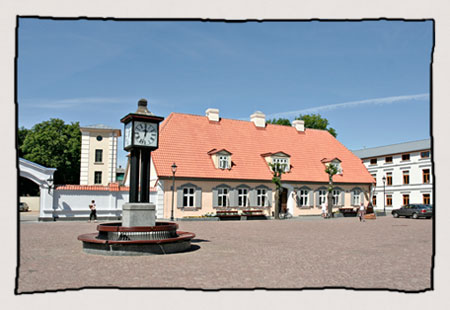
Ventspils House
Ventspils, Latvia
The International Writers’ and Translators’ House in Ventspils, Latvia, is a unique residency for professional authors, translators, and researchers connected to literature. The residency lasts for 4 weeks, providing a serene environment for creative work at a cost of €30 per week for accommodation. Each room in the house is equipped with private bathrooms, Wi-Fi, and essential amenities. Residents enjoy shared kitchen, library, laundry facilities, and bicycles. Applications are accepted anytime and reviewed every two months. Financial support includes a €320 grant post-taxes for selected residents.
Vermont Studio Center (VSC)
Johnson, United States
The Vermont Studio Center (VSC) stands as a vibrant creative sanctuary, offering residencies for artists and writers in the tranquil environment of Johnson, Vermont. Offering private studios and accommodation, VSC is dedicated to providing an immersive creative experience, enhanced by the presence of visiting artists and writers who contribute through talks, presentations, and one-on-one sessions. VSC prides itself on its commitment to inclusivity, with various fellowships targeted at supporting BIPOC artists, women, Native Americans, and writers of color, highlighting its dedication to fostering diversity within its community. The center also encourages community engagement through a Community Contribution Program, allowing residents to actively participate in the local and on-campus community. VSC’s facilities are tailored for a wide range of creative practices, including a print shop, digital lab, sculpture shop, and access to traditional craft media, emphasizing its role as a comprehensive hub for artistic development.
Cafe Tissardmine
Tissardmine, Morocco
Cafe Tissardmine offers a unique artist residency in the heart of the Moroccan desert, providing a serene environment for artists to explore and create. This residency is designed for artists seeking inspiration from the vast landscapes and profound silence of the desert. Up to nine artists at a time can enjoy a 24-day stay, with the opportunity to engage with the local village and its children. The residency emphasizes the importance of being resourceful and inventive due to its isolated location, limited internet access, and the need for artists to bring their own supplies. The program includes accommodation, meals, studio space, and a sunset trip to Erg Chebbi's giant dune, aiming to recharge and inspire artists away from the demands of modern life. The selection process is personal and prioritizes artists committed to the full residency length, with a fee of 950 Euro covering most necessities and activities designed to immerse artists in the desert experience.
More guides
Opportunity Intelligence
Ready to find your next residency?
Get a personalized shortlist — scored against your practice, discipline, and what you need right now.
See how Intelligence works →