
May 2026
How to Budget for an Artist Residency: Real Costs, Hidden Fees, and Funding Tips
A practical way to see the full price of a residency before you commit your time, money, and energy.
Artist residencies can give you what studio life often doesn’t: focused time, a change of scene, and a room to think. But the number on the website is only part of the story. The real question is what the residency will cost you once you add travel, food, materials, lost income, and the life you still have to keep running at home.
That fuller picture matters. A residency that looks affordable can become expensive fast if you miss work, pay for housing elsewhere, or have to ship tools and work home again. Budgeting well helps you choose with your eyes open, plan funding early, and avoid carrying financial stress into a place that’s supposed to help your work breathe.
Start with the full cost, not the listed fee
When you’re comparing residencies, separate the obvious costs from the hidden ones. The listed fee may be the smallest part of the total.
Direct costs
- Application fees
- Residency fee or tuition
- Travel to and from the site
- Local transit, car rental, fuel, tolls, parking
- Housing if it isn’t included
- Meals and groceries
- Materials and studio supplies
- Shipping for artwork, tools, or equipment
- Insurance
- Printing, documentation, and presentation costs
- Visa, passport, or entry paperwork if needed
- Childcare or caregiving while you’re away
Indirect costs
- Lost income from teaching, freelance work, gigs, or sales
- Rent or mortgage at home
- Utilities and subscriptions that keep charging while you’re gone
- Storage fees
- Pet care or school-related costs
- Time spent applying, preparing, and following up
That last category is easy to miss, but it can be the biggest one. If you usually rely on a mix of income streams, time away from them is a real expense, not a side detail.
Build an all-in residency budget
A useful budget asks one thing: what will this residency cost me from start to finish?
Use five basic questions:
- What do I pay to participate?
- What do I spend to get there and live there?
- What income do I lose while I’m away?
- What support do I receive in return?
- How do I cover the gap?
Once you answer those, you can compare residencies on a real basis instead of a hopeful one.
A simple way to organize your numbers
Make three columns in a spreadsheet: income/support, expenses, and notes.
- Income/support: personal savings, grants, stipends, scholarships, fee waivers, travel support, in-kind housing, meals, or materials
- Expenses: everything listed above, plus a contingency line
- Notes: what is confirmed, what is estimated, and what still needs to be asked
Then subtract confirmed support from total estimated costs. That number is the one to pay attention to.
The hidden fees that surprise artists most
Residencies often look straightforward until you factor in the stuff that doesn’t appear in the brochure.
Travel can cost more than the ticket
Flights, trains, or gas are just the start. You may also need baggage fees, transfers, parking, car rental, tolls, or an extra night in a hotel if arrival times are awkward. If you’re bringing tools, materials, or artwork, oversized luggage fees can change the math quickly.
Food is rarely as simple as “self-catered”
Some programs provide kitchens but no meals. In remote places, groceries may be expensive or hard to reach. If the residency is isolated, getting food can take more time and money than you planned for.
Materials add up fast
You may need specialized supplies that aren’t available locally, plus backups in case something breaks or runs out. If your practice depends on printing, fabrication, heavy tools, or fragile materials, include those costs before you commit.
Home doesn’t stop while you’re away
Rent, mortgage, storage, pet care, subscriptions, and childcare keep going. A residency away from home can be especially expensive if you’re maintaining two lives at once.
Lost income is real money
If residency time replaces paid work, treat that as part of the budget. The money you would have made teaching, freelancing, doing gigs, or selling work is not hypothetical. It is part of the cost of saying yes.
Questions to ask before you apply or accept
Good financial decisions usually come from asking plain questions early. If the website is vague, ask the program directly.
- What exactly is covered?
- Is housing private, shared, or off-site?
- Are meals provided, subsidized, or self-funded?
- What studio tools or equipment are included?
- Are there required deposits, taxes, or extra program fees?
- Is travel reimbursed?
- Are scholarships, fee waivers, or work-exchange options available?
- Is there a stipend or project support?
- What costs have past artists underestimated?
- What expenses will I still have at home while I’m away?
These questions can save you from getting in over your head. They also tell you a lot about whether a residency actually understands the people it serves.
Funding tips that make a residency more realistic
You do not need to fund a residency from one source. In practice, most artists stitch together support from several places.
Common places to look
- Personal savings
- Residency scholarships or fellowships
- Need-based fee waivers
- Travel grants
- Project grants from arts organizations or foundations
- Employer professional development support, if that exists in your job
- School or departmental support
- Crowdfunding or community donations
- Family or patron support
- In-kind help, like borrowed gear, donated materials, or airline miles
It also helps to ask whether support is partial or flexible. A residency may not offer full funding, but it might quietly have meal support, shared housing, or a materials stipend that changes the total enough to make it workable.
Make your own savings plan
If you’re aiming for a residency later on, set aside money in a separate account. A dedicated fund keeps residency savings from getting absorbed into daily spending.
- Estimate the total all-in cost
- Divide it by the number of months you have to save
- Set up an automatic transfer
- Keep the fund separate from emergency savings
That last part matters. Residency money and emergency money do not play the same role. If you’re dipping into your emergency fund to make a residency happen, the residency may be too soon or too expensive.
Don’t budget only for the residency itself
The best residency budget also accounts for the life around the residency. That means the costs of leaving, returning, and catching up.
- Time off work before departure
- Admin time for applications, visas, bookings, and packing
- Time after the residency to finish work, ship pieces, or report back to funders
- Possible catch-up costs at home if bills pile up while you’re away
If the residency asks for a project outcome, include the cost of documenting or presenting that work. Printing, installation materials, editing, or shipping can be easy to underestimate.
A simple sample budget structure
Use this as a starting point and edit it to fit your practice:
Income and support
- Personal savings
- Grant funding
- Residency stipend
- Scholarship or fee waiver
- Crowdfunding
- In-kind housing, meals, or materials
Expenses
- Application fee
- Residency fee
- Travel
- Local transit
- Meals
- Housing gap
- Materials
- Shipping
- Insurance
- Childcare or caregiving
- Home rent or storage
- Lost income
- Contingency
Total expenses minus confirmed income equals the amount you still need. That number tells you whether to keep planning, look for funding, or pass on the opportunity.
Budgeting mistakes that cost artists the most
- Assuming “free” means affordable. Travel, food, and lost income can still make a free residency expensive.
- Forgetting to value your own time. Time away from paid work is part of the cost.
- Leaving out home expenses. Your rent and bills do not stop because you’ve left town.
- Underestimating shipping and luggage. Tools and finished work are often heavier and pricier than expected.
- Not asking about support. Many artists miss scholarships or waivers simply because they never ask.
- Skipping a contingency line. Even a small buffer can keep a surprise from wrecking the plan.
A practical way to decide if the residency is worth it
Once you have the numbers, compare the residency’s total cost against the actual support it offers and the value it gives your practice. That value might be studio time, research access, community, a break from your usual environment, or a project you can only make in that setting.
If the cost is high, ask yourself a simple question: what would need to come out of this residency for the investment to make sense? If you can name those outcomes clearly, you’re in a better place to judge whether the program fits your needs and budget.
The aim is not to find a mythical free residency. It’s to choose one you can actually sustain. When you budget with the full picture in view, you give yourself a better chance of arriving focused, steady, and ready to work.
Explore residencies
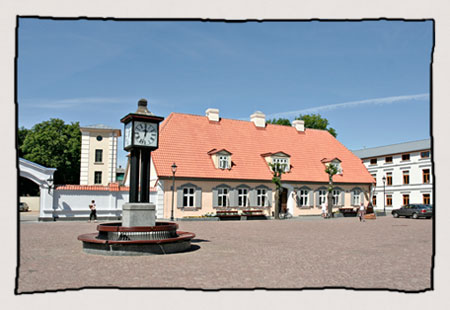
Ventspils House
Ventspils, Latvia
The International Writers’ and Translators’ House in Ventspils, Latvia, is a unique residency for professional authors, translators, and researchers connected to literature. The residency lasts for 4 weeks, providing a serene environment for creative work at a cost of €30 per week for accommodation. Each room in the house is equipped with private bathrooms, Wi-Fi, and essential amenities. Residents enjoy shared kitchen, library, laundry facilities, and bicycles. Applications are accepted anytime and reviewed every two months. Financial support includes a €320 grant post-taxes for selected residents.
Vermont Studio Center (VSC)
Johnson, United States
The Vermont Studio Center (VSC) stands as a vibrant creative sanctuary, offering residencies for artists and writers in the tranquil environment of Johnson, Vermont. Offering private studios and accommodation, VSC is dedicated to providing an immersive creative experience, enhanced by the presence of visiting artists and writers who contribute through talks, presentations, and one-on-one sessions. VSC prides itself on its commitment to inclusivity, with various fellowships targeted at supporting BIPOC artists, women, Native Americans, and writers of color, highlighting its dedication to fostering diversity within its community. The center also encourages community engagement through a Community Contribution Program, allowing residents to actively participate in the local and on-campus community. VSC’s facilities are tailored for a wide range of creative practices, including a print shop, digital lab, sculpture shop, and access to traditional craft media, emphasizing its role as a comprehensive hub for artistic development.

Cafe Tissardmine
Tissardmine, Morocco
Cafe Tissardmine offers a unique artist residency in the heart of the Moroccan desert, providing a serene environment for artists to explore and create. This residency is designed for artists seeking inspiration from the vast landscapes and profound silence of the desert. Up to nine artists at a time can enjoy a 24-day stay, with the opportunity to engage with the local village and its children. The residency emphasizes the importance of being resourceful and inventive due to its isolated location, limited internet access, and the need for artists to bring their own supplies. The program includes accommodation, meals, studio space, and a sunset trip to Erg Chebbi's giant dune, aiming to recharge and inspire artists away from the demands of modern life. The selection process is personal and prioritizes artists committed to the full residency length, with a fee of 950 Euro covering most necessities and activities designed to immerse artists in the desert experience.
More guides
Opportunity Intelligence
Ready to find your next residency?
Get a personalized shortlist — scored against your practice, discipline, and what you need right now.
See how Intelligence works →