Artist Funding in South Africa
Arts councils, grants, and funding bodies for artists
Arts & Culture Trust (ACT)
ACT is a long-standing public–private trust originally founded with support from government and corporate partners to fund arts and culture projects nationally. For visual artists, ACT periodically offers project grants, development programmes, and sometimes small bursaries or fellowships that support production, exhibitions, and skills-building. Grant amounts are typically modest to mid-range and often targeted at emerging and mid-career practitioners or community-based organisations.
Business and Arts South Africa (BASA)
BASA’s Supporting Grants programme, funded in part by the national department, helps leverage business sponsorships for arts projects across South Africa, including visual art exhibitions, festivals, and public art initiatives. To apply, you generally need an existing relationship with a business partner, and BASA contributes matching or seed funds rather than full project costs, often in the small-to-medium range. They focus on projects that advance mutually beneficial partnerships, audience development, and sector sustainability rather than purely artistic experimentation.
Department of Sport, Arts and Culture (DSAC)
DSAC is the national ministry responsible for arts and culture policy and occasionally runs its own grant schemes and relief funds for artists, festivals, and heritage projects. While most visual artists access DSAC support indirectly via the NAC and other agencies, the department periodically issues open calls for sector relief, flagship exhibitions, and national programmes that can fund production, outreach, or capacity building. These opportunities tend to be large-scale but episodic, and usually require a strong track record and clear alignment with national priorities.
Gauteng Department of Sport, Arts, Culture and Recreation – Arts Development Funding
The Gauteng provincial department offers grants and in-kind support for arts development projects in the province, including visual arts workshops, community exhibitions, and artist-run initiatives. Funding is typically aimed at organisations, collectives, and projects that benefit local communities, with modest to mid-level budgets. Applicants must be based in or primarily active within Gauteng and align with the province’s cultural and social development priorities.
National Arts Council of South Africa (NAC)
The NAC is the primary public arts funder in South Africa, distributing state funds to individuals and organisations for disciplines including visual arts, craft, design, and multi-disciplinary projects. Visual artists can apply for project funding (creation, exhibition, touring) and, if they run spaces or collectives, organisational support; project grants for individuals and small entities can be up to about R350,000, while organisational support can reach around R1,000,000. Funding is competitive and prioritises projects with strong community impact, transformation, and access outcomes.
National Film and Video Foundation (NFVF)
The NFVF is the main public funder for film and television, supporting script development, production, and post-production for documentaries, features, and shorts. While geared primarily to filmmakers, visual artists working with moving image, experimental film, or expanded cinema can access tiered funding through competitive calls. Grants range from development support to substantial production budgets, provided projects meet South African content and industry criteria.
National Library of South Africa (NLSA) – Documentary Heritage and Visual Collections Support
The National Library occasionally supports projects, exhibitions, and digitisation initiatives related to documentary heritage, archives, and visual collections, sometimes in partnership with other public funders. Visual artists working with archives, book arts, or documentary imagery may access opportunities via open calls or collaborations with institutions. Support tends to be project-specific and often routed through organisations rather than individuals.
National Lotteries Commission (NLC) – Arts, Culture and National Heritage Sector
The NLC distributes lottery-derived public funds to non-profit organisations for arts, culture, and heritage projects, including visual arts training programmes, community arts centres, and public art. Grants are generally project- or programme-based and can be relatively large compared with other local sources, but are only available to properly constituted NPOs rather than individuals. Visual artists often benefit indirectly through funded organisations that run residencies, workshops, or exhibition programmes.
South African National Association for the Visual Arts (SANAVA) – Residency and Support Programmes
SANAVA is a membership-based organisation representing visual artists and art societies and facilitates access to certain funded or subsidised residencies and exhibition opportunities, including South African participation in international studio programmes. While it is not a large grant-maker in the conventional sense, it helps channel public and partnered support into residency, exchange, and showcasing opportunities for South African visual artists. Support is often in the form of partially funded residencies or exhibition costs rather than cash grants.
Western Cape Government – Department of Cultural Affairs and Sport (DCAS) Arts Funding
DCAS in the Western Cape provides project and programme funding for arts organisations and initiatives, including visual arts projects, festivals, and youth development programmes. Support typically targets community-based and developmental work rather than individual studio practice and often requires non-profit or institutional status. Funding levels vary but are generally designed to co-fund projects alongside other public or private sources.
Artist Residencies in South Africa
14 residencies listed
Africa Centre
Cape Town, South Africa
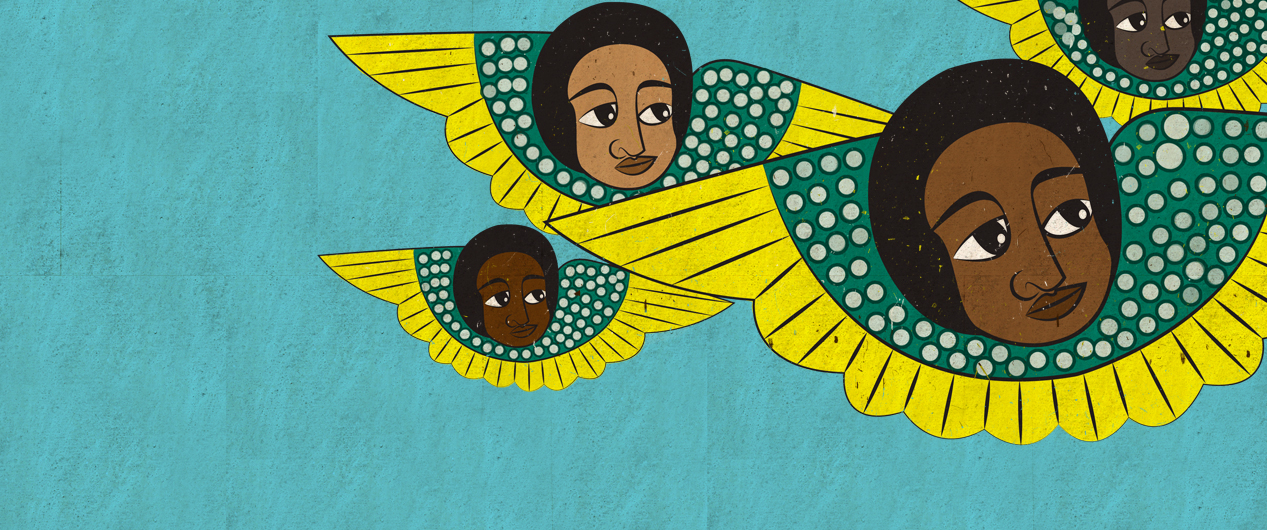
The Africa Centre's Artists In Residency (AIR) programme, established in , partners with artist residency programs globally to fund and support African artists across all artistic disciplines. The program covers all residency costs and round-trip airfare, allowing artists at various career stages to participate in short-term residencies that enable them to consolidate their work and develop new projects.
Bag Factory
Johannesburg, South Africa
The Bag Factory Artists' Studios in Johannesburg, South Africa, is a non-profit organization established in 1991 that provides studio spaces, residencies, exhibitions, and workshops for visual artists, fostering experimentation, innovation, and cultural dialogue. It offers residency programs including self-funded AIR residencies and fully funded opportunities through partnerships like the Triangle Network, where artists produce work, engage with locals, and culminate in open studios or exhibitions. Programs like Young/Unframed provide 3-month residencies pairing artists and curators to create new work.
Bodhi Khaya Residency
Stanford, South Africa
Bodhi Khaya Artist Residency is an annual two-week, funded residency created by and for artists, founded in to provide emerging and mid-career South African artists with opportunities to explore their relationship with the environment through creative practice. Artists immerse themselves across three neighboring nature reserves surrounded by Afro-montane forests and fynbos, with the land itself serving as a collaborator in their artistic exploration.
Cape Town Art Residency
Cape Town, South Africa
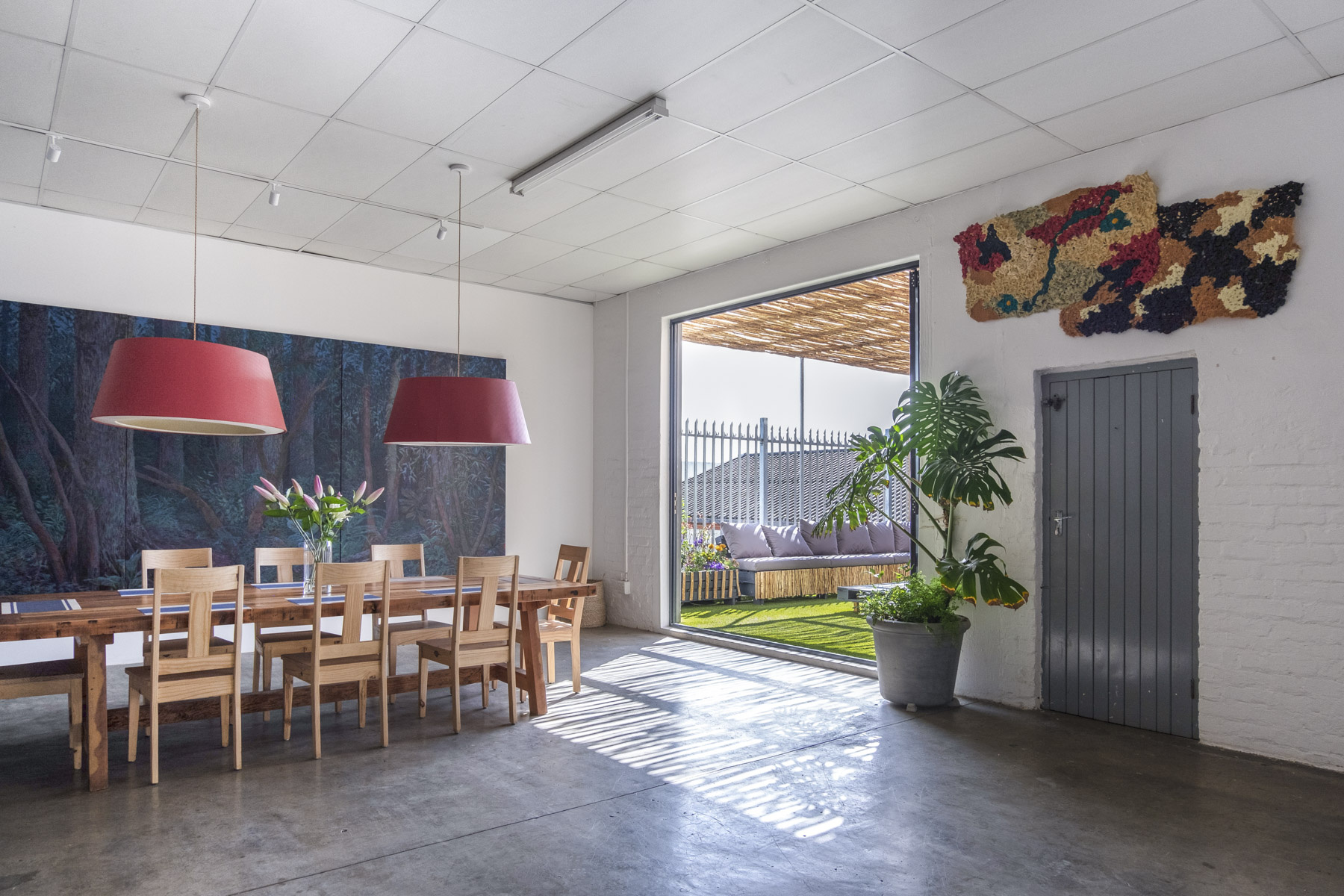
The Cape Town Art Residency is an invitation-only international program in Woodstock, Cape Town, supporting emerging and established contemporary artists from Africa and worldwide through creative production, cultural exchange, and networking with global art networks. It offers vast open studios, adjoining accommodation with kitchen and terrace, stays typically ranging from 1-3 months, and culminates in exhibitions for broader audience engagement.
Driftwood Studios
East London, South Africa
Driftwood Studios is a self-funded, low-cost artist residency program established in by sculptor George Kockott and his wife Claire, located in a natural coastal dune forest near East London, South Africa. It offers private and shared studios, workshops for sculpture, pottery, woodworking, metalwork, and a gallery space suitable for performers, hosting up to 5 artists with their families or partners. The program provides self-catering accommodation, mentoring, community connections, and access to local resources in an inspiring Indian Ocean setting.
Greatmore Studios
Cape Town, South Africa
Greatmore Studios is an artist-led residency program in Woodstock, Cape Town, South Africa, established in 1998 to provide studio spaces and foster collaboration between local and international artists from diverse cultural backgrounds. It offers residencies that encourage creative experimentation, professional development, and community outreach through exhibitions, workshops, and public events. The program supports both sponsored and self-funded artists with facilities including studios, exhibition spaces, and a digital resource center.