Artist Funding in Poland
Arts councils, grants, and funding bodies for artists
Fundacja GESSEL dla Zachęty (GESSEL Foundation for the Zachęta National Gallery of Art)
Working closely with Zachęta – National Gallery of Art in Warsaw, the GESSEL Foundation supports contemporary Polish artists through awards, competitions, and project funding connected to exhibitions and publications. Visual artists may benefit from purchase prizes, production support for new works, and visibility within major institutional programs. Support typically comes in the form of project and production funding rather than recurring stipends.
Fundacja Sztuki Polskiej ING (ING Polish Art Foundation)
The ING Polish Art Foundation is a corporate foundation that supports contemporary Polish visual artists mainly through acquisitions, commissions, and collaborative projects with institutions. It occasionally co-organizes open calls, competitions, or production grants, providing funds for the creation of new works and their presentation. While it does not run constant open individual stipends, it is a significant private actor in commissioning and promoting contemporary Polish art.
Instytut Adama Mickiewicza – I, CULTURE Orchestra / International Programs
Although primarily focused on music, the Adam Mickiewicz Institute’s international programs, including the I, CULTURE brand, illustrate a broader logic of supporting cross-border collaborations and mobility, which sometimes includes visual art components in larger interdisciplinary projects. These initiatives offer travel, residency-style support, and production budgets when visual arts are embedded in international cultural projects showcasing Polish creativity.
Instytut Adama Mickiewicza – Polish Culture Around the World
The Adam Mickiewicz Institute promotes Polish culture internationally and runs the "Polish Culture Around the World" program, which co-finances projects presenting Polish artists abroad. Visual artists can obtain support for exhibitions, presentations at festivals and biennials, catalogues, and related production and travel costs, usually in partnership with foreign or Polish institutions. Typical support may reach up to around 7,000 PLN or more per project, depending on scale and co-funding.
Miasto Gdańsk – Biuro Kultury (City of Gdańsk – Culture Office) and Gdańsk City of Freedom & Solidarity programs
Gdańsk supports visual arts and culture through project grants and scholarships that emphasize themes of freedom, solidarity, and contemporary social issues. Visual artists can obtain funding for exhibitions, site-specific projects, and socially engaged practices, often in cooperation with local institutions such as Laznia Centre for Contemporary Art or Gdańsk City Gallery. Grants typically cover production costs, artist fees, and basic promotion within the city.
Miasto Kraków – Wydział Kultury i Dziedzictwa Narodowego (City of Kraków – Department of Culture and National Heritage)
The City of Kraków runs grant programs and scholarships for artists living or working in Kraków, with a strong focus on visual arts, literature, and music. Visual artists can apply for project grants to realize exhibitions, public interventions, and cultural-education projects, as well as city scholarships that provide temporary income support to develop new work. Award sizes vary but are generally in the low- to mid-five-figure PLN range for one-year support.
Miasto Warszawa – Stołeczne Biuro Kultury (City of Warsaw – Culture Department) and Warsaw Culture Grants
The City of Warsaw provides substantial municipal funding for culture through open calls that visual artists can apply to as individuals, collectives, or via NGOs and institutions. Programs support exhibitions, public art, artistic research, and educational projects in Warsaw, with grants commonly ranging from a few thousand PLN for small initiatives to larger sums for multi-month projects. The city also supports residencies and international collaborations through institutions like Ujazdowski Castle Centre for Contemporary Art.
Ministerstwo Kultury i Dziedzictwa Narodowego (Ministry of Culture and National Heritage)
The Ministry of Culture and National Heritage is the main national public funder for the arts in Poland, running multiple grant programs and scholarships for artistic projects, cultural education, and infrastructure. Visual artists typically access funds through the annual grant schemes and individual artistic scholarships, often for production of new work, exhibitions, or research. Amounts for individual projects commonly range from several thousand PLN to tens of thousands PLN, with larger sums available when applying via institutions.
Narodowe Centrum Kultury (National Centre for Culture, NCK)
The National Centre for Culture administers nationwide programs supporting cultural projects, education, and artistic development, including calls that visual artists can enter directly or via institutions. It often funds exhibitions, participatory art, and interdisciplinary projects that engage local communities or address cultural heritage and contemporary issues. Grants are project-based and can cover production, promotion, and sometimes fees, typically in the range of several thousand to tens of thousands PLN.
Narodowy Instytut Muzyki i Tańca & Narodowy Instytut Fryderyka Chopina – regranting and mobility schemes (visual arts in interdisciplinary projects)
While centered on music and dance, national institutes such as the National Institute of Music and Dance often run regranting schemes and mobility programs that occasionally include visual artists in interdisciplinary or stage-related projects (set design, visual environments, multimedia). These programs provide travel and production support when visual artists collaborate with performing arts institutions or projects, typically covering project expenses rather than general living costs.
Zamek Ujazdowski – Centrum Sztuki Współczesnej (Ujazdowski Castle Centre for Contemporary Art) – Residency and Project Support
The Ujazdowski Castle Centre for Contemporary Art in Warsaw runs internationally recognized residency programs and project-based support for contemporary visual artists. Residencies offer accommodation, studio space, curatorial support, and often a production budget for new work, with open calls welcoming both Polish and international artists. Some programs are co-financed by EU or international partners, focusing on research, experimentation, and public presentation.
Artist Residencies in Poland
13 residencies listed
AIR Wro
Wrocław, Poland
AIR Wro is one of Poland's longest-running artist mobility programmes, developed as a legacy of Wrocław's European Capital of Culture designation. It supports Polish and international artists, curators, researchers, journalists, activists and animators through residencies and study visits, focusing on contemporary culture, urban issues, and international cultural exchange.
Baltic Gallery of Contemporary Art
Ustka, Poland
Cultural institution promoting contemporary art with three exhibition spaces. Organizes ~36 exhibitions yearly, lectures, workshops, and the Polish Biennale of Young Art 'Rybie Oko'. Hosts international artist residencies.

Fundacja Ziemniaki i
Jonkowo, Poland
Fundacja Ziemniaki i is an international cultural foundation dedicated to supporting early-career artists, designers, craftspeople, writers, and curators. The organization emphasizes the vital role of culture in addressing critical issues like climate change and social polarization. In collaboration with Stroboskop Art Space, they aim to strengthen the cultural sector in Central and Eastern Europe.
Goyki 3 Art Inkubator
Sopot, Poland
The AiR Goyki 3 Art Inkubator is a residency program run by Goyki 3 Art Inkubator, a local government cultural institution in Sopot, Poland, dedicated to visual arts, literature, performing arts, music, and science popularization. It supports research-focused projects engaging with Sopot's context, offering curatorial support, networking, and typically two-month stays in spring (April-June) or autumn (September-November). Residents must organize at least one public meeting related to their work.
Kham Art
Mielno, Poland
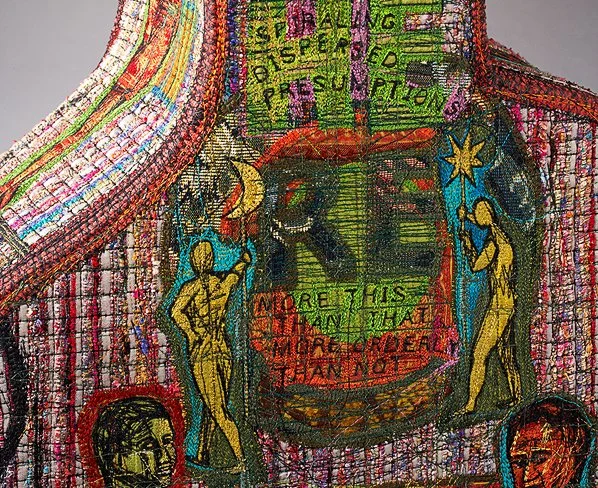
Kham is a multidisciplinary artist residency in Mielno, Poland, offering a safe creative space for musicians, performers, writers, painters, and philosophers from diverse cultural backgrounds. It emphasizes interdisciplinary collaboration, fresh air, and a serene environment to focus on artistic work.

Laznia Center for Contemporary Art
Gdansk, Poland
The Artists and Curators in Residence Program at Łaźnia Centre for Contemporary Art in Gdańsk, Poland, is dedicated to Polish and international artists, curators, and researchers across various disciplines, focusing on art in public space, art & science, international exchange, and education. Since , over 100 participants have engaged in residencies held in the converted top floor of the Łaźnia 2 building in Nowy Port, which includes living spaces, gallery, workshops, studio cinema, and library. The program features bilateral exchanges, an AIR Incubator for young artists, and open calls like those offering long-term research residencies with housing, per diems, and fees.