
May 2026
How to Write a Strong Artist Residency Application That Actually Stands Out
Practical, no-fluff strategies to help your residency application feel clear, specific, and impossible to ignore.
Why residency applications feel so high-stakes
An artist residency application isn’t just admin. It’s a compressed snapshot of your practice: what you make, why you make it, what you need, and why this particular residency is the right situation for your work.
Residencies can give you time, space, tools, community, and visibility. Because spots are limited, your application has to do a lot at once: communicate your artistic vision, show a good fit, prove you can actually use the time, and hint at where your work is heading.
The good news: you do not need fancy language or an epic CV to stand out. You need clarity, specificity, and a coherent story across your statement, proposal, and samples.
What selection panels are actually looking for
Residencies vary a lot, but most juries are quietly checking for the same core things as they read:
- Artistic clarity – Can they quickly grasp what your practice is about? What questions, themes, or methods are driving you right now?
- Fit – Does your work make sense in this place, with these resources and this mission? Or does it feel like a copy-paste application?
- Feasibility – Can you realistically do what you’re proposing in the time and conditions they offer?
- Voice and professionalism – Does the application feel thoughtful, proofread, and consistent across all materials?
- Potential – Will this residency actually move your work forward? Is there a clear trajectory they can support?
Keep these questions in the back of your mind as you write. Every section of your application is a chance to answer them.
Start with the residency, not your generic materials
Before you type a single sentence, research the specific residency:
- Mission and values
- Expectations (public events, teaching, open studios, final outcomes)
- Facilities, tools, and types of space
- Location and context (rural/urban, cultural, environmental)
- Past residents and projects
Then ask yourself:
- What do they clearly care about?
- How does your work naturally connect to that?
- What could you do there that you couldn’t easily do at home?
This research should quietly influence your artist statement, proposal, and even which images you submit. It should feel like an honest alignment, not a performance.
Write a clear, adaptable artist statement
Your artist statement is the backbone of the application. Panels usually skim this first to anchor everything else.
A strong, reusable statement should cover:
- What you make – mediums, forms, or types of projects
- Why you make it – themes, questions, obsessions
- How you work – processes, research, methods
- Where you’re heading – what you’re exploring next
To make it stronger:
- Be specific. Swap vague lines like “my work explores identity” with concrete descriptions: “my work uses family archives and urban signage to think through how migrant communities mark territory and memory.”
- Use plain language. Aim for something a smart non-artist could follow. Complex ideas are fine; tangled sentences are not.
- Stay focused on the work. Personal stories belong here only if they clearly shape the practice, not just to add drama.
- Edit for length. Most residency statements sit comfortably around 250–500 words unless guidelines say otherwise.
Once you have a solid “master” statement, lightly tailor it for each residency: emphasize the aspects of your work that connect most directly to that program’s context or focus.
Make your project proposal concrete and believable
The proposal answers the question: what will you actually do with your time there? This section often separates strong applications from the rest.
A compelling residency project proposal usually includes:
- A clear focus – one main project or research direction, not five competing ideas
- Specific goals – what you hope to complete, test, or develop during the residency
- Methods and materials – how you’ll work day-to-day
- Connection to the residency – why this environment, community, or equipment matters
- Scale that matches reality – appropriate to the length and resources of the residency
Compare these two approaches:
- Vague: “I will continue developing my painting practice and explore new ideas in a supportive environment.”
- Stronger: “During the residency, I will develop a series of ten mid-sized oil paintings based on field drawings made around the harbor. I’ll use the natural light in the studio and access to outdoor space to test how shifting weather conditions alter the color palette and composition.”
The second version gives the panel something to picture. It shows you’ve thought about the site, the timeframe, and a realistic outcome.
If the residency emphasizes community or public engagement, add a short, concrete section about that: for example, an artist talk, small workshop, open studio, or collaborative experiment that feels natural to your practice.
Curate your work samples like a mini-exhibition
Your images, videos, scores, or writing samples often carry the most weight. Panels use them to decide whether the rest of the application is grounded in real, committed work.
General guidelines:
- Quality over quantity. Submit your strongest recent work within the limits given, not a full retrospective.
- Alignment with your proposal. If you propose installation, include installation. If you’ll be writing essays, submit your best polished essays, not just notes.
- Clear documentation. Well-lit photos, readable PDFs, and properly exported video/audio files help reviewers actually see and hear the work.
- Strategic sequencing. Put one of your strongest pieces first; panels may not linger on every single file.
- Thoughtful captions. Use labels to give essential info: title, year, medium, dimensions/duration, and one short line of context if needed.
If your proposal stretches your practice into new territory, include at least some samples that show you can handle related skills or concepts. The panel is looking for evidence that your idea is a natural step, not a random leap.
Tailor your application without bending yourself out of shape
Customizing each application is necessary; changing your practice to fit every residency is not.
Good tailoring looks like:
- Mentioning specific facilities, archives, landscapes, or communities that are genuinely useful for your project
- Highlighting parts of your CV or practice that resonate with their mission
- Adjusting examples and emphasis in your statement and proposal to match their focus
Bad tailoring looks like:
- Dropping their buzzwords into your text without real connection
- Claiming a sudden interest in themes you’ve never explored in your work samples
- Promising community work you’re not actually prepared to do
Panels are usually very good at sensing when an application has been written specifically for them versus mass-distributed. Aim for honest alignment rather than performance.
Show you’ll contribute, not just consume
Residencies are more than free studio space; they’re communities, ecosystems, and relationships. Many programs want artists who will engage rather than hide the entire time.
You can show this without pretending to be something you’re not:
- Mention how you like to exchange with peers: critiques, studio visits, informal conversations
- Describe how you share your process: talks, workshops, zines, performances, open rehearsals, writing
- Show sensitivity to local context: willingness to learn from the place rather than use it as a backdrop
- Include relevant teaching, organizing, or collaborative experience if you have it
Even if your practice is solitary, a simple note on how you imagine interacting (or respecting quiet, shared space) signals that you understand the residency as a relationship, not just a transaction.
Make your writing easy to read under pressure
Panels often review dozens or hundreds of applications in compressed time. Your job is to make comprehension easy.
- Answer the question asked. If the prompt is about “community engagement,” don’t paste your generic project description.
- Use short paragraphs. Large blocks of text are harder to process on screens.
- Front-load important information. Make the first sentence of each paragraph actually say something.
- Respect word limits. Going way over suggests you struggle to edit; going way under can read as underdeveloped.
- Use consistent terms. Call your project the same thing everywhere so reviewers aren’t confused.
Think of your application as part of your artistic communication. The same clarity you bring to your work should show up in how you write about it.
Proofread like the details are part of the work
Typos won’t automatically sink you, but they create friction. Sloppy formatting or missing materials can.
Before you submit:
- Read your text aloud to catch awkward phrases and repetition
- Check names, titles, file names, and dates
- Confirm image specs, file formats, and naming conventions
- Make sure your statement, proposal, and samples tell the same story
- Use a checklist against the guidelines so nothing is missing
- Ask a trusted peer to review at least once if possible
Think of this as the final polish on a piece: you’ve already done the main work; now you’re cleaning the edges so the substance can actually be seen.
Build a reusable application toolkit
Residency applications get easier when you stop starting from zero every time. Create a simple folder system that you update a few times a year.
Useful components to keep ready:
- Short and long artist bios
- Master artist statement (with a few alternate versions for different mediums or themes)
- Project descriptions in different word counts (50, 150, 300 words)
- Up-to-date CV
- High-quality images and media with clear filenames and captions
- Common answers you can adapt, like “Why this residency?” or “How will you engage with the community?”
This toolkit saves time and energy, so you can spend more effort on the parts that really need customization: the proposal and the way you talk about fit.
Common mistakes that quietly weaken strong artists
Talented artists get rejected for fixable reasons. Watch out for these patterns:
- Generic applications. If your text could be sent to any residency, it probably doesn’t stand out to this one.
- Overloaded proposals. Trying to cram a full year of work into a short stay makes the panel doubt feasibility.
- All concept, no concrete detail. Reviewers need to know what you actually do with your hands, tools, time, and research.
- Writing to impress instead of communicate. Dense theory and inflated language can hide the real strength of your work.
- Ignoring instructions. Wrong file types, missing materials, or ignoring word limits are preventable red flags.
- Misaligned samples. Submitting work that doesn’t match your proposal makes it hard for the panel to trust the idea.
- Turning the statement into a full autobiography. Keep the focus on the work, not a life story that doesn’t clearly connect.
- Making unrealistic promises. Huge, resource-heavy projects in very short residencies read as naive, not ambitious.
Most of these issues are about clarity and alignment, not talent. That’s good news: they are fixable with time and attention.
Evergreen principles to keep you grounded
Residency trends and buzzwords will keep shifting. These basics stay useful:
- Clarity beats cleverness. Simple, accurate sentences do more work than ornate ones.
- Specificity is memorable. Concrete details help reviewers actually remember your application after reading dozens.
- Fit matters as much as prestige. A smaller residency that truly suits your work can be more impactful than a famous one that doesn’t.
- Strong samples are non-negotiable. No amount of good writing can fully compensate for weak or poorly documented work.
- Honest ambition is persuasive. Show how the residency will genuinely shift your practice, not just your CV.
- Consistency builds trust. When your statement, proposal, and portfolio tell the same story, panels relax into believing you.
Treat the application as part of your practice: another way you articulate your ideas, values, and direction. The more clearly you can show where your work is now and where it’s going, the easier it is for a residency to imagine supporting you there.
Explore residencies
Eutopia
Meteora, Greece
Eutopia Art Residency offers a unique opportunity for artists to immerse themselves in Greece's rich cultural and natural landscapes. Established in 2023, this residency has quickly become a hub for creative minds seeking inspiration, collaboration, and exploration. Eutopia Art Residency curates several thematic residencies across Greece, each designed to offer artists a different aspect of Greek life, from the tranquility of Meteora's monastic landscapes to the vibrant urban setting of Kavala. These residencies are open to artists from various disciplines, including visual arts, music, literature, and performance, providing a diverse and inclusive environment. With an emphasis on communal living and interaction with local communities, Eutopia Art Residency encourages artists to engage with Greece's cultural heritage, local artists, and Mediterranean cuisine. The program includes workshops, group exhibitions, and cultural excursions, enriching the residency experience. Artists are provided with accommodation, workspace, and logistical support to foster creativity and productivity. Despite its relative novelty, Eutopia Art Residency has successfully organized cultural events and residencies, facilitating a creative exchange that resonates with artists globally.
Argo Studios
Athens, Greece
An Argo Studios self-directed residency provides time and space to develop your practice in a social, supportive, and stimulating environment. They are open to artists, writers, performers, musicians, scholars, and any other creative discipline.
La Maison de Beaumont
Beaumont-de-Pertuis, France
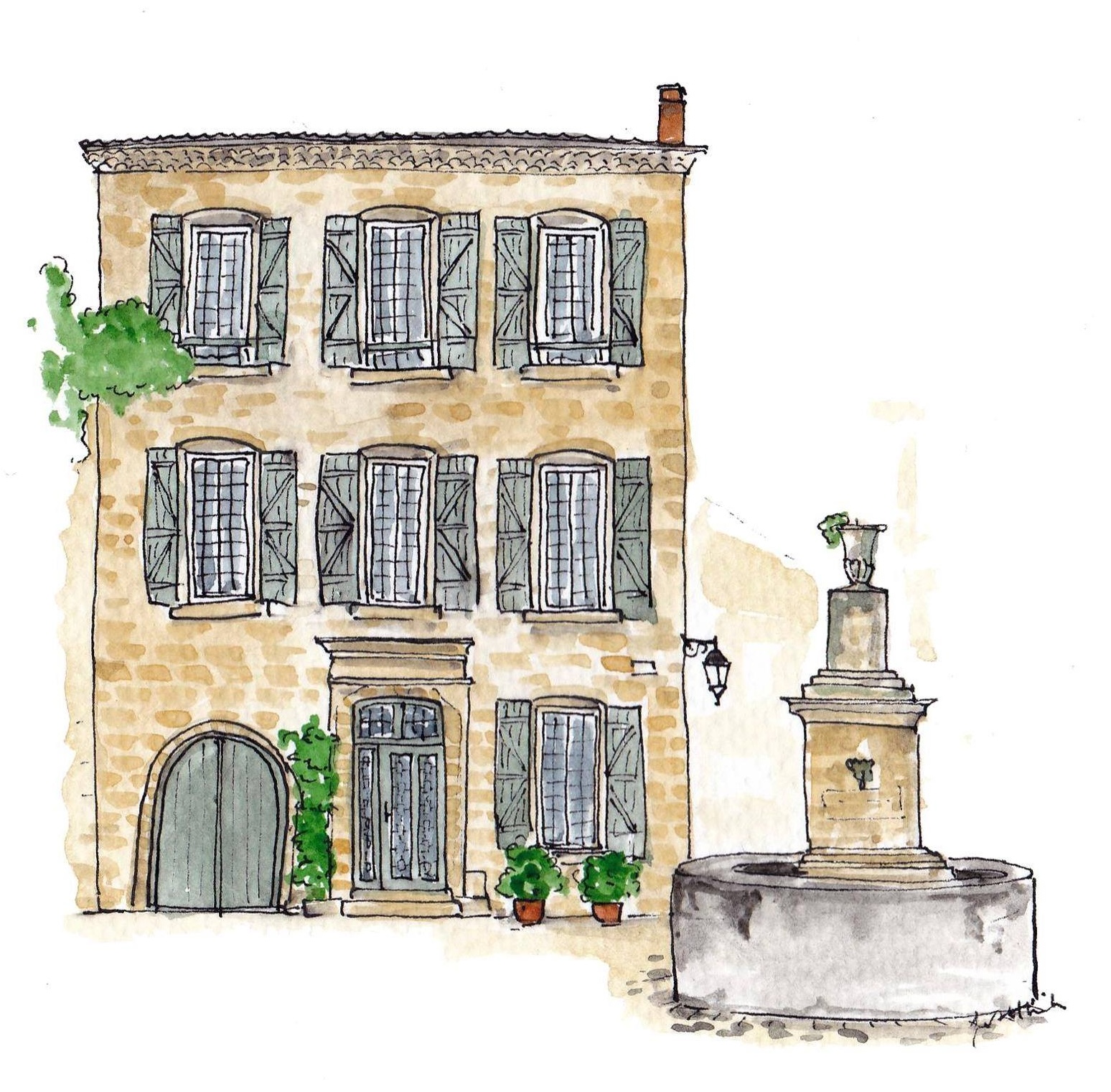
La Maison de Beaumont is an esteemed multi-disciplinary artist residency located in the picturesque Provence & Luberon region of the South of France. Established to provide artists from diverse disciplines—including musicians, scholars, writers, and painters—a serene environment to cultivate their creative pursuits, this residency offers fully-equipped private apartments and dedicated studio spaces such as the Music & Exhibition room and a Fine Arts Atelier. Residents can immerse themselves in the Provençal lifestyle, benefiting from the natural beauty and historical backdrop of Beaumont-de-Pertuis, which enhances their artistic and personal rejuvenation. The program accommodates artists for stays from 2 to 12 weeks, providing various studio and apartment options to suit different needs and budgets. Additionally, the residency fosters community engagement through collaborative spaces, cultural workshops, and local partnerships that facilitate creative exchanges among residents.
More guides
Application Studio · Coming soon
Get your application reviewed before you hit send.
Artist statement and portfolio feedback from working artists who've been through the selection process — returned within 48 hours.
From $39 per review. Join the waitlist to get early access.
Opportunity Intelligence
Ready to find your next residency?
Get a personalized shortlist — scored against your practice, discipline, and what you need right now.
See how Intelligence works →