March 2026
Navigating financial avenues: securing support for your artist residency
Discover essential strategies for funding your artist residency in our comprehensive guide. Explore options from stipend-based residencies to government grants, corporate sponsorships, and community fundraising. Learn how to navigate these financial avenues to support your creative journey and make your dream residency a reality.
AI-assisted content — reviewed by our editorial team
Getting Funded for Your Artist Residency in 2026
Hey fellow artist, an artist residency can give your practice that fresh spark—time to focus, a change of scenery, and room to experiment without daily distractions. I know the funding part can feel like the biggest hurdle, but there are solid options out there right now, with applications open through spring and into summer 2026. Let's walk through how to make it happen, from residencies with built-in support to grants that cover your costs.
Residency-Specific Funding: The Easiest Path
The simplest way to fund a residency is to target programs that include financial help upfront. This means no scrambling for separate cash—you get studio time, housing, and often a stipend all in one package. Many are international and open to artists at different career stages.
Stipend-based residencies offer a set amount for travel, materials, or living expenses, easing the load while you create. For instance, Studio By The Track’s Artist Residency in Alabama provides a $3,600 stipend plus a project budget, with a deadline of February 23, 2026. The Kimmel Harding Nelson Residency in Nebraska gives $175 per week for 2-8 weeks, including housing and a private studio (deadline March 1, 2026). And the Al & Mickey Quinlan Artist Residency in Wisconsin offers $500 during your stay from August to September 2026 (deadline April 17, 2026). These amounts help cover basics so you can settle in and work.
Fully funded residencies take it further, handling housing, studio, and stipends completely. The Roswell Artist-in-Residence Program stands out for international artists: a full year with monthly stipends, studio, housing, a solo show, and museum acquisition (mentioned in ongoing 2026 calls). In Switzerland, La Becque Artist Residency provides CHF 1,500 monthly (up to CHF 2,500 for groups) with a March 15, 2026 deadline. Check Res Artis for more fully funded spots themed around practices of resistance and repair in 2026. If you're looking for fee-free options, Reviewed by Artists lists them all in one spot—no application fees, just pure opportunity.
Grants to Cover Any Residency
Not every residency comes with funding, but targeted grants can make up the difference. These often support travel, living costs, or project materials, and many welcome residency proposals. Apply early, as cycles fill fast.
- The Pollock-Krasner Foundation offers grants to painters, sculptors, and artists on projects—including residencies—with no strings attached for those in financial need.
- Creative Capital provides $15,000-$50,000 unrestricted grants for new visual art works, perfect for residency-based projects (check their artist opportunities page).
- Foundation for Contemporary Arts gives emergency and project grants to support time away, like residencies.
- For international moves, DAAD in Germany funds artist stays and exchanges, often pairing with residencies.
- Pro Helvetia (Switzerland) supports Swiss and international artists with mobility grants for residencies abroad.
Country-Specific Funding for Global Artists
If you're based in or eligible from certain countries, national arts councils offer reliable residency support. These prioritize local talent but often include international components.
- Arts Council England funds UK artists for international residencies through grants like International Development.
- Canada Council for the Arts provides travel and project grants for Canadian creators heading to residencies worldwide.
- The Mondriaan Fund (Netherlands) offers stipends for Dutch visual artists to pursue residencies in Europe and beyond.
- Australia Council supports Australian artists with mobility funding for overseas residencies and development.
Pair these with platforms like Artwork Archive or ArtConnect to track deadlines—many residencies like Harvestworks ($5,000 commission for tech-art, starting 2026) or Res Artis list fresh calls weekly.
Tech and Emerging Artist Residencies with Pay
If your work touches tech, sound, or new media, specialized programs pay well. Harvestworks 2026 Artists-in-Residence gives U.S. artists $5,000 ($2,000 fee + $3,000 production) with studio access and tech support from February to December 2026. Dance folks, check Works & Process for paid week-long residencies outside NYC.
Institution-Specific Grants and Awards
Some residency programs have their own dedicated funding beyond general stipends. The Virginia Center for the Creative Arts (VCCA) offers the Alonzo Davis Endowment, which specifically supports artists of African and/or Latinx descent. The Oak Spring Garden Foundation runs an interdisciplinary residency program with comprehensive financial support covering all costs, including a grant for personal expenses. Research each residency's available funding carefully — these dedicated grants are often less competitive because fewer people know about them.
Corporate and Institutional Support
Funding doesn't always come from arts-specific sources. Businesses with an interest in arts and culture may sponsor artists directly, providing funding in exchange for branding visibility or corporate social responsibility goals. These sponsorships can sometimes cover the full cost of a residency.
If you're connected to a university — as a student, alumnus, or faculty member — check what arts funding your institution offers. Many academic institutions have dedicated funds for creative work, from travel grants to direct residency sponsorships. Alumni networks in particular often have underutilized arts funds that few people apply for.
Community-Based Funding
Don't underestimate the power of your local community. Hosting art sales, small exhibitions, or fundraiser events can generate meaningful funds while also building visibility for your work. Crowdfunding platforms like GoFundMe or Kickstarter work well when you frame the campaign around a specific residency and project — supporters want to know exactly what they're helping happen.
Reaching out directly to personal contacts, art collectors, or local patrons can also work. This isn't about asking for charity — it's about giving people who care about your work a way to invest in it. Document the residency publicly and give your supporters something back: studio updates, prints, or a first look at new work.
For fiscal sponsorship that makes your project eligible for tax-deductible donations, Fractured Atlas provides the infrastructure so individual donors can support you through a recognized nonprofit.
Tips from One Artist to Another
Start by matching your practice to the opportunity—review eligibility, like international vs. national, and deadlines (many cluster in February-March 2026). Tailor your application: strong artist statements, work samples, and a clear residency plan win panels over. Budget realistically—stipends rarely cover everything, so layer grants if needed. Platforms like Reviewed by Artists (especially their fee-free residencies page) save time hunting. Network on socials or forums; past residents share insider advice. You've got this—apply to 5-10 to boost odds, and celebrate small wins like a stipend that covers paint. Your residency awaits.
(Word count: 1,048)
Explore residencies
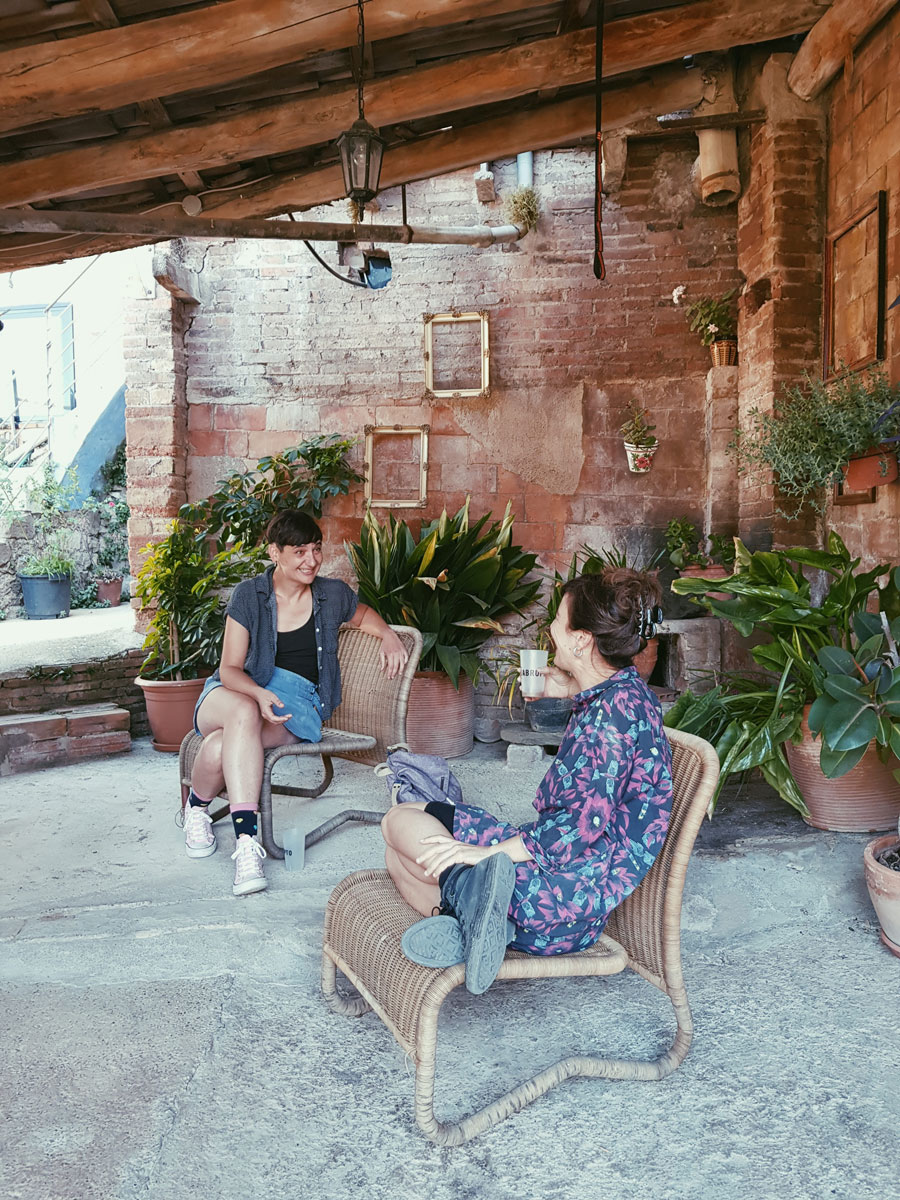
A cobert
Moià, Spain
Residències a cobert is an artist residency program in Moià, Spain, offering space and conditions for artistic and research projects in fields like visual arts, performing arts, literature, cinema, performance, science, technology, gender studies, and history, excluding musical projects. It supports small groups of 2-4 adults or creative collectives from any nationality, with stays of 1-8 weeks between March and October, including separate work space and housing. The program fosters dissemination, advice, and synergies with local cultural agents in a rural setting.
Kai residencia
Arin, Calca, Cusco, Peru
KAI is an artist and research residency in Arín, in the Calca Valley of Cusco, Peru, active since 2015 and oriented toward projects connected to the local community and environment. It accepts a broad range of creators, with an emphasis on exchange between international residents and the Sacred Valley context.
Itinera Arte
Rio de Janeiro, Brazil
The Itinera Arte Artist Residency offers an immersive and experimental environment for artists from diverse contexts and disciplines, fostering dialogue between contemporary practices and the historical and urban landscape of Rio de Janeiro. The program combines curatorial mentorship, collective exchanges, studio visits with Brazilian artists, field activities, and public exhibitions, encouraging the development of critical
More guides
Application Studio · Coming soon
Get your application reviewed before you hit send.
Artist statement and portfolio feedback from working artists who've been through the selection process — returned within 48 hours.
From $39 per review. Join the waitlist to get early access.
Opportunity Intelligence
Ready to find your next residency?
Get a personalized shortlist — scored against your practice, discipline, and what you need right now.
See how Intelligence works →