Multidisciplinary Residencies in Japan
16 residencies for multidisciplinary artists in Japan.
Browse real reviews from artists who attended multidisciplinary programs in Japan. Find the right residency for your practice.

Aomori Contemporary Art Center (ACAC)
Aomori, Japan
The Aomori Contemporary Art Center (ACAC) offers an Artist-in-Residence program titled "SPINNING SCAPES" that invites contemporary artists, curators, and researchers to engage deeply with their practices in a supportive and fully equipped environment. Located at the foothills of the Hakkoda Mountains in Aomori, Japan, the ACAC is celebrated for its distinctive architecture by ANDO Tadao and its integration into the lush local landscape, offering a unique space for creative exploration and public engagement. Residents at ACAC can participate in various lengths of stays, from two weeks to up to six two-week terms, depending on their project needs. The program is flexible, allowing for both in-person and remote participation. It encourages artists to immerse themselves in the local community and environment to inspire new "scapes" or perspectives within their work, whether through exhibitions, performances, or other collaborative projects. Key features include access to specialized workshops (engraving, silkscreen, ceramics, digital production, construction), a personal studio space, communal living areas, and exhibition opportunities. The residency is supported by a dedicated team, offering logistical, technical, and community engagement assistance, aimed at fostering meaningful cultural exchanges and expanding the artists' practices and visibility.
Arts Initiative Tokyo
Tokyo, Japan
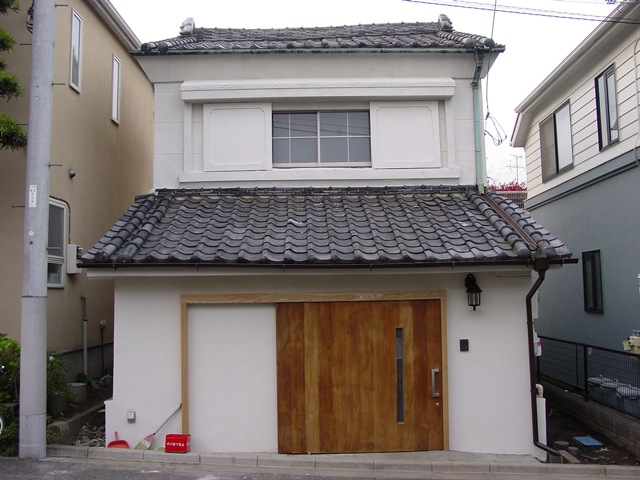
Arts Initiative Tokyo (AIT) is a residency program in Tokyo that hosts artists, curators, writers, educators, and practitioners for 1-3 month research-focused stays, emphasizing interdisciplinary work, international exchange, and connections to the Japanese art scene rather than production or studio work. It operates on a partnership model with international organizations, providing housing in a converted Japanese storehouse in Yukigaya or central apartments, and encourages participation in AIT's educational and dialogue activities. Recent themes include holism, well-being, climate crisis, art brut, spirituality, and alternative education.
Arts Itoya
Takeo, Japan
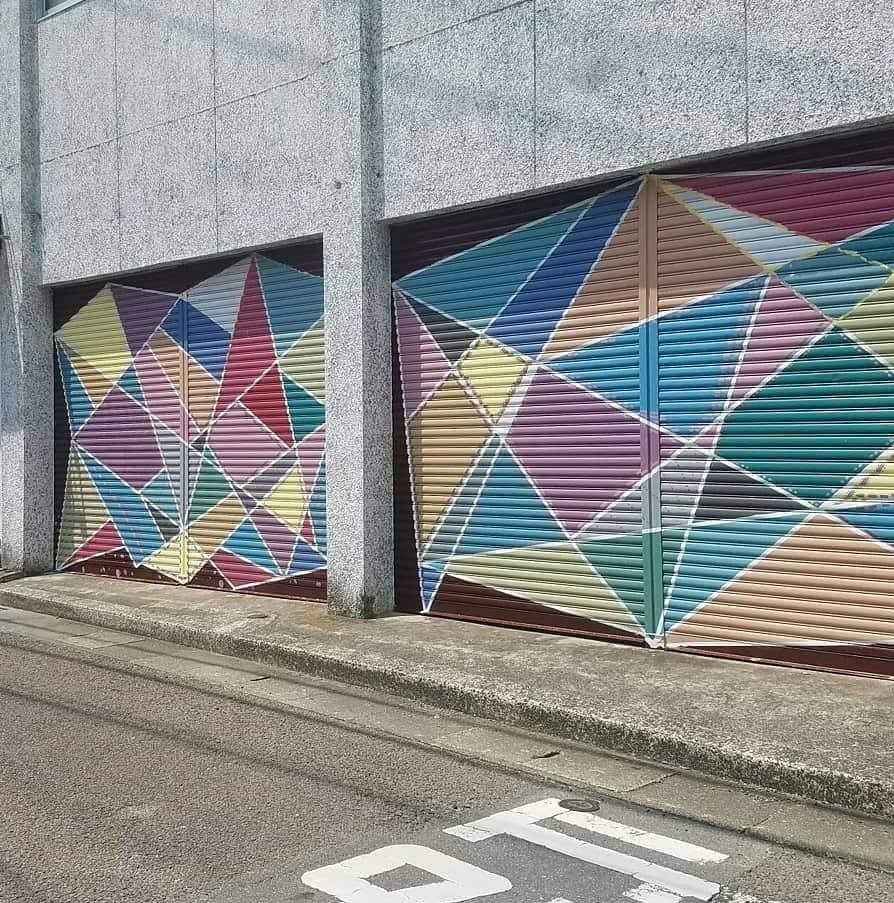
Arts Itoya is an artist residency located in Takeo, Saga Prefecture, Japan, established in 2018 after renovating an old kimono shop. The program, managed by Studio Kura, offers residencies for up to four artists at a time, with stays ranging from one to three months. Residents are provided with individual rooms in a shared traditional Japanese house, along with a partitioned studio space that also serves as an exhibition area. The residency emphasizes a balance between work and rejuvenation, with daily access to nearby hot springs (onsen) and electric bicycles for local transportation. Takeo, known for its rich cultural heritage, including ancient hot springs and its proximity to famous porcelain towns like Arita and Imari, provides a tranquil yet inspiring environment for artists. The residency fee is 100,000 JPY for a four-week stay, with deposits required upon acceptance. Artists are responsible for their own daily expenses, materials, and travel, and are encouraged to seek funding independently.
Awaji Art Circus
Awaji, Japan
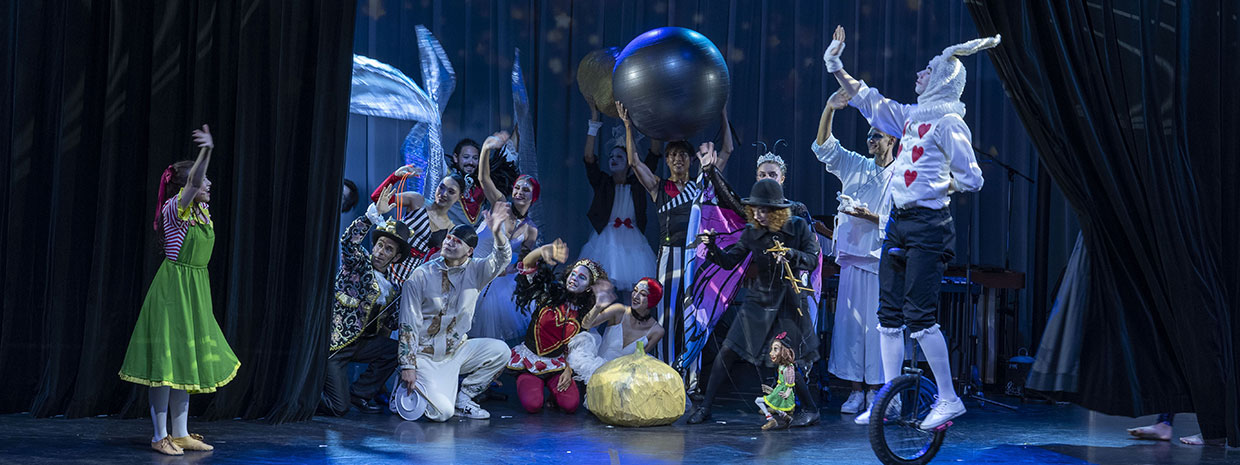
Awaji Art Circus (AAC) is an international performing arts festival held annually since on Awaji Island, Japan, that gathers talented performers in circus, dance, and other performing arts genres from around the world. The program focuses on regional revitalization through collaborative performances, cultural exchange, and opportunities for artists to engage with local musicians, dancers, and communities while experiencing Japanese culture.

Beppu Project
Beppu City, Japan
Beppu Project is a non-profit art organization founded in April that operates artist residency programs in Beppu City, a renowned hot spring area in southern Japan. The organization hosts the KASHIMA Artist in Residence program (since ) and short-term residencies at Kiyoshima Apartment, welcoming artists across multiple disciplines to create work while engaging with the local community.
Fukuoka Asian Art Museum Artist in Residence
Fukuoka, Japan
The Fukuoka Asian Art Museum Artist in Residence Program, started in 1999, invites local and international artists, including those from Asia, to stay in Fukuoka for 70-90 days to create and exhibit artworks such as paintings, sculptures, installations, photographs, films, and performances. Participants collaborate with local artists and the public, organize workshops and talks, and contribute to cultural exchange and understanding of contemporary Asian art. The program provides studio space in Artist Cafe Fukuoka and short-stay apartment accommodation, with financial support for one person per group in open calls.

Fusion
Kaga, Japan
Fusion is a multidisciplinary, cross-cultural artist residency located in Ishikawa, Japan. This immersive program brings together artists from various disciplines, including visual arts, performance, music, and dance, to create and collaborate in the serene setting of Kaga City, a traditional Japanese hot spring resort. The residency provides artists with shared accommodations, studio spaces, and event venues to showcase their work through exhibitions, performances, and collaborative activities. Participants engage with local culture, explore Japan’s natural beauty, and interact with fellow artists, creating a unique environment where tradition and contemporary artistic practices intersect. The program emphasizes collaboration, dialogue, and artistic experimentation, fostering a global exchange of ideas.
KAB Library and Residency
Tokyo, Japan
KAB Library and Residency is a membership library and artist residency program located in an old renovated folk house in Kyojima, Sumida-ku, Tokyo, operating as a guesthouse for international artists and curators to immerse in research and creation. Established in January by a private organization, it combines a mysterious library with lodging facilities in the heart of old Tokyo. Visitors are welcome by appointment only, with easy access from nearby stations like Keisei-Hikifune.
Kamiyama Artist in Residence
Tokushima, Japan
The Kamiyama Artist in Residence (KAIR) program, established in 1999, invites 3-5 artists annually to Kamiyama, Tokushima, Japan, for collaborative projects with locals, culminating in exhibitions, workshops, and open studios. Artists reside in provided two-story houses and studios, drawing inspiration from the town's natural surroundings and cultural heritage to create original works. A self-funded 'Bed & Studio' option is available outside the main September-November period.
Ma Umi
Ishigaki, Japan
MA UMI RESIDENCIES is a self-funded, not-for-profit international hub for artists and researchers located on the northern peninsula of Ishigaki Island, Japan, fostering experimentation with land, ocean, and local communities amid climate change concerns. It hosts one resident at a time for short-term stays of about 14 days, emphasizing fieldwork, interdisciplinary practices, and public presentations without being results-driven. Founded by artist and architect Valérie Portefaix, it includes sites like Green Rabbit, Pink Turtle, and Blue Seahorse, promoting sustainable ecological and economic models.

NPO ANEWAL GALLERY
Kyoto, Japan
NPO ANEWAL GALLERY in Kyoto, Japan, runs non-profit international artist residency programs such as Kyoto Kinugasa Art Residence for Community (KKARC) and AN AIR, welcoming artists, writers, curators, researchers, and educators worldwide for personal exploration, professional development, co-living, and community collaboration. These programs provide accommodation, workspaces or studios (including garage studio for visual artists), and facilitate connections with local culture, historical sites, galleries, and artists, often in partnership with Kyoto Art Center. Residencies emphasize interaction with the Kinugasa area community, urban planning insights, and broadening artistic viewpoints beyond disciplines.
Oharano Studio Gallery
Kyoto, Japan
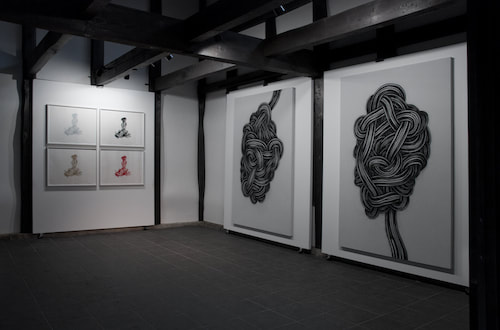
Oharano Studio Gallery in Kyoto's Oharano area offers artist residencies where participants engage with the region's rich nature, history, local research, and community exchanges to create artworks. Selected artists receive a free two-week stay, with their work featured in Don Magazine Issue 14, releasing September 20, . The program operates from an art studio space that doubles as a gallery for exhibitions.
PARADISE AIR
Matsudo-city, Japan
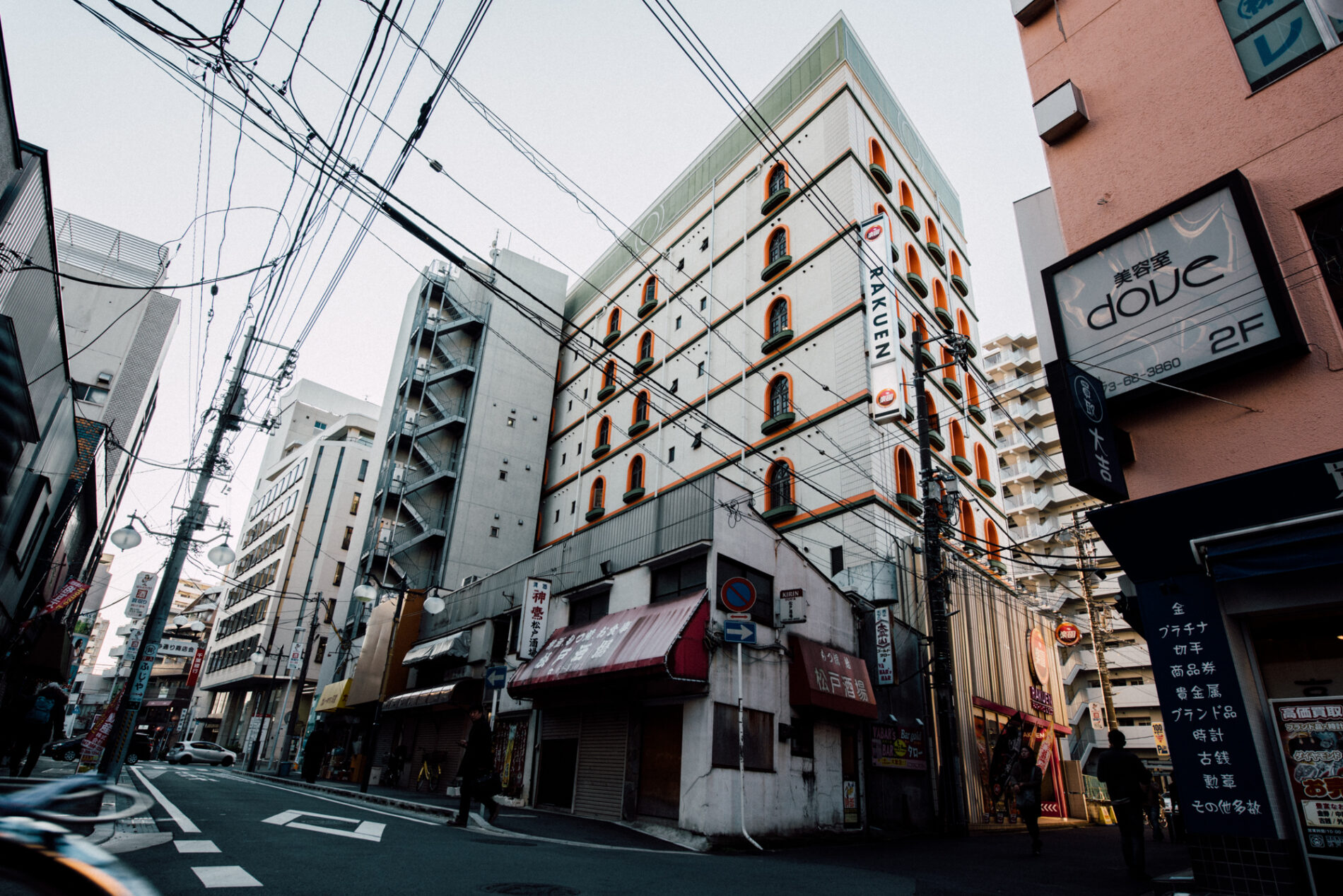
PARADISE AIR is an artist-in-residence program in Matsudo, Chiba Prefecture, Japan, housed in the vacant floors of a former hotel above a pachinko parlor, launched in to support artists, curators, and researchers. It offers three main programs: SHORTSTAY (about 3 weeks, open year-round), LONGSTAY (3 months with comprehensive support including travel and accommodation), and LEARN (fostering city interactions). The program aims to enrich Matsudo's culture through artist-resident collaborations.

Shiro Oni Studio
Fujioka, Japan
Shiro Oni Studio is an artist residency program in Onishi, Fujioka City, Gunma Prefecture, Japan, founded in by American artist Kjell Hahn to provide international artists with private studios, exhibition spaces, and opportunities for community interaction in a rural Japanese setting. Groups of 8-9 artists typically stay for 6 weeks, participating in workshops, local events, and a group exhibition while fostering cultural exchange. The program emphasizes individual work free from urban distractions, surrounded by mountains, and has hosted over 250 artists from 30 countries.

Space Department Nara
Nara, Japan
SPACE DEPARTMENT Nara is a design hub and artist-in-residence facility in the World Heritage city of Nara, Japan, welcoming artists, architects, designers, researchers, and students focused on spatial design, architecture, and creative activities related to 'space.' It supports residents in conducting research, creating works inspired by Japanese culture and philosophy, and presenting results through workshops, events, exhibitions, or talks to connect with local communities. Residencies typically last 1-6 months, with private accommodation and workspace provided for a fee, and no stipend offered.
The Kyoto Retreat
Kyoto, Japan
The Kyoto Retreat is an international residency designed for artists, curators, and writers seeking research and inspiration in Kyoto, Japan. The program offers participants a tranquil environment rooted in Japan’s cultural heritage, ideal for creative reflection rather than production. It emphasizes immersion in local traditions such as tea ceremonies, ikebana, and historical architecture. Participants are selected from all career stages and work across a wide range of artistic disciplines. The residency supports solo creative exploration, providing private accommodation in a shared house and a stipend for meals and local travel. Flights and local transportation are arranged for accepted residents, ensuring a smooth transition to the experience. While structured events are included, the residency encourages rest, cultural engagement, and self-directed discovery. The Kyoto Retreat champions inclusivity and maintains a supportive environment free from discrimination.
Other disciplines in Japan
Multidisciplinary residencies elsewhere
Attended a multidisciplinary residency in Japan?
Share your review