
City Guide
Wanhua District, Taiwan
How to use Wanhua as your base for residencies, research, and performance in Taipei
Why Wanhua works so well for artists
Wanhua is Taipei’s oldest district, and you feel it on the street level: dense alleys, long-running shops, stacked temples, and everyday life happening right out in the open. For artists, that mix is gold. You get a strong sense of place, serious history, and plenty of situations where your work can actually meet people, not just galleries.
Three things stand out immediately:
- Strong local character: You’re working in the middle of markets, tea houses, temple courtyards, small bars, and family businesses. If you do site-specific, social, documentary, or performance work, the district gives you endless material.
- Community context: Wanhua has a long tradition of community groups, temple associations, and neighborhood initiatives. Residencies and artists who show up with respect and curiosity usually find partners and collaborators.
- Central but more affordable: Taipei isn’t cheap, but Wanhua is usually more approachable than glossy business districts. You still get great transit access while keeping rent a bit more realistic.
On top of that, Wanhua’s cultural hybridity is very real. Heritage sites sit next to youth culture, night markets, and contemporary art projects. You can walk from a temple festival to a dance rehearsal, then grab a late-night noodle bowl and still be back in your studio quickly.
Key residency: Shinehouse Artist-in-Residence in Wanhua
The main dedicated residency base in Wanhua itself is the Shinehouse Artist-in-Residence, based at Shinehouse Arts Village in Tangbu Cultural Park.
What Shinehouse is
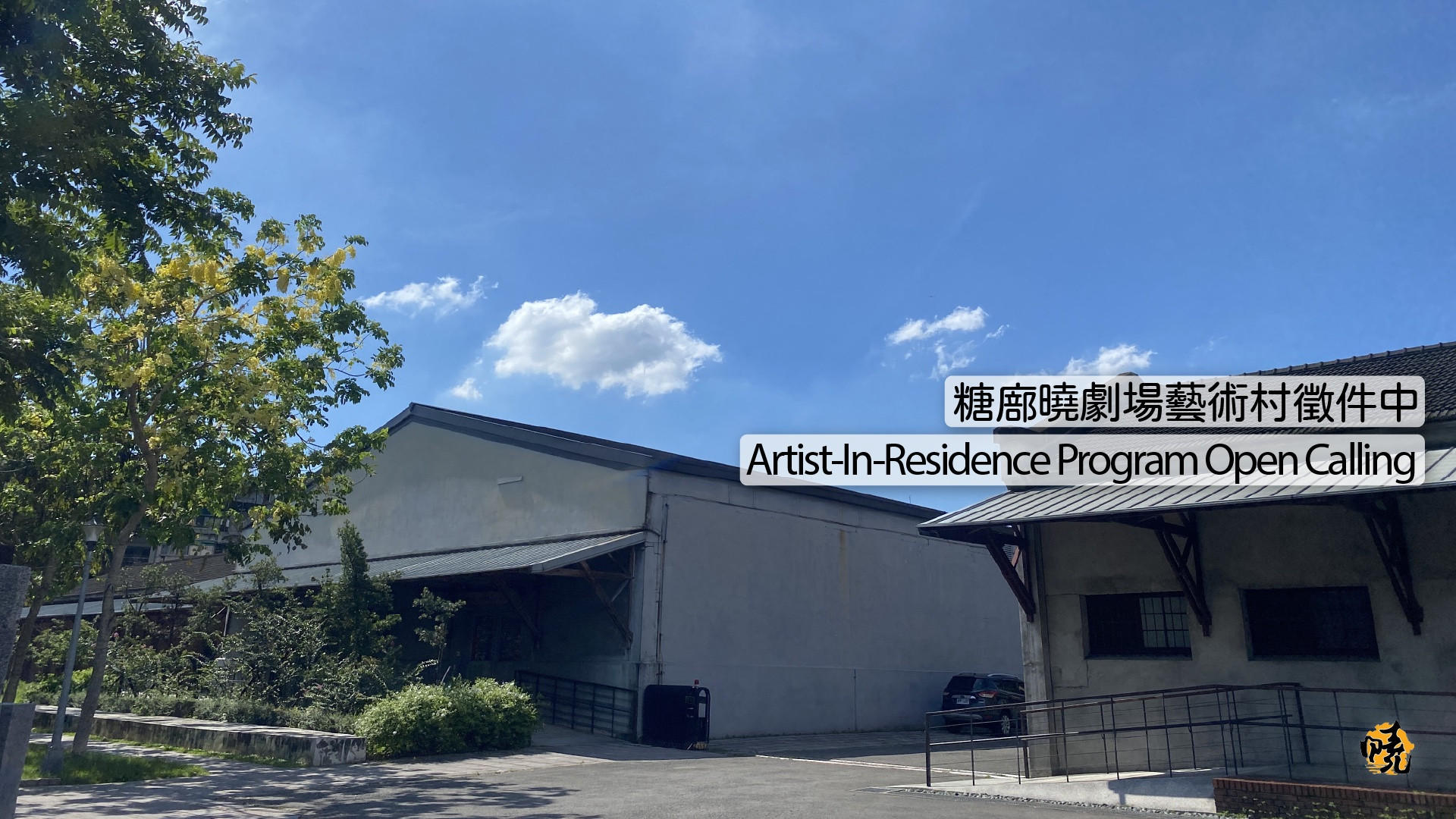
Shinehouse Arts Village is located in a former Taipei Sugar Refinery site in Wanhua, now part of Tangbu Cultural Park. The residency is described as Taiwan’s first experimental base focused on dance and physical creation, with a strong link between performing arts and local communities.
The Shinehouse Artist-in-Residence program typically offers:
- Residential space for selected artists
- Studios or rehearsal spaces for dance, performance, and physical practices
- Opportunities for dialogue and collaboration with local communities in Wanhua
- A platform for domestic and international artists working in performance-related fields
It’s not just a place to rehearse behind closed doors. The whole point is to link movement-based work with the surrounding district, so site research, community workshops, and public showings often sit at the center of what you do.
Who Shinehouse suits best
You’ll probably feel at home here if you are:
- A dancer or choreographer
- A physical theater or performance artist
- Working in body-based research or somatic / experimental movement
- Interested in community engagement, outdoor performance, or site-responsive work
If your practice needs sprung floors, rehearsal time, and peers who are also wrestling with bodies in space, Shinehouse is a strong anchor in Wanhua.
How Shinehouse connects to the local context
Shinehouse sits inside a heritage industrial site, surrounded by residential streets. That gives you multiple layers to work with:
- Industrial history: The old sugar refinery context is a good entry point for research on labor, industry, and transformation in Taipei.
- Neighborhood life: You’re close to everyday Wanhua street life, so audience and collaborators don’t have to travel far. Community members may just walk past your rehearsals or open studios.
- Public presentation: Depending on the project, you can often use park spaces, semi-public areas, or nearby community venues to present work.
Shinehouse is especially useful if you prefer to embed your work in a specific neighborhood instead of hopping between distant sites.
Using Taipei’s broader residency ecosystem from Wanhua
Even if your main base is in Wanhua, the wider Taipei residency ecosystem will shape your experience. Two names matter a lot: Artist-in-Residence Taipei (AIR Taipei) at Taipei Artist Village and Treasure Hill Artist Village, plus the national resource Arts Residency Network Taiwan (ARNT).
AIR Taipei: Taipei Artist Village & Treasure Hill Artist Village
Artist-in-Residence Taipei (AIR Taipei) runs two major sites: Taipei Artist Village (TAV) and Treasure Hill Artist Village (THAV). While they’re not in Wanhua, they’re close enough that many artists living or working in Wanhua still plug in there.
What AIR Taipei generally offers:
- Living quarters and studios for visual and interdisciplinary artists
- Dance studio, piano room, darkroom, photo and recording facilities, wood workshop (primarily at TAV)
- Rehearsal rooms and exhibition spaces (including outdoor areas at Treasure Hill)
- Open studios, exhibitions, talks, workshops as part of their public program
- International exchange opportunities with partner institutions abroad
TAV sits in a centrally located government-office district; Treasure Hill is in a historic hillside settlement near Gongguan, both easily reached from Wanhua by MRT and bus.
How AIR Taipei complements Wanhua
If you base yourself in Wanhua or at Shinehouse, AIR Taipei can still matter to you in a few ways:
- Networking: Residency cohorts at TAV and Treasure Hill are often up for collaborations, shared events, and cross-visits.
- Facilities: If you need a specific facility (darkroom, wood workshop, recording studio), you might build connections that open doors to those spaces.
- Exhibitions and talks: Checking their events is a quick way to understand how artists in Taipei are approaching the city.
Think of Wanhua as your field site, Shinehouse as your core base if you’re performance-focused, and AIR Taipei as a larger platform for exchange and presentation.
Arts Residency Network Taiwan (ARNT)
The Arts Residency Network Taiwan (ARNT) site gathers residencies and policy information across Taiwan. It’s not Wanhua-specific, but it’s useful when you want to string together multiple residencies or plan a longer Taiwan stay around a Wanhua-focused project.
Use ARNT to:
- Survey other Taiwan residencies that might connect conceptually with your Wanhua work
- Understand how different programs handle housing, stipends, and exchange
- Read artist reports to see how others structure their time in Taiwan
Neighborhoods and daily life: where to stay, work, and wander
Wanhua is compact enough to walk across, but each pocket has its own feel. Choosing where you stay will affect your project, especially if you’re doing local research or community work.
Key areas in and around Wanhua
- Ximending / Ximen area
Known for youth culture, shopping streets, and nightlife. Lots of foot traffic, bright signage, and performance-friendly public spaces. Good if you want contemporary street culture and easy MRT access (Ximen Station). - Longshan Temple area
Classic Wanhua atmosphere: historic temples, older apartment blocks, traditional shops, and a slower pace tucked between busy streets. Strong choice if your work connects with ritual, religion, or heritage. - Bopiliao and nearby historical lanes
Renovated heritage blocks that sometimes host art and cultural events. Useful if you’re thinking about site-specific installations, photography, or historical narratives. - Border with Zhongzheng near Taipei Main Station
Practical if you need to move around the city or region frequently. The atmosphere is more transit-oriented but can work as a functional base.
Cost of living basics
Actual numbers change over time, but you can assume:
- Housing: Rooms in shared apartments are usually the most economical option in central Taipei. Small private studios cost more, especially near MRT stations or tourist-heavy areas like Ximending.
- Food: If you mostly eat at local eateries, markets, and night-market stalls, you can keep food costs surprisingly manageable. Cooking at home with market ingredients helps too.
- Transport: MRT and buses are inexpensive relative to many global cities. A transit card makes daily travel simple.
- Studios: Dedicated studio rentals in Taipei can be scarce and pricey in central districts. Many artists rely on residency studios, short-term rehearsal rentals, or working from home with field work outside.
For short stays, artists usually rely on residency housing, shared flats, long-stay guesthouses, or small rooms near MRT lines to reduce commute time.
Studios, art spaces, and where work meets audience
Wanhua is not packed with commercial studios and white-cube galleries, but that can be an advantage if your work leans toward public space, performance, or community engagement.
How artists use Wanhua as a workspace
- Residency studios: If you’re with Shinehouse, your main rehearsal and studio needs are likely covered inside Tangbu Cultural Park.
- Public urban space: Temples, plazas, markets, alleys, and small parks become informal stages and research sites (with good communication and permissions).
- Community venues: Local community centers, schools, or associations sometimes host workshops or small sharings when approached properly.
For visual artists without a residency-provided studio, Wanhua works well if your process includes photography, drawing, writing, or location-based research. You can then present larger works in other parts of Taipei.
Nearby spaces outside Wanhua worth knowing
- Taipei Artist Village (TAV)
Useful for networking, seeing exhibitions, and accessing facilities through programs or partnerships. - Treasure Hill Artist Village (THAV)
Historic hillside community with studios and exhibition spaces. Strong for artists interested in informal architecture, urban change, and community arts. - Independent studios and rehearsal rooms
Scattered across central Taipei; these can be rented by the hour or day for dance, theater, or music projects. - University-linked spaces
Some universities and art schools in Taipei rent studios or rehearsal spaces, especially outside peak class times.
With Wanhua as your base, you can reach most of these in under an hour using MRT and buses.
Transport and getting around
Transit is one of Taipei’s strengths, and Wanhua is well plugged in.
MRT and rail
Key stations for artists staying or working in Wanhua include:
- Ximen Station: Direct access to the Ximending area and a quick transfer point to reach stations near TAV or Taipei Main Station.
- Longshan Temple Station: Right in the older part of Wanhua, with temple and market life just outside the gates.
- Taipei Main Station (nearby): Major transport hub for regional trains, high-speed rail, buses, and several MRT lines.
For most art-related trips in Taipei, MRT plus short walks will be enough. Buses fill gaps between MRT lines and more residential areas.
Other ways to move
- Taxis and ride-hailing: Readily available and usually affordable for short city trips, especially late at night when you’re carrying gear.
- Cycling: Public bike systems and personal bikes are an option, but dense traffic, humidity, and rain can be tiring. Many artists treat biking as a secondary mode rather than a primary one.
Visas, paperwork, and residency logistics
Visa rules depend heavily on your passport and the length and structure of your stay. Always confirm details with the residency organizer and your nearest Taiwan representative office.
Basic visa questions to clarify
- Are you staying short-term under visa-exempt or visitor status, or do you need a specific visa category?
- Does your residency offer formal documentation to support visa applications?
- Will you receive any payment, honorariums, or teaching fees that might count as employment under local law?
- Are you expected to give public performances or workshops, and does that affect what paperwork you need?
Established residencies such as Shinehouse or AIR Taipei typically provide invitation letters and some guidance, but it’s still your job to verify requirements for your nationality.
What to ask residencies before you commit
- Housing: Is accommodation included, and if so, what type (shared, private, on-site, off-site)?
- Stipends and fees: Do you receive a stipend, or do you pay a program fee? What is covered and what is not?
- Studio and equipment: What kind of studio space is provided, and what technical equipment or floors are available, especially for performance work?
- Public outcomes: Are you expected to present a final performance, open studio, or exhibition? How formal is this requirement?
- Support: Is there curatorial, production, or community liaison support to help connect with local partners in Wanhua?
Seasons, timing, and planning your stay
Taipei’s climate shapes your daily rhythm, especially for street-based research and performance.
Weather and working conditions
- Cooler months (roughly late autumn to early spring): More comfortable for walking, outdoor rehearsals, and fieldwork. Studios are easier to work in without constant heat stress.
- Spring: Pleasant temperatures but can be rainy. Plan for weather flexibility if you’re filming or performing outside.
- Summer: Hot, very humid, and sometimes affected by typhoons. Outdoor work is possible but physically demanding; early mornings and evenings are more realistic.
If your practice is physically intense or heavily outdoors, scheduling your residency during cooler months can make a big difference.
Local art communities, open studios, and events
Wanhua’s main artistic energy comes from how artists plug into existing structures: community groups, temples, neighborhood projects, and residencies.
Where to find other artists
- Shinehouse Artist-in-Residence: Residency cohorts, workshops, and showings in Tangbu Cultural Park.
- AIR Taipei (TAV and Treasure Hill): Openings, talks, and open studios where you can meet both local and international artists.
- Independent dance and performance networks: Often visible through social media, university connections, and small venues spread around central Taipei.
- Local cultural workers: People working with temples, markets, and community centers in Wanhua are key if your work engages with local narratives.
Public formats you can expect
Residencies around Taipei frequently ask artists to share work through:
- Open studios: Informal visits where people can see work in progress.
- Artist talks: Presentations about your practice and how you’re responding to Wanhua or Taipei.
- Workshops: Community classes, labs, or participatory projects.
- Exhibitions or performances: Final or mid-term sharings, sometimes in non-traditional spaces.
In Wanhua specifically, temple festivals and neighborhood events can also become informal “platforms” if you coordinate thoughtfully and respectfully.
Who Wanhua serves best as a residency base
Using Wanhua as your base is particularly effective if you are:
- A dancer, choreographer, or performance artist working with bodies in relation to city textures and communities
- A socially engaged or community-based artist who wants direct contact with residents, shop owners, and local organizers
- An artist focused on site-specific, urban, or heritage-based work
- Someone who prefers a lived-in, historically layered environment over a polished gallery district
Wanhua will not feel like a quiet retreat; it’s closer to an open-air studio where research, rehearsal, and daily life blend into each other. If that sounds like fertile ground for your practice, it’s a strong district to anchor your Taipei residency journey.
Explore Taiwan
More city guides
Opportunity Intelligence
Ready to find your next residency?
Get a personalized shortlist — scored against your practice, discipline, and what you need right now.
See how Intelligence works →