
City Guide
Slavsko, Ukraine
How to use this Carpathian mountain village as your studio, lab, and retreat
Why Slavsko works as a base for your practice
Slavsko is a mountain village in the Ukrainian Carpathians, in the Boykivshchyna region. Think more quiet slopes and wooden houses than white cubes and openings. That’s exactly why artists go: you get landscape, time, and local culture, without big-city noise pulling at your attention.
You don’t come here for a gallery circuit. You come for:
- Landscape and ecology: forests, streams, and views around Mount Trostyan make it ideal for drawing, site-specific work, sound recordings, walking-based practice, or just deep observation.
- Local Boyko culture: architecture, language, ornament, and rituals in the area give rich material if you’re curious about regional identity, tradition, or folk-modern hybrids.
- Isolation and focus: it’s easier to sink into a project when there’s one main road, one small station, and mountains in every direction.
- Relative safety: during wartime, many artists look to the Carpathians as one of the calmer regions, so residencies here often double as safe workspace.
The art “scene” in Slavsko is basically a residency ecosystem plus locals, not a commercial market. If you want networking, you connect through residencies, visiting artists, and trips to Lviv. If you want a retreat that still has structured support, you’re in the right place.
Creative Residence MC6: the key Slavsko residency
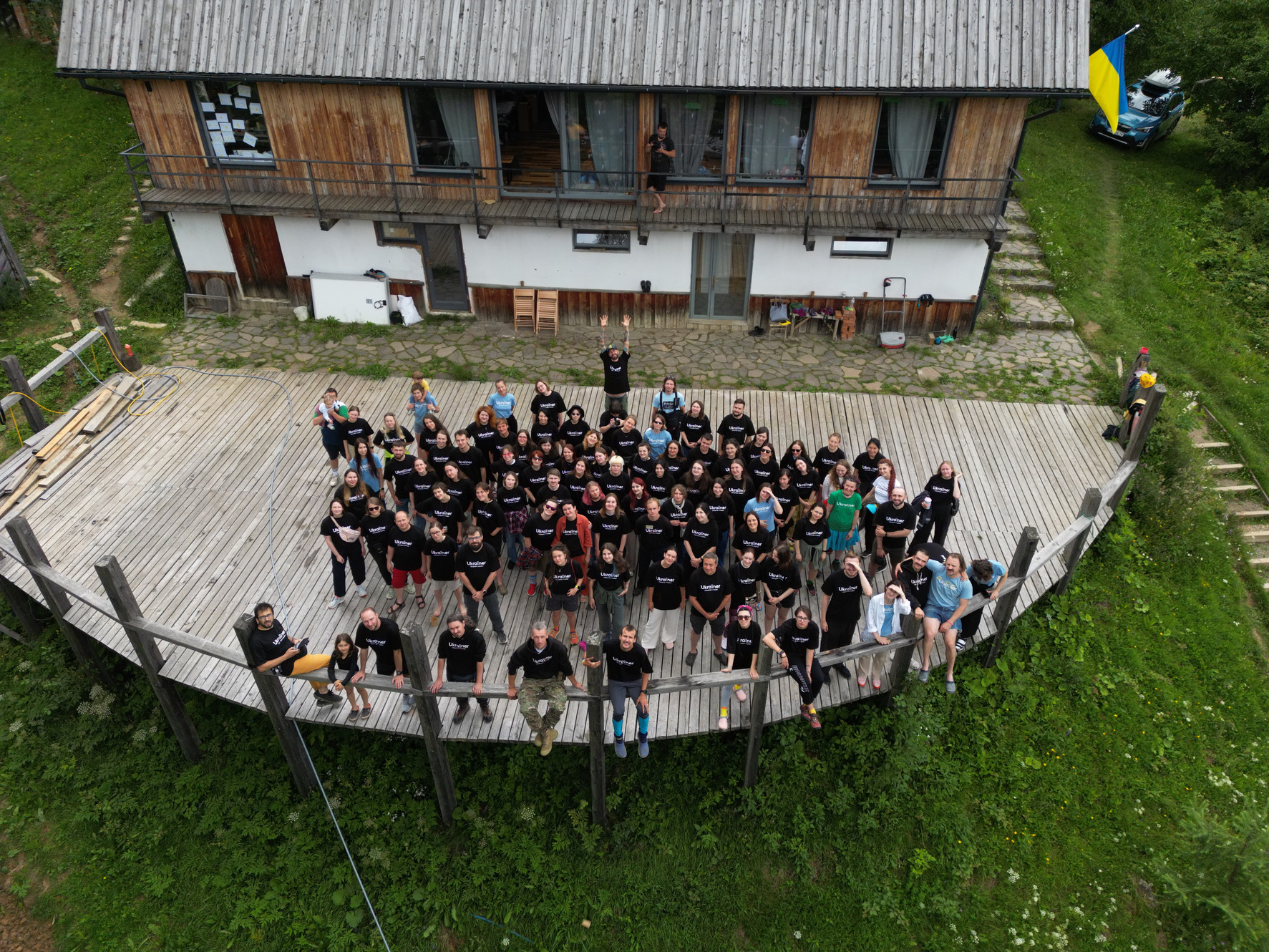
If you’re researching Slavsko, Creative Residence MC6 is the name that keeps surfacing. It’s a purpose-built creative compound in the hills near Mount Trostyan and functions as the main structured artist residency in the area.
What MC6 actually offers
MC6 runs short, intensive residencies with a strong emphasis on experimentation and local context. Typical features include:
- Short stays: around 1 week to 10 days, designed as a focused sprint rather than a months-long sabbatical.
- Small cohorts: usually 2 artists at a time, around 8 artists per year. That scale keeps things intimate and flexible.
- Scholarship-based: selected residents are typically offered accommodation and meals, which removes the major cost barrier for many artists.
- On-site facilities: the residence sits on a few hectares of land and usually includes housing, workshops, and a restaurant/communal kitchen – you’re not stuck working at a small desk in your bedroom.
You’re in the mountains, but not in total isolation: Slavsko village is accessible, yet the site itself gives you long views, quiet, and direct contact with the landscape.
Who MC6 is designed for
MC6 is open to a range of disciplines. If you can work with some flexibility in terms of space and tools, you’ll likely fit. Typical profiles include:
- Visual arts: painting, drawing, photography, new media, installation, sculpture.
- Music and sound: composers, improvisers, sound artists, field-recording projects.
- Architecture and design: designers and architects working on speculative, spatial, or research-based projects.
- Literature: writers, poets, essayists who need concentrated time and context.
- Performative arts: performance, theater, dance, choreographic research.
MC6 tends to favor artists who want to work with:
- Interdisciplinary methods and cross-pollination between fields.
- Local context: Boykivshchyna traditions, Carpathian ecology, rural daily life.
- Social or political questions: history, memory, Ukrainian avant-garde legacies, contemporary upheavals.
- Community-facing work: sharing processes through talks, workshops, open sessions.
If you are looking to make a massive production-heavy project, the short timeline might be a constraint. If your practice thrives in a compressed, research-forward, exploratory frame, MC6 is a strong match.
Program rhythm and expectations
MC6 typically runs as a mix of self-directed work and light programming, not a rigid school-like schedule. You can expect:
- Studio time: days largely free for your own work, writing, or site visits.
- Optional communal activities: shared meals, discussions, informal critiques.
- Public or semi-public moments: talks, small workshops, or process showings that connect you with fellow residents and local guests.
This is less about finishing a masterpiece and more about testing ideas, researching, and opening up your process. If you’re applying, describe not only what you want to produce but what you want to explore with this specific context.
How to think about an application
Application cycles and criteria can shift, so always check the current call directly via residency databases like TransArtists or the residency’s own channels. When you prepare your application, it helps to:
- Show why Slavsko matters: link your project clearly to the mountains, Boyko culture, ecology, or Ukrainian context, instead of a generic “I need time and space.”
- Be realistic about the timeframe: pitch something that can move meaningfully in ~10 days, such as a research phase, series of sketches, or a prototype.
- Mention possible community components: a talk, an open session, or a collaborative experiment goes a long way here.
- Address wartime conditions thoughtfully: show you’ve considered practicalities like travel, safety, and your own expectations.
MC6 usually supports artists with invitation letters, logistical advice, and basic orientation, but it’s on you to clarify visa and travel conditions based on your nationality and current regulations.
Staying and working in Slavsko: what daily life looks like
Cost of living and seasonality
Slavsko is considerably cheaper than Western European art hubs and often cheaper than Lviv, but prices swing with the tourist seasons.
- Winter (ski season): accommodation and some services get more expensive, especially near slopes and lifts.
- Spring and autumn: often the most affordable and quiet; good for focused work.
- Summer: moderate prices, more hikers and families but still manageable.
If you’re on a residency like MC6 that covers housing and food, your main expenses will be:
- Travel to and from Slavsko
- Materials and equipment (if not brought from home)
- Occasional meals or trips outside the residency site
If you stay independently before or after the residency, budget for a guesthouse or apartment, groceries or local eateries, and some local transport. Booking outside peak ski season usually keeps costs low.
Where to base yourself
Slavsko is small, so think in zones rather than classic neighborhoods:
- Village center and station area: practical if you want easy access to shops, the train station, and basic services. Good for quick errands and meeting locals.
- Near Mount Trostyan: more isolated and scenic. Ideal if your project depends on views, snow, or direct access to trails. You’ll rely more on walking or rides.
- Outskirts and hillsides: quiet, with strong landscape presence; best for deep-focus writing, sound work, or meditative practices.
Residencies like MC6 are usually set slightly away from the center, at the foot of the mountains, to balance access and calm.
Studios, tools, and production realities
Slavsko doesn’t have a big independent studio infrastructure. You typically work in:
- Residency workshops: multi-use rooms where you can draw, paint, assemble objects, rehearse, or print small works.
- Your living space: common if you’re writing, editing, or doing digital work.
- Outdoors: plein air drawing, photography, field recording, and site-specific interventions are often central to projects here.
For production-heavy or technically demanding projects, plan ahead:
- Bring portable tools and materials you can’t rely on finding locally.
- Use the residency for research, prototyping, and concept development and complete big builds later in a city studio.
- Check with the residency beforehand about what equipment is on site: printers, basic tools, speakers, projectors, etc.
Exhibition and sharing formats
Don’t expect a lineup of galleries. Artistic presentation in Slavsko is more low-key and process-driven:
- Informal showings on the residency grounds.
- Open studios or public conversations about work-in-progress.
- Workshops and educational formats with locals, especially kids or young adults.
If your goal is a big exhibition, think of Slavsko as a research and concept phase, then connect with institutions in Lviv or other cities for formal shows later.
Getting there, visas, and timing your stay
How to reach Slavsko and move around
Slavsko has a long-standing reputation as a mountain resort, so it’s reasonably well-connected.
- Train: One of the easiest ways is by rail from large Ukrainian cities. Trains have historically served Slavsko as a stop along routes towards the Carpathians.
- Road: Regional buses, shared cars, or taxis from nearby hubs are common alternatives.
On the ground, you mainly move by:
- Walking: the village is compact, but hills can be steep.
- Local taxis or rides: useful if your residency is out on a hillside or if you’re carrying gear.
Season makes a difference:
- Winter: snow can slow travel and some roads; build extra time into arrivals and departures.
- Spring and summer: easier movement, ideal for outdoor work and research trips.
- Autumn: often clear, with strong light and less tourist traffic.
Visa and entry basics
If you’re not a Ukrainian citizen, you need to check visa rules based on your passport and length of stay. Policies can vary by nationality and can change, especially under wartime conditions.
Before you commit, clarify:
- Do you need a short-stay visa or other permit for the duration of your stay?
- Can the residency provide an official invitation letter confirming your accommodation and support?
- What kind of health and travel insurance is required or recommended?
- Are there any entry restrictions or suggested routes based on current conditions?
Residencies like MC6 are usually familiar with these issues and can tell you what documentation they can provide, but the responsibility to verify current rules with consulates and official sources is still yours.
When to schedule your residency
The “right” season depends heavily on your practice:
- Late spring to early autumn: best if you rely on hiking, field recording, outdoor drawing, land art, or performance in nature.
- Winter: intense atmosphere, snow, and a slightly surreal mix of tourism and isolation. Great for artists who respond to weather and seasonality, or who want a kind of self-imposed hermitage.
Residency application cycles can be annual, rolling, or tied to specific projects and funding. For MC6 or any Slavsko program:
- Ask whether they accept self-directed applications or only responses to open calls.
- Check how far ahead you should apply given travel planning and visas.
- Find out if they group residents by theme or discipline in specific sessions.
Local community, art networks, and who Slavsko suits
Community and informal networks
Art life in Slavsko revolves around residency cohorts, local collaborators, and visitors rather than fixed institutions. Expect:
- Lectures and talks by visiting artists and curators.
- Workshops for local residents, often kids or youth.
- Shared evenings around screenings, music, or open studios.
If you work with social practice or participatory methods, this setting can be especially rich. Small villages mean that relationships build quickly; your workshop participants might be the same people you meet at the grocery store the next day.
For a broader network, most artists look to Lviv as the nearest city with galleries, curators, museums, and a more layered contemporary scene. Slavsko becomes your retreat, test ground, or field-research site, while Lviv can host more public-facing outcomes later.
What kind of practice thrives here
Slavsko tends to work best for artists who want:
- Landscape-driven work: drawing, painting, photography, or video rooted in mountain terrain and weather.
- Research and reflection: writers, theorists, composers, and artists developing concepts or long-term projects.
- Cross-disciplinary experimentation: mixing sound with performance, text with image, or architecture with social research.
- Context-based work: projects that engage with Ukrainian cultural memory, rural economies, or regional histories.
- Quiet with structure: you get calm, but with some built-in support and peers.
It’s less ideal if you absolutely need:
- Dense gallery networks and frequent openings.
- Large-scale industrial studios or specialized technical facilities.
- Constant face-to-face access to a big art market.
Using Slavsko strategically in your practice
Think of Slavsko not as the entire art ecosystem but as one precise tool in your practice. You can use it to:
- Start a project: gather material, build relationships, sketch concepts.
- Refocus: step away from urban overload to figure out where your work is heading.
- Experiment: test approaches you might not risk in a high-stakes production residency.
- Connect: build ties with Ukrainian artists and communities that can continue long after you leave.
If you prepare realistically for the short residency format, bring what you need, and stay open to the specificity of the place, Slavsko can become a sharp, memorable chapter in your practice instead of just “time away.”
Explore Ukraine
More city guides
Opportunity Intelligence
Ready to find your next residency?
Get a personalized shortlist — scored against your practice, discipline, and what you need right now.
See how Intelligence works →