
City Guide
Ho Chi Minh City, Vietnam
How to plug into Saigon’s residency scene, neighborhoods, and art community as an incoming artist
Why Ho Chi Minh City works so well for residencies
Ho Chi Minh City (still often called Saigon) is one of Southeast Asia’s most energetic contemporary art hubs. You get a dense, experimental art scene, active collectors, and relatively accessible living costs in one place. For residency-seeking artists, the city can be both a production base and a long-term network investment.
The ecosystem mixes:
- Artist-run spaces and nonprofits that host residencies, workshops, and public programs
- Commercial galleries with regional reach and a growing collector base
- Foundations and cultural institutes that support projects, exchanges, and curatorial research
- Strong street-level visual culture – signage, markets, cafes, informal architecture
This combination makes HCMC especially appealing if your practice touches on contemporary visual art, installation, performance, film and video, socially engaged work, or curatorial and research-driven projects.
Key residency programs and institutions
There are only a few formal residencies in Ho Chi Minh City, but they are deeply plugged into a wider web of spaces, curators, and collectors. Think of it less as one building you go to, and more as an entry point into a city-wide network.
A. Farm International Art Residency (run with MoT+++)
Location: Ho Chi Minh City, Vietnam
Run by: MoT+++ and partnering organizations
Focus: Experimental, process-driven, and research-based work with strong local integration
A. Farm is one of the most visible residency options in Saigon and often the first name artists encounter when researching the city. It’s connected to MoT+++, Nguyen Art Foundation, and other players in the scene, which means you’re not just getting a room and studio, you’re stepping into an existing network.
What A. Farm typically offers:
- Shared studio space where you work alongside other artists
- Exhibition and project space for work-in-progress or final presentations
- Individual housing, often in a more comfortable, independent format
- Public programs such as open studios, workshops, performances, and talks
- Introductions to local art spaces, galleries, and cultural workers
- Studio and gallery visits around the city
The residency is described as offering several pathways:
- Funded opportunities (covering housing and studio, sometimes more)
- Self-funded residencies, where you pay a fee to join the program
- Exchange-based models, often tied to partner institutions abroad
A publicly listed rate for the self-funded format is around USD $3,000 per month, with a minimum of one month, and preference for three-month stays. Always check the most current details directly with the organizers, as formats and fees can shift.
Who A. Farm suits:
- Artists who want direct access to HCMC’s contemporary art network
- Experimental or conceptual practitioners looking for open-ended research time
- Curators, writers, and researchers, depending on the specific call
- Artists interested in public engagement through talks, workshops, or open studios
The program is also known for a more independent, comfortable housing setup that works especially well if you:
- Prefer quiet, private working time
- Need space to write, edit, or work digitally
- Are introverted and want structured connection, but not a hyper-social residency house
Check A. Farm on ArtConnect and search for "A. Farm International Residency" for current formats and calls.
MoT+++ (artist-run space and residency partner)
Type: Independent, artist-run platform
Role: Manages A. Farm and runs exhibitions, discussions, and public programs
MoT+++ is central to the residency ecosystem because it’s both a program organizer and a community hub. Even if you’re not formally in residence with A. Farm, connecting with MoT+++ (through events, discussions, and openings) is one of the most efficient ways to meet artists actively working in the city.
See the A. Farm listing on Reviewed by Artists for a peer-written overview.
Sàn Art
Location: District 4, Ho Chi Minh City
Type: Artist-initiated nonprofit and exhibition platform
Sàn Art was founded as an artist-led space and has grown into a key institution for experimental practice, critical discourse, and curator development. While its core activity has shifted over time, it has a long history of residencies and residency-adjacent programming, notably the Sàn Art Laboratory and collaborative projects like A. Farm.
You might not stay in a "Sàn Art residency house", but you will want to know what they are doing while you’re in the city. Think of Sàn Art as:
- A reference point for the contemporary scene in Vietnam
- A place for exhibitions, talks, reading, and research
- A connector to curators, writers, and visiting guests from the region
Visit Sàn Art’s official website for current exhibitions and programs.
Nguyen Art Foundation (NAF)
Location: Ho Chi Minh City
Type: Private foundation and collection
Nguyen Art Foundation is not a classic open-call residency on its own, but it plays a major supporting role in the HCMC ecosystem. It helped initiate A. Farm and continues to support exhibitions, educational programs, and cross-institutional projects.
For an incoming resident, the main value is indirect: NAF’s involvement is part of what makes the city viable for ambitious contemporary projects. It signals that there is collection-based, long-term support behind parts of the scene.
Read about Nguyen Art Foundation for background on its mission and activities.
Goethe-Institut Vietnam
Location: Hanoi and Ho Chi Minh City (cultural programming spans both)
Type: Cultural institute with residency and project support
The Goethe-Institut Vietnam runs and supports residencies, exchanges, and cultural projects. Some scholarships and residency formats are managed via partnerships with other Goethe-Instituts and foundations, and may rotate locations between Vietnam, China, and other countries.
For artists connected to German institutions or networks, the Goethe-Institut can be a useful partner for project-based stays, collaborations, or residency funding, even if you are physically based in HCMC while your grant is technically anchored elsewhere.
See Goethe-Institut Vietnam’s residency information to understand current programs and requirements.
Neighborhoods that matter for artists
Where you stay in HCMC will shape how you move, who you run into, and how much energy you have left after crossing traffic every day. Because the city is large and hectic, proximity to your residency base or studio matters more than in many other places.
District 1
District 1 is the central business and cultural core. You’ll find:
- Commercial galleries and project spaces
- Many cafes, bars, and restaurants where art people meet
- Higher housing prices and more short-term rentals
If your residency is networking-heavy and you plan to attend openings, talks, and meetings often, staying in or near District 1 can cut down travel time. The tradeoff is cost and noise.
District 3
District 3 sits beside District 1 but feels more residential and grounded. It is known for:
- A mix of older housing stock and newer apartments
- Plenty of cafes, small studios, and coworking spaces
- Slightly more affordable rent compared to District 1
Many creatives gravitate here because it is central but a little calmer. If your residency doesn’t strictly place you somewhere, District 3 can be a useful compromise between cost and access.
District 4
District 4 connects District 1 to other parts of the city and has seen increased interest from art spaces and creative businesses. Sàn Art’s listed address is in this district, making it a useful area if you want to stay near that institution.
Expect a mix of older streets, new developments, and a slightly gritty, urban feel. For artists, this district can be visually rich and convenient for quick trips to District 1 and District 7.
Thảo Điền / Thu Duc City (formerly part of District 2)
Thảo Điền is a leafy, riverside neighborhood popular with expats, curators, and some independent artists. A. Farm’s setup references accommodation around Thảo Điền (such as the Amanaki Thao Dien area), which means you may find yourself based here during a residency.
Expect:
- More spacious apartments and houses
- Cafes, boutique shops, yoga studios, and international schools
- Quieter streets compared to central districts
This area works well if you need a calm base to write, edit, or develop research, and you are okay with commuting to central districts for events and openings.
Costs and practical living tips
Ho Chi Minh City is more affordable than many global art capitals, but costs have risen, especially in central and expat-heavy neighborhoods. Budgeting realistically will help you choose the residency format that makes sense for your practice.
Typical monthly ranges for artists
Actual numbers will depend on your lifestyle, but as a rough guide:
- Budget local room or simple apartment: around USD $250–500 per month
- Mid-range serviced apartment or central-area studio: around USD $500–1,000+ per month
- Residency packages with studio + housing: can go higher, especially in self-funded international programs
Daily costs for food, local transport, and basic needs can stay relatively low if you use local options: street food, local cafes, and public markets. Imported materials, private fabrication, and high-end housing will increase your budget quickly.
Common expenses to plan for
- Housing: included in some residencies; otherwise your main expense
- Transport: motorbike taxis via apps, taxis, or a rented motorbike
- Studio and production: materials, digital printing, fabrication, equipment rentals
- Food and drink: local stalls vs. international restaurants can drastically change your monthly total
- Shipping: sending works or equipment in and out of Vietnam can be slow and costly
Many residency artists find that HCMC works best if they adapt their materials and formats to what is locally available instead of relying on imported supplies.
Getting around the city
Traffic in HCMC is relentless but functional. You get used to it quickly, but it will shape your daily rhythm.
Transport basics
- Motorbike taxi apps: The most common way for visitors to move around. Cheap, fast, and door-to-door.
- Taxi and car-hailing apps: Useful if you are carrying work, equipment, or if it is raining hard.
- Motorbike rental: Makes sense for longer stays if you are comfortable driving in dense traffic.
- Walking: Reasonable for short distances in certain neighborhoods, but heat, humidity, and traffic are real constraints.
When choosing a residency or sublet, prioritize being close to your studio or main partner institution. A long commute across the city during rush hour can drain your energy before you even start working.
Visa and paperwork basics
Visa rules change, and your needs will depend on your passport, length of stay, and whether you receive a stipend or payment. Residencies usually expect you to manage your own visa, but good programs will provide guidance.
Key things to clarify with your host
- What visa type they recommend for your stay
- Whether they provide an invitation letter or institutional documentation
- How they handle stipends, per diems, or teaching fees in relation to local regulations
- What their experience has been with artists from your country or region
If your residency involves formal teaching, work-for-hire, or compensation from a Vietnamese entity, check carefully whether a tourist or e-visa is appropriate. When in doubt, ask the residency and, if needed, an immigration professional.
Climate and timing your residency
Ho Chi Minh City has a tropical climate with two broad seasons: a dry season and a rainy season. You get heat and humidity year-round, but the type of discomfort shifts.
- Dry season: roughly December to April, generally less rain and more stable days for commuting and outdoor work
- Rainy season: roughly May to November, with frequent heavy showers, especially in the afternoon
For many artists, the most comfortable period for residencies lands between late November and April. That said, working through the rainy season can be productive if your practice is more studio-based and you are ready for sudden downpours during travel.
Local art community, events, and how to plug in
The HCMC art scene is active but spread across many small and mid-sized spaces. A lot of the good stuff happens through conversation: studio visits, coffee meetings, and informal gatherings after events.
Where to look for community
- Sàn Art: for exhibitions, talks, and research; a good starting point to meet curators and researchers
- MoT+++ / A. Farm: for residency artists, experimental projects, and public programs
- Nguyen Art Foundation: for institutional-scale projects and openings
- Goethe-Institut Vietnam: for cross-cultural events, screenings, and collaborations
Beyond these, keep an eye out for:
- Independent galleries and project rooms in Districts 1 and 3
- Pop-up shows, often announced via social media
- University-affiliated exhibitions and student projects
Common event formats
- Open studios: often tied to residency programs, giving you a chance to see work in progress
- Talks and panels: curatorial, critical, or artist-led discussions
- Workshops: skill-sharing, often experimental or interdisciplinary
- Screenings and performances: especially relevant for film, video, and performance artists
If you are shy about networking, treat these events as research: show up, observe, and slowly introduce your practice to people whose work you genuinely respond to. The scene tends to be open to conversation, especially if you commit to being present over time rather than trying to meet everyone at once.
Who HCMC residencies are good for
Ho Chi Minh City works well if you are drawn to:
- Contemporary Southeast Asian art and cross-border networks
- Experimental, research-based, or interdisciplinary practice
- Urban energy, street life, and informal meeting points
- Community-based or socially engaged approaches
- Curatorial or writing projects that benefit from proximity to active artists
It can be more challenging if you absolutely need:
- Very large, specialized fabrication facilities on-site
- A tightly structured, outcome-driven residency with fixed deliverables
- A remote, quiet rural environment with minimal sensory input
If you are comfortable with a bit of chaos, flexible planning, and a strong social component to your residency, HCMC can be a valuable place to build both work and long-term connections.
How to start your research
To move from idea to actual application, start with a short research sequence:
- Look up A. Farm / MoT+++ and check current formats (funded vs self-funded)
- Browse Sàn Art’s program archive to understand the kind of work that resonates locally
- Read about Nguyen Art Foundation to understand the collection and support structure behind HCMC’s contemporary art scene
- Check the Goethe-Institut Vietnam page if you are connected to German or European networks
- Use peer reviews on Reviewed by Artists to get a sense of real experiences and financial setups
Once you have a sense of the ecosystem, you can decide whether you want a structured residency like A. Farm, a project-based stay supported by an institution, or an independent self-organized period in the city while you rent your own studio and housing. All three modes are possible in Ho Chi Minh City; the key is matching the format to how you actually work.
Residencies in Ho Chi Minh City
San Art
Ho Chi Minh City, Vietnam
Sàn Art, founded in 2007 in Ho Chi Minh City as an artist-led independent arts organization, previously offered residency programs such as Sàn Art Laboratory (2012-2016), A. Farm (2018-2020), and Sàn Art Studio (launched 2022) to support local and international artists through studio access, production funds, and critical discourse. These programs focused on emerging artists from Vietnam and Southeast Asia, providing immersion in the contemporary art scene amid challenges like government regulations. The organization is currently on an indefinite break with its physical space closed.
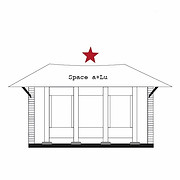
Space a+Lu
Ho Chi Minh City, Vietnam
Space a+Lu is designed to bring together artists from around the world, fostering a dynamic exchange of ideas and experiences. Here, artists can immerse themselves in the tropical surroundings, engage with Vietnamese culture, and create meaningful connections that inspire their work.Hoi An is renowned for its traditional handicrafts, offering workshops in paper-making, leather crafting, cooking, wood workshops and more. These workshops can be booked separately and
The Weight of Mountains
Ho Chi Minh City, Vietnam
The Weight of Mountains – Filmmakers Residency Ho Chi Minh City, Vietnam December 2, 2025 – February 28, 2026Applications open 2 May, 2025. Applications close 2 June, 2025.Nếu bạn muốn nộp đơn bằng tiếng Việt, hãy gửi email đến twom.film@gmail.comThe Weight of Mountains (TWOM) is a nomadic artist residency for filmmakers and screen based media artists, immersing artists in a new location every 2 – 4 years. In doing so, over decades we hope that TWOM will cr
Explore Vietnam
More city guides
Opportunity Intelligence
Ready to find your next residency?
Get a personalized shortlist — scored against your practice, discipline, and what you need right now.
See how Intelligence works →