
City Guide
Dublin, Ireland
How to use Dublin’s residencies, neighborhoods, and institutions to actually move your work forward
Reading up on Dublin? Ask which residency there fits your work. Ask in your own words — drawn from 2,300+ residencies and live open calls, grounded in real reviews.
Why artists choose Dublin for residencies
Dublin is compact, wired into international art conversations, and dense with institutions. You can walk between museums, project spaces, and studios in a single afternoon, which makes short residencies surprisingly productive.
The main reasons artists look at Dublin:
- Institution access: IMMA, the National Gallery of Ireland, Hugh Lane Gallery, and Temple Bar Gallery + Studios are all reachable without a car.
- Residencies at different tempos: Everything from intense four-week production sprints to 3–10 month live-work setups.
- Peer network: Strong artist-run and multidisciplinary communities, especially around Temple Bar and the city centre.
- Public-facing options: Many residencies link to talks, open studios, and collaborations with local partners.
The trade-off is cost. Dublin is one of the pricier cities in Ireland, especially for housing and studio rent. Residencies that include accommodation, subsidised space, or a stipend go a lot further here than they might in smaller towns.
The main residency options in Dublin
You’ll find a mix of live-work residencies, studio-focused setups, and workspace schemes. Here are the key programs to know when you’re deciding if Dublin fits your practice.
Dublin City Council artist residencies: live-work homes in the city
Dublin City Council runs a set of subsidised residential spaces that function as longish-term artist bases. These are some of the most valuable options if you need actual housing in the city.
What’s on offer
- Four residential spaces, including:
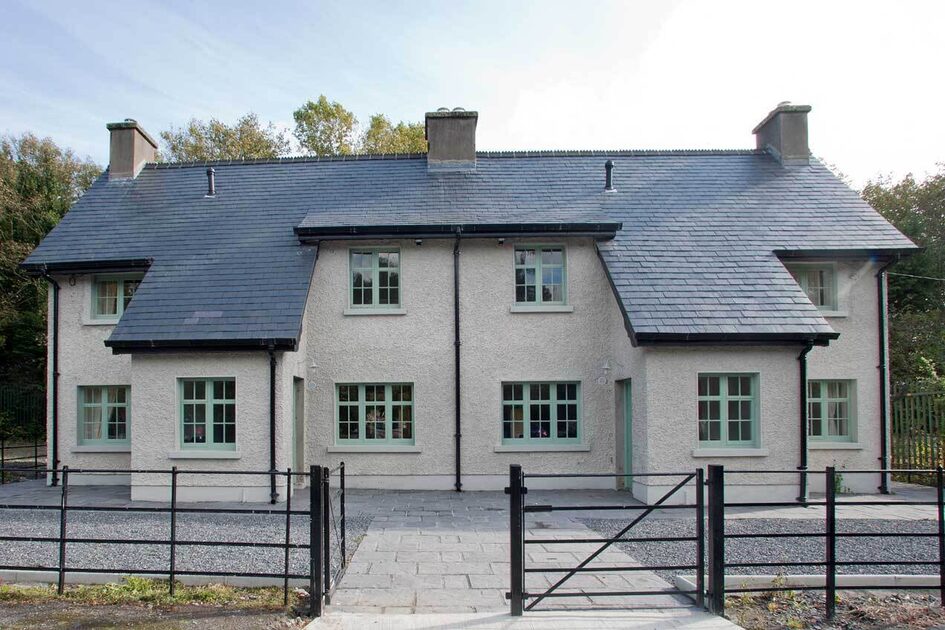
- Two cottages in Albert College Park, Glasnevin (leafy, quiet)
- An apartment in Temple Bar (hyper-central)
- St. Patrick’s Lodge beside the cathedral
- Residency lengths usually in the 3–10 month range.
Who this suits
- Artists who want to actually live in Dublin while working, not just pass through.
- People developing a sustained project, research, or a body of work over several months.
- Artists who like having a stable home base and then using the city as a studio, archive, and meeting ground.
Why it’s useful
- Housing in Dublin is usually the hardest part. This residency reduces that pressure significantly.
- You can choose between more contemplative surroundings (Glasnevin cottages) and central-city intensity (Temple Bar, St. Patrick’s Lodge).
- It naturally opens up a relationship with Dublin City Council’s arts office, which can help with connections and visibility.
For details on current formats and calls, check the Dublin City Council arts office page directly: Dublin City Council Residency Programmes for Artists.
IMMA Residency Programme: research and museum context
The residency at the Irish Museum of Modern Art (IMMA) is based at the Royal Hospital Kilmainham, a historic site with studios on the museum grounds.
What’s on offer
- Onsite studios and accommodation for selected residents.
- Mentoring, dialogue, and contact with IMMA’s collections, exhibitions, and public programmes.
- Curated strands that can include open calls and invited participants.
Who this suits
- Visual artists and researchers working in contemporary practice, including installation, performance, expanded painting, moving image, and socially engaged work.
- Artists who want proximity to curators, archivists, and institutional programming.
- Practices that are research-led and benefit from time in a museum context rather than pure production pressure.
Why it’s useful
- You’re embedded in a major contemporary art museum rather than isolated in a rural setting.
- Easy to attend openings, talks, and public events at IMMA and across the city.
- The Kilmainham location gives you quiet space but you’re still a short trip from the centre.
For the latest structure and eligibility information, see IMMA’s residency overview: IMMA Residency Programme.
Black Church Print Studio: four-week printmaking immersion
Black Church Print Studio is a member-based print workshop in Temple Bar with a dedicated international artist-in-residence programme.
What’s on offer
- A four-week residency.
- Access to a fully equipped print workshop in a custom-built four-storey facility.
- Professional development and exchange with an active print community.
Who this suits
- Practicing printmakers with experience on professional equipment.
- Artists who can work intensively and produce quickly in a short residency window.
- Anyone needing specific print facilities (etching, relief, screen, litho, etc.) rather than general studio space.
Why it’s useful
- The technical level is high, so you can push your print practice rather than just maintain it.
- Being in Temple Bar puts you near Temple Bar Gallery + Studios, commercial galleries, and other cultural venues.
- The short duration works well if you can only step away from teaching or other work for a month.
Details change over time, so check their site for the current format and application guidelines: search for “Black Church Print Studio international residency”.
Temple Bar Gallery + Studios: long-term studio base
Temple Bar Gallery + Studios (TBG+S) offers professional studios and acts as a major hub for contemporary art in Dublin city centre. It’s closer to a studio membership scheme than a time-limited residency, but it functions as a critical base for many artists.
What’s on offer
- Around thirty professional studios.
- Membership options in the range of 1, 3, or 6 years.
- A Recent Graduate Residency Award that supports artists transitioning from college to professional practice.
- International residency exchanges with partners in Helsinki, New York, and Paris.
Who this suits
- Artists committed to basing their practice in Dublin for at least a year.
- Recent graduates looking for a foothold in the professional scene.
- Mid-career artists seeking central studios with institutional visibility.
Why it’s useful
- Location: you are literally in the Temple Bar arts cluster.
- Programming: exhibitions, talks, and events that keep you plugged into conversations.
- Community: sharing hallways with other professional artists is often as valuable as the square footage.
See the current studio and residency options here: Temple Bar Gallery + Studios – Studios + Residencies.
The Tara Building: creative arts residency and workspace
The Tara Building is a coworking and creative hub near Dublin city centre, with periodic residency schemes that focus on workspace and community rather than housing.
What’s on offer
- Free or subsidised workspace for selected residents.
- Access to the Tara community, events, and networking.
- Residencies aimed at artists and creative practitioners contributing to a more creative, sustainable, equitable, and inclusive Ireland.
Who this suits
- Artists and creative workers who can arrange their own housing in or near Dublin.
- People whose work overlaps with design, social innovation, writing, or multidisciplinary practice.
- Anyone who thrives in a coworking atmosphere with informal collaboration.
Why it’s useful
- Ideal if you are already Dublin-based and just need a desk and community.
- Supports projects that connect art to broader social questions and local networks.
- Good launchpad for collaborations across disciplines.
Check current residency descriptions here: The Tara Building – Residencies.
How Dublin’s neighbourhoods feel on the ground
Where your residency is based will shape your working rhythm, how you move around, and what kind of social life you plug into.
Temple Bar and the city centre
This is the densest arts cluster. You’ll find Temple Bar Gallery + Studios, Black Church Print Studio, and plenty of galleries and performance venues within walking distance.
- Pros: You can walk between studio, gallery openings, and residencies in minutes. Excellent if you want visibility and to meet people quickly.
- Cons: Noisy, tourist-heavy, and expensive for accommodation. If you’re staying long term, you may prefer to live slightly outside the area and commute in.
- Good for: Short stays, high-intensity production, and networking.
Kilmainham and IMMA
Kilmainham is dominated visually by the Royal Hospital Kilmainham and IMMA, with a mix of residential areas and historic sites around it.
- Pros: More relaxed than Temple Bar, with green space and a strong institutional anchor.
- Cons: Less dense in terms of galleries; you’ll travel into the centre for some events.
- Good for: Research-focused residencies, writing time, and practices that benefit from museum context.
Glasnevin and Albert College Park
Glasnevin is a quieter, more residential area associated with Dublin City Council’s artist cottages in Albert College Park.
- Pros: Calm, green, and suitable if you need headspace away from city centre distractions.
- Cons: You’ll factor in bus or bike time to reach openings and events.
- Good for:Longer residencies with deep-focus studio work, especially if you can treat the rest of the city as a resource instead of daily noise.
South city / Dublin 2
Dublin 2 covers central and south-central areas with plenty of creative offices, galleries, and cafes. Spaces like The Tara Building slot naturally into this mix.
- Pros: Very convenient, walkable, and lively.
- Cons: Higher rents and potential for distraction if you are easily pulled into social life.
- Good for:Artists who benefit from a daily flow of people, ideas, and cross-disciplinary conversations.
Practical logistics: costs, transport, and visas
Dublin residencies can look similar on paper, but the way they intersect with your budget and visa situation determines how realistic they are.
Cost of living and what residencies actually offset
Major cost categories in Dublin are rent, utilities, food, and studio or workspace. If you’re comparing residencies, look at what each one actually covers:
- Housing included: A live-work space (like Dublin City Council’s residences) can be more valuable than a modest stipend that still leaves you paying full rent.
- Studio only: Options like Temple Bar Gallery + Studios or Black Church Print Studio give you critical workspace, but you’ll need your own housing.
- Workspace in a hub: The Tara Building removes the need to pay for coworking or office space and plugs you into a social network.
On a tight budget, prioritise residencies that either cover housing or significantly reduce what you’d otherwise pay for space in the city.
Getting around: you probably don’t need a car
Dublin is manageable by public transport, walking, and bike, especially if you’re staying in or near central neighbourhoods.
- Luas: Light rail lines that cover many key areas.
- DART: Suburban rail along the coast if you’re visiting venues outside the core.
- Dublin Bus: Extensive routes that connect areas like Glasnevin and Kilmainham to the centre.
- Walking/cycling: Very realistic if your residency is in Temple Bar, Dublin 2, or around IMMA.
If you expect to move work or materials, check in advance how close your residency is to bus or tram lines, and whether there’s storage on site for larger pieces.
Visa and work status
Residencies intersect with immigration rules differently depending on your passport and the nature of the program.
- EU/EEA/Swiss citizens: Generally do not need a visa to live and work in Ireland.
- Non-EU artists: Visa requirements vary by nationality, length of stay, and whether you’re receiving fees or doing public-facing, paid activities.
Before committing to a Dublin residency, it helps to:
- Ask the residency for a clear description of what they provide (housing, stipend, exhibition fees, teaching, etc.).
- Check official Irish immigration guidance for your specific passport and intended stay length.
- Confirm that the residency can issue an invitation letter or supporting documentation if needed.
Making a Dublin residency actually work for your practice
Dublin rewards artists who treat residencies as a base for active engagement rather than just a quiet retreat. A few strategies can help you get more out of your time in the city.
Plug into the local art ecology
Once you’re in Dublin, even on a short residency, put some structure around how you connect:
- Visit the big three early on: IMMA, the National Gallery of Ireland, and the Hugh Lane Gallery.
- Walk Temple Bar and the city centre to spot smaller galleries and artist-run projects you might not find online.
- Attend at least a couple of gallery openings or talks a month if your residency is longer than a few weeks.
- Ask your residency coordinator for introductions to local artists working in similar areas.
Choose a residency that matches your working rhythm
Different Dublin programs align with different working speeds and needs:
- Need housing and time: Dublin City Council residencies are strong for long-term development where everyday life and practice are intertwined.
- Need research and critique: IMMA’s residency supports practices that require archives, curators, and public programming.
- Need a short, intense production window: Black Church Print Studio works well if you want to produce a focused body of print work.
- Need an ongoing base in the city: Temple Bar Gallery + Studios can anchor your practice for several years.
- Need workspace and community but already have housing: The Tara Building’s residencies give you a social and professional hub.
Think beyond the city: comparing with wider Ireland
Many artists researching Dublin also look at rural or semi-rural residencies like Cow House Studios in Wexford and others across Ireland. These can offer:
- More affordable living costs.
- Stronger focus and fewer distractions.
- Different kinds of community, often smaller but more concentrated.
Using a rural residency for production and Dublin for networking and institutional contact is a strategy some artists use. Even if your main residency is outside Dublin, a short research trip to the city can be worth building in.
How to research and shortlist residencies for Dublin
To build a realistic plan, you can combine residency-focused databases with city-specific resources.
- Check the Dublin City Council arts and culture pages for current residency and studio opportunities within the city’s own programmes.
- Visit each residency’s site directly (IMMA, Black Church, Temple Bar Gallery + Studios, The Tara Building) to confirm current formats and eligibility.
- Cross-check what’s included: housing, studio, stipend, technical facilities, mentoring, and public outcomes.
Once you have a shortlist, map each residency against your actual needs: how long you can realistically be away, whether you need housing covered, and how much public engagement you want to fold into your time in Dublin.
Used thoughtfully, Dublin’s residency ecosystem can give you both a concentrated working period and a set of connections that keep paying off long after you leave the city.
Residencies in Dublin
Clay City
Dublin, Ireland
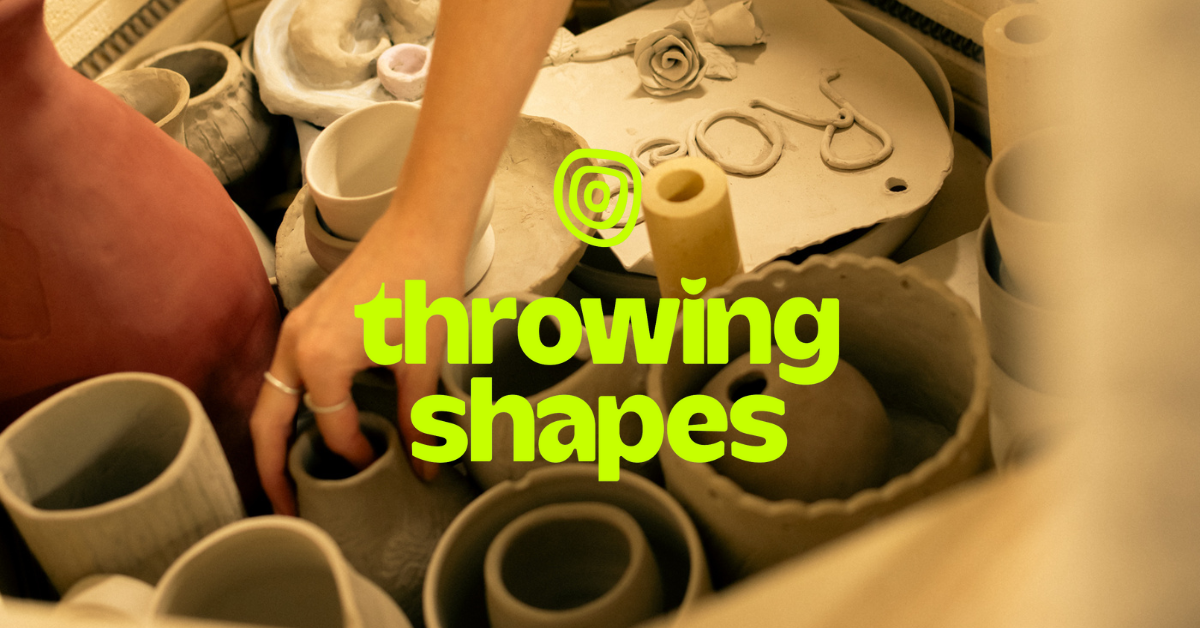
Clay City is a residency program in Dublin, Ireland, run by Throwing Shapes in partnership with Staycity, offering one 12-month residency for recent ceramic graduates and three 3-month residencies for established professional ceramic artists and potters. It provides free studio access at Throwing Shapes' facilities, fully subsidized accommodation in central Dublin apartments, mentorship, professional development, teaching opportunities, and a solo exhibition at the end. The program aims to foster ceramics practice, community engagement, and position Dublin as a ceramics hub, with to Irish and international artists legally able to live and work in Ireland.
Dublin City Council Arts Office
Dublin, Ireland
The Dublin City Council Arts Office administers the Residential Artists' Studios program, offering fully furnished live/work spaces in serene parkland settings like Albert Cottages in Hampstead Park and historic park buildings such as St Patrick’s Park and Albert College Park. These annual residencies, available to local and international artists for 11 months or periods of three to ten months, require public engagement and support artistic practice at a monthly rent of €750 with no stipend provided. Applications typically open in September for the following year, fostering new work and community connections in Dublin.
Fire Station Artists' Studios
Dublin, Ireland
Fire Station Artists' Studios (FSAS) is a Dublin-based residency center offering subsidized combined living and working studios for Irish and international visual artists. The organization provides short-term (1-3 months) and long-term residencies with access to large-scale sculpture workshop facilities, communal spaces, and self-directed research opportunities in the city center.
Explore Ireland
More city guides
Opportunity Intelligence
Ready to find your next residency?
Get a personalized shortlist — scored against your practice, discipline, and what you need right now.
See how Intelligence works →