City Guide
Alajärvi, Finland
Quiet lake country, Aalto architecture, and two very focused residency paths.
Why Alajärvi is worth your studio time
Alajärvi is a small town in Southern Ostrobothnia, western Finland. Think lakes, fields, long horizons, and a slow rhythm that is very different from an urban residency. You go there for space, quiet, and a very particular relationship to landscape and architecture, not for a dense gallery crawl.
The art infrastructure leans on one key institution: the Nelimarkka Museum. Around it, you get two main residency options:
- Nelimarkka Museum Residency at Villa Nelimarkka – the classic rural studio-villa experience.
- Architecture and Space Residency at Villa Väinölä – a focused program for architects and spatial practitioners, tied to Alvar Aalto’s architecture.
If you’re looking for an intensive production or research period with minimal distraction, Alajärvi can work very well. If you need nightlife and constant events, it will feel quiet—sometimes beautifully so, sometimes too much.
The residencies: how they actually feel to work in
Nelimarkka Museum Residency – Villa Nelimarkka
Good for: visual artists, interdisciplinary practices, writers, anyone needing rural focus and museum context.
The Nelimarkka Museum Residency is based in Villa Nelimarkka, a studio villa built by artist Eero Nelimarkka in 1932. It sits about 4 km outside the town center, next to the museum, with views over fields and a nearby lake.
Residency materials describe it as rural solitude: quiet, low traffic, mostly nature, with the town just far enough away that you won’t “quickly pop out” unless you plan to. Residents are encouraged to treat both the villa and the surrounding landscape as part of their material. If your work thrives on place, weather, and the slow accumulation of observation, this is a strong match.
Typical living and working set-up
- Accommodation is usually in a separate apartment shared with another artist: two bedrooms, shared kitchen and bathroom.
- The house is near the atelier/studio, so you can move between living and working spaces easily.
- You’re living inside a historically charged building: old villa, layers of art history, and lots of “found” reference material in the architecture and surroundings.
Day-to-day, you can expect a lot of self-directed time. The museum gives context and some support, but you are not in a program with constant group critiques. This is more about deep focus, long walks, and extended work periods.
Who tends to do well here
- Artists comfortable with solitude and independent structure.
- Practices that can adapt to modest facilities (versus big industrial workshops).
- Painting, drawing, writing, photography, video, research, conceptual work, light sculpture or installation.
- Artists interested in connecting their work to landscape, rural communities, or museum archives.
If your practice requires heavy fabrication, specialized machinery, or messy toxic processes, you may hit limits. Always check directly with the museum about what is technically possible.
Architecture and Space Residency – Villa Väinölä
Good for: architects, landscape and interior architects, urban planners, spatial researchers, and students working with space and built environment.
The newer Architecture and Space Residency, run by the Nelimarkka Museum, is based at Villa Väinölä in central Alajärvi. Villa Väinölä was designed by Alvar Aalto for his brother, and the residency is explicitly framed around Aalto’s architecture and spatial thinking.
Key characteristics
- Residency length runs about 1–3 months.
- The focus is conceptual and research-oriented rather than intensive building or fabrication.
- You get first-hand exposure to Aalto’s architecture across different periods.
- The program invites people at various stages: from students to established professionals.
You can think of this residency almost as a long, self-directed site-specific studio course on Aalto and space. The building itself becomes a study object. The town’s Aalto-related sites and the larger Ostrobothnian landscape give you a layered context: domestic scale, civic scale, and open terrain.
Who tends to do well here
- Architects wanting time away from office work to develop research, writing, or speculative projects.
- Landscape and interior architects exploring relationships between interior, exterior, and regional context.
- Researchers working on Aalto, Nordic modernism, or spatial practice grounded in specific sites.
If you’re expecting a big fabrication lab, this is not that. Think notebooks, models, drawing, photography, mapping, and writing—supported by immersion in built space more than tools.
How Alajärvi is laid out for an artist
Town center vs Villa Nelimarkka area
Alajärvi town center is compact. You’re close to shops, basic services, bus stops, and Villa Väinölä. This is where the Architecture and Space residency roots you. From here, you can walk or cycle to most everyday needs, and you get a little more sense of local life.
Villa Nelimarkka and the museum sit about 4 km out from the center in a rural area. Here you get:
- Open fields and lake views.
- A very quiet soundscape, especially outside tourist season.
- Limited nearby services; expect to cycle, drive, or schedule your shopping trips.
The physical distance between the two locations is short, but psychologically it’s huge. Staying at Villa Nelimarkka feels like a retreat. Staying near Villa Väinölä feels like living in a small town with a clear art/architecture focus.
Lehtimäki and other local art sites
Within the broader municipality, Lehtimäki stands out because of sculptor Antti Maasalo’s sculpture park and eco-house. The site includes a studio home built with wind turbines and solar panels back when that was unusual in Finland. It is open by agreement, especially in summer.
This isn’t a residency, but if you’re working in sculpture, environmental art, or sustainable design, planning a visit can feed your work. Connect with the site well ahead of time; don’t assume drop-in access.
Cost of living and daily logistics
Budgeting realistically
Alajärvi is less expensive than Helsinki or other big cities, but Finland is never cheap. Expect moderate grocery prices and limited options for eating out. The main cost factors for an international resident usually are:
- Travel to Finland and then on to Alajärvi.
- Food, especially if you prefer specific dietary items that may be more expensive or harder to find.
- Seasonal gear (winter clothing, shoes, etc.) if you don’t already own it.
The residencies cover accommodation and work space in different ways, so always check what is included, whether there is a fee, or if any stipend or grant is attached. Plan for your own materials, insurance, and personal expenses at minimum.
Groceries, eating, and services
In the town center, you have supermarkets and basic shops. Selection is decent, but you won’t find huge specialty stores. If you’re at Villa Nelimarkka, trips into town are a bit of a mini-expedition; plan shopping lists and batch your errands.
Cafés and restaurants exist, but choice is limited. Many residents treat the residency as a period of home cooking and studio focus rather than frequent eating out.
Season and comfort
The climate shapes your experience more than you might expect:
- Summer brings long days, relatively mild temperatures, and easy outdoor work.
- Winter means snow, short daylight, and temperatures that require proper clothing layers.
Heating is generally good in Finnish buildings, but you’ll appreciate warm indoor clothes, slippers, and a solid routine for getting outside into daylight when you can. Factor winter accessories into your budget if you don’t already own them.
Studios, workspaces, and how production-friendly it is
What you can expect at Villa Nelimarkka
The villa and associated spaces function as your working environment. Exact layouts can vary, but you can generally expect a studio area plus your living space in a separate apartment. Production scale is small to medium; you’re not in a factory hall.
Plan for work that fits into:
- Tabletop and wall-based work.
- Digital projects, editing, and writing.
- Performative or site-specific experiments that can happen outdoors.
If you need special equipment (darkroom, printmaking presses, metal workshop), assume they are not available unless the museum confirms otherwise.
Working in Villa Väinölä as a spatial practitioner
For the Architecture and Space residency, your “studio” may feel closer to an office or research environment: desk, drawing space, and the building itself as material. You’re likely to be sketching, writing, photographing, and building small models rather than constructing large-scale installations.
Bring what you need for your preferred way of thinking through space:
- Drawing tools, laptops, cameras.
- Portable model-making materials and basic tools.
- Recording equipment if you work with sound or interviews.
Galleries, museums, and showing your work
Nelimarkka Museum as your institutional anchor
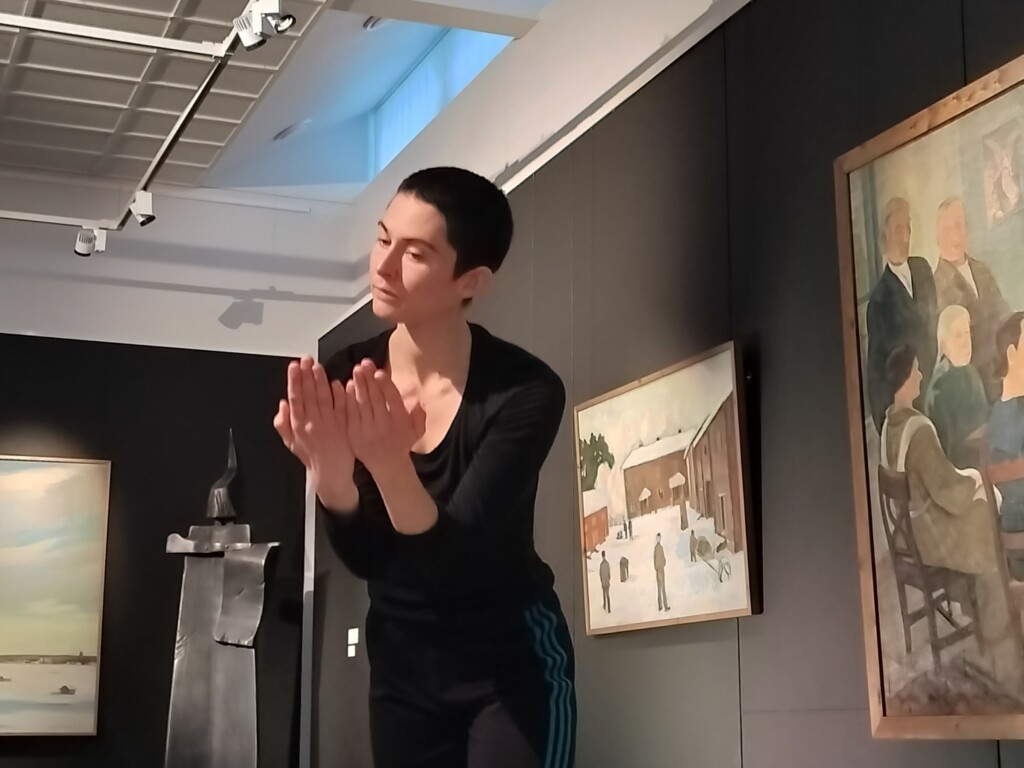
The Nelimarkka Museum operates as both an art museum and a hub for the residencies. It holds exhibitions connected to regional and broader art histories, and in some cases there may be opportunities for resident artists to show work or present research.
Details about exhibition opportunities can vary: sometimes an invited resident may exhibit in spaces such as the museum’s smaller galleries, but this is usually arranged on a case-by-case basis. Treat exhibitions as a possibility, not a guarantee, and focus primarily on the working time you’ll gain.
Architecture and Aalto connections
The Architecture and Space residency links you to a network of Aalto-related sites in and around Alajärvi. This can translate into informal presentations, walking tours, and discussions rather than traditional white-cube shows.
If you want your research to live beyond the residency, think in terms of:
- Public talks or presentations.
- Publications, zines, or digital outcomes.
- Proposals that connect back to the museum or local partners later.
Getting to Alajärvi and moving around
Reaching Alajärvi
As a rural municipality, Alajärvi usually requires at least one transfer inside Finland. Typical routes include:
- Fly into a major Finnish airport (often Helsinki).
- Continue by domestic flight, train, or long-distance bus to a regional hub.
- Take a regional bus or arranged pickup to Alajärvi.
Schedules can be sparse, especially outside summer or holiday periods. When you confirm residency dates, check transport connections immediately and plan arrival/departure days with a buffer.
Local transport
Once you’re in Alajärvi, your mobility tools will probably be:
- Bicycle – very useful, particularly if you’re at Villa Nelimarkka and comfortable riding a few kilometers in mixed weather.
- Car – helpful if you want to explore further afield, visit regional sites, or manage equipment.
- Walking – enough for daily life in the town center, less practical if you’re based out by the villa and need groceries regularly.
In winter, snow and ice can change everything. If you’re cycling, bring or borrow lights and be prepared for slippery roads. The residency might have bikes available; ask ahead.
Visas and paperwork you should think about
EU/EEA and Swiss artists
If you are from the EU/EEA or Switzerland, you generally don’t need a visa for entry into Finland. For longer stays, you may need to register your right of residence, but the process is usually straightforward. Check the official Finnish authorities’ guidance before you travel.
Artists from outside the EU/EEA
If you are from outside the EU/EEA, you may need:
- A Schengen visa for short stays.
- A residence permit if your residency is longer or has specific funding arrangements.
Do not assume the residency automatically sponsors visas or handles administration. When you are accepted, clarify:
- What kind of invitation letter they can provide.
- What documents they can issue about accommodation and funding.
- What type of insurance you are expected to carry.
Build visa processing time into your planning, especially for the Architecture and Space residency where stays can be up to three months.
When to go and what kind of season suits your work
Seasonal personality of Alajärvi
The character of Alajärvi shifts a lot across the year. Matching your project to the season can make your residency more productive.
- Spring and early summer – longer days, thawing landscapes, good for walking-based research, photography, and outdoor sketches.
- High summer – warmest period, strong light, more local cultural activity, easiest travel, good for site-specific installations or fieldwork.
- Autumn – strong color, changing light, moodier atmosphere, great for introspective work and studio focus with occasional walks.
- Winter – snow, short days, and deep quiet. Excellent for concentrated studio time, digital work, writing, or projects that thrive on isolation.
If your practice depends on natural light and movement, you might want late spring to early autumn. If you want to shut out everything and work intensely, winter can be powerful, as long as you’re ready for darkness and cold.
Local art community, social energy, and expectations
Community you can expect
Alajärvi is not packed with art spaces, but it has a clear cultural backbone:
- Nelimarkka Museum staff and curators.
- Fellow residents at Villa Nelimarkka or Villa Väinölä.
- Local artists and enthusiasts connected to the museum and nearby sites like Antti Maasalo’s sculpture park.
The social life is more about deep, smaller conversations than constant events. You might have a handful of meaningful studio visits, a talk, or an open studio instead of a packed weekly calendar.
Events and visibility
You can expect:
- Museum exhibitions and openings depending on the museum’s program.
- Occasional residency-related presentations or open studios arranged with the museum.
- Seasonal cultural events and small-town festivals that intersect loosely with art.
For up-to-date information, always check:
- Nelimarkka Museum’s website
- Alajärvi municipality’s cultural information pages.
- Regional arts councils or South Ostrobothnia cultural listings.
Choosing the right residency for your practice
Villa Nelimarkka vs Villa Väinölä: quick comparison
- Nelimarkka Museum Residency (Villa Nelimarkka)
Good if you want: rural solitude, a historic artist’s villa, museum-linked context, time for making, reflection, and possibly smaller-scale public outcomes. Works well for visual artists, writers, and interdisciplinary practices. - Architecture and Space Residency (Villa Väinölä)
Good if you want: direct engagement with Aalto architecture, central-town location, a research-heavy and spatially focused residency. Works well for architects, spatial designers, and researchers.
In both cases, treat Alajärvi as a collaborator: the light, seasons, and distances will shape your days. If your project can metabolize that, the residencies here give you a rare kind of concentration that’s hard to sustain in busier art cities.