Artist Funding in Romania
Arts councils, grants, and funding bodies for artists
Administrația Fondului Cultural Național (Administration of the National Cultural Fund, AFCN)
AFCN is the main public funder of cultural projects in Romania, operating nationally since 2005 under the Ministry of Culture. It supports contemporary creation, research, exhibitions, cultural heritage projects, and audience development, with visual arts as one of its core fields. Grants typically finance project costs (production, artist fees, communication, travel inside Romania), ranging roughly from a few thousand to tens of thousands of euros in lei equivalent, awarded to NGOs, institutions, and sometimes artist collectives rather than individuals.
Institutul Cultural Român (Romanian Cultural Institute, ICR)
ICR promotes Romanian culture internationally and supports artists’ mobility, exhibitions, and collaborations abroad through its headquarters and network of foreign branches. Visual artists can benefit indirectly via ICR-funded international exhibitions, residencies, and project calls, as well as programs such as CANTEMIR for projects abroad. Support types include travel, accommodation, production costs, and promotional activities for Romanian artists and partners.
Ministerul Culturii (Ministry of Culture of Romania)
The Ministry of Culture sets national cultural policy and runs or co-finances various grant schemes and strategic programmes, including support for museums, contemporary art, heritage, and cultural operators. While it rarely offers small individual artist grants, it funds institutions, festivals, and major projects that commission or host visual artists, and occasionally opens calls for specific thematic or anniversary projects. Supported budgets can be substantial for multi-partner or multi-annual initiatives.
RO-CULTURE Programme (RO-CULTURA)
RO-CULTURE is an EU-funded programme managed nationally, aimed at improving the management of cultural heritage and supporting innovative cultural initiatives, including contemporary arts, heritage restoration, and audience development. It finances larger-scale projects by institutions, NGOs, and local authorities, often involving commissions, exhibitions, and community activities that employ visual artists. Grant sizes are substantial, typically covering complex, multi-partner projects with co-funding requirements.
Romanian Cultural Institute – CANTEMIR Program for Cultural Projects Abroad
The CANTEMIR Program is ICR’s dedicated funding line for cultural projects implemented outside Romania, covering visual and performing arts. It offers non-refundable financing for exhibitions, festivals, and collaborative projects that present Romanian artists and culture to foreign audiences, with a 2023 budget of RON 2,400,000 and a maximum of RON 100,000 per project. Projects must involve at least one foreign cultural partner and target audiences abroad, with funding mainly for production, promotion, and travel.
Romanian Cultural Institute – Foreign Cultural Journalists Grants Program
This ICR program funds one-month documentation stays in Romania for foreign cultural journalists covering the Romanian cultural scene. While aimed at writers and critics rather than artists, it can support curators, critics, and art writers who work closely with visual artists, providing around 2,500 EUR per scholarship for travel, accommodation, and research costs. The program helps generate international media coverage and critical discourse around Romanian visual arts.
Romanian Cultural Institute – Foreign Researchers Grants Program
ICR’s Foreign Researchers Grants Program funds three-month research stays in Romanian institutions for academics and researchers, including in visual arts, curatorship, art criticism, museology, and related humanities fields. It awards three grants per year, each worth about 5,000 EUR, to support research and documentation on Romanian topics. This can be a good fit for artist-researchers, curators, or theorists developing practice-based or historical projects related to Romanian visual culture.
Romanian Cultural Institute – Translators in Training Residencies Program
This residency program supports emerging translators of Romanian literature through five-week stays in Romania, with scholarships of around 2,000 EUR including courses and mentoring. Although not visual-arts-specific, it underpins the broader cultural ecosystem by facilitating the international circulation of Romanian texts, including art-related writing and critical discourse. Visual artists who also work as writers, critics, or curators might find it relevant for developing bilingual or text-based practices.
Romanian Cultural Institute USA – Translation and Publication Support Program (TPS)
The TPS Program, run by RCI’s USA branch, funds the translation and publication of Romanian books in the United States, covering fiction, non-fiction, and art-related coffee-table books. Grants can reach around 16,700 USD per project (up to about 13,400 USD for translation and up to 10,000 USD for printing costs), awarded to US-based publishers through an annual call (applications due mid-February). Visual artists may benefit through funded monographs, catalogues, or art books that increase their visibility in the US.
Artist Residencies in Romania
7 residencies listed
Bucharest AiR
Bucharest, Romania
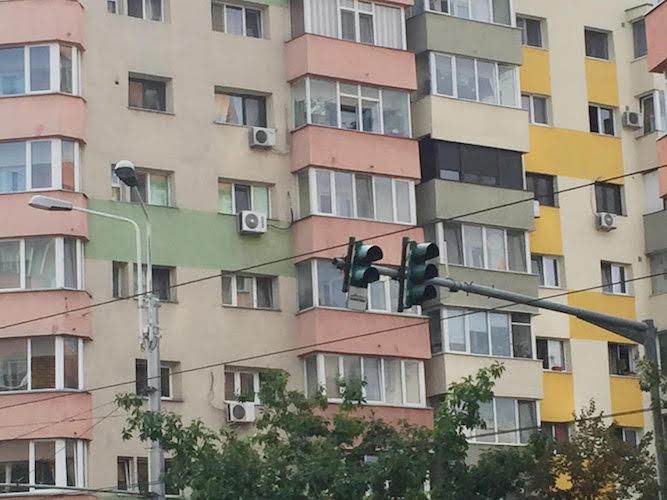
Bucharest AiR is an artist residency program in Bucharest, Romania, founded in , that hosts practitioners working with new media, performance, research-based work, video, installation, and site-specific interventions related to language, voice, public speech, and discourse. It offers tailor-made living and working spaces of around 50 square meters in or near the city center, with flexible durations of 1 to 3 months, ongoing applications year-round, and encourages transdisciplinary collaborations and public events like exhibitions or presentations. Residents must live and work in Romania during their stay, with priority for projects engaging the local Romanian context.
Casa Arte
Bucharest, Romania
Casa Arte offers artist residencies in Bucharest for visual arts, new media, performing arts, music, literature, film, etc. Shared/private rooms, studio, kitchen, 100 euro/week/person incl. accommodation & facilities.
Casa de Creatie
Vatra Dornei, Romania
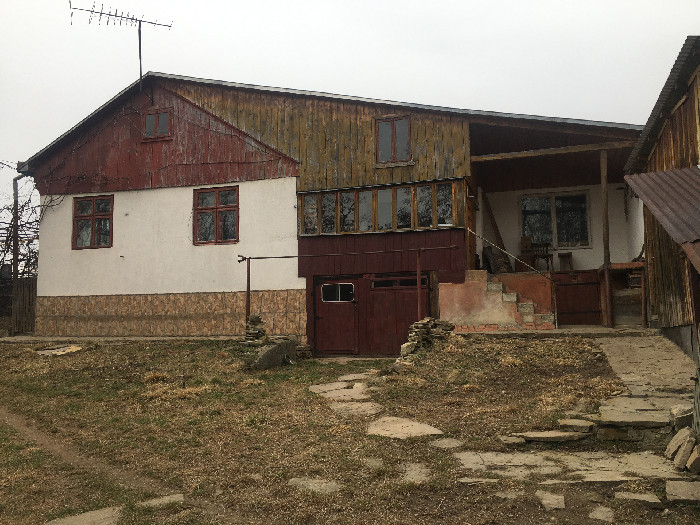
Casa de Creatie is an international artist and writer residency program located in Vatra Dornei, Romania, housed in a 100 square meter apartment on the upper floor of the former home of local painter Gavril Cacina, offering regular facilities and Wi-Fi. It is run by members of the Artfest Cultural Association and Zidul de Hartie art group, promoting arts, culture, and the Bucovina region while facilitating interactions between residents and local artists, with possible exhibitions or events arranged during stays. The program accommodates 3-4 guests, providing a quiet downtown location near forests, parks, and amenities.

Made in Sat
Marin Village, Romania
Made in Sat is a cultural initiative based in Marin Village, Sălaj County, Romania, dedicated to fostering artistic, educational, and community-based projects. Established through the restoration of a traditional house, the residency aims to preserve and promote local tangible and intangible heritage, emphasizing intergenerational and interethnic exchange. The residency welcomes international artists, including writers, researchers, photographers, painters, ceramists, and illustrators, offering them a peaceful rural environment to develop their creative projects. Participants have the opportunity to engage deeply with the local community, explore Romanian rural life, and collaborate with local artisans and craftspeople. The residency provides private accommodations, dedicated studio space within a library, and opportunities for artists to hold workshops, talks, or final exhibitions. Artists are encouraged to explore the intersection of their practice with rural Romanian culture, supported by community connections and regional heritage tours. Made in Sat values cultural diversity, fostering creative exchanges among Romanian, Hungarian, and Roma communities in the area. Its mission is rooted in enriching the local cultural landscape while providing artists with meaningful, immersive experiences in a rural setting.
The Romanian Association of Contemporary Art (ARAC)
Bucharest, Romania
The Romanian Association of Contemporary Art (ARAC) in Bucharest offers artist residencies, such as the ARAC Art & Residency and 58 Plantelor Residency, enabling international artists and curators to develop artworks for exhibitions while engaging with the Romanian cultural scene. Programs typically last six weeks, focus on themes like climate change, migration, and technology, and culminate in shows at venues like Anca Poterasu Gallery. ARAC, a non-profit founded in , promotes contemporary art through residencies, exhibitions, and cultural exchanges.
Theatre in Palm
Amsterdam, Netherlands
Theatre in Palm Residencies offers a unique opportunity for emerging theatre artists to develop professionally and expand their networks across Europe. Hosted in 12 partner countries, these two-week residencies focus on collaboration, inspiration, and the creation of shareable works. Each residency will produce a co-production in various forms, emphasizing themes like social impact, equality, and environmental sustainability. Participants will receive travel, accommodation, and compensation. The program aims to foster cross-cultural exchanges and enhance the visibility of emerging artists in the European theatre scene.