Artist Funding in Lithuania
Arts councils, grants, and funding bodies for artists
Creative Europe Desk Lithuania (Kūrybiška Europa)
Creative Europe Desk Lithuania is the national contact point for the EU’s Creative Europe programme, which co‑funds transnational cultural and creative projects. Visual arts organisations, galleries, and collectives in Lithuania can apply for cooperation projects, networks and platforms that support exhibitions, mobility, audience development and digital projects, usually as part of international consortia. Grant amounts vary widely, from small cooperation projects in the tens of thousands of euros to large multi‑year collaborations with six‑figure budgets.
Creatives Unite – So You Need Money! Funding Search Tool
While not a funder itself, the ‘So You Need Money!’ tool on Creatives Unite aggregates information on regional, national and project‑specific financing sources for cultural and creative sectors, including Lithuania. Visual artists can use it to identify relevant grants, loans, and support programmes across Europe, filtering by country, discipline and type of funding. It’s especially useful for locating less visible or short‑term calls.
Kaunas City Municipality – Culture Programme
Kaunas City Municipality provides funding for cultural projects that contribute to the city’s artistic life and legacy, building on its recent role as a European Capital of Culture. Visual artists and organisations can seek support for exhibitions, public art, educational initiatives and interdisciplinary projects in Kaunas. Funding is usually project‑based and co‑financing is expected, especially for larger or recurring events.
Klaipėda City Municipality – Culture and Creative Industries Support
Klaipėda City Municipality supports cultural and creative industries projects, including visual arts exhibitions, festivals, public art, and creative initiatives linked to the port city’s identity. Visual artists and organisations based in or working with Klaipėda can apply for project grants that typically cover part of production and presentation costs. Priority is often given to projects with strong local engagement and visibility.
Lithuanian Council for Culture
The Lithuanian Council for Culture is the main national arts funding body, supporting visual arts, literature, music, performing and applied arts across Lithuania. It funds project grants for exhibitions, production of new work, residencies, festivals, and cultural initiatives, as well as individual grants for creators’ living and working costs. In 2024 it funded 1,332 projects with over €19 million and awarded 638 individual grants totalling around €2.67 million, with visual arts being one of the key supported fields.
Lithuanian Culture and Art Council (Advisory Body)
The Lithuanian Culture and Art Council is an expert advisory body to the Ministry of Culture, focusing on cultural policy rather than direct grant distribution. While it does not typically administer open calls for artists, its recommendations influence priorities and frameworks for public arts funding in Lithuania, indirectly shaping opportunities for visual artists. Following its policy documents can help you anticipate shifts in funding themes and focus areas.
Lithuanian Culture Council – Individual Grants for Creators
Within the Lithuanian Council for Culture, the individual grants scheme provides monthly stipends to artists and cultural workers across disciplines, including visual arts. As of the 2024 report, individual grants were raised to about €800 per month, with the annual budget expanded from €1.6 million to €2.6 million, supporting hundreds of creators for periods typically ranging from several months to a year. These grants support creative work and professional development rather than specific project costs.
Lithuanian Film Centre
The Lithuanian Film Centre is a public institution under the Ministry of Culture that primarily funds film production, distribution and promotion, but it also supports moving image and media art projects where they intersect with cinema. Visual artists working with experimental film, video art, or hybrid practices can sometimes access development and production support, as well as travel funding for festivals and industry events.
Nordic Culture Point – Nordic–Baltic Culture and Art Programme
Administered by Nordic Culture Point in Helsinki, this programme funds cooperation projects in all areas of art and culture between at least three countries, at least two of which must be Nordic; Lithuanian partners often participate as Baltic collaborators. It supports the creation, production, presentation and dissemination of artistic work, knowledge exchange, and professional development, with grants of up to €7,000 (without co‑funding), €40,000 (at least 30% co‑funding) or €100,000 (at least 50% co‑funding). Visual artists can use it to fund collaborative projects, exhibitions, workshops and cross‑border residencies involving Nordic and Lithuanian partners.
Vilnius City Municipality – Culture and Arts Projects Funding
Vilnius City Municipality runs annual calls for cultural and artistic projects that animate the city’s public spaces, institutions and communities. Visual artists can apply (often via organisations or collectives) for support for exhibitions, site‑specific works, festivals, public art and community projects within Vilnius. Grant sizes are typically small to medium, intended to co‑finance local initiatives rather than cover full budgets.
Artist Residencies in Lithuania
13 residencies listed

Arts Printing House
Vilnius, Lithuania
Arts Printing House (Menų spaustuvė) is a non-profit artist-run performing arts center in Vilnius Old Town, housed in a former printing house since . It hosts theater, dance, circus, interdisciplinary projects, with 2 venues, rehearsal spaces, and supports NGOs.

Europos Parkas
Vilnius, Lithuania
The Artist Residency Program at Europos Parkas is an international residence situated in a beautiful landscape at the Sculpture Park, 19 km north of Vilnius, Lithuania's capital, serving as a meeting point for artists from diverse cultures. Open to creative people of any nationality and field throughout the year, it includes visits to Lithuanian cultural sites, artists' studios, museums, and galleries, along with seminars, discussions, and slide presentations tailored to individual needs.
Kintai Arts Residency
Kintai, Lithuania
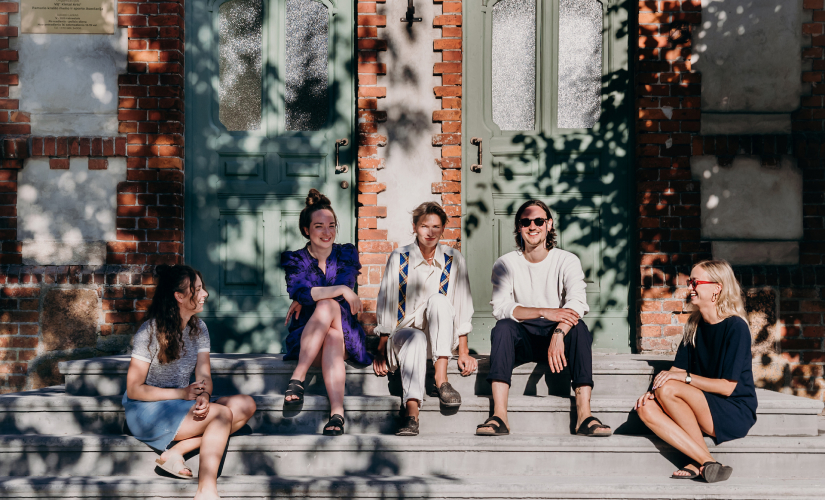
Kintai Arts Residency is an international artist residency program located in the rural village of Kintai on the coast of the Curonian Lagoon in Lithuania's Klaipėda region, offering a space for interdisciplinary artistic practice outside urban centers. It supports artists, curators, researchers, and others in visual arts, music, sound, and interdisciplinary fields through residencies in a former school building, emphasizing interaction with the local community and environment. The program provides accommodation, shared studios, and opportunities for public presentations, with open calls announced periodically.

KITOKIA GRAFIKA
Kaunas, Lithuania
KITOKIA GRAFIKA promotes independent comic culture via comics residency, publishing, risography press, workshops, and library/shop. Offers live-in studio with risographs, tools, and support for comics/visual artists.
Klaipeda Culture Communication centre
Klaipeda, Lithuania
The Klaipėda Culture Communication Centre (KCCC) offers an International Art Residency program for Lithuanian and international artists, curators, researchers, and creators to live and work in Klaipėda's old town. The process-based residencies encourage artistic research, community engagement, and experimentation, with residents implementing individual projects and participating in local activities, workshops, and presentations.
Lithuanian Artists' Association
Palanga, Lithuania
The Lithuanian Artists' Association (Lietuvos dailininkų sąjunga), based in Vilnius LT , Lithuania, is the official professional organization uniting painters and artists, promoting their work, protecting copyrights, and organizing galleries and creative efforts. It hosts artist residencies such as the Palanga Art residency near the Baltic Sea, offering a 150 m² workshop with projector and audio equipment, plus accommodation in 4 separate rooms suitable for artists and family. Activities include artistic research, production, public presentations, open studios, talks, workshops, and professional exchanges.