Artist Funding in Chile
Arts councils, grants, and funding bodies for artists
Centro Cultural Gabriela Mistral (GAM)
A leading public cultural center in Santiago that regularly hosts exhibitions, calls, and collaborative programs for artists and collectives. Its support is often more programmatic than cash-grant based, but it can be a major route to visibility, presentation, and project realization for visual artists.
Consejo Nacional de la Cultura y las Artes (historical predecessor of the current ministry system)
The former national arts and culture council helped establish Chile’s contemporary grant-based funding model and its legacy still shapes current public calls. While it no longer operates as a separate body, artists often encounter its program structure reflected in today’s funds, juried selection processes, and discipline-specific calls.
Corporación Cultural de la Municipalidad de Santiago
A major municipal cultural actor in the capital, often relevant for exhibitions, public programs, artist development, and locally rooted cultural initiatives. While not a national arts council, city-level institutions like this can be valuable for visual artists seeking venues, partnerships, and project support in Santiago.
Fondo Nacional de Desarrollo Cultural y las Artes (FONDART)
Chile’s flagship public grant program for cultural projects, widely used by visual artists for production, research, exhibition development, mediation, and circulation. Support is typically project-based and variable, with awards ranging from smaller development grants to larger production budgets depending on the call.
Iberescena (Programa de Fomento de las Artes Escénicas Iberoamericanas)
Although centered on performing arts, Iberescena is an important international public fund in Chile’s broader cultural mobility ecosystem and can matter for cross-disciplinary visual-art projects involving stage, installation, or intermedial collaboration. It supports residencies, creation, and circulation for artists from member countries, including Chile.
Ministerio de las Culturas, las Artes y el Patrimonio
Chile’s main public arts-funding authority, responsible for national cultural policy and the major competitive funds used by artists across disciplines. Visual artists can find support for production, circulation, research, training, residencies, and project development, usually through annual calls with highly competitive juried selection.
Programa de Internacionalización de las Artes Chilenas: Chile en el Mundo
A ministry-led program focused on the international circulation of Chilean creators and cultural goods and services. It supports strategic participation in overseas fairs, biennials, contests, exchanges, market development, and preparatory work such as dissemination, networking, and logistical support.
Servicio Nacional del Patrimonio Cultural
Chile’s national cultural heritage service, which can support projects linked to heritage, collections, archives, museums, conservation, and public cultural value. Visual artists working with heritage, public memory, or research-based practices may find opportunities through its programs or associated calls.
Artist Residencies in Chile
6 residencies listed
La Wayaka Current
Atacama, Chile
La Wayaka Current is an artist-led organization offering unique residency programs in some of the most remote and ecologically significant environments on Earth. Their residencies, based in the Desert (Atacama, Chile), Tropic (Guna Yala, Panama), and Arctic (Sápmi, Norway), provide creative professionals the opportunity to explore pressing socio-political and environmental issues through site-responsive, research-driven, and collaborative practices. These programs allow artists, cultural practitioners, writers, scientists, and others from multidisciplinary fields to immerse themselves in remote, nature-immersive environments while engaging with local indigenous cultures and ecologies. Through a combination of curated and self-directed activities, participants explore themes such as climate change, colonization, indigenous knowledge, and ecological conservation. La Wayaka Current’s goal is to foster a deeper understanding of the interconnectedness of art, nature, and social change by supporting projects that encourage environmental awareness and cultural exchange.
Laboratorio del Eco
Valparaíso, Chile
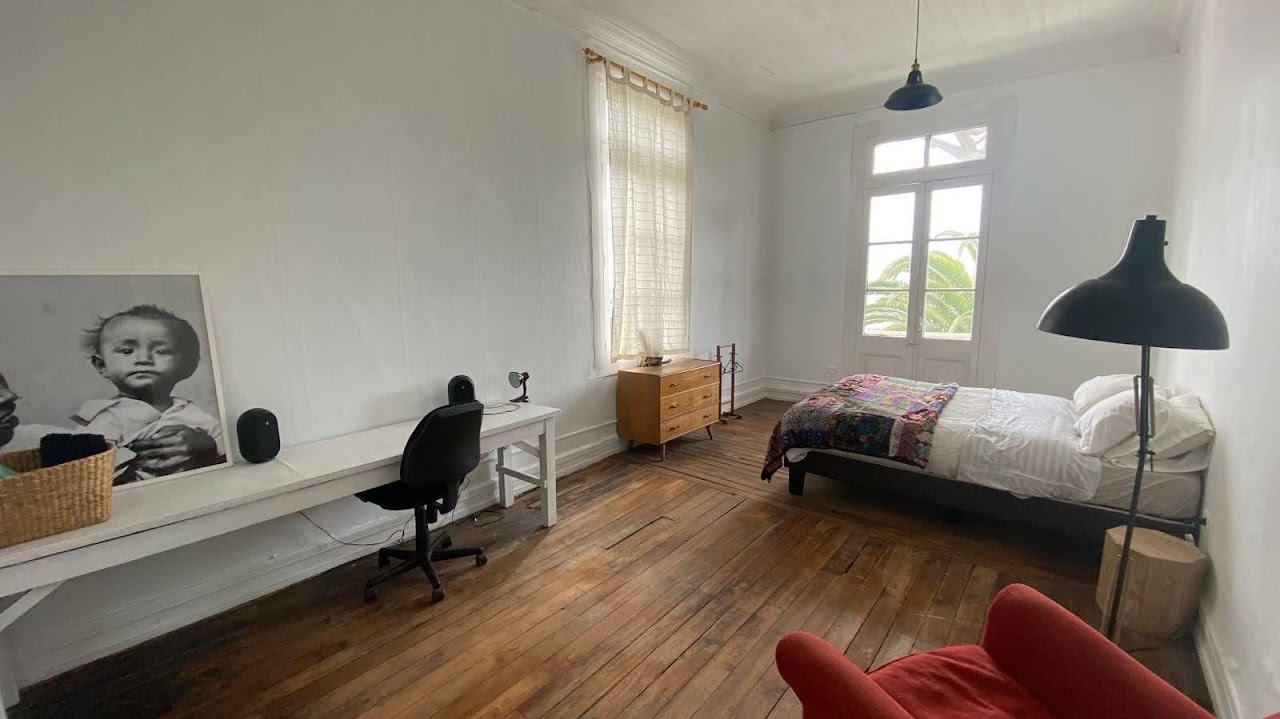
A 4-week creative residency in Valparaíso, Chile, established in 2022, focused on time-based and experimental arts including sound art, music, dance, performance, and poetry. The residency features a 3D audio room, piano studio with stereo system, white performance space, and a garden overlooking the bay. Projects exploring evanescence, flow, ecology, and technology are especially welcomed. Program fee: $500–650 USD, including private accommodation, creative facilities, and a final public presentation.
MAM – Museo de Arte Moderno Chiloe
Castro, Chile
Collective and individual artists international announcementARTIST RESIDENCIES PROGRAMME at CHILOE MUSEUM OF MODERN ARTMuseum provides areas dedicated exclusively to Artists Residence and workshops, which have been reactivated during 2012, thanks to support given by the National Ministry of Culture and Arts.Amenities: Boarding House + Workshops.Equipment: Separate bedrooms, shared bathrooms, kitchen, common spaces and large working p
Nave, Centro de Creación y Residencia
Santiago, Chile
NAVE is a creation and residency center located in Santiago's Yungay neighborhood that offers various artist residency programs including technical residencies, virtual research residencies, and curatorial programs. The organization facilitates artistic research and creative development through multiple residency formats.

SACO
Antofagasta, Chile
SACO Biennial, situated in Antofagasta, Chile, is a pioneering cultural organization that promotes dialogue, critique, and artistic collaboration through its diverse programs, including artist residencies, exhibitions, and educational initiatives. Located in the Atacama Desert, SACO offers a unique setting for artists to immerse themselves in a landscape known for its pristine skies and rich archaeological history. The ISLA Artistic Residency center, designed to foster creative work and networking, serves as a vital hub for artists, curators, and researchers. It provides a conducive environment for exploring the intersections of art and science, enhancing the development of SACO as a Contemporary Art Biennial. The residency emphasizes research, creative exploration, and community engagement, aiming to integrate artists into a vibrant local and international network. Residents benefit from curatorial support, networking opportunities, and the potential for collaborative projects, making SACO an invaluable resource for artistic and professional development.
Valley of the Possible
Curacautín, Netherlands
Valley of the Possible is an independent cultural non-profit offering artist residencies, research programs, and interdisciplinary exchanges in Cañon del Blanco, Chile, and at Gagel Farm, Netherlands. The organization provides space for artists, scientists, and cultural practitioners to engage with ecology, sustainability, indigenous knowledge, and non-Western narratives through self-directed and research-based residencies. Participants explore themes such as land stewardship, regenerative agriculture, and human-nature relationships while developing their creative practice. At its Chilean base, residents stay in a rustic lodge in the Andean rainforest, with direct access to hot springs, native forests, and volcanic landscapes. The Netherlands location at Gagel Farm provides a structured research residency with a stipend, public engagement opportunities, and mentorship. The organization has also facilitated past programs, such as Black Earth, which explored indigenous ecological knowledge and food systems, and Exploration of a Multiform Space, a project merging experimental architecture and vernacular design. Through public events, workshops, and interdisciplinary collaborations, Valley of the Possible fosters alternative cultural models and community-led ecological regeneration, creating a unique space for reflection, research, and artistic production.