Artist Funding in Brazil
Arts councils, grants, and funding bodies for artists
British Council Brazil – Emerging Artists Fund Brazil–UK
The Emerging Artists Fund Brazil–UK supports collaborations and exchanges between early-career Brazilian creatives and partners in the United Kingdom, often including visual arts, design, and interdisciplinary practice. Support can include project funding, travel, and residency or exchange structures, usually tied to concrete collaboration with UK institutions or festivals. Grant sizes vary by call but tend to cover travel, production, and small fees rather than full long-term support.
Caixa Cultural – Programas CAIXA de Apoio à Cultura
Caixa Cultural, funded by the federal bank Caixa Econômica Federal, runs calls to support exhibitions, festivals, and cultural projects in its gallery network and partner spaces across Brazil. Visual artists and curators can submit proposals for exhibitions and related educational activities; selected projects receive production support, technical assistance, and exhibition space, with budgets scaled to project scope. The focus is on public access and professional-quality presentation rather than unrestricted funding.
Ministério da Cultura – Funarte (Fundação Nacional de Artes)
Funarte is the federal arts foundation that runs regular selective calls (editais) supporting visual arts, photography, and interdisciplinary projects, as well as residencies and exhibitions in its own spaces. Grants usually fund project production, research, exhibitions, and circulation, and sometimes include travel and residency support. Amounts differ by edital, but selected visual arts projects commonly receive enough to cover materials, artist fees, and basic production costs within Brazil.
Ministério da Cultura – Fundo Nacional de Cultura (FNC)
The National Culture Fund is the federal government’s main direct cultural funding instrument, complementing tax-incentive mechanisms like the Rouanet Law. It supports projects across all arts, including visual arts, typically covering production, circulation, training, and audience development costs via competitive calls (editais). Grants vary widely by program line, but individual projects can often cover substantial production and exhibition budgets rather than basic living costs.
Ministério da Cultura – Lei Rouanet (Lei Federal de Incentivo à Cultura)
The Rouanet Law is a federal tax-incentive mechanism through which companies and individuals can redirect part of their income tax to pre-approved cultural projects. Visual artists usually access it by registering exhibitions, publications, educational programs, or institutional projects, then seeking corporate sponsors who use the tax rebate. Supported budgets can range from small-scale shows to large, multi-hundred-thousand-reais institutional projects, but funds are earmarked for project expenses and visibility commitments rather than unrestricted personal support.
Ministério da Cultura – Programas de Intercâmbio e Difusão Cultural
Through its cultural exchange and diffusion programs, the Ministry of Culture has periodically offered travel support for Brazilian artists and cultural agents to participate in exhibitions, residencies, and cultural events within Brazil and abroad. These grants generally cover transportation and sometimes per diem or accommodation, tied to specific projects or invitations rather than open-ended travel. Calls are competitive and oriented toward professional development and international visibility of Brazilian culture.
Ministério das Relações Exteriores – Itamaraty (Visual Arts and Cultural Diplomacy Programmes)
Brazil’s Ministry of Foreign Affairs, through Itamaraty, supports visual arts by promoting exhibitions, residencies, and cultural events in its embassies and consulates worldwide. Support is generally in-kind or project-based—such as hosting exhibitions, facilitating residencies, or co-funding specific events—rather than open calls for direct artist grants. Opportunities tend to prioritize Brazilian artists or Brazil-focused projects, but often involve partnerships with foreign institutions that can include international collaborators.
Secretaria da Cultura, Economia e Indústria Criativas do Estado de São Paulo – ProAC (Programa de Ação Cultural)
ProAC is the State of São Paulo’s main culture program, combining direct grants (ProAC Editais) and tax-incentive schemes to support arts projects, including visual arts, across the state. Visual artists can apply for production, exhibition, publication, and circulation projects, often with specific lines for independent spaces or regional initiatives. Grant amounts vary by edital but commonly fund full project budgets at a small to medium scale, including fees, materials, and some outreach costs.
Secretaria de Estado de Cultura e Economia Criativa do Rio de Janeiro – Lei Estadual de Incentivo à Cultura RJ
The State of Rio de Janeiro’s Culture Secretariat manages a tax-incentive law and culture funds that support a range of cultural projects, including exhibitions, festivals, and visual arts programs. Artists and organizations can propose projects to be approved and then seek sponsoring companies that receive state tax benefits, or apply directly to occasional grant calls. Supported budgets typically cover production and dissemination costs, particularly for projects with public access and regional impact.
Secretaria Municipal de Cultura de São Paulo – Programa Municipal de Fomento à Arte e Cultura
The São Paulo Municipal Culture Secretariat runs several funding lines and open calls that support independent cultural spaces, artistic research, and community-based projects, including visual arts. These municipal grants prioritize projects that take place in the city and emphasize accessibility, diversity, and engagement with local communities. Awards typically cover project production, artist fees, and activities over several months rather than long-term stipends.
Artist Residencies in Brazil
24 residencies listed
Mirante Xique-Xique (MXX)
Igatu, Brazil
Mirante Xique-Xique (MXX) is a non-profit artist-led residency located in the mountains of the Chapada Diamantina, Bahia, Brazil. The residency welcomes researchers and practitioners across various fields such as arts, architecture, cuisine, and environmental studies, including those involved in community practices, agroecology, permaculture, and bioconstruction. The aim is to provide an immersive environment conducive to research and creative projects, while promoting the authenticity and sustainability of the Chapada Diamantina region. MXX supports the maintenance of a community library, cultural activities, and environmental education for the Igatu community, emphasizing the safeguarding of both architectural and intangible heritage. MXX offers a unique opportunity for researchers and artists to engage deeply with the environment and community of the Chapada Diamantina, fostering meaningful connections and promoting sustainable practices.
RSJ (Residência São João)
São José do Vale do Rio Preto, Brazil
Residência São João (RSJ) is a dynamic art residency program located on a historic farm in São José do Vale do Rio Preto, Brazil, dedicated to fostering creative processes, artistic collaborations, and interactions with the natural environment. Established in 2012, RSJ offers a variety of residency spaces, including Casa Figueira, a beautifully renovated former stable that provides individual bedrooms, studio spaces, and communal areas for residents. Casa Figueira, as part of RSJ, encourages self-directed work and communal living, promoting critical discussions, workshops, and collaborative projects among artists, researchers, and creatives. The farm’s serene setting, combined with access to facilities like a library, swimming pool, and musical instruments, enriches the residency experience. RSJ places a strong emphasis on ecological awareness, integrating agroecological practices and nature preservation into its programs. The residency is open to individuals and collectives from diverse disciplines, with stays ranging from one to three months. Residents are selected based on the quality of their proposals, aiming to create a vibrant and inclusive community. Through its ongoing projects and partnerships, RSJ continues to make a significant impact on both local and international cultural landscapes.
Kaaysá Art Residency (Kaaysa)
Boiçucanga, Brazil
Kaaysá Art Residency is an artist-run organization located in the Brazilian Atlantic Forest, designed for artists, writers, and creators seeking to engage deeply with nature, local communities, and interdisciplinary practices. Founded and managed by women, the residency emphasizes decolonizing perspectives, reclaiming the wild body, and fostering non-hierarchical relationships. Kaaysá offers various programs, including themed residencies, open calls, and group initiatives, allowing for diverse creative formats and durations. The residency provides ample facilities, including private and shared studios, workshops, and recreational amenities, supporting up to 30 artists at a time. Participants can immerse themselves in the vibrant local culture, biodiversity, and collaborative environment. Kaaysá aims to integrate the local coastal region into the broader cultural circuit, leveraging its proximity to São Paulo for access to urban resources while promoting creative and ecological sustainability.
A L T O Art Residency
Alto Paraíso de Goiás, Brazil
A L T O Art Residency is a self-directed artist residency located in the mountains of Alto Paraíso de Goiás, Brazil, within 45 hectares of lush jungle bordering the Chapada dos Veadeiros National Park. The residency welcomes approximately ten artists per year for periods of 1 week to 3 months, emphasizing artistic production in dialogue with nature, sustainability, and eco-spiritual practices.
Alê Espaço de Arte
São Paulo, Brazil
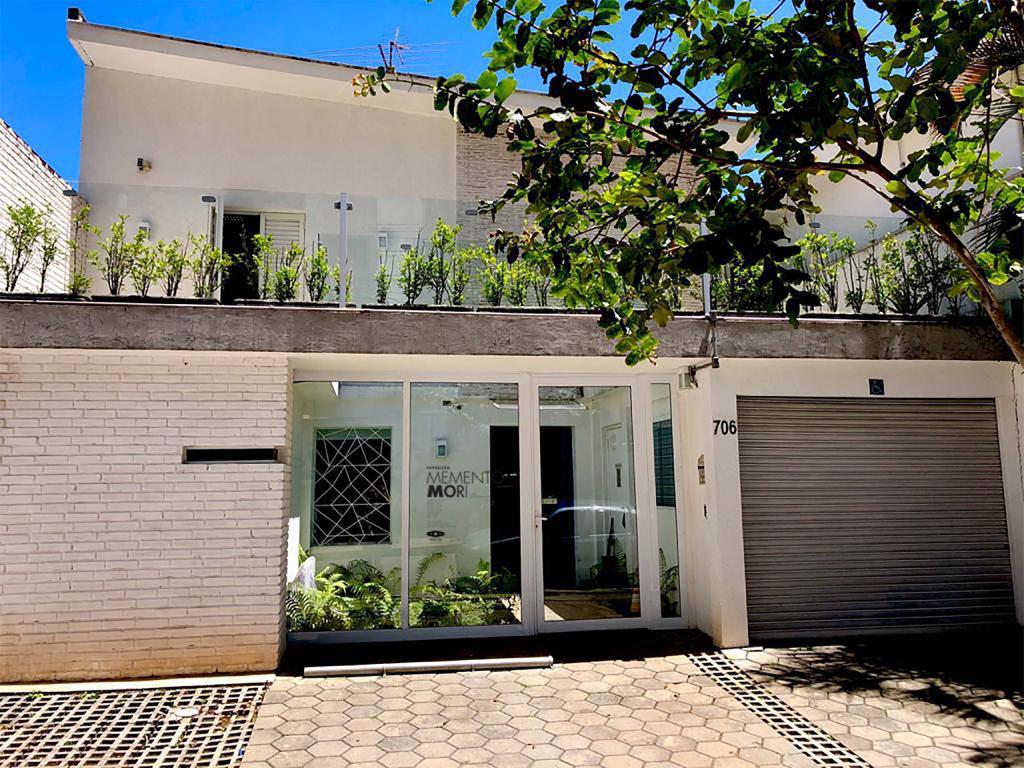
Alê Espaço de Arte in São Paulo offers an artist residency program providing 24-hour access to a shared or individual studio, Wi-Fi, materials storage, optional curatorial support, and a one-week exhibition at the end of the stay for artists to develop visual arts projects. Residencies last 30, 60, or 90 days in the Brooklin neighborhood, fostering immersion in local culture and collaboration without providing housing, though assistance in finding accommodations is available. All works produced remain the property of the artist, with the program supporting early-career visual artists through experimentation and visibility.
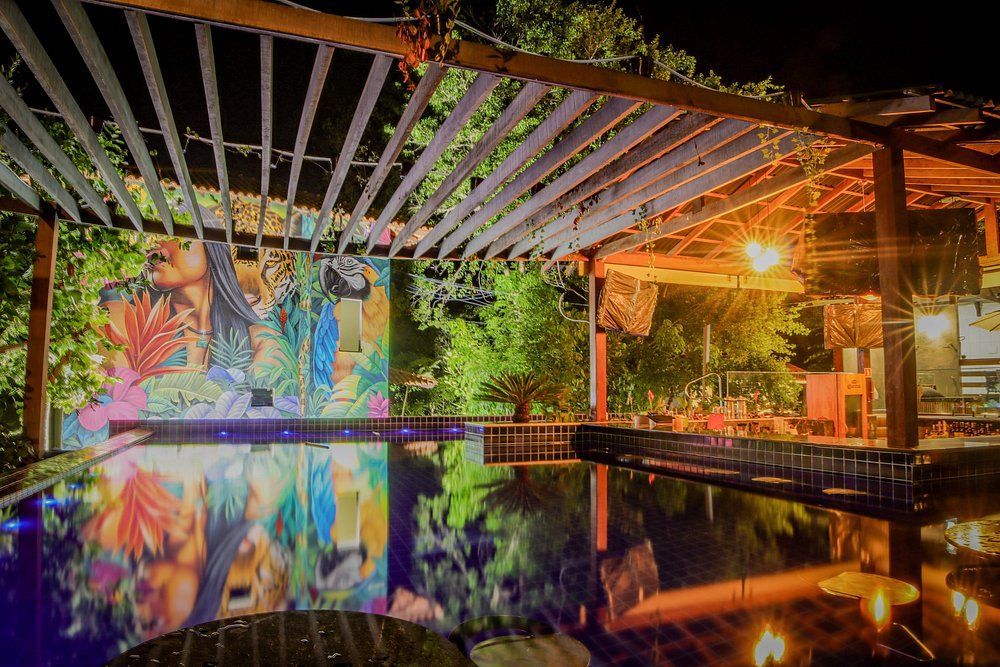
AMAZONIA - AMAZON IMMERSION
Alter do Chão, Brazil
A multidisciplinary artist immersive residency program located in the heart of the Amazon rainforest near Alter do Chão, offering deep engagement with nature and local culture through creative practice.