
City Guide
Wakefield, United Kingdom
Wakefield offers funded residencies, accessible studio space, and a focused regional arts scene without the pressure or cost of a major capital.
Wakefield is one of those cities that makes sense fast if you are trying to get work done. It is not trying to be flashy. What it offers is useful: funded residency options, strong support for making, accessible facilities, and a direct line into the West Yorkshire arts network. If you want time, space, and a setting where process matters more than performance, Wakefield is worth a close look.
Why Wakefield works for artists
The main reason artists come to Wakefield is simple: the city gives you room to work. Compared with larger UK art centres, day-to-day costs are lower and the pace is calmer. That can make a real difference if you are trying to stretch a residency fee, manage a materials budget, or stay focused on a project without distractions.
Wakefield also sits in a useful position geographically. Leeds is close, and the wider Northern England arts ecosystem is easy to reach by rail. That means you can have a quieter base without losing contact with curators, galleries, and other artists.
The city’s strongest draw is The Art House, a purpose-built organisation with residencies, accessible studios, maker spaces, exhibition space, and professional development support. It is not a gallery-first environment. It is a place built around making, testing, and developing practice.
That makes Wakefield especially good for artists who need:
- funded time away from regular work
- accessible accommodation and studios
- support with development, not just production
- a low-friction city for research and experimentation
- a regional base with access to wider networks
The Art House and its residency model
If you are researching Wakefield, start with The Art House. It is the city’s core residency hub and the clearest reason artists come here.
The main residency programme offers a series of one-month artist residencies each year. According to The Art House, these include a fee, a materials budget, paid travel, mentorship, studio space, and live/work accommodation in one of three accessible flats. That combination matters. A lot of residencies give you one or two of those things. This one gives you a fairly complete structure.
The access provision is also built in from the start. Residencies are tailored to individual needs, with access arrangements agreed in advance. For disabled artists, or anyone who needs a residency to fit around specific support requirements, that can remove a lot of stress before you arrive.
The Art House describes its residencies as support for artists at key moments in their creative journeys. In practice, that means the programme suits artists who are:
- moving between study and independent practice
- returning to work after a break
- looking for a focused stretch of production time
- working outside the usual gallery or studio route
- needing a space that centres process over finished output
The organisation also makes it clear that it supports artists from across the UK and internationally. So even if you are not based in Yorkshire, Wakefield can still work as a practical residency destination.
Key residency opportunities in Wakefield
The Art House residency programme
This is the main option for many artists. It is geared toward experimentation and supported development, with on-site accommodation and access to professional support. The emphasis is on helping you progress your practice in a meaningful way, not on forcing a polished final outcome.
If you need space to test ideas, work through new materials, or step away from your usual context, this is a strong fit.
ROSL International Artist Residency with The Art House
This partnership between The Art House and the Royal Over-Seas League offers two fully funded, two-month residency opportunities for artists working internationally who have not yet exhibited or worked in the UK. It is aimed at artists living in a Commonwealth or former Commonwealth country, the USA, EU, EEA, or Switzerland.
The residency is split between Wakefield and London, which is useful if you want studio time but also need access to institutions, meetings, and professional contacts in the capital. The programme supports networking and creative development, and includes visits to key contemporary art institutions and events.
This is a particularly good fit if you are entering the UK context for the first time and want a residency that combines production with cultural orientation.
Crafting the Future residency
For makers and designers, Crafting the Future is one of the most interesting newer opportunities in Wakefield. It supports an emerging maker or designer to research, reinvent, and innovate within an endangered craft practice.
The residency is one month long and offers studio space, accommodation, a support budget, technician-supported access to print, ceramics, and darkroom facilities, plus one-to-one coaching and mentoring. It is designed for UK-based artists and designers with an interest in craft, sustainability, and material-led practice.
If your work sits between design, making, and cultural memory, this residency is a very natural match.
Graduate residency support
The Art House also runs graduate-focused residency activity. This is useful if you are early in your career and need a bridge between art school and the wider professional field. The exact structure can vary, but the general emphasis stays the same: making, learning, and building confidence in a supported setting.
What the city feels like as a working base
Wakefield is not a city built around a dense gallery strip or a constant stream of art-world traffic. That is part of its usefulness. You can work without feeling pulled into a performance of busyness.
In practical terms, the city is more affordable than London, and usually easier on the budget than many larger southern art hubs. If you are trying to make a residency fee last, that matters. Food, local transport, and accommodation can be more manageable, and many residencies at The Art House include housing directly, which reduces pressure further.
For short stays, the most practical area is usually Wakefield city centre or somewhere close to The Art House. That gives you walkable access to studios, public transport, shops, and any events you want to attend. If you need a larger cultural ecosystem, Leeds is close enough to function as a nearby extension of your residency base.
As a working city, Wakefield is especially good for artists who want a compact routine: studio, accommodation, food, rest, repeat. That can sound plain, but plenty of good work comes out of exactly that kind of structure.
Studios, institutions, and the wider arts context
The Art House is the central studio infrastructure in the city. It offers more than fifty accessible artists’ studios, exhibition spaces, maker facilities, shop and café spaces, and accommodation. It also has print, ceramic, and darkroom access, which is a real advantage if your practice moves across disciplines.
Wakefield also benefits from two major regional institutions nearby:
- The Hepworth Wakefield, a major contemporary art museum that shapes the city’s cultural identity
- Yorkshire Sculpture Park, one of the most important art destinations in the UK for sculpture, installation, and outdoor work
For visiting artists, these institutions matter because they shape the kind of conversations you can have while you are there. Wakefield is a good base if your work connects to sculpture, land, public art, installation, or contemporary visual culture more broadly.
The Art House also uses its own spaces for exhibitions, artist talks, blogs, and workshops. So even though it is not a gallery in the usual sense, there are still opportunities to show work in progress, meet people, and take part in public-facing activity when that makes sense for your practice.
Transport and access
Wakefield is unusually easy to reach for a city of its size. It has two main stations, Wakefield Westgate and Wakefield Kirkgate, with strong rail links to Leeds and connections beyond. Westgate is especially useful if you need direct services to London.
That rail access matters if you are coming for a residency and also need to visit other institutions, meet people in Leeds, or travel onward across the UK. For artists carrying work or materials, the city’s road links are also practical.
Within the city itself, you can usually rely on walking, local buses, or short taxi rides. If you are staying in the centre, the daily logistics stay fairly simple.
Who Wakefield suits best
Wakefield is a strong match for artists who want support without too much noise. In particular, it works well for:
- early-career artists who need structure
- artists returning to practice after a break
- disabled artists looking for an accessible setting
- makers and designers working with materials
- international artists looking for a first UK residency
- research-led artists who value quiet and time
- artists who want support for process, not just presentation
If you are looking for a scene where the main expectation is to keep producing visible content, Wakefield may feel too calm. If you want time to think, make, test, and meet people on a human scale, it fits very well.
Planning your residency visit
For a Wakefield residency, the smartest move is to think ahead about what kind of support you need. If access is important, ask early and clearly. The Art House is built to accommodate different needs, but it is still better to set that conversation up before you arrive.
If you are coming internationally, check visa requirements carefully. A residency listing does not replace immigration advice, and the right route depends on your nationality, the length of stay, and the activity you will do while in the UK. If you are giving talks, workshops, or public presentations, make sure those activities fit your status too.
Timing is also worth planning around. Spring and autumn are often the most comfortable seasons for working and moving around the city. Summer is good if you want to combine your stay with visits to YSP and other outdoor or regional destinations. Winter can be useful if you want deep studio focus and do not mind shorter days.
How to think about Wakefield as an artist destination
Wakefield is not trying to impress you with scale. It wins by being useful. The city offers a rare combination of access, support, and regional connection, anchored by The Art House and strengthened by the presence of major nearby institutions. If your practice needs time, space, and a serious environment for making, Wakefield gives you that without the overhead of a bigger art city.
For many artists, that is exactly the kind of residency setting that leads to real progress.
Useful places to start:
Residencies in Wakefield
Royal Over-Seas League
Wakefield, United Kingdom
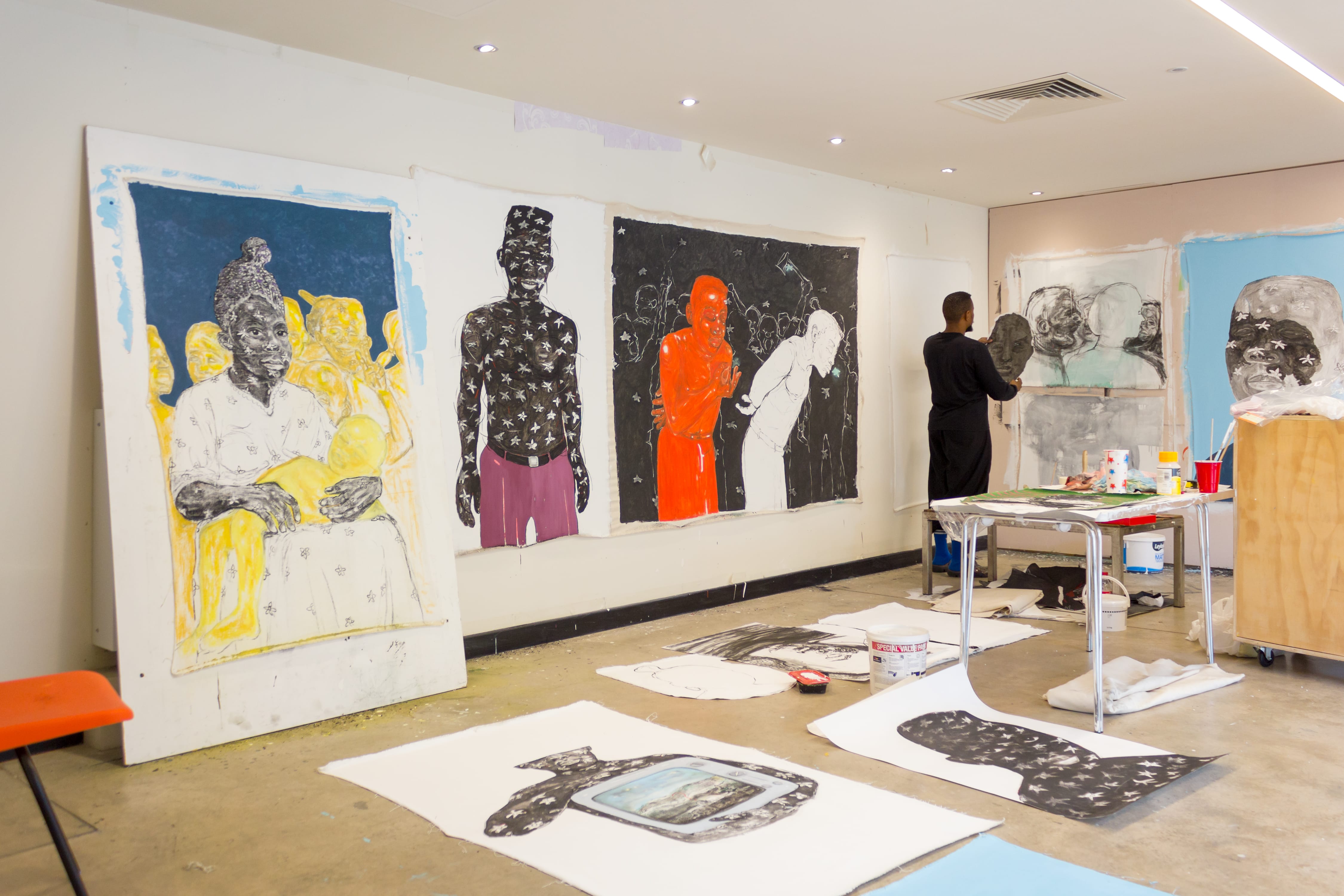
The Royal Over-Seas League (ROSL) partners with The Art House in Wakefield, West Yorkshire, UK, to offer two fully funded two-month artist residencies annually for international visual artists from Commonwealth or former Commonwealth countries, the US, EU/EEA, or Switzerland who have not yet exhibited or worked in the UK. Residents receive dedicated studio space, on-site accommodation, travel/visa coverage, per diem, material budgets, access to print, ceramic, and darkroom facilities with technician support, plus networking and professional development opportunities including visits to London galleries. The program emphasizes creative development over mandatory outcomes, with optional open studios or exhibitions.
The Art House
Wakefield, United Kingdom
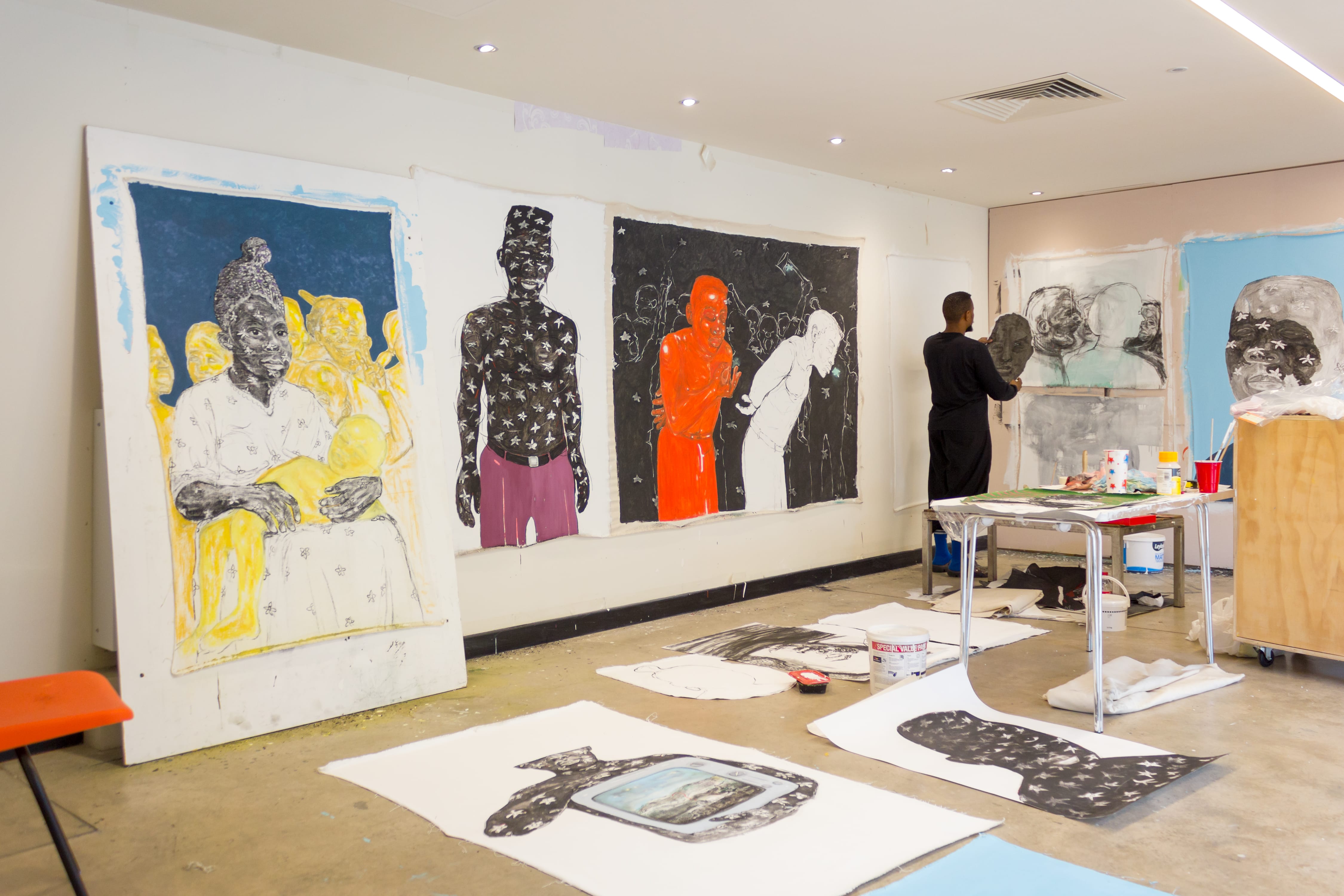
The Art House in Wakefield offers fully funded, two-month international artist residencies in partnership with the Royal Over-Seas League (ROSL) for artists living outside the UK who have not yet exhibited or worked there. The program provides studio space, accommodation, materials budget, travel costs, mentoring, and professional development support, with artists encouraged to experiment and develop their practice without requirement to produce finished work.
Explore United Kingdom
More city guides
Opportunity Intelligence
Ready to find your next residency?
Get a personalized shortlist — scored against your practice, discipline, and what you need right now.
See how Intelligence works →