
City Guide
Toronto Island, Canada
Toronto Island gives you a rare mix of retreat, water, and access to the city’s wider art scene.
Toronto Island is one of those places that can reset your practice fast. You’re still connected to Toronto’s dense arts ecosystem, but once you get off the ferry, the pace changes. The car-free setting, the waterfront, and the island’s quieter rhythm make it easier to think, draft, test, and finish work without the usual city noise pulling at you.
If you’re looking at artist residencies in Toronto Island, the main name to know is Gibraltar Point Centre for the Arts. A few other residency models have also used the island, including ecology-focused and family-inclusive programs. Together, they show why this part of Toronto keeps attracting artists: it supports focused studio time, but it also leaves room for conversation, ecology, and community.
Why Toronto Island works so well for artists
Toronto can be a demanding city to work in. Housing is expensive, studio space is competitive, and the pace can make it hard to protect deep work time. Toronto Island gives you a different frame. You’re close enough to downtown for galleries, meetings, and research, but separated enough to stop feeling pulled in ten directions.
That split is the real appeal. You can use the island as a place to make work, then return to the city for openings, studio visits, and conversations. For many artists, that balance is ideal: retreat without isolation, access without constant interruption.
- Best for deep studio time: writers, painters, printmakers, and interdisciplinary artists who need quiet.
- Best for material thinking: artists working with ecology, natural materials, or site-responsive work.
- Best for short stays: people who want a concentrated reset rather than a long-term move.
- Best for city access: artists who want to stay connected to Toronto’s galleries and networks.
Gibraltar Point Centre for the Arts
Gibraltar Point is the core residency site on Toronto Island and the one most artists will encounter first. It’s a long-running center that has hosted artists since the late 1990s, and its setup is straightforward in a good way: bedrooms, studios, shared kitchen space, and a setting that makes it easier to get to work.
The residency offers self-directed stays for artists and writers, with private or shared studio arrangements depending on the program and group size. The facility can accommodate up to 19 residents, and small groups can share studios comfortably. Residencies can range from a week to a month, which makes it flexible if you’re planning research, a writing sprint, or a focused production period.
What makes Gibraltar Point useful is not a flashy program structure. It’s the combination of privacy, calm, and practical support. You get a room, studio access, a common kitchen, and enough separation from your usual environment to make real progress. If your practice depends on regular momentum, that matters.
There are a few practical details worth knowing before you go:
- Residents usually arrive on a set ferry time, with shuttle support on move-in day.
- A brief orientation is required before access to rooms and studios.
- Food is generally self-catered, so plan for groceries and transport.
- International artists should check visa or entry requirements well ahead of time.
- Residency confirmation letters may be available for grant or travel support.
If you want a residency that feels quietly self-contained but still sits inside a major art city, this is the most dependable place to start.
Interwoven: Art and Ecology of the Island
Interwoven is a themed residency based at Gibraltar Point that focuses on art, ecology, and material practice. It is built for artists who want to work with natural materials, share skills, and think about the island as an active environment rather than just a backdrop.
The program has included practices like spoon carving, loom weaving, willow and dogwood basketry, natural pigment making, fabric dyeing, broom making, painting, and natural sculpture. That mix tells you a lot about the residency’s shape. It’s hands-on, process-based, and rooted in making with close attention to place.
This kind of residency is a strong fit if your work already touches land-based practice, sustainability, craft traditions, or ecological research. It also suits artists who like being in a cohort. Instead of disappearing into solo studio time, you’re working alongside others, trading techniques, and responding to shared conditions.
A residency like this can be especially valuable if you want your process to stay porous. You’re not just producing objects; you’re paying attention to materials, weather, systems, and relationships. That makes the island itself part of the work.
- Good fit for: craft-based artists, ecologically minded artists, and makers who enjoy peer exchange.
- Structure: cohort-based, with shared studios and communal learning.
- Practical note: participants usually cover their own food and travel.
- Helpful bonus: a residency confirmation letter may support grant applications.
Other island residency models worth knowing
Toronto Island has also hosted residency models that show how flexible the site can be. Some of these are older or special-program examples, but they still help explain the island’s strengths.
Thematic residency models
Thematic residencies on the island have paired studio space with mentorship from a visiting artist, curator, or critic. That structure works well if you want more than private time. It gives you a chance to test ideas in conversation, sharpen the conceptual frame of a project, and build a peer network while you work.
For artists who like critique and dialogue, this model can be more productive than a fully independent stay. The island setting keeps the atmosphere calm, while the program adds enough structure to keep ideas moving.
Artist-parent and child-inclusive residency models
Toronto Island has also been used for child-inclusive residency programming, including a week-long artist-parent model that allowed caregivers to live and work alongside their children. That matters. It shows that residency life on the island has made room for artists whose working conditions don’t fit the default solo-studio model.
If you’re an artist with caregiving responsibilities, it’s worth asking directly whether a program can accommodate children or family needs. Even when a residency is not formally child-inclusive, the island setting and studio layout may still make some forms of family participation more workable than a typical city studio.
Alchemy Artist Residency
Alchemy is an artist-led initiative that connects art, food, farm, and community across Toronto Islands and Prince Edward County. It is more relational and cross-disciplinary than a standard studio residency, which can be a real advantage if your work grows through exchange, conversation, and shared experience.
If your practice sits near social engagement, food systems, collaborative making, or site-based process, keep an eye on it. Just make sure to check which location is currently active, since the initiative spans more than one setting.
Getting there without making the trip harder than it needs to be
Toronto Island access is simple in theory and a little more involved in practice. You travel by ferry from downtown Toronto, and once you arrive, movement is mostly by foot, bike, or shuttle. That means packing with care. Oversized luggage, fragile materials, and heavy tools all need a plan.
For Gibraltar Point especially, check your ferry and shuttle instructions before you leave the mainland. The residency tends to organize arrival around a specific ferry, and the shuttle is usually tied to that move-in window. If you miss it, the whole arrival gets more awkward than it needs to be.
Winter and summer also change the logistics. Ferry routes can differ by season, and the island feels very different depending on when you arrive. Winter gives you quiet and concentration. Summer gives you easier outdoor movement, better weather, and more time outside the studio.
- Pack light if you can.
- Use rolling luggage or a backpack that can handle uneven terrain.
- Bring supplies you know you’ll need, since leaving mid-project can cost you time.
- Plan groceries with your food setup in mind.
How Toronto supports the residency experience
One of the strongest reasons to choose Toronto Island is that you’re still close to a serious art city. Toronto has a large network of galleries, artist-run centers, universities, publishers, and public programs. That matters if you want to pair quiet studio time with visibility and connection.
During or after a residency, artists often connect with venues such as Gallery 44, YYZ Artists’ Outlet, Mercer Union, Vtape, Xpace Cultural Centre, the Art Gallery of Ontario, the Museum of Contemporary Art Toronto, and The Power Plant. There’s also a strong event calendar around photography, open studios, institutional talks, and artist-run programming.
So even if the residency itself feels removed from the city, your work doesn’t have to be. A stay on the island can be the calm center of a larger Toronto visit: making work in one place, then stepping back into the city to share it.
Which island residency fits which kind of artist
If you want the simplest answer, start here:
- Choose Gibraltar Point if you want a quiet, self-directed residency with reliable studio time.
- Choose Interwoven if your practice is tied to ecology, natural materials, or collaborative making.
- Choose a thematic residency if you want mentorship, critique, and a more structured program.
- Choose a child-inclusive model if caregiving is part of your working reality and you need residency life to reflect that.
- Choose Alchemy if your work is social, food-based, or community-centered.
Toronto Island is not the place for every project, but for the right one, it can be exactly the kind of interruption you need. The island slows your body down a little, clears the noise, and gives your work room to breathe. If you want a residency that feels close to the city but outside its pressure, this is a smart place to look.
Residencies in Toronto Island

AGO X RBC Artists-in-Residence
Toronto, Canada
The AGO x RBC Artist-in-Residence Program supports early-career artists with three-month hybrid residencies at the Art Gallery of Ontario, offering mentorship and resources to develop projects engaging museum audiences.

Connected Minds by Sensorium at York University
Toronto, Canada
The Connected Minds Artist-in-Residence program, hosted by Sensorium at York University, offers a unique opportunity for artists to engage with the intersection of media arts, performance, and digital culture. This residency supports artist-researchers from equity-deserving groups to explore the social impacts of emerging technologies. Participants will develop research-creation experiments, hold workshops and talks, and produce a public exhibition. The residency emphasizes collaboration with students and faculty, fostering interdisciplinary exchanges across neuroscience, intelligent technologies, and society. The program provides a stipend, a research budget, and access to extensive resources and facilities at York University. Artists are expected to be on-site regularly and contribute to the Connected Minds community through various engagements. The residency can be six months or one year, depending on the project, and is open to artists worldwide.
Drake Hotel
Toronto, Canada
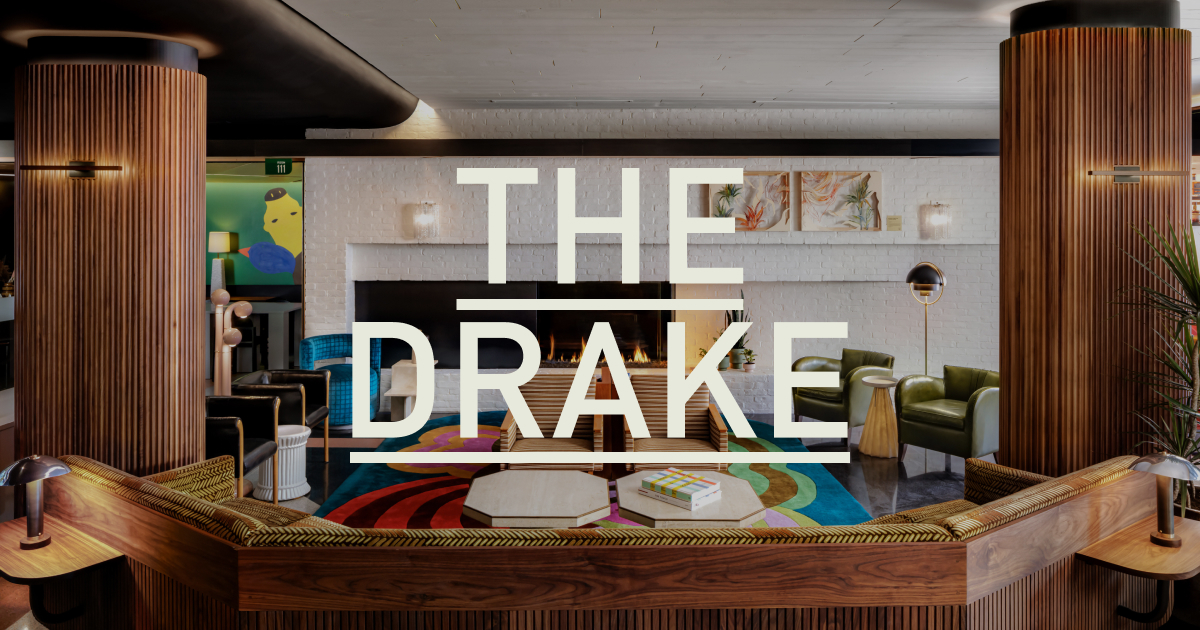
The Drake Hotel in Toronto offers an Artist in Residency program that provides artists with accommodation to work in their chosen medium, often in public hotel spaces, fostering creativity and experimentation in a unique environment. The program has been a staple in Toronto's creative scene for years, hosting local, national, and international artists, and includes related offerings like the Artist Loft for touring performers. A sister program at Drake Devonshire in Prince Edward County features 2-3 night stays with food allowances during winter months.
Explore Canada
More city guides
Opportunity Intelligence
Ready to find your next residency?
Get a personalized shortlist — scored against your practice, discipline, and what you need right now.
See how Intelligence works →