City Guide
Garravagh, Ireland
How to use rural West Cork residencies as your working base, even if “Garravagh” isn’t on the art map yet
First, about “Garravagh”
There doesn’t appear to be a recognised arts hub or city officially called Garravagh linked to artist residencies. When you look at the actual programs that come up around that name, they cluster around West Cork, Ireland and nearby coastal areas.
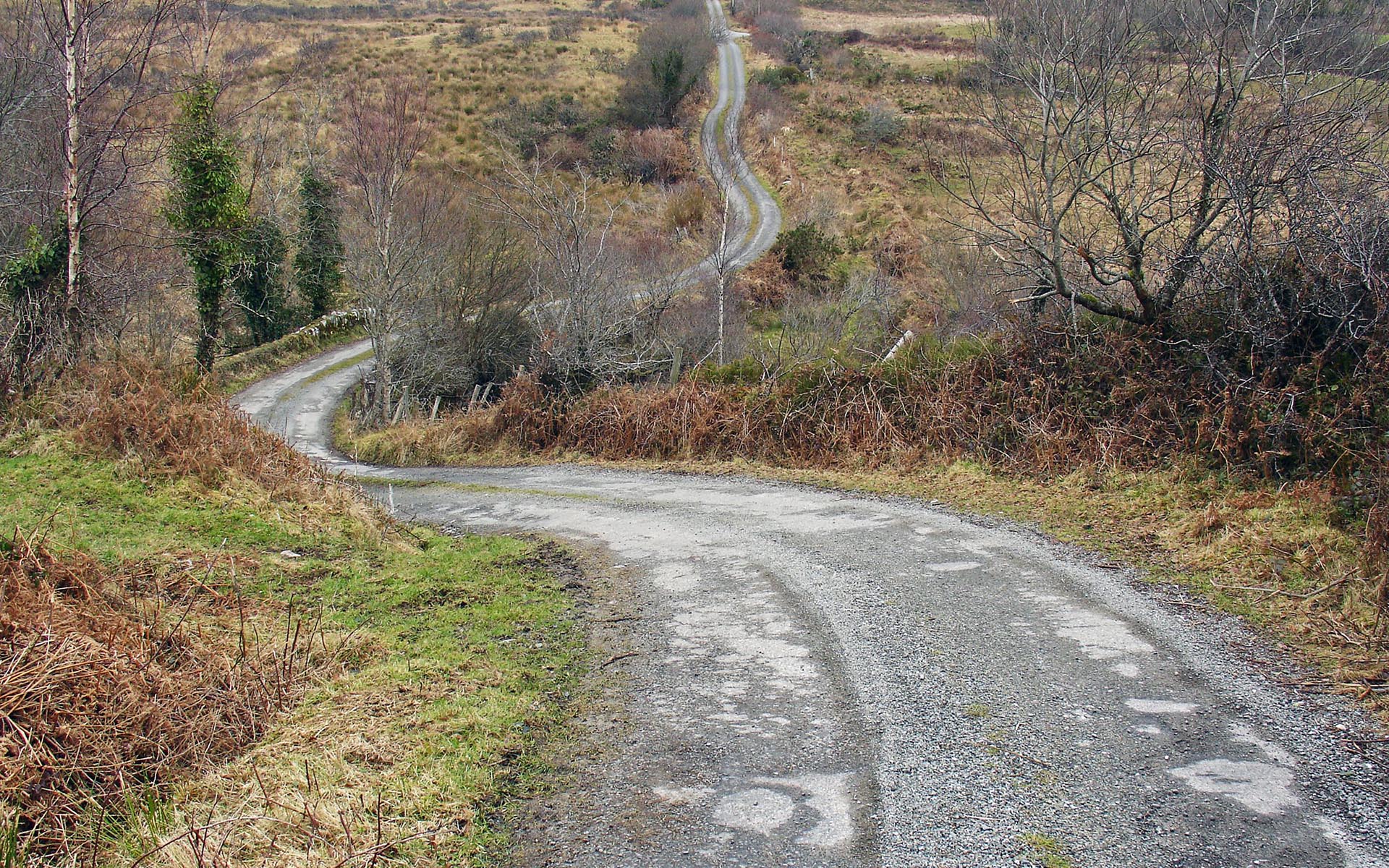
So this guide treats Garravagh as the kind of rural West Cork base many artists imagine: quiet countryside, ocean not far away, and a handful of serious residencies within driving distance. You can use this as a working guide if you’re planning time in West Cork and want to plug into residencies around there.
The residencies you’ll see below orbit the same ideas: time, space, nature, and a slower pace that supports deep work rather than constant networking.
How West Cork feels as a working base
If you set yourself up in or near Garravagh-style countryside in West Cork, your day-to-day rhythm will probably look like this: studio or desk time, walks by fields or coastline, and once or twice a week a trip to a nearby town for groceries and a dose of human contact.
For many artists, that’s the whole point. You’re not going for a gallery district or nightlife; you’re going for:
- Quiet, rural isolation with very few interruptions
- Dramatic coastal light and weather that can change by the hour
- Small villages with pubs, cafés, and a slower social pace
- Access to Cork city when you need art supplies, exhibitions, or transport
Most residencies in this part of Ireland are built on that mix of solitude plus just enough infrastructure to keep you working and sane.
Carraig-na-gCat (Albers Foundation): solitude with an ocean horizon
Location: Near Glandore, West Cork, Ireland
If your mental picture of Garravagh is a farmhouse above the sea with a studio in a stone outbuilding, Carraig-na-gCat is almost exactly that.
What Carraig-na-gCat actually is
Carraig-na-gCat is the Albers Foundation’s residency in West Cork, set in a traditional farmhouse about two miles from the fishing village of Glandore. The name means “Rock of the Cats,” tied to a local folktale about fairy cats stealing the harvest. That mix of minimal architecture, landscape, and quiet is very much in line with the Albers ethos of living simply to make art well.
You can expect:
- A farmhouse base with wide views over countryside, sea, and distant islands
- One or a very small number of artists staying at the same time
- Private bedroom and bathroom for each artist
- A separate stone house studio in the garden for painting, writing, or other studio work
- Spaces for downtime: a library with a fireplace, outdoor benches looking out to the Atlantic, and walking access to hilly landscapes and a rocky beach
Residencies typically run a few weeks (in some calls, around four weeks), though exact duration and dates are set by the program and can change over time.
Who this suits
Carraig-na-gCat is best if you want:
- Solitude and focus: a quiet, somewhat isolated set-up with minimal distractions
- Landscape as material or backdrop: painters and photographers often respond to the light and the coastline, while writers tend to soak up the atmosphere
- Simple but thoughtful living: nothing flashy, but carefully considered spaces to work and rest
If you’re used to city residencies with public programmes, this will feel stripped back. You are essentially dropped into a beautiful, quiet environment and trusted to get on with your work.
How it works with a Garravagh-type base
If you’re imagining renting your own place in rural West Cork (what you’re calling Garravagh) and piecing together time there, Carraig-na-gCat can function as a structured, supported block inside a longer, self-directed stay. Spend a month at the residency, then move into your own low-key rental nearby to extend the work on your own terms.
Uillinn West Cork Arts Centre: studios and health-linked projects
Location: Skibbereen, West Cork, Ireland
Skibbereen is one of the small towns that can realistically function as an anchor if you’re staying in rural West Cork. Uillinn West Cork Arts Centre provides studio residencies and research-focused opportunities, some of them connected to the Arts for Health programme in the region.
What Uillinn offers
Uillinn’s Artist Residency Programme is designed for artists of any discipline who want time and space to work, but also some dialogue with an organisation, local community, and public audiences.
Core features:
- Three artist studios on Level 2, suited to visual artists and writers, in the 18–21 m² range
- A fourth studio on Level 4 for dancers, musicians, and performers, equipped with barres, mirrors, and wired for sound and projection
- Research and residency supports for artists interested in arts and health, particularly through the Arts for Health West Cork programme
- Connection to local organisations and community settings in Cork and beyond
While not a retreat in the same sense as Carraig-na-gCat, Uillinn gives you a professional arts centre context, with staff, audiences, and local partners.
Best fit
Uillinn works well if you:
- Want a studio in a small town rather than a completely isolated farmhouse
- Have an interest in arts and health practice, participatory work, or socially engaged projects
- Prefer some public-facing element (talks, workshops, open studios) alongside your own research
If your Garravagh base is somewhere in the Skibbereen–Glandore–Union Hall area, Uillinn can be your town-side anchor: a place to show up, work in a dedicated studio, and get to know an art centre team, while living out in the countryside.
Glenkeen Garden Residencies: art collectives in a sculpted landscape
Location: Glenkeen Garden, West Cork, Ireland
Glenkeen Garden is a 10-hectare garden on the coast of West Cork, running down to Roaringwater Bay. It’s not a public sculpture park in the usual sense; it’s a carefully designed garden landscape with zones punctuated by sculptures from established artists.
What the residency is about
The Crespo Foundation invites art collectives to Glenkeen Garden for around three months at a time, usually in two seasons per year. The focus is specifically on exploring the relationship between humans, nature, and art.
Expect:
- Collective-based selection: applications are for groups rather than solo artists
- A long enough stay (around three months) to develop substantial projects or research
- Immersion in a designed landscape: willows, coastal views, garden rooms, and sculpture zones
It’s less a neutral studio and more a curated site. If you’re responsive to environment and site-specific questions, that’s a strength, not a limitation.
Who this suits
This residency makes sense if you:
- Work within a collective or collaborative practice
- Are comfortable treating landscape and garden as material
- Want a longer, research-heavy stay rather than a short, intense sprint
If you’re based in a Garravagh-type rural rental, Glenkeen is further along the coast, so you’d typically apply specifically to the Glenkeen programme rather than commuting. But framing your whole time in West Cork as a mix of self-organised rural work plus a collective residency at Glenkeen is a very workable plan.
Crithir: rural studio residency immersed in nature
Location: West Cork, rural setting
Crithir is described as a rural creative hub in West Cork. The emphasis is on being “immersed in nature,” with studio space and residencies for artists who want that kind of environment.
What’s on offer
While details shift from call to call, you can expect:
- Dedicated studio space for residents
- A setting surrounded by countryside and natural landscape
- A focus on time and space to work rather than heavy public programming
This aligns well with the Garravagh idea: a quiet rural residence where the main structure is the studio and your own practice.
How to think about Crithir in your planning
If you plan a self-directed stay in West Cork, Crithir can function as either:
- A residency block in the middle of longer independent research time
- Your main studio base if you don’t want to sign a private rental contract or spend time hunting for short-term housing and workspace separately
For artists who want to stay close to nature but still have a proper studio and some residency structure, Crithir is a useful option.
Paul McVeigh West Cork Residency: writers’ cottage experience
Location: Rural West Cork (cottage setting)
This residency is structured specifically for emerging writers of fiction and non-fiction living in Ireland and the UK. It’s hosted in a cottage with a separate outbuilding, and the focus is as much on professional development as on quiet time to write.
What writers get
The residency typically offers:
- Accommodation in a cottage, with two places in the cottage and one in the separate outbuilding
- Travel covered to get you to West Cork (standard class)
- Welcome support from the organisers, including a dinner and chance to settle in
- Structured professional development:
- Group sessions with established writers
- Guidance on agents, publishing, and live reading
- One-to-one or small-group consultancy on your work
- Resources like reference books and subscriptions connected to publishing and writing
If you’re a writer picturing Garravagh as a quiet desk with a kettle and a stack of drafts, this residency gives you that, plus a built-in support system and route into the literary ecosystem.
Who this suits
You’ll get the most out of it if you:
- Are an emerging writer with a project in progress
- Want both concentrated writing time and concrete advice on how to move toward publication
- Like the idea of sharing the space with two other focused writers
This isn’t a visual arts residency; it’s tuned to language, manuscripts, and career-building conversations.
How to choose the right residency for your Garravagh plan
If you treat Garravagh as “generic rural West Cork base,” your main decision is how much structure you want versus how much freedom you’re comfortable holding on your own.
High structure, strong support
- Paul McVeigh West Cork Residency – best if you’re a writer who wants mentoring, peer company, and clear professional development support built in.
- Glenkeen Garden Residencies – best for collectives with a clear project, happy to commit to a defined time frame and respond to a very specific environment.
Medium structure, studio and local links
- Uillinn West Cork Arts Centre – good if you want a studio in town with a recognised arts organisation, plus some connection to arts and health or local engagement.
- Crithir – suits artists who want a rural studio set-up and residency identity without heavy programming.
Low structure, deep solitude
- Carraig-na-gCat – ideal if your priority is quiet, landscape, and your own work, and you don’t need constant events or community-based projects.
As you sketch your time in West Cork, you can mix these modes. For example:
- Start with a more structured residency to build momentum and connections.
- Shift into a quieter residency or self-directed rental around Garravagh for a second phase of more solitary work.
- Use Cork city and Skibbereen as periodic supply and social trips.
Day-to-day logistics: living and working around West Cork
Transport
West Cork’s rural nature shapes how you move:
- Car access is very helpful. Bus routes exist but often aren’t frequent enough for regular studio commutes from countryside to town.
- Walking is fine within villages, but distances between villages and farmhouses can be long and hilly.
- Cycling is possible, though weather and narrow roads can make it challenging if you’re carrying materials.
For residencies like Carraig-na-gCat, Glenkeen, or Crithir, check with the organisers about how previous residents handled shopping and local travel. Some residencies help coordinate lifts or recommend local taxis.
Cost of living
When accommodation is included in a residency, your main costs are:
- Food (groceries are similar to other parts of Ireland, with some seasonal variations)
- Local travel (petrol, bus fares, occasional taxis)
- Materials (you may need a trip to Cork city for specialist supplies)
If you plan an independent Garravagh-style rental around residencies, budget for:
- Short-term rent (prices can rise in peak tourist season)
- Utilities (heating is a real consideration in winter months)
- Internet (check connection quality before committing to a rural rental if you rely on it heavily)
Community and quiet
Rural residencies in West Cork can be deeply quiet. That’s usually an advantage, but it’s good to plan how you’ll take care of your mental health and social needs:
- Build in regular check-ins with friends or collaborators online.
- Use village pubs and cafés for low-key human contact when your energy allows.
- Set a routine that includes walks in daylight, especially in darker months, to keep your sense of rhythm.
Residencies like Cow House Studios elsewhere in Ireland emphasise communal meals and shared studio time; in West Cork, the balance can tilt a little more toward solitude, depending on the program.
Visas and practicalities for international artists
If you’re coming from outside Ireland, check the current Irish immigration guidance for your nationality and length of stay. Short residencies usually fall under visitor-type stays for many artists, but every case is different.
The key questions to clarify directly with the residency are:
- Is this considered a cultural visit, study stay, or work under current rules?
- Will you be paid by the residency or delivering workshops that count as paid work?
- Do they provide any official letters supporting visa or entry needs?
Sorting that early lets you focus on your practice once you land in West Cork rather than worrying about paperwork.
Using “Garravagh” as your anchor
Even if Garravagh isn’t on any official map, you can treat it as your conceptual anchor: a quiet rural home base somewhere in West Cork, with residencies like Carraig-na-gCat, Uillinn, Glenkeen, Crithir, and the Paul McVeigh cottage sitting around it like satellites.
Think about what you need most at this stage of your practice: silence, mentorship, facilities, or community. Then map that onto the residencies that fit, and let your Garravagh be the stretch of time in between where you carry that momentum into your own self-directed work.
Explore Ireland
More city guides
Opportunity Intelligence
Ready to find your next residency?
Get a personalized shortlist — scored against your practice, discipline, and what you need right now.
See how Intelligence works →