
City Guide
Yamaguchi, Japan
How to use Yamaguchi City and its prefecture as your base for serious studio time, media art, and community-focused projects
Why Yamaguchi is worth your residency energy
Yamaguchi Prefecture is low-key powerful for artists: strong institutions, real production support, and a slower pace that actually lets you finish work. Instead of fighting for space in Tokyo, you get focused time, community contact, and access to serious infrastructure.
The residency ecosystem here is anchored by two names you’ll keep running into:
- Akiyoshidai International Art Village (AIAV) in rural Mine City
- Yamaguchi Center for Arts and Media (YCAM) in Yamaguchi City
Both are public-facing, research-friendly, and used to working with international artists. You’re not just renting a room; you’re plugging into an existing art context with audiences, schools, and collaborators.
One clarification before going deeper: you may see Saruya Artist in Residence in some search results, but that’s in Fujiyoshida, Yamanashi Prefecture, not in Yamaguchi. For a Yamaguchi-specific plan, focus on AIAV and YCAM.
Key residencies in Yamaguchi Prefecture
Akiyoshidai International Art Village (AIAV) – rural, structured, community-facing
Location: Mine City, Yamaguchi Prefecture (Akiyoshidai area)
Website: https://aiav.jp/en/
AIAV is a purpose-built art village designed by architect Arata Isozaki. It’s one of those rare places where everything you need is on site: studios, accommodation, performance spaces, galleries, café, and staff who actually understand artists’ processes.
Their programs aim to support artists from different disciplines and to connect them with local communities. Expect a residency that combines studio time with public-facing work.
What AIAV typically offers
- Private or shared studio spaces
- Accommodation in a residence hall on-site
- Access to exhibition and performance spaces, including a main hall and gallery
- Possibility of production support or fellowship-style support depending on the program
- Structured community engagement (workshops, talks, school visits)
- End-of-residency presentation such as an exhibition, concert, or open studio
Types of programs
The programs change name and format over time, but the logic stays similar:
- Fellowship / AiR programs that invite domestic and international artists
- Residence support-style programs historically focused on experimental work and younger artists
- Occasional project-based invites or collaborations
You’ll usually be asked to:
- Propose a clear project or research direction
- Be open to interaction with local residents and schools
- Participate in some form of open presentation
- Work in English or Japanese for communication with staff and audiences
Who AIAV suits
- Visual artists (installation, painting, sculpture, photo, etc.)
- Interdisciplinary artists mixing performance, sound, text, and visual work
- Performers, dancers, composers who can use their performance spaces
- Artists who like or can adapt to rural isolation with structured community engagement
- Artists interested in schools, workshops, and outreach as part of their practice
If you want clean time to produce a new body of work, but also appreciate a built-in audience and an institutional frame, AIAV is a strong match.
Environment and daily life
- Setting is rural, near the Akiyoshidai plateau and limestone caves
- Good for artists who draw from landscape, geology, or nature
- The complex can house a decent number of people, so there is usually a small community of artists, staff, and visitors
- Wheelchair accessibility is listed in international residency directories, which is rare and helpful if you have access needs
You won’t have big-city distractions, which can be ideal if you’re in execution mode on a project.
Yamaguchi Center for Arts and Media (YCAM) – media art, research, and tech collaboration
Location: Yamaguchi City
Website: https://www.ycam.jp/en/
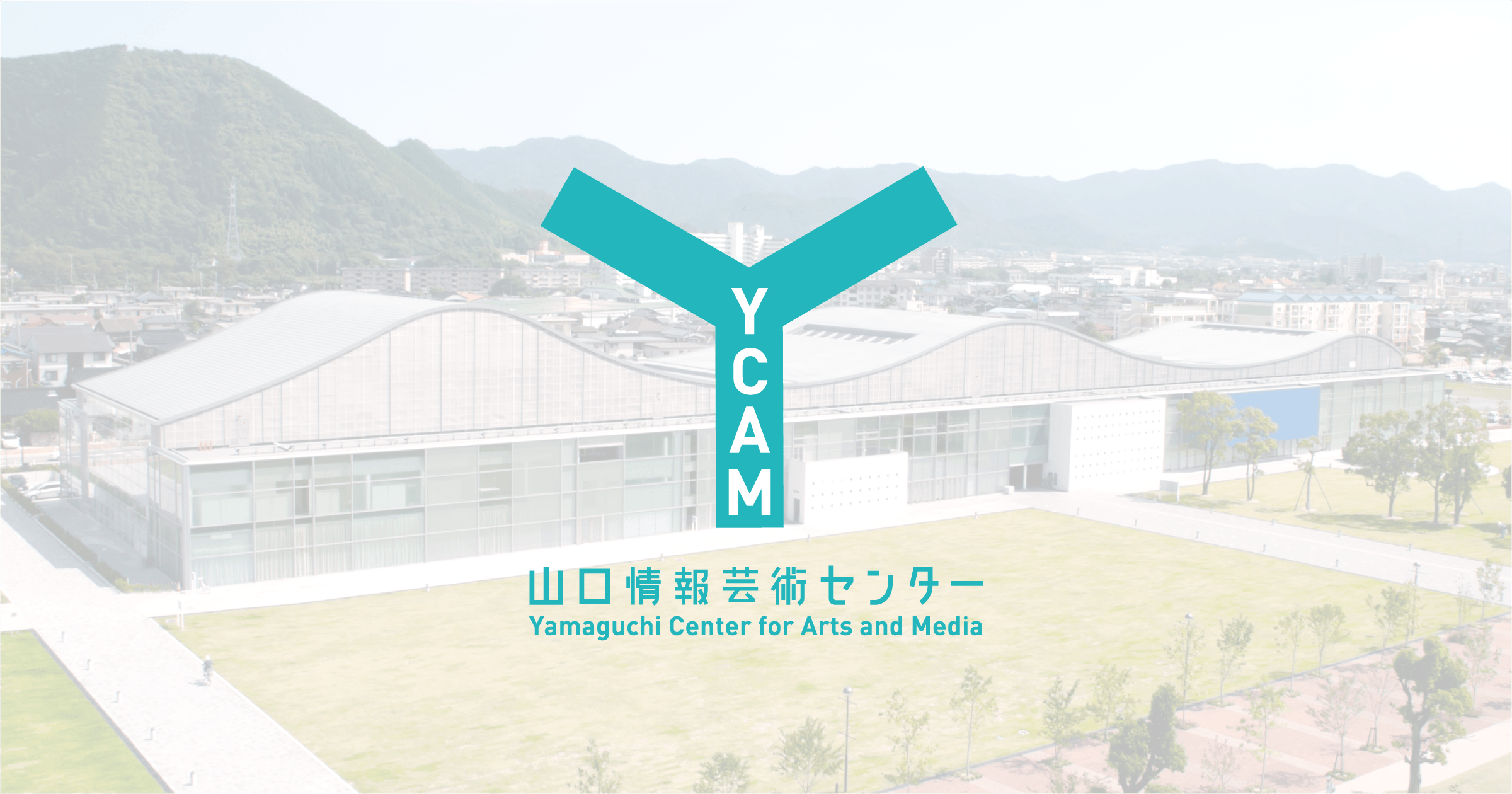
YCAM is one of Japan’s reference points for media art: a hybrid of art center, research lab, cinema, performance venue, and educational hub. Their residencies are typically embedded in broader projects rather than generic “here’s a room, make something” setups.
What YCAM focuses on
- Media technology and new forms of artistic expression
- Intersections of art, design, engineering, and performance
- System-based work: interactive installations, networked performance, experimental cinema, etc.
- Process-based projects that may involve research, prototyping, and public experiments
Resources you can tap into
- Access to high-level technical staff, often via the InterLab research team
- Use of exhibition and performance spaces as working environments
- Opportunities for screenings, presentations, and workshops
- Possibility of collaboration with local residents or specialist communities
YCAM’s residency framework is typically customized around specific projects and collaborations, so the experience can vary a lot depending on what you propose and which program you’re applying for.
Who YCAM suits
- Media and digital artists (interactive, generative, networked, XR)
- Sound artists and composers working with spatial sound or tech-driven setups
- Performance makers who integrate technology, sensors, or live coding
- Artists who enjoy a lab-like environment with engineers, programmers, and curators
- Artists interested in longer-term research or prototyping rather than just producing an object and shipping it home
YCAM is ideal if your work needs infrastructure you can’t easily access in your own studio: custom software, advanced projection systems, motion tracking, complex sound systems, or iterative testing with audiences.
Other opportunities in the prefecture
Outside AIAV and YCAM, residency-like opportunities are more scattered and tend to be project-based. These might come up via universities, local cultural centers, or short-term programs around city/prefectural initiatives.
For a reliable, professional residency plan in Yamaguchi, the two consistent anchors are:
- AIAV (Mine City) – rural, residency-first institution
- YCAM (Yamaguchi City) – media art and research hub with residency components
How Yamaguchi feels to live and work in
Cost of living and budgeting
Compared with Tokyo, Yamaguchi is generally easier on your budget. Still, costs vary by program, so it helps to sketch out a simple budget before you apply.
Typical expenses to plan for
- Accommodation: often included or partly subsidized in residency programs like AIAV; YCAM-related stays might use separate housing
- Food: supermarket prices are reasonable; eating out is cheaper than big cities but still adds up
- Local transport: buses and trains in Yamaguchi City; a car or shuttle solutions may be useful in Mine City/Akiyoshidai
- Materials and production: some support may be built into residencies; bring core materials you rely on or plan suppliers ahead
- Travel to and from Yamaguchi: internal flights, Shinkansen, or long-distance buses from major hubs
If your practice involves large-scale installation or heavy materials, factor in shipping or on-site purchasing and possible storage or disposal plans at the end.
Yamaguchi City – base for YCAM and urban comforts
Yamaguchi City is compact and livable. It’s not a mega-city, but you get what you need for a working stay:
- Access to YCAM and its events
- Cafés, restaurants, bars, and supermarkets
- Bookstores, small shops, and public facilities
- Local festivals and cultural events throughout the year
If you’re attached to having a walkable environment, coffee options, and easy public transport, base yourself here or choose residencies that keep you well-linked to the city.
Mine City / Akiyoshidai area – quiet, scenic, and residency-focused
The Akiyoshidai region is beautiful and quite calm. You’ll be surrounded by limestone plateaus and caves instead of neon signs.
- Pros: strong focus, minimal distraction, lots of space, access to nature
- Cons: limited nightlife, fewer shops in walking distance, local transport may require planning
This environment suits artists who want to immerse in work and are okay with their social life revolving around other residents, staff, and local community events.
Practical logistics: getting there, visas, and timing
Transportation and access
Arriving in Yamaguchi Prefecture
- By train: Shinkansen to Shin-Yamaguchi Station, then local lines and buses
- By air: fly into Yamaguchi Ube Airport, then bus, train, or car
Reaching Yamaguchi City (YCAM)
- From Shin-Yamaguchi Station, take a local train or bus into Yamaguchi City
- Once you’re in the city, local buses and walking will usually cover your needs
Reaching Akiyoshidai International Art Village (AIAV)
- Nearest airport: Yamaguchi Ube Airport
- Nearest major train node: Shin-Yamaguchi Station
- From there, access is typically by bus and/or car; AIAV provides directions, and some programs may coordinate pickups or detailed guidance
Life at AIAV is easier if you’re comfortable with limited public transport or can adapt your schedule to local bus times. Some artists choose to rent a car if their project demands a lot of movement or gear transport.
Visa basics for international artists
Your visa situation depends on how long you stay and what your residency offers. Common patterns:
- Short stays sometimes work under temporary visitor status, especially for non-salaried residencies
- Longer or funded stays may need a more specific status, coordinated with the host
When you’re in touch with AIAV or YCAM, ask directly:
- What kind of entry status past international artists have used
- Whether they issue official invitation letters for visa applications
- If any stipends, fees, or honoraria might affect your visa category
Always cross-check with the Japanese embassy or consulate in your country; regulations can change and are different depending on your nationality.
When to go and when to apply
Seasonal feel
- Spring: mild weather, easy to move around, good for community events and school collaborations
- Summer: can be hot and humid; better suited if you’re mainly indoors in the studio
- Autumn: often the sweet spot for productive work plus comfortable climate
- Winter: colder, quieter, and good for deep focus, especially in rural settings
AIAV often runs programs in multiple seasonal windows, and YCAM’s opportunities are tied to specific projects. Instead of fixating on exact dates, assume you’ll need to track calls and be ready several months in advance.
Application prep checklist
- Clear project proposal or research line
- Updated portfolio and CV
- Short text about community engagement you can offer (workshop ideas, talks, school collaborations)
- List of technical or spatial requirements (especially for YCAM)
- Basic budget for what the residency doesn’t cover
Local art community, events, and how to plug in
AIAV: living inside an art village
Because AIAV is a self-contained complex, you’re part of a mini-community the moment you arrive. Most programs expect some level of interaction with local residents and groups.
Typical engagement formats include:
- Open studios where visitors can see works-in-progress
- Workshops with local residents or school children
- Talks and lectures about your practice or the work you’re making there
- End-of-residency exhibitions or performances in their gallery or hall
If your practice is usually solitary, this can be a useful push to think about how your work communicates in a public, educational, or social context.
YCAM: media art audiences and research culture
YCAM’s public program often includes:
- Media art exhibitions and installations
- Performances and live events involving tech-heavy setups
- Screenings and cinema programming
- Workshops for children and adults, often tied to ongoing projects
Working at or with YCAM means your project sits inside a larger conversation about art and technology. The audience is used to experimental formats, so you can bring complex or research-heavy work without needing to simplify everything.
Beyond the institutions: how to make the most of your time
To turn a Yamaguchi residency into something lasting for your practice, you can:
- Use open studios and final presentations to test new formats or unfinished ideas
- Document the residency thoroughly so you can reuse the material in future proposals
- Stay in touch with local collaborators, schools, or staff you connect with
- Plan follow-up projects that build on what you prototype at YCAM or AIAV
Who Yamaguchi residencies actually work for
You’re likely to thrive in Yamaguchi if you:
- Are a visual, media, or interdisciplinary artist seeking concentrated time and good facilities
- Value community engagement and don’t mind public programming expectations
- Are comfortable operating in English or Japanese (or willing to work with interpreters when available)
- Prefer a quieter setting where your main focus is the work itself
- Want to connect your practice to an institutional context rather than just renting a studio
You may want a different location if you:
- Need a dense commercial gallery scene right outside your door
- Prefer completely independent residencies with no public obligations
- Plan to bring family or dependents and need very flexible housing (some programs restrict companions)
Next steps: turning research into a concrete plan
To move from research mode to action:
- Decide if you’re more drawn to AIAV’s rural art-village structure or YCAM’s media art lab
- Read the latest open call on each site:
- AIAV: https://aiav.jp/en/
- YCAM: https://www.ycam.jp/en/ - Shape your project so it clearly fits their context: community focus for AIAV, tech/research focus for YCAM
- Contact the residency early with specific questions about visa, housing, accessibility, and technical possibilities
- Build in time before and after your residency to visit other spaces in Yamaguchi City and explore the Akiyoshidai region
If you treat Yamaguchi not just as a temporary stop but as a place to test new methods, connect with local communities, and work inside serious institutions, it can do a lot of heavy lifting for your practice long after you fly home.
Explore Japan
More city guides
Opportunity Intelligence
Ready to find your next residency?
Get a personalized shortlist — scored against your practice, discipline, and what you need right now.
See how Intelligence works →