
City Guide
Wellington, South Africa
How to plug into Wellington’s residencies, neighborhoods, and art networks as a visiting or local artist.
Why Wellington is a residency magnet
Wellington is compact, steep, windy, and stacked with serious art infrastructure in a small radius. You get the density of a big city’s cultural scene without having to commute for hours or own a car.
As an artist, the draw is the mix of:
- Major institutions like Te Papa Tongarewa and City Gallery Wellington Te Whare Toi
- Residency programs that come with studios, stipends, and public outcomes
- Artist-run and university spaces feeding an active experimental scene
- Strong cross-disciplinary culture across visual art, sonic art, performance, writing, film, and art/tech
- Proximity to Creative New Zealand and national arts organisations
The scale of the city is a big advantage. You can walk from the waterfront to Cuba Street, to university spaces, to the main public galleries in a day. That makes short residencies more effective: you can actually meet people and see work without spending your entire budget on transport.
Key residency programs in and around Wellington
This guide focuses on residencies that are either based in Wellington or strongly linked to its networks. Always check the current details with the host organisation, as formats and funding can shift.
Te Whare Hēra Artist Residency
Website: tewharehera.ac.nz
Te Whare Hēra is a contemporary art residency linked to Wellington’s waterfront and the city’s public art ecosystem. The programme supports artists to research, develop, and produce a new, ambitious contemporary art project, with a strong emphasis on innovation and public impact.
The residency typically runs for a defined period each year and is positioned to:
- Give artists serious studio and research time
- Connect them with local communities and institutions
- Support the production of a coherent new body of work or major project
Good fit if you:
- Work in contemporary visual art or expanded practices (installation, moving image, research-based work)
- Have a project that benefits from contextual research and critical conversation
- Want institutional visibility and engagement with Wellington’s art scene
Te Whare Hēra sits in the same city as Te Papa and City Gallery Wellington, and that proximity matters for studio visits, networking, and future opportunities.
Toi Pōneke residencies
Website: toiponeke.nz/residencies
Toi Pōneke is Wellington City Council’s arts centre: part studios, part gallery, part development hub. Its residencies are geared toward Wellington-based creative professionals, with multiple streams across disciplines.
Toi Pōneke / NZSM Sonic Artist-in-Residence
This residency is a three-month, part-time (.6 FTE) position hosted by Toi Pōneke and the New Zealand School of Music – Te Kōkī.
What it usually offers:
- Studio space at Toi Pōneke for the duration
- A funded position so you can dedicate significant time to the work
- Support to develop a body of sonic work that can include performances, installations, listening events, workshops, or hybrid formats
- A four-week exhibition or public outcome at Toi Pōneke Gallery
Best suited to:
- Established sonic artists who already live in Wellington
- Artists working with sound, field recording, composition, spatial audio, or experimental music
- Practices that combine public engagement and technical experimentation
The partnership with NZSM means you are plugged into both an arts centre and a music school, which is rare and valuable if your work sits between music, sound art, and installation.
Toi Pōneke Visual Arts Residency
This residency is typically 12 weeks and comes with:
- Studio space at Toi Pōneke
- A stipend to let you focus on your practice
- Access to equipment and resources across the centre
- An exhibition or public programme at Toi Pōneke Gallery
The goal is to enable the selected artist to develop a new body of work full-time over the residency period.
Best suited to:
- Wellington-based visual artists ready to deepen or shift their practice
- Artists who can use a clear 12-week block to produce new work
- Practices that benefit from gallery support and curated public outcomes
Toi Pōneke residencies for d/Deaf and/or Disabled artists
Toi Pōneke also runs a six-week residency designed for d/Deaf and/or disabled artists.
What it usually includes:
- Studio space
- A stipend
- A mentor to support both creative development and access needs
The focus is to provide resources and support to develop a new body of work in a way that centres access, agency, and sustainability for the artist.
Best suited to:
- d/Deaf and/or disabled artists based in Wellington
- Practices across disciplines where a supported, structured period will unblock or accelerate development
Dance and performance development at Toi Pōneke
Toi Pōneke has also hosted dance development residencies, working with choreographers and movement-based artists on new projects.
Best suited to:
- Choreographers who need studio time and production support
- Dance artists wanting to experiment with cross-artform collaboration, sound, or visual elements
If your practice sits in performance or hybrid performance/visual art, it can be worth asking Toi Pōneke about current opportunities, as their programmes evolve over time.
Villa Antipode residencies linked to Wellington
Website: Villa Antipode overview
Villa Antipode connects international artists with New Zealand residencies across multiple cities. Some of these are tied directly to Wellington and its infrastructure, including:
- Te Whare Hēra Visual Arts Residency – linking visiting artists to the waterfront studio and local institutions
- Cinematic Arts Miramar residency – connecting film, animation, and special effects practitioners with Miramar’s screen industry and the Miramar Creative Centre
- Te Ataata arts/technology/science/design residency – focused on crossovers between art, tech, and research
The specific calls and formats can change, but Villa Antipode is a good signal of how internationally oriented Wellington’s infrastructure is, especially in visual art and screen-based work.
Regional residencies within reach of Wellington
Several residencies sit outside Wellington proper but are close enough to be part of a Wellington-focused plan.
New Zealand Pacific Studio (NZPS)
Website: transartists.org/en/air/new-zealand-pacific-studio
NZPS is based at historic Kaiparoro House near Masterton in the Wairarapa region. It usually offers short residencies of around 2–3 weeks.
What it typically offers:
- Accommodation with shared facilities, including kitchen, laundry, Wi-Fi, and a library
- Work spaces suitable for writers, visual artists, musicians, and researchers
- Connections to local communities through events such as open days, talks, and workshops
- A live-in house manager who helps with practical and community links
Residents usually pay a weekly fee to stay, which can make it an affordable retreat if you plan ahead.
Best suited to:
- Artists wanting quiet, rural focus time with the option to connect to local communities
- Wellington-based artists looking for a retreat within reach of the city
- International artists combining a rural residency with a short self-organised visit to Wellington
Where to stay and work: neighbourhoods and logistics
Wellington’s geography is dramatic: hills, harbour, microclimates. The upside is that you get distinct neighbourhoods, each with its own character and price point.
Central Wellington / Te Aro
Te Aro is the inner-city area that includes Cuba Street, much of the nightlife, and easy access to most galleries.
Pros:
- You can walk to almost everything – galleries, talks, film screenings, cafés
- Strong concentration of artist-run spaces and independent venues
- Best for short visits and residencies where you want maximum contact time
Cons:
- Highest rents and pricier short-term accommodation
- Noise from venues, traffic, and weekend nightlife
Aro Valley
Aro Valley has a long-standing reputation as a student-and-artist-heavy area close to Victoria University.
Pros:
- Strong community feel with local shops and bars
- Walking distance to central city, but quieter than the CBD
- Good for writers, researchers, and artists who like a neighbourhood atmosphere
Cons:
- Housing can be competitive, especially at the start of academic terms
- Limited parking, steep streets
Newtown
Newtown is a lively, multicultural suburb south of the city centre.
Pros:
- Often slightly more affordable than the very centre
- Good bus links into Te Aro and the waterfront
- Strong independent and DIY culture, with venues and community events
Cons:
- Still not cheap by New Zealand standards
- Some streets can be noisy or busy
Mount Cook / Mount Victoria / Cuba fringe
These neighbourhoods wrap around central Wellington and are popular with creatives for the balance between access and liveability.
Pros:
- Walkable access to galleries, studios, and central venues
- Mixture of older houses and apartments
- Good compromise if your residency is central but you want a slightly quieter base
Cons:
- Rents can still be high, especially for short stays
Miramar
Miramar is on the peninsula, famous as the centre of Wellington’s screen industry.
Pros:
- Close to screen and animation infrastructure, including the Miramar Creative Centre
- Good fit if your residency or project is linked to film, VFX, or cinematic arts
- Bus links to the central city
Cons:
- Less central than Te Aro; you will rely more on buses
- Fewer galleries and venues in walking distance compared with downtown
Cost of living and budgeting as a resident
Wellington is not the cheapest city to base yourself in, especially on an artist income. Residencies with housing and stipends can make a huge difference.
Key costs to watch
- Rent and short-term stays: central accommodation is expensive. If your residency does not provide housing, shared flats or rooms are usually the most realistic option.
- Food and cafés: eating out regularly can burn your budget fast. Self-catering will help, especially during production-heavy phases.
- Studios: if your residency does not include a workspace, hiring a studio short-term can be tricky and costly, so factor in working at home or using libraries/university spaces.
Budget strategies
- Prioritise residencies with accommodation and stipends where possible.
- If self-funding, consider staying slightly outside the centre (Newtown, some parts of Mount Cook) but within good bus routes.
- Use public libraries and university spaces for research work to avoid renting extra space.
- Plan your production needs realistically – shipping materials to New Zealand or sourcing specialist equipment on arrival can be expensive.
Getting around and making the most of your time
Transport basics
Wellington is very walkable in the central areas, but also famously hilly and windy. Build a little extra time into your schedule if you are carrying work or equipment.
- Walking: ideal for central Wellington and the waterfront.
- Buses: the main public transport option; useful if you are based in Newtown, Miramar, or outer suburbs.
- Trains: more useful for regional travel (for example, visiting Wairarapa or Kapiti) than for day-to-day city movement.
- Ferries: occasional use for cross-harbour and regional trips.
If your residency housing is not central, check the bus routes and frequency before accepting the offer. Some hills are fine on foot; some feel long after a late-night opening.
Visa and administrative considerations
Visa requirements depend on your nationality, the length of stay, and whether your residency includes payment or formal work.
- If your residency includes a stipend, contract, or teaching, you may need a visa that allows work, not just a visitor entry.
- If you are visiting for unpaid research or to attend openings, you may fall under a simpler category, but always check.
- Ask your host organisation what visa category previous residents have used, then confirm with official Immigration New Zealand sources.
Do this early. Flights to New Zealand are long and usually not cheap, so last-minute visa issues can be costly.
Plugging into Wellington’s art communities
Key institutions to watch
- Te Papa Tongarewa – national museum with contemporary and cross-disciplinary programming.
- City Gallery Wellington Te Whare Toi – major contemporary art gallery with exhibitions, talks, and public programmes.
- Toi Pōneke – residency host, gallery, studios, and development platform.
- Te Whare Hēra – residency and production site for ambitious contemporary projects.
- NZ School of Music – Te Kōkī – key node for sonic art, composition, and experimental music practice.
- Victoria University of Wellington / Te Herenga Waka – connects to research-based, theoretical, and experimental practices.
How to meet people quickly
- Show up at gallery openings in your first week. People often talk more freely there than in formal meetings.
- Attend artist talks, panels, and workshops at Toi Pōneke, Te Whare Hēra, City Gallery, and Te Papa.
- Ask your residency host for introductions to curators, writers, or other residents whose work intersects with yours.
- Pay attention to sound, dance, and screen events. Cross-disciplinary scenes in Wellington overlap a lot, and interesting collaborations often emerge at the edges.
Seasonal rhythms
Wellington’s art calendar is busy year-round, but you will notice some patterns:
- Late summer and autumn often feel comfortable weather-wise and active event-wise.
- Spring tends to be full of new exhibitions and performance seasons.
- Summer brings festivals and outdoor events but can also increase demand for accommodation.
Residency schedules sometimes sync with these rhythms: some programmes start early in the year, others aim for exhibition outcomes around key cultural periods. When you plan, think not just about the residency dates but also about when your public outcomes will land in the local calendar.
Choosing the right Wellington residency for your practice
If you are deciding which Wellington-linked residency to aim for, match your practice to the support on offer.
- For ambitious contemporary visual projects: Te Whare Hēra and the Toi Pōneke Visual Arts Residency are key options, particularly if you value research time and curated public outcomes.
- For sonic and experimental sound work: the Toi Pōneke / NZSM Sonic Artist-in-Residence is one of the few positions that pays you to focus on sound in dialogue with both an arts centre and a music school.
- For d/Deaf and/or disabled practitioners: Toi Pōneke’s dedicated residency stream offers a combination of studio, stipend, and mentorship with access needs in mind.
- For film, animation, and VFX-related practice: look at Miramar-linked opportunities, including those associated with the Miramar Creative Centre or Villa Antipode initiatives.
- For rural focus with city access: New Zealand Pacific Studio offers short, paid-by-artist stays within striking distance of Wellington, useful as a retreat or as part of a wider Aotearoa itinerary.
If you are local to Wellington, residencies can provide structured time and resources to shift your practice. If you are visiting from elsewhere, build in extra days before and after the residency for networking, meetings, and seeing work. That buffer often pays off more than another week of studio time.
Wellington rewards artists who show up, ask questions, and keep their projects porous to the city. If you treat your residency as both a production period and a chance to build long-term relationships, you will leave with more than just a new set of works.
Residencies in Wellington

Oaklands Artist in Residence (OaklandsAiR)
Wellington, South Africa
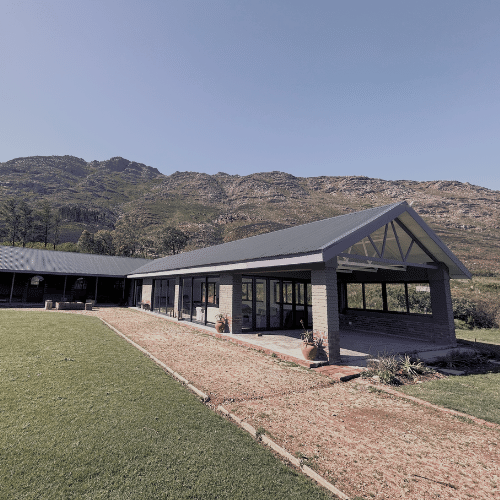
Oaklands Artist in Residence is an artist-run program located in the mountains, 90km from Cape Town, aimed at providing a unique and focused environment for creative projects. Situated on a farm on the edge of the Limietberg World Heritage Site, OaklandsAiR offers residencies to fine artists, landscape architects, writers, and researchers across various fields. The residency provides a rustic yet well-equipped setting, with self-catering cottages and studios in a converted foaling barn. The program is open to international and South African artists, offering a serene rural environment conducive to creativity and exploration. Artists benefit from access to natural materials, scenic hiking trails, and a supportive network of local artists and galleries. OaklandsAiR facilitates various activities, including site-specific projects, outdoor excursions, and final open studio events. The residency also includes a farm-to-table restaurant, Vygie, which operates on the premises, enhancing the communal experience.
Oaklands Farm
Wellington, South Africa
Oaklands Artist in Residence (OaklandsAiR) is an artist-run program on a farm in the mountains 90km from Cape Town, South Africa, offering a focused, nature-immersive environment within the Limietberg World Heritage Site for fine artists, writers, researchers, and landscape architects. Residents live in self-catering cottages and work in private studios in a converted foaling barn, with access to natural materials, outdoor spaces, and Wellington's creative network including kilns and presses. The residency emphasizes rural tranquility, biodiversity, hiking trails, and proximity to Cape Town's arts scene.
Explore South Africa
More city guides
Opportunity Intelligence
Ready to find your next residency?
Get a personalized shortlist — scored against your practice, discipline, and what you need right now.
See how Intelligence works →