City Guide
Vovousa, Greece
How to make the most of a festival-based, mountain residency in a tiny Greek village
Why Vovousa is on artists’ radar
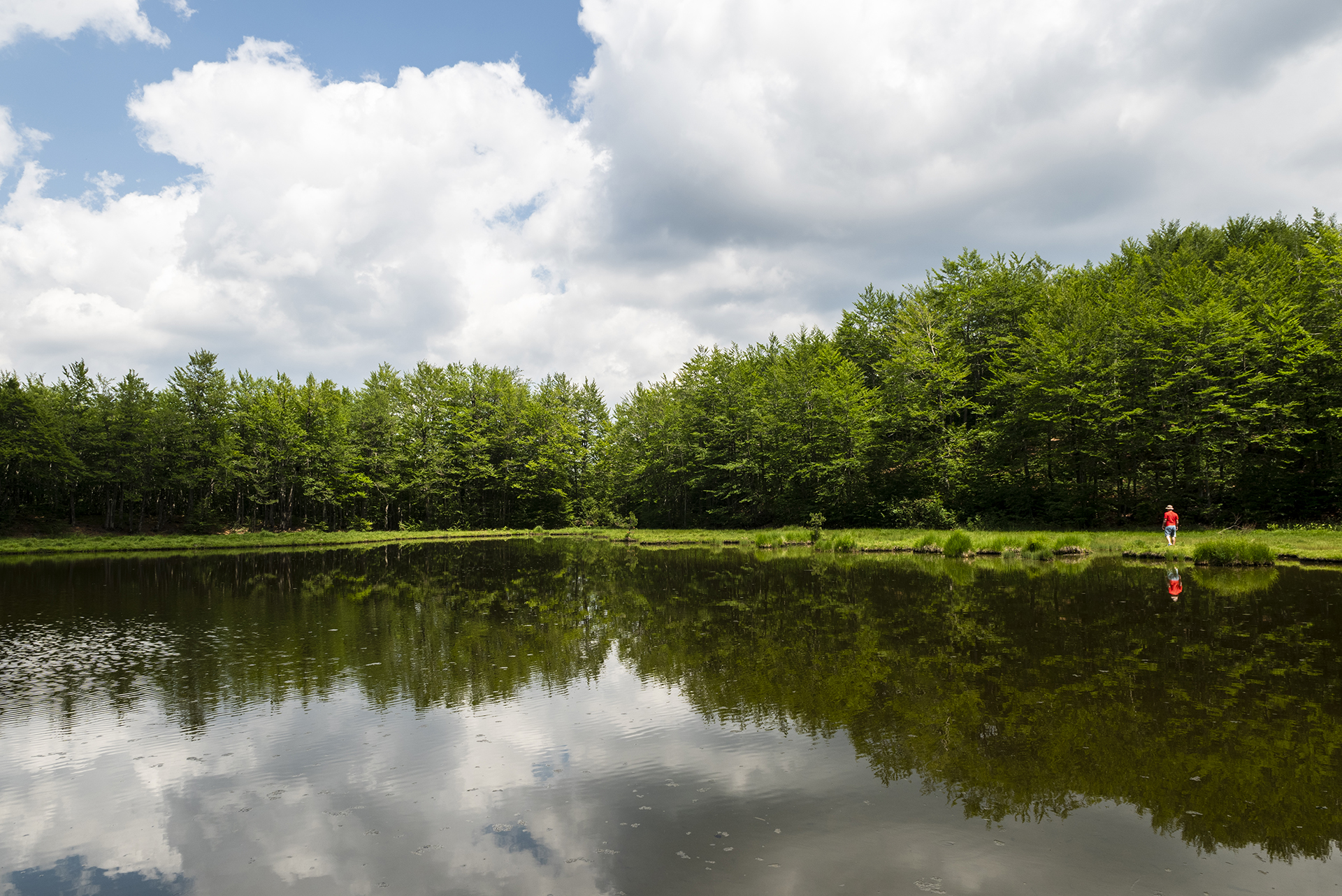
Vovousa is a mountain village in Epirus, northern Greece, tucked into the Pindus range near the Valia Calda National Park. You don’t go there for a gallery strip or a busy art market. You go for altitude, silence, and a landscape that pushes you into site-specific thinking.
The main cultural magnet is the Vovousa Festival and its associated residency. Instead of white cubes and openings every night, you get:
- High-altitude scenery, dense forests, rivers and bridges
- A strong environmental and conservation focus
- A slower pace that supports fieldwork, writing, and embodied practices
- A festival framework with public events instead of a traditional gallery schedule
This makes Vovousa a good match if your work leans into ecology, landscape, community-engaged practice, or performance that responds to place. It’s less about art tourism and more about going off-grid with a built-in audience once the festival starts.
The Vovousa Festival Residency: what it actually feels like
The Vovousa Festival Residency is directly tied to the annual cultural festival held in the village each summer. The residency has run in formats ranging from one week to about a month, usually landing close to, or overlapping with, the festival dates.
Residency structure and vibe
Think of it as a hybrid between a nature retreat and an artist-run festival lab. You’re not just shut in a studio; you’re part of a program that includes performances, workshops, screenings, and talks. The residency often supports:
- Outdoor and site-specific projects responding to the mountain environment
- Photography and video based on the landscape, local life, and river systems
- Dance and performance that can be staged in the village or in nature
- Experimental writing and literature linked to place and ecology
- Cross-disciplinary collaborations that emerge on site
The residency is not heavily branded as a discipline-specific program. You’re likely to see photographers next to dancers, sound artists next to writers, and environmental researchers mixing with performers.
Who this residency suits
You’ll probably feel at home here if you:
- Work with environmental themes, climate, or place-based research
- Enjoy small communities, shared meals, and informal conversations
- Want a public-facing moment through the festival (rather than a private, invisible residency)
- Can adapt your practice to minimal infrastructure and outdoor conditions
If you need a large fabrication shop, a printmaking lab, or daily access to high-end gear, Vovousa will feel limited unless you bring your own portable setup.
What to clarify with organizers
Public information on the residency can be fairly brief, so it’s smart to directly ask the team detailed questions before committing. Useful points to confirm:
- Accommodation: Where you’ll stay, how many people share a space, and whether you have a quiet room to work in.
- Workspaces: Is there a shared studio or do you mainly use your room and outdoor sites?
- Technical support: Any access to projectors, sound systems, basic tools, or documentation support during the festival?
- Public presentation: Are you expected to run a workshop, show a performance, or present work-in-progress?
- Costs and support: Fees, stipends (if any), travel support, and what’s covered on site.
The more specific you are about your project needs, the easier it is to understand if this residency fits you or if you should treat it as a stripped-down, field-research period.
Working conditions: studios, tools, and the landscape as your workspace
Vovousa doesn’t have a dedicated arts district with commercial galleries or permanent studios. Almost everything is temporary and event-based. That can be freeing or frustrating, depending on your practice.
Studio reality
Expect a patchwork situation rather than a formal studio building:
- Shared indoor spaces used for workshops or rehearsals
- Rooms that double as bedroom and studio
- Outdoor work in forests, by the river, or around village architecture
- Temporary festival structures like stages or projection surfaces
If your work is laptop-based, portable, or performative, you’re set. If you build large objects or need specialized equipment, plan ahead.
What to bring (beyond the usual)
Because of the remote location and limited shops, pack intentionally. In addition to your personal essentials, think about:
- Art materials: Enough core supplies for your project; assume specialty items are not available locally.
- Digital gear: Hard drives, memory cards, batteries, and any cables or adapters.
- Field gear: Walking shoes, rain jacket, hat, flashlight/headlamp, and a small backpack for daily walks or scouting.
- Documentation tools: Camera, tripod, audio recorder if you want to capture performance or landscape sound.
- Health items: Medications, basic first aid, and anything you can’t easily replace.
Think of the village as a base camp. You’re there to work with what you bring and what you find outside.
Cost of living and daily life in a mountain village
Vovousa is small and rural, so your day-to-day budget looks different than it would in Athens. You’re not paying for taxis every day or constant café hopping, but you’re also not surrounded by shops.
Money, food, and supplies
Some practical expectations:
- Cash: Bring cash in case card facilities are patchy or limited. Remote areas can be unpredictable with electronic payments.
- Groceries and meals: Depending on the residency, some meals might be provided. Confirm if you’ll cook for yourself, eat with the group, or mix both.
- Shops: Assume only basic goods are available. If you’re picky about certain foods, coffee, or materials, bring them.
- Extras: There’s usually less to spend money on socially, which can actually make the trip more affordable overall.
The biggest financial hit is usually travel to and from the village rather than on-site living costs.
Weather and clothing
Mountain weather is more extreme than coastal Greece. Pack layers and think in terms of working outside:
- Warm layers for evenings, even in summer
- Good walking shoes or boots
- Clothes that can get muddy, dusty, or paint-splattered outdoors
- Sun protection for long days outside (hat, sunscreen)
Your “studio” might be a riverbank or a hillside, so dress for that reality.
Getting there: transportation and logistics
Reaching Vovousa is the part you want to think through before you apply. Being in the Pindus mountains means extra steps on your travel map.
Typical approach
A common route is to fly or take long-distance transport to a larger Greek city, then connect via regional bus or car into Epirus, and finally travel by road to the village. Exact details shift depending on where you start, but in general:
- Plan for multiple legs of travel and some waiting time between them.
- Double-check bus schedules and their seasonality.
- Ask organizers if they coordinate shared rides or group transfers for residents.
If you’re transporting bulky materials or equipment, confirm how realistic it is to get them up mountain roads and into your accommodation.
Questions to ask before booking
- What’s the nearest major town or city, and how do residents usually reach Vovousa from there?
- Is pickup offered from a specific bus station or airport?
- Do you need a car during the residency, or is walking enough once you arrive?
- Is there reliable internet, or should you prepare for low-connectivity periods?
Clear answers here help you budget both money and energy for the travel days.
Visas and paperwork for non-EU artists
Greece is part of the Schengen Area, so standard Schengen rules apply. For many artists, short stays are covered under short-stay permissions, but that depends on your nationality and how long the residency runs.
What to clarify with the residency
Before accepting a spot, confirm:
- Will they issue an official invitation letter for visa purposes?
- How do they categorize the program: cultural exchange, research stay, or work?
- Is any stipend, fee, or honorarium involved, and does it have tax or visa implications?
- Do they expect you to carry specific health or travel insurance?
For longer stays in Greece or multiple Schengen trips in a year, track your days carefully so you don’t overstay limits. Organizers are usually familiar with typical artist questions, but you are the one responsible for your paperwork.
Art community, festival atmosphere, and public presence
Vovousa’s art community is seasonal. During the festival and residency, the village fills with artists, organizers, and audiences. Outside of that period, it returns to being a quiet mountain village.
How artists connect there
Instead of gallery openings every few days, you get:
- Group meals and informal critiques around tables
- Collaborations that pop up quickly as you encounter each other’s work
- Workshops where you share your methods with locals or other artists
- Performances and screenings in flexible spaces
The social intensity concentrates around the festival schedule. You might rehearse for days in a quiet valley and then suddenly perform in front of an engaged audience when the program opens.
Showing work and “open studios”
Open studio formats in Vovousa are more improvised than in big art centers. Public sharing might look like:
- A performance on the village square or on a bridge
- A screening projected onto a building or temporary surface
- A talk or reading in a small indoor venue
- An exhibition of photographs taken during the residency
This can be a good testing ground for work that benefits from immediate, mixed audiences and a strong sense of place, rather than white-cube expectations.
Timing your visit and planning your project
Residency activity in Vovousa is strongly linked to summer festival scheduling. Warmer months make it feasible to hold events outdoors and welcome audiences into natural sites.
Seasonal rhythms
- Summer: Peak time for the festival and most residency activity, with better access to outdoor locations.
- Late spring and early autumn: Often comfortable for field research, photography, and quieter work phases if the residency offers off-peak sessions.
- Winter: Can be cold and snowy, which affects access; less likely to host large public programs.
For any application, plan backwards: leave room for travel, materials prep, and any visa paperwork you might need.
Is Vovousa right for your practice?
Vovousa works especially well for artists who treat the village and landscape as collaborators, not just backgrounds. You’ll probably thrive there if you:
- Enjoy working in nature and don’t mind basic conditions
- Are excited by environmental themes, conservation, or rural community contexts
- Value process and research time as much as finished objects
- Want at least one public moment within a festival, not just isolated studio days
It might feel limiting if your practice absolutely depends on complex machinery, big-city networking, or constant access to specialized spaces. In that case, Vovousa can still work as a research residency rather than a production-heavy one: sketch ideas, collect material, test small-scale experiments, and then finish the big builds elsewhere.
Key takeaways before you apply
To wrap it up into a quick checklist, you can ask yourself:
- Does your current project have a clear way to connect with landscape, ecology, or local community?
- Can you do meaningful work with simple tools and outdoor space?
- Are you comfortable with remote travel and a small social ecosystem?
- Do you want a festival context and public-facing moment rather than a fully private residency?
If the answer is yes to most of these, Vovousa is a strong candidate. Treat it as a place for concentrated, site-specific work and a rare chance to work inside a mountain village’s cultural rhythm instead of a standard city art circuit.