City Guide
Vovousa, Greece
How to use this tiny mountain village and its festival residency to move your work forward
Why Vovousa is on artists’ radar
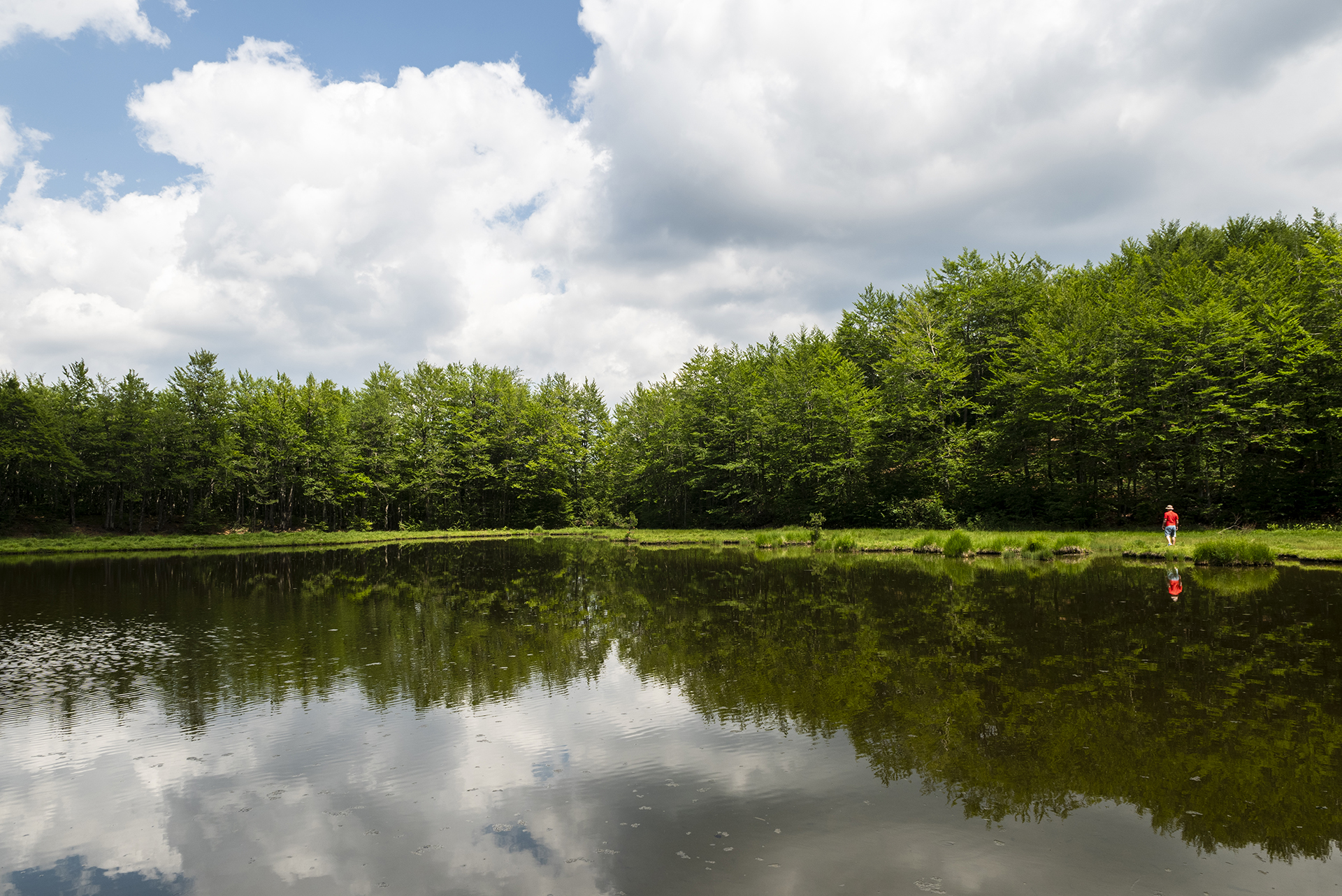
Vovousa is a very small village in the Pindus mountains of northern Greece, deep in the Epirus region. You don’t go there for galleries or art markets; you go for altitude, forest, river, and the kind of quiet that lets you actually hear your thoughts. Most art activity here revolves around the Vovousa Festival and its connected residency, not a year-round scene.
If your practice leans toward ecology, performance, walking, sound, or any form of site-responsive work, Vovousa can hit a sweet spot: intense landscape, a temporary community of artists, and a built-in public through the festival.
- Scale: Think small village, not city. You’ll likely know everyone by day two.
- Focus: Nature conservation, sustainable practices, and mountain life.
- Vibe: Quiet days, concentrated making, then festival energy when events are on.
The Vovousa Festival Residency: how it actually works
The Vovousa Festival Residency is the key structured program that brings artists into the village. It’s tied to the annual Vovousa Festival, which runs roughly 10 days in summer and centers on environmental themes, local culture, and contemporary art.
What the residency offers
The residency is shaped around the festival, so expect your work to connect with public programming in some way. Usual elements include:
- Theme-driven work: mountain altitude, ecology, river systems, conservation, and sustainable practices.
- Public interface: performances, workshops, talks, screenings, or small exhibitions integrated into the festival schedule.
- Landscape as studio: forest, river, bridges, and paths become shooting locations, performance sites, or research grounds.
- Flexible formats: photography, video, sound, dance, performance, experimental writing, installation, and mixed practices have all shown up here.
Instead of a pristine white cube, expect agricultural buildings, public squares, outdoor screens, or improvised spaces. If you like making work that lives outside conventional galleries, this is an advantage, not a compromise.
Typical structure and duration
The program has used a mix of formats over the years:
- Short stays: about a week around the festival for artists focused on performance, workshops, or intensive fieldwork.
- Longer stays: month-long periods that give you time to research, produce, and then show during the festival.
Exact timing and length may shift from year to year, so always check current information and ask clearly how much time you’ll actually have on site before public events begin.
Who this residency actually suits
Vovousa is not a great fit for every practice, and that’s useful to know before you sink time into an application.
Strong fit if you:
- Work with landscape, ecology, or environmental questions.
- Enjoy creating site-specific or outdoor work.
- Are comfortable with festival-style presentation rather than traditional galleries.
- Do performance, dance, movement, sound, or social practice that can engage small publics.
- Are up for fieldwork (walking, documenting, recording, talking to local residents).
Less ideal if you:
- Need a large, fully equipped studio with specific machinery.
- Rely heavily on a dense art scene for networking, openings, and studio visits.
- Want easy daily access to art supplies, fabricators, or tech shops.
Think of Vovousa as a place for deep orientation to context and process, with a festival window where you can test work in public.
Daily life in a remote mountain village
Life in Vovousa looks very different from an urban residency. Planning ahead will save you stress once you’re up in the mountains.
Cost of living and what you actually spend on
Prices for basics in rural Greece can be lower than in big cities, but there is simply less to buy. Your budget will hinge on what the residency covers and how much material you bring yourself.
- Accommodation: Residency-linked housing is key. Independent short-term rentals in such a small village can be limited or seasonal, so clarifying where you’ll stay and what’s included is essential.
- Food: Expect at least one small shop or cafe, and maybe a taverna, with more options during the festival. For specific diets or extensive cooking, you may want to bring some dry goods from a larger town.
- Materials: There is no big art supply store around the corner. Pack what you can or plan a supply run before heading up. Digital, writing, photo, drawing, and small-scale installation practices adapt easiest here.
If the residency offers shared meals or collective cooking, that can significantly reduce costs and make logistics easier. Ask:
- Are meals included, partially included, or self-organized?
- Is there a shared kitchen and fridge space?
- Are there regular supply runs to a nearby town?
Where artists actually spend their time
There are no distinct “neighborhoods” in Vovousa. Your map is simple:
- The village center: houses, small shops, the bridge, cafes, and main gathering points.
- Festival venues: wherever the program decides to host screenings, performances, or talks that year.
- Nature sites: riverbanks, paths, forests, and viewpoints that become both research and production spaces.
When you think about where to stay, prioritize walking distance to the festival and residency base, and easy access to the river and trails.
Studios, workspaces, and showing work
Vovousa doesn’t function on a gallery model. The “infrastructure” is more improvised and ephemeral, which can be liberating if you’re ready to adapt.
- Studio space: Often shared or multi-use spaces set up for the residency or festival period. You may also treat your room, the outdoors, or local structures as your studio.
- Exhibition formats: Pop-up presentations, outdoor projection, performances in public squares, readings, and workshops.
- Audience: A mix of local residents, visitors who come specifically for the festival, and fellow artists.
This kind of setup rewards artists who can work light, improvise, and embrace context-specific forms rather than relying on controlled white-cube conditions.
Getting there and getting around
Access is the one thing you cannot treat casually. Vovousa sits in the mountains, so your trip will likely involve multiple legs.
How you actually reach Vovousa
Most artists will route through a larger Greek city or regional hub, then continue to Vovousa by road. Typical pattern:
- Arrive in Greece via a major city with an airport.
- Travel to a regional town in Epirus by bus or rental car.
- Complete the last leg to Vovousa by car, transfer, or arranged pickup.
Public transport into small mountain villages can be infrequent, especially outside peak season. Before booking travel, ask the residency:
- Which arrival city makes most sense for them to support?
- Do they organize group transfers or shuttles?
- What is the latest realistic arrival time, given mountain roads and daylight?
Transport once you are in the village
Once in Vovousa, most things are walkable, but distances to more remote nature sites can still be significant if you carry gear.
- On foot: Good for daily life and light fieldwork.
- Shared cars: Sometimes artists share rental cars for specific trips, scouting, or supply runs.
- Residency support: Ask if there are planned excursions or staff available for occasional transport needs tied to your project.
Because you’re in mountain terrain, pack solid shoes, layers, and weather-appropriate gear. If your work involves electronics or cameras outdoors, think about waterproofing and dust protection.
Visas, timing, and planning your stay
Visa basics for international artists
Greece is part of the Schengen Area, so the usual Schengen rules apply.
- Short stays: If you are from a visa-exempt country, you can generally stay up to 90 days in any 180-day period as a visitor, which covers most residencies.
- Longer projects: For stays beyond 90 days, you may need a national visa or similar permission. That requires more lead time.
Questions to send directly to the residency:
- Can they provide a formal invitation letter specifying dates and purpose?
- Do they have experience with artists needing visa support?
- Is the residency fee-based, funded, or paid work, and how should it be described in paperwork?
Clarify this early, especially if you’re combining Vovousa with other European residencies into one longer trip.
When to be in Vovousa
Timing shapes what kind of experience you will have.
- Festival period: During the festival, the village becomes a small cultural node. This is when the residency is most likely to be active, with public events, screenings, performances, and visitors.
- Late spring / early autumn: Great for quieter working periods around the main summer season, with comfortable temperatures and vivid landscape. This works well if you do research or production before a summer showing, or if you prefer less festival intensity.
- Winter: Mountain weather, snow, and access issues can make this more challenging. Only consider winter stays if a program explicitly supports that period.
Because Vovousa is tied strongly to its festival, you often plan your project backward from that anchor: decide what you’d like to present or test during the festival, then figure out how much time you need before that on site.
Community, collaboration, and what the “scene” feels like
Vovousa doesn’t have a year-round art district; instead, it runs on concentrated bursts of activity. That can be powerful for building relationships if you treat the residency as an intensive lab rather than a solitary retreat.
Who you meet
During the festival and residency periods, you can expect a mix of:
- Artists from different disciplines and countries.
- Local residents who may be curious, supportive, or directly involved in events.
- Invited speakers, curators, or cultural workers connected to the festival.
- Visitors from nearby areas who come for specific performances or screenings.
Because the village is small, you’ll encounter the same people daily. This can create strong, compact networks and collaborations that develop quickly.
Types of collective activity
Expect structures like:
- Group walks or site visits that double as research trips.
- Shared meals and informal crits or discussions.
- Workshops where you share your methods with locals or other artists.
- Collective presentations at the end of the residency or festival.
Projects that leave room for conversation, participation, or shared making tend to work well in this context.
How to decide if Vovousa suits your practice
To assess whether this village and its residency will actually support your work, ask yourself a few concrete questions.
Questions about your practice
- Can your work travel light and adapt to limited studio infrastructure?
- Does your current project benefit from immersion in a specific landscape and rural community?
- Are you interested in environmental topics, or open to letting them influence your work?
- Does presenting in a festival format feel exciting or stressful for you?
If your honest answers lean toward flexibility, curiosity about place, and enjoyment of public engagement, Vovousa can be a strong fit.
Questions to send to the residency organizers
- Exact dates and duration options, including any pre- or post-festival working time.
- What is included: housing, meals, local transport, production support, equipment.
- What kind of public outcome they expect: performance, talk, workshop, exhibition, or something else.
- How they handle bad weather or last-minute shifts for outdoor works.
- What past projects looked like, especially in your discipline.
Their answers will tell you a lot about how organized the program is, and whether they understand the needs of your kind of practice.
Using Vovousa strategically in your wider practice
Think of Vovousa less as a one-off escape and more as a node in a longer thread of work around ecology, landscape, or rural contexts.
- Use the residency to test methods you can later adapt to other sites or communities.
- Document your process carefully so you can build future exhibitions, talks, or publications from the material.
- Connect with other artists who are also working site-specifically; new collaborations often emerge in small residencies.
- Pair Vovousa with other Greek or regional residencies if you want to compare different rural or festival-based contexts.
Vovousa gives you concentrated time with a very specific mountain environment and a temporary, intensive network. If that lines up with where your work is heading, it can be a powerful place to spend a few weeks focused on making, listening, and presenting in an unusual setting.