City Guide
Vovousa, Greece
How to use this tiny mountain village and its festival residency as a focused, nature-based studio
Why Vovousa matters as a residency spot
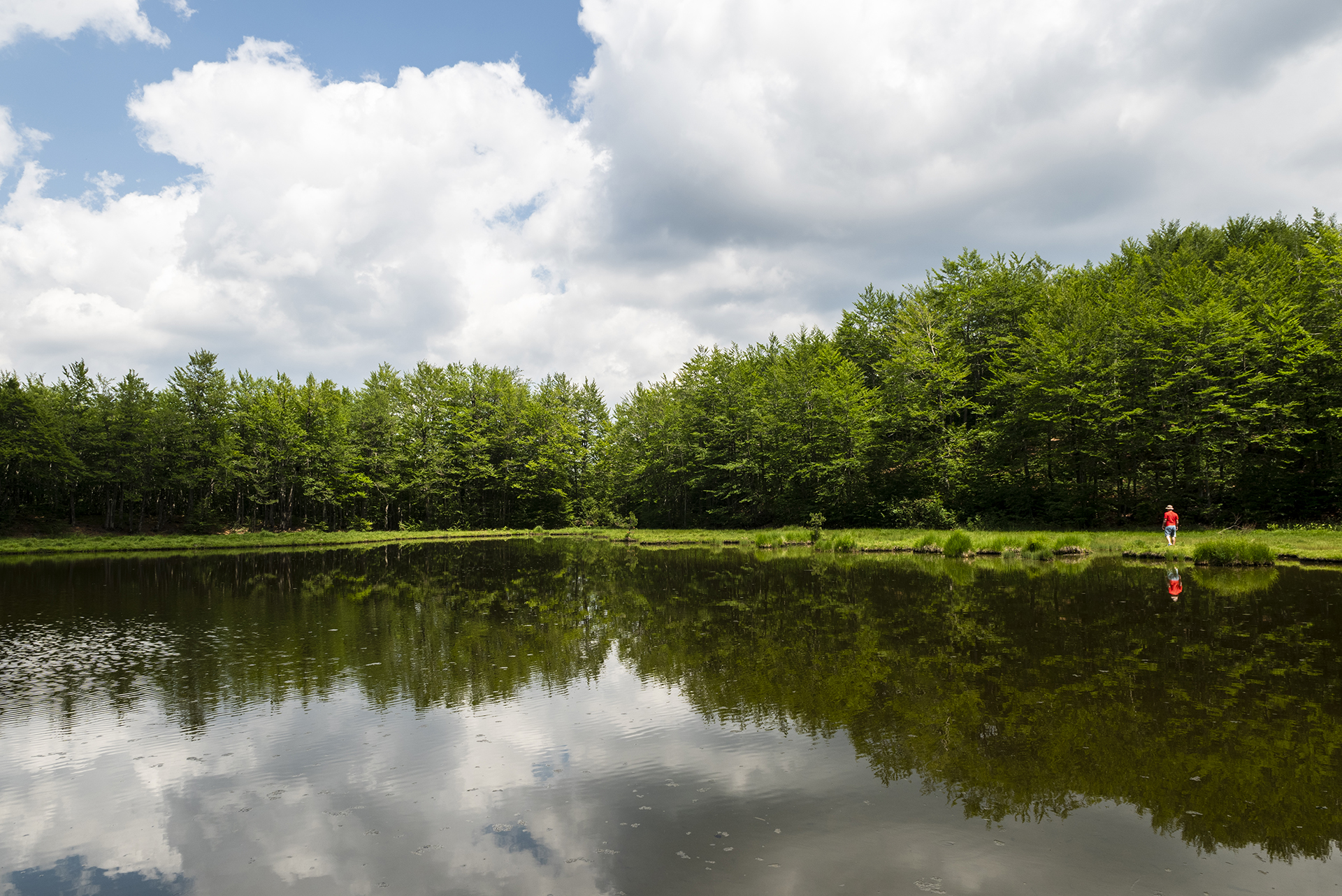
Vovousa is a small mountain village in Epirus, northern Greece, deep in the Pindus range, surrounded by forests, a river, and protected natural areas. You don’t go there for an art market or a packed gallery circuit. You go for altitude, quiet, and a very specific kind of attention.
The village is best known to artists because of the Vovousa Festival and its linked residency. For a short period, this tiny place turns into an experimental arts and environmental hub. The rest of the time, it’s quiet, remote, and excellent for process-heavy work that feeds off landscape and long walks.
If your practice leans toward ecology, site-responsive projects, sound, photography, or performance in relation to place, Vovousa is one of those locations that can reshape how you work. If you need fabrication labs, print shops, or commercial galleries at your doorstep, this is probably not your spot.
The Vovousa Festival Residency: what it actually feels like
The primary program to know in Vovousa is the Vovousa Festival Residency, a residency connected directly to the annual Vovousa Festival. The festival is usually held in August, and in some years the residency runs for the weeks leading up to it, culminating during the festival days.
Core concept and focus
The residency is built around three big ideas:
- Mountain landscape and altitude as an active collaborator in your work
- Nature conservation and sustainable practices, clearly linked to local environmental struggles
- Public presentation within the festival context: screenings, talks, performances, workshops
Most past editions emphasize work created in direct response to the local environment. Lens-based artists (photography, video, experimental film) are often a strong presence, but the program has also included dance, performance, and experimental literature.
Who this residency actually suits
The Vovousa Festival Residency tends to work best if you are:
- Lens-based: photographer, video artist, experimental filmmaker, media artist
- Performance-based: dancer, choreographer, performance artist who works site-specifically
- Writing-focused: poet, essayist, experimental writer interested in ecology or place
- Interdisciplinary: combining sound, movement, landscape, and community interaction
- Ecology-driven: working with climate, conservation, or environmental policy through art
It is less ideal if your practice depends on heavy studio infrastructure, large-scale fabrication, or daily access to suppliers and technicians. Think more backpack gear than industrial build.
Format and daily rhythm
The residency has historically offered both shorter stays (around a week) and longer stays (around a month), depending on the year. A typical pattern is:
- Early residency period: research, walks, test shoots, recordings, sketches, community conversations
- Middle period: production phase, editing, rehearsal, refining a public format
- Festival period: screenings, performances, talks, workshops, and informal sharing
The house used for the residency is a traditional stone building with shared bedrooms, communal spaces, and a kitchen. Expect shared living and collective rhythms: cooking together, sharing cleaning duties, negotiating quiet hours. If you need total solitude, factor that in when you plan how you’ll work.
Presentation and outcomes
Instead of a white-cube gallery show, outcomes usually look like:
- Outdoor or indoor screenings of video and film work
- Artist talks and informal presentations of process
- Performances in or around the village, often site-specific
- Workshops with festival audiences or local residents
- Documentation shared by the festival or the residency organizers
The festival gives you an instant audience: locals, visitors, and other artists. If you are trying to test a new performative or participatory format, this can be especially useful.
Working conditions: studios, tools, and what to pack
Vovousa does not have big dedicated studios or fabrication centers. You’ll be working between the residency house, ad hoc indoor spaces, and the landscape itself.
Studios and workspaces
Typical working setups include:
- Shared indoor rooms in the residency house for editing, writing, drawing, and planning
- Outdoor locations along the river, in nearby forests, or around the village for filming, recording, and performing
- Temporary festival spaces used as presentation venues rather than fully equipped studios
If your project needs a quiet room, assume you’ll have to negotiate times and zones with fellow residents. If you plan to build physical installations, scale your ideas to what you can transport and what basic tools are likely available.
Materials and equipment
Plan to be self-sufficient for most of your practice needs. You can usually count on:
- Basic furniture and tables for working
- Standard power outlets and basic lighting
- Some household tools and basic DIY items
You should not assume you’ll find:
- Specialized equipment like large printers, projectors, sound systems, or darkrooms
- Advanced tools for sculpture, casting, or large-scale building
- Reliable access to specialty art supplies on short notice
Bring what you realistically can pack: cameras, audio recorders, laptops, batteries, storage drives, drawing tools, small tripods, portable projectors or speakers if you want to test presentations on-site. Think rugged and flexible rather than fragile and high-maintenance.
The village as your “city”: orientation, costs, and daily life
Vovousa is not a city; it is a small mountain village. That changes how you plan for basics and how you frame your expectations.
Layout and feel
The core of your daily radius will be:
- The residency house, where you live and often work
- The village center, with a few local businesses and social spots
- The river and bridge, key anchors for walks and site-based work
- Nearby trails and forested areas, which become extended studio space
Most things are walkable. Distances are short, but altitude and terrain may be more demanding than a flat city walk, so plan good shoes and clothes that handle quick weather changes.
Cost of living and budgeting
Vovousa itself is not expensive, but remoteness adds hidden costs. When you budget, consider:
- Food: small local options, definitely fewer choices than a city. Residency programs sometimes include shared meals or basic supplies; if not, costs stay moderate but you may need to shop in a larger town before arriving.
- Transport: this is often your biggest line item. Reaching Vovousa from Ioannina or other cities usually means a car, taxi, or arranged transfer.
- Materials: plan to buy in larger towns on your way or bring from home; prices in Greece for basic materials are generally reasonable, but selection shrinks with village size.
- Free time: nature walks, swimming in the river, and hanging out with other artists are your main “entertainment,” so you won’t spend much on going out.
Overall, once you arrive, daily spending is low. The main financial question is the residency fee (if any), transport, and your own project costs.
Food, supplies, and practical habits
Because options are limited, your habits adapt quickly:
- Plan a stock-up stop in Ioannina or another city before heading to Vovousa for any special diet items, art materials, or tech accessories.
- Be ready to cook a lot, often collaboratively with other residents.
- Bring medication and personal care items you rely on; do not count on finding specific brands locally.
If you like working late, bring snacks and drinks that keep you going; there may not be late-night options outside your kitchen.
Access, visas, and getting yourself there
How to reach Vovousa
The usual route is:
- Travel to Ioannina (the nearest larger city) by plane or bus.
- Continue to Vovousa by car, taxi, or an organized transfer arranged by the residency or festival.
Public transport into remote mountain villages can be limited or seasonal. Confirm arrangements with the residency organizers early; this is not a place where you want to improvise your arrival at the last minute.
A rental car can be useful if you need extra mobility for scouting locations or picking up supplies from other villages or towns. If you prefer not to drive, ask specifically how transport between Ioannina and Vovousa is handled and whether costs are shared or included.
Visa planning for non-EU artists
Greece is part of the Schengen Area, so your visa situation depends on your passport and the length and nature of your stay.
- Short stays (under 90 days in any 180-day period): Many nationalities can stay visa-free; others need to apply for a short-stay Schengen visa.
- Residency documentation: Ask the organizers for an official invitation letter, proof of accommodation, and confirmation of the residency dates and conditions.
- Paid work vs. cultural visit: If the residency includes fees or stipends, or if you plan extended activities beyond the program, check carefully with the Greek consulate or embassy in your country.
Always confirm current requirements with the official Greek consular services where you apply. Residency organizers are usually used to providing supporting documents but cannot replace official visa advice.
Season, atmosphere, and when to go
Festival season
The Vovousa Festival happens in summer, typically August, and the residency is usually structured around it. That period is when Vovousa feels the most active culturally: performances, screenings, talks, and more visitors in the village.
If you want public engagement, fuller audiences, and a sense of shared event, aligning your residency with the festival period makes a lot of sense.
Weather and working conditions by season
- Summer: Warm, generally stable weather, long daylight hours, great for outdoor filming, performance, walking, and river-based work.
- Spring and early autumn: Cooler, often more comfortable for long hikes and fieldwork; light can be softer and interesting for photography; some logistical services may be quieter but still functional.
- Winter: Much more challenging, with mountain weather and potential access issues. Unless a program is clearly structured for winter, it can be hard to work there at this time.
If your project relies heavily on outdoor action, think through daylight hours, temperature, and what your equipment can handle. Mountain weather can be unpredictable even in summer, so backup plans for indoor work are helpful.
Local art ecosystem: what exists and what doesn’t
Art community on-site
Vovousa does not have a permanent cluster of galleries or a large local artist population. The “art scene” is temporarily built by:
- Residency participants and invited artists
- Festival curators and organizers
- Local residents who engage with events and workshops
- Occasional collectives and partners that run short-term programs
The upside is that you get very direct access to the people shaping the program. The downside is that you will not leave with a long list of commercial gallery contacts, but more with collaborators, peers, and possibly curators working at the intersection of ecology, documentary, and art.
Galleries and presentation outside the festival
Vovousa itself is not a gallery town. When you think of exhibitions, you are looking at:
- Festival screenings and performances
- Temporary installations in or around the village
- Work that later travels to other cities or countries
If you want more traditional gallery contexts after the residency, you might look to larger Greek cities such as Ioannina, Thessaloniki, or Athens. The residency can function as a production and research phase, feeding into later shows elsewhere.
Who Vovousa is really for
Vovousa is a strong fit if you:
- Are excited by landscape as subject, collaborator, or constraint
- Want intensive focus with minimal urban distraction
- Enjoy communal living and shared responsibility in a small group
- Work with ecology, environment, or conservation themes
- Use portable tools and can work with modest infrastructure
- Value public engagement via a festival rather than a formal gallery opening
It is a weaker fit if you:
- Need large fabrication spaces or complex technical setups
- Depend on regular access to big city suppliers and services
- Prefer privacy over group living and shared spaces
- Are focused mainly on sales, collectors, and commercial gallery relationships
If you see your work as research, experiment, or field practice, Vovousa can be a powerful context. Treat the village, the festival, and the mountain environment as a temporary but intense laboratory, and plan your project around that specificity.