
City Guide
Truro, United States
Quiet dunes, serious studios, and easy access to Provincetown’s art scene.
Why Truro works so well as a residency town
Truro, Massachusetts is small, but its pull on artists is strong. You get a rare mix of wild coastline, real studio infrastructure, and access to Provincetown’s galleries and queer arts community, without being stuck in a vacation crowd 24/7.
If you’re thinking about a residency here, you’re basically choosing a place where the landscape does half the work of resetting your brain. The Cape Cod National Seashore, dunes, kettle ponds, long light, and off-season quiet all feed into how you work.
Artists tend to come to Truro for a few reasons:
- Landscape as collaborator: dunes, beaches, forests, and ponds are within easy reach from most residencies.
- Real arts infrastructure: Truro Center for the Arts at Castle Hill anchors the local scene, with residencies, workshops, and exhibitions.
- Quiet for deep work: less hectic than Provincetown, especially outside peak summer.
- Community without being overwhelmed: you can plug into talks, open studios, and shows, then retreat to your work.
The residencies here mostly fall into two broad categories: open-discipline retreat-style programs and ceramics-focused, production-heavy setups.
Edgewood Farm Residency – Truro Center for the Arts at Castle Hill
Location: 3 Edgewood Way, Truro, MA 02666
Run by: Truro Center for the Arts at Castle Hill
Who this residency is for
Edgewood Farm is the flexible, multi-disciplinary option. It’s open to:
- Writers
- Visual artists (painters, printmakers, sculptors, etc.)
- Musicians and composers
- Ceramicists and dancers
- Farmers working in creative or land-based ways
Both emerging and established artists are taken seriously here. The focus is less on your CV and more on your project and how you’ll use the time.
What it offers
The program is designed as a process-driven, open-studio residency. Key features include:
- Length: typically 2 weeks to 3 months.
- Cohort size: around 3–4 artists at a time.
- Housing: private bedrooms in a shared farmhouse, on roughly 7.5 acres of land.
- Studios: shared or individual studio spaces, depending on discipline and availability.
- Setting: adjacent to the Cape Cod National Seashore, within walking distance to dunes, forests, bike trails, ponds, and beaches.
- Community engagement: artists are usually asked to give a reading, lecture, exhibition, or performance for the Castle Hill community and public.
The residency is intentionally quiet and contemplative, but there’s built-in structure through shared living, studio proximity, and public events.
Why artists choose Edgewood Farm
Edgewood Farm stands out if you want a balance of retreat and connection. You can work independently, but you’re not isolated in a random rental house with no one to talk about art with.
Edgewood tends to be a good fit if you:
- Need space away from daily life to reset your practice.
- Want scheduled time to share work with peers and the local audience.
- Value a natural, non-urban environment but still want access to an art center and programming.
- Work in writing, music, or interdisciplinary practice where quiet and time matter as much as facilities.
The site’s proximity to the National Seashore is a bonus if your work is place-based, ecological, or attentive to light and weather. Morning dunes walks and late-afternoon studio sessions are an easy rhythm here.
Ceramic Artist in Residence – Castle Hill
Location: Truro Center for the Arts at Castle Hill
Focus: Ceramics
Who this residency is for
This program is aimed squarely at ceramic artists who want an intensive production period with full access to firing options. It’s a good choice if you already have a solid studio practice and want three months to push a body of work, test new firing approaches, or prepare for future exhibitions.
What it offers
While details can shift, the core structure is:
- Length: around 3 months, typically in winter.
- Housing: furnished housing with kitchen, bathroom, living room, laundry, and internet.
- Fee level: a monthly residency/housing fee that is relatively modest for live/work access in the region.
- Studio: shared ceramic studio within Castle Hill’s facilities.
- Kilns: access to electric kilns, gas kiln, and specialty kilns (such as raku, salt, and wood-fired), as available.
- End-of-residency exhibition: residents typically participate in a shared show at Castle Hill’s gallery.
The winter timing matters here. Truro is quiet and a bit stark in the colder months, which can be ideal for focused making. The trade-off is fewer casual social events and more reliance on your residency cohort and Castle Hill’s programming.
Why ceramicists choose the Castle Hill residency
This residency is especially useful if you:
- Want affordable access to a variety of kilns over a sustained period.
- Are comfortable working in a shared studio setup.
- See value in a winter immersion, away from seasonal distractions.
- Want a built-in exhibition goal to structure your time.
If you’re applying from outside the region, it can also be a bridge into the broader Outer Cape ceramics and craft network, especially if you stay loosely connected to Wellfleet and Provincetown while you’re there.
Truro Clay Works Artist Residency
Location: Rural Truro (mailing address near North Eastham)
Focus: Ceramics, three residents at a time
Who this residency is for
Truro Clay Works is a year-long, ceramics-only residency. It’s for artists who want to settle instead of pass through. You live and work on a wooded property with direct path access to the ocean, sharing both the home and the studio with two other ceramicists.
What it offers
The residency is structured as a long-term live/work community. Core elements include:
- Length: one year, with the option to renew.
- Cohort: three ceramicists.
- Housing: large fully furnished communal home, with private bedrooms and shared bathrooms, kitchen, living room, pantry, and laundry.
- Studio: separate communal ceramic studio on site, with 24-hour access.
- Equipment: electric and gas kilns; setup suitable for both oxidation and reduction firing.
- Materials: around 50 lbs of clay per month included; more may be purchased at cost.
- Fee: monthly fee that covers housing, utilities, studio access, and clay allotment.
- Community exchange: about 16 hours a month of work contributing to studio operations (cleaning, events, studio upkeep, or similar tasks).
- Visibility: opportunities to display and sell work on-site in the studio.
This residency assumes you’re ready to live rurally. A car is strongly recommended, both for supplies and for reaching nearby towns.
Why ceramicists choose Truro Clay Works
Truro Clay Works is a good fit if you want your life and studio in one consistent place for a full year. You can track the seasons, build a larger or more experimental body of work, and develop relationships with local collectors, students, and neighboring arts communities.
It’s especially appealing if you:
- Feel limited by short-term residencies and want a full-cycle year.
- Like communal living and are comfortable sharing a house and studio.
- Want regular kiln access without constantly negotiating short slots.
- Are open to some community-facing work in exchange for resources.
The work-exchange structure also keeps you invested in the shared space and community, which can create more grounded, long-term relationships than a quick residency.
Choosing your Truro area and environment
Truro is small, but it’s still helpful to think about where you’ll be based. Each residency has a slightly different relationship to town centers and the water.
- North Truro: Closer to Provincetown, with easier access to galleries, nightlife, and services. Good if you plan to show work, attend openings, or connect with the Provincetown art scene frequently.
- Central / rural Truro: Woods, dunes, and big sky. Great for focused studio work and nature-driven projects. Many residency sites sit in this quieter zone.
- South Truro: Scenic, residential, and known for its sense of solitude and proximity to the water. Ideal if you want to lean into quiet, daily walks, and writing or drawing.
- Edges of the Cape Cod National Seashore: If your practice is landscape, ecology, or field-research driven, being close to the Seashore trails can radically shape your days.
Edgewood Farm is closely tied to conservation land and the National Seashore. Truro Clay Works emphasizes a wooded property with direct access to the ocean. The ceramic residency at Castle Hill links more directly to the campus-style art center, with kilns and institutional resources on-site.
Cost of living and what residencies solve
The Outer Cape is beautiful, but housing pressure is real. Vacation demand drives prices up, especially in the summer, and year-round rentals can be scarce.
Residencies in Truro do more than provide studios; they solve a structural problem for artists: short-term, affordable housing that allows you to focus on work rather than seasonal leases.
Key points to factor in:
- Housing is the main expense if you’re not in a residency. Short-term rentals can be high, especially near the water.
- Off-season is cheaper, but options still may be limited.
- Residency fees often bundle housing and studio, which can be more predictable than trying to piece together a sublet, a car, and a studio share.
If you’re comparing residencies, look closely at what the monthly cost includes: utilities, studio access, kilns, materials, and any transportation assumptions (like needing a car).
Getting around: cars, bikes, and distance
Truro is spread out and rural in feel. You usually can’t rely on walking for everything unless you’re content staying close to your residency campus.
- Car: This is the most practical way to live and work there, especially if you want to access beaches, Provincetown, Wellfleet, grocery stores, and hardware or art-supply runs.
- Bicycle: Good for local movement in warmer months, especially if you’re near bike-accessible roads or the rail trail connections. Less useful for hauling clay or large works.
- Public transit: There is regional bus service along the Cape, but it’s not ideal for daily commuting with art supplies.
- Air and ferry access: Many people fly into Boston Logan and then drive down the Cape. Depending on the season, ferries to Provincetown can also be part of your route.
Residencies sometimes note that a car is recommended. For ceramics residencies especially, treat that as honest advice, not a casual suggestion.
Visa and international artist considerations
If you’re coming from outside the United States, treat the residency acceptance and your visa planning as two separate tracks.
- A residency invitation does not automatically include a visa.
- Different visa types may apply depending on whether your stay counts as tourism, cultural exchange, study, or work.
- Stipends, teaching components, or structured public programming can affect which visa category you need.
- Shorter residencies are often simpler to manage legally than a year-long stay.
Practical steps:
- Ask the residency if they provide an official letter of invitation for visa purposes.
- Confirm that they welcome international applicants and if they have hosted them before.
- Consult the relevant consulate or an immigration professional if your stay is long or includes any paid work.
For a year-long residency such as Truro Clay Works, or any program that mixes studio work with public exchange, it’s smart to start visa planning early.
Seasonality: what changes with the calendar
Truro doesn’t feel the same in July as it does in February, and that matters for your work.
- Summer: Long days, full beaches, Provincetown buzzing with openings and events. Great for networking and people-watching, but busier and more expensive. If you want visibility and social energy, this is the time.
- Fall: Clear light, cooler air, fewer tourists. Excellent for focused work and thoughtful field research; you still get some gallery activity without peak crowds.
- Winter: Quiet, often stark and windy. Shops and restaurants may close or reduce hours. Perfect for deep studio focus, writing, and kiln-intensive periods, which is why Castle Hill’s ceramic residency happens then.
- Spring: Transitional but hopeful. Good time to scout locations, test new work outdoors, and get a feel for the area before the full summer surge.
When you’re comparing residencies, pay close attention to dates. Think about how much external stimulation you want versus how much silence your work actually needs.
Local art community and how to plug in
Even though Truro is small, you’re not working in a vacuum. The community around the residencies can shape your experience as much as the landscape.
- Truro Center for the Arts at Castle Hill: The central arts hub in town, with workshops, exhibitions, lectures, performances, and residency-related events. A good anchor if you want teaching opportunities later or want to return for workshops.
- Provincetown arts ecosystem: Just down the road, Provincetown has galleries, artist-run spaces, theater, and a large queer arts community. Many Truro residents show or attend events there.
- Outer Cape network: Wellfleet, Eastham, and other nearby towns have galleries, craft studios, and maker communities that are easy to tap into once you’re on the ground.
- Residency peers: The most immediate community often comes from the other residents and the residency staff. Shared meals, studio visits, and small public events can be the core of your local network.
If you want to turn a residency into longer-term opportunities, treat these months as a time to meet curators, studio owners, and fellow artists in the Outer Cape corridor. Show up at openings, say yes to studio visits, and stay in touch after you leave.
Which Truro residency fits your practice?
All three of the main residency options in Truro have distinct personalities. Matching your practice and temperament to the right one will make more difference than chasing prestige.
- Edgewood Farm Residency (Castle Hill) is often the right choice if you:
- Work in writing, music, interdisciplinary, or visual practices that don’t need heavy equipment.
- Want a 2-week to 3-month retreat with nature access and peer exchange.
- Like giving talks, readings, or open studios as a way of processing your work.
- Ceramic Artist in Residence (Castle Hill) is a better fit if you:
- Are a ceramicist wanting an intensive winter production period.
- Want a structured 3-month window with kilns and a final exhibition.
- Don’t mind quiet, off-season living in exchange for studio access.
- Truro Clay Works Artist Residency makes the most sense if you:
- Are a ceramic artist ready to commit to a year in a rural, coastal environment.
- Enjoy communal living and long-term studio relationships.
- Want to produce a substantial body of work and build local ties across all four seasons.
Whichever path you choose, Truro gives you a rare combination: serious natural inspiration, real studio infrastructure, and proximity to a major art community in Provincetown. If your work thrives on time, space, and a strong sense of place, this small town can be a powerful setting for your next residency.
Residencies in Truro
Truro Center for the Arts at Castle Hill
Truro, United States
The Truro Center for the Arts at Castle Hill, established in 1971, fosters artistic growth and community engagement. Located in Truro, Massachusetts, the Center offers a residency program at Edgewood Farm, providing artists with a serene environment adjacent to the Cape Cod National Seashore. The program supports visual artists, writers, musicians, and farmers, encouraging creative exploration and intellectual growth. Residents benefit from private bedrooms in a shared farmhouse, well-equipped studios, and a vibrant local arts scene. Open to both emerging and established artists globally, the residency emphasizes independent production and community interaction through exhibitions and performances.
Truro Clay Works
Truro, United States
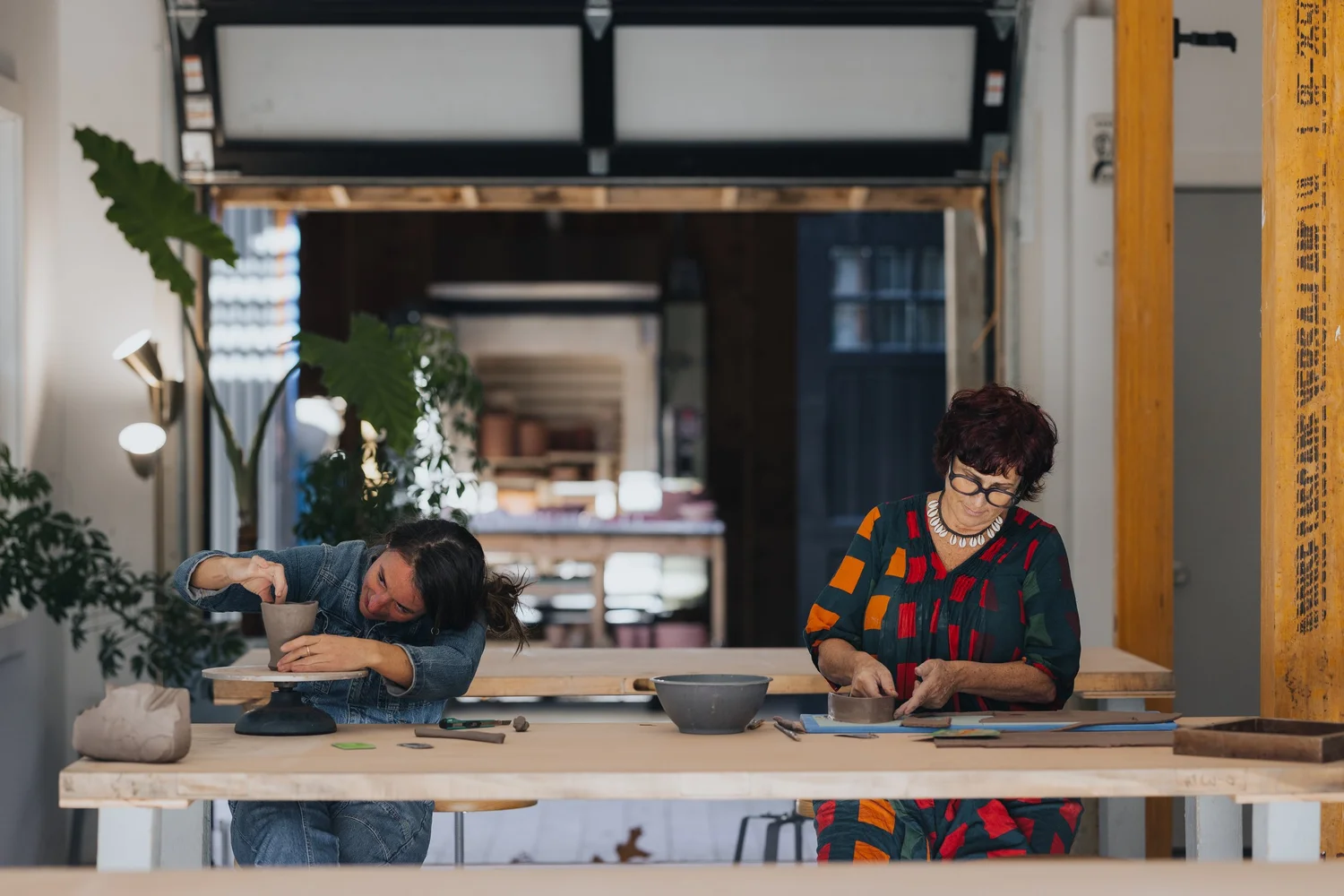
Ceramic studio and artist residency in Truro, MA offering 1-year residencies for ceramicists with communal housing, 24/7 studio access, kilns, wheels, and clay. Monthly fee $1,500; 16 hrs/mo contribution required.
Explore United States
More city guides
Opportunity Intelligence
Ready to find your next residency?
Get a personalized shortlist — scored against your practice, discipline, and what you need right now.
See how Intelligence works →