
City Guide
Tokyo, Japan
How to choose the right Tokyo residency and actually make the city work for your practice
Why artists choose Tokyo for residencies
Tokyo is dense, wired, and full of art if you know where to look. A residency here doesn’t just give you a studio; it plugs you into museums, artist-run spaces, tech labs, bookshops, and a constant flow of events.
For many artists, Tokyo makes sense if you:
- Work with urban space, architecture, and infrastructure
- Are into media art, performance, sound, design, or publishing
- Want to connect research and studio practice
- Like moving between institutional scenes and small independent spaces
The city is not cheap, but it offers a high concentration of opportunities in a relatively compact metro area. Residencies often sit inside a larger ecosystem that includes Yokohama, Kanagawa, Chiba, and rural programs you can visit on side trips.
Key residency options in and around Tokyo
Here’s an overview of how the main programs differ, so you can match your work to the right situation rather than just chasing big names.
Tokyo Arts and Space (TOKAS)
Where: Tatekawa, Sumida-ku, east Tokyo
Site: TOKAS Residency
TOKAS is one of Tokyo’s most established residency platforms. It runs structured creation and research programs for both Japanese and international artists and curators.
Depending on the specific open call, the program may include:
- Travel support
- Per diem
- Fee or production support
- Shared studio and living spaces
Good fit if you:
- Have a clear, research-based or project-based proposal
- Work in contemporary visual art, performance, or interdisciplinary practices
- Want institutional visibility and connection to museums, curators, and other residents
TOKAS also runs exchange programs with partner organizations abroad, which can be a door into longer-term networks across Asia and Europe.
Arts Initiative Tokyo (AIT) Residency
Where: Yukigaya (Ota-ku), with extra apartments in central Tokyo as needed
Info: AIT on TransArtists
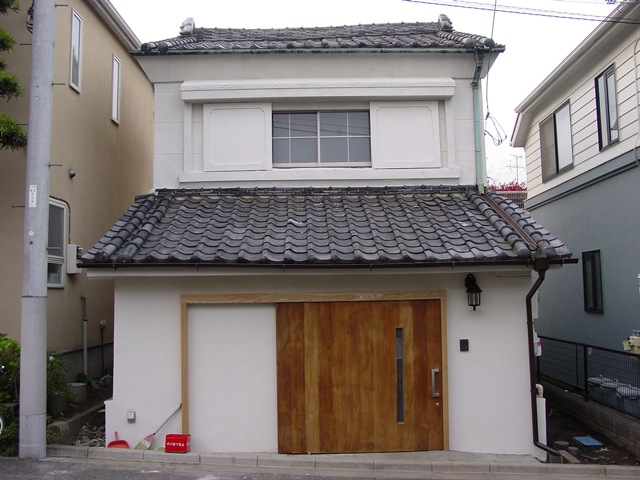
AIT is a non-profit contemporary art platform offering one to three month residencies for artists and curators. Residents usually stay in a converted Japanese kura (storehouse) in a quiet residential neighborhood.
Good fit if you:
- Prefer a small-scale, concept-driven environment
- Have a research-heavy practice and need time for reading, writing, or studio reflection
- Want access to curatorial thinking and critical conversation more than a large studio complex
The pace here tends to be slower and more discursive than at big institutional programs. It’s a useful base if you want everyday life in a residential area with easy train access to more “high-pressure” art districts.
BioClub Tokyo Residencies
Where: Tokyo (often anchored around lab and maker spaces)
Site: BioClub Tokyo residency
BioClub hosts local and international artists and designers for art-and-science oriented residencies. Some are custom or project-specific, and funding often needs to be arranged with external partners.
It also runs a dedicated Finnish Art & Science Research Residency in Tokyo with Bioart Society and the Finnish Institute in Japan, covering travel and a one-month stay for artists who meet its nationality or location criteria.
Good fit if you:
- Work with biology, ecology, lab processes, or speculative design
- Have access to your own funding, institutional support, or grants
- Want to work inside a tech and research community rather than a traditional art studio block
Before applying, think concretely about what tools and lab access you need. Clear technical requirements usually make your proposal much stronger.
Ongoing AIR
Where: Kichijoji, western Tokyo
Info: listed in Tokyo residency roundups such as ArtConnect
Ongoing AIR is connected to Art Center Ongoing, a well-known independent art space in Kichijoji. The program typically runs for around two months and welcomes both domestic and international artists and curators.
According to public listings, the residency often provides:
- Accommodation
- An exhibition opportunity
Good fit if you:
- Want a neighborhood-centered residency with strong local energy
- Value a built-in exhibition or public outcome
- Like being in a social, cafe-heavy, park-adjacent area rather than a business district
Kichijoji has a strong community feel and easy access to central Tokyo, which makes this program appealing if you like to oscillate between quiet working days and busy gallery nights.
PARADISE AIR (near Tokyo)
Where: Matsudo, Chiba Prefecture, just outside Tokyo
Info: often included in Tokyo-area residency lists
PARADISE AIR runs short and long stay programs for artists, curators, and researchers. Open calls have varied, but accommodation, travel, and per diem support are sometimes included.
Good fit if you:
- Want lower pressure and more space than central Tokyo
- Like community-engaged work and smaller city rhythms
- Still want rapid train access to Tokyo’s galleries and museums
Think of it as a satellite base: a quieter place for focused work that still enables regular trips into Tokyo when you need them.
Hayama Artist Residency (Tokyo-connected)
Where: Hayama, Kanagawa Prefecture (coastal area south of Tokyo)
Site: Hayama Artist Residency
Hayama Artist Residency focuses on cultural immersion and connections across Japanese art scenes. A key feature is a group exhibition organized with KOKI ARTS, a contemporary gallery in Tokyo’s Bakurocho district.
The residency team works with the gallery on selection, consignment, shipping, and insurance, which removes a lot of logistics from your plate.
Good fit if you:
- Want a quieter seaside base but still care about Tokyo gallery exposure
- Value curatorial guidance around how your work is presented
- Are interested in meeting both local artists and gallery-linked curators
SARUYA AIR (Mt. Fuji area, often paired with Tokyo)
Where: Fujiyoshida, at the base of Mt. Fuji
Site: SARUYA Artist in Residence
SARUYA AIR offers one to three month stays in a shared building with a shared studio, in a city known for its textile industry and proximity to Mt. Fuji’s forests.
Fees are charged monthly and depend on room type, length of stay, and number of people. Food, transport, and materials are up to you.
Good fit if you:
- Want to balance time in Tokyo with a quieter, landscape-focused phase
- Work in textiles, performance, film, design, or site-responsive installation
- Prefer setting your own schedule and working independently
Many artists treat programs like this as a second chapter: Tokyo for research, meetings, and energy; Fujiyoshida for concentrated making.
How to choose the right Tokyo residency for your practice
Instead of asking which residency is “best”, it helps to ask what kind of working life you want in the city and match that to the structure of each program.
Questions to ask yourself
- Institutional vs. independent: Do you want a big, structured program like TOKAS, or a small, flexible setup like AIT or Ongoing AIR?
- Research vs. production: Are you mainly reading, walking, filming, interviewing, or do you need heavy studio production time?
- Public outcome: Do you want an exhibition, open studio, or publication built in, or is this more about process and research?
- Funding: Can you self-fund? Do you need travel and housing covered? Are you eligible for national grants that can pair with a residency like BioClub?
- Environment: Do you want buzzing central neighborhoods, a quiet residential area, or a regional base with train access to Tokyo?
Questions to ask the residency directly
When you narrow down programs, send clear questions. For example:
- What exactly is covered (housing, studio, travel, per diem, materials)?
- How many artists are in residence at once, and how international is the group?
- What typical public outcomes do residents have?
- How do you support non-Japanese speaking artists (translations, intros, staff support)?
- Do you provide invitation letters or documents for visa applications?
Clear answers here help you avoid surprises around cost, workload, and expectations.
Neighborhoods and daily life for resident artists
Your experience in Tokyo will be shaped as much by your neighborhood as by your studio. Here are the areas that show up repeatedly across residency descriptions and art circuits.
Kichijoji and western Tokyo
Residency link: Ongoing AIR
Kichijoji is popular with artists, students, and young professionals. It has a major park, plenty of cafes, and a steady stream of small venues and events.
Why it works for residencies:
- Feels livable and human-scale
- Has a strong local community
- Direct train access to Shinjuku and other central hubs
Sumida / Tatekawa (east Tokyo)
Residency link: TOKAS Residency
This area mixes older neighborhoods with ongoing urban change. It is quieter than major commercial centers but still firmly urban.
Why it works:
- Good for artists interested in housing, older streets, and the everyday built environment
- Less expensive daily life compared to prime central districts
- Easy rail links to Asakusa, Ueno, and other older cultural areas
Yukigaya / Ota-ku
Residency link: AIT
Yukigaya is a residential neighborhood with a slower pace and fewer tourists.
Why it works:
- Quiet enough for focused writing or research
- Sit in on Tokyo life away from obvious art zones
- Still reachable by train for gallery visits and events
Bakurocho / Nihonbashi
Residency link: Hayama’s group show at KOKI ARTS
Bakurocho has become a small but active gallery cluster, with contemporary spaces tucked between wholesalers and older businesses.
Why it works:
- Ideal area to see current contemporary exhibitions
- Good for networking with curators and gallery staff
- Walkable to other central neighborhoods
Other useful art zones
- Roppongi: Mori Art Museum, The National Art Center, and many galleries; very useful for seeing large exhibitions and international shows.
- Kiyosumi-Shirakawa: An increasingly gallery-heavy area with cafes and design spaces; good for weekend gallery walks.
- Tennoz / Shinagawa waterfront: Home to larger warehouse-style exhibition spaces and public art.
- Ginza, Aoyama, Shibuya: Concentrations of commercial galleries and shops, handy to visit in clusters.
Costs, transport, and visas: making the stay workable
Residencies will frame your time, but daily logistics still matter. Treat these as part of your project planning, not as an afterthought.
Cost of living basics
Tokyo can feel expensive if you are used to smaller cities, but a residency that includes housing and some support can keep things manageable.
Rough everyday costs:
- Budget meal: around ¥500–¥1,000 (convenience store, simple set meal)
- Casual lunch: roughly ¥800–¥1,500
- Coffee: often ¥400–¥700 in cafes
- Train rides: usually a few hundred yen per trip, depending on distance
What really shifts the budget is:
- Whether housing is covered or heavily subsidized
- How much you move around the city each day
- Material and production costs for your project
If a program is self-funded, ask for details of the monthly fee, what it covers, and what previous artists typically spent on top.
Getting around the city
Tokyo’s rail system is one of your main tools as a visiting artist. You can live in a quieter area and still attend openings on the other side of the city in under an hour.
- Pick up an IC card such as Suica or PASMO and keep it topped up for trains and many shops.
- Use train apps or online maps to plan transfers; station names and platform signs are very clear.
- Watch last train times if your schedule involves late openings or performances.
- Budget time and money for regular trips to galleries even if you are in a regional program like PARADISE AIR or SARUYA.
Visa basics for residency artists
Visa needs depend on your nationality, the length of your stay, and whether your activities are considered paid work.
To stay on safe ground, ask each residency:
- What type of visa previous participants from your country used
- Whether they provide an invitation letter or other official documents
- Whether the program includes any fee payments, teaching, or employment-like activities
Then cross-check with the Japanese embassy or consulate in your country. This is especially important for longer stays, stipends, or residencies that involve workshops and performances with ticket income.
Using a Tokyo residency as a launchpad
A Tokyo residency can be more than a one-off project. If you plan it with a bit of strategy, it becomes a base for long-term connections.
Link your project to the local scene
- Map out nearby galleries, museums, archives, and universities before you arrive.
- Look for open studios, small book fairs, or talks hosted by artist-run spaces.
- Ask residency staff which local artists or curators might align with your work and request introductions.
Build in time for side trips
Many artists combine a Tokyo residency with short trips to other programs, either during or directly before/after their stay.
- Regional residencies like SARUYA AIR or coastal programs like Hayama balance Tokyo’s intensity with slower environments.
- Rural programs across Japan can give you completely different material and communities while you keep Tokyo as your main travel hub.
Plan your follow-up before you leave
Before your residency ends:
- Collect contacts, not just business cards: save email addresses, social media, and notes on each person.
- Talk to staff about ways to return, collaborate remotely, or show work again.
- Decide what form your residency outcomes will take (exhibition documentation, text, publication, new series) and schedule time after you return home to process and present them.
If you match the residency structure to your needs, plan your budget realistically, and plug into nearby art communities, Tokyo can be an intense but extremely generative place to work. Use the city as a studio, a research site, and a long-term network rather than just a short stop.
Residencies in Tokyo

AIR 3331
Tokyo, Japan
AIR 3331, based in the heart of Tokyo, Japan, is an Artist in Residence program that continues to thrive despite the closure of its parent facility, 3331 Arts Chiyoda, in 2023. Managed by Command A, an artist-run initiative, AIR 3331 immerses artists in the local community and offers a platform to cultivate creativity across various disciplines including visual and media art, design, performance arts, music, and architecture. The program, under the supervision of Masato Nakamura, a prominent figure in Japan's art scene, provides artists the unique opportunity to stay, create, and present their work in one of the world’s most vibrant cities, encouraging deep engagement with the local culture and art community.
Art Center Ongoing
Tokyo, Japan
Art Center Ongoing, founded in January 2008 in Tokyo, Japan, is a vibrant art complex featuring a gallery, library, and café. Known for fostering experimental art, it has introduced numerous artists and facilitated various events, including talks, performances, and workshops. Since 2013, Art Center Ongoing has run an artist-in-residence program, building a strong network with the international art community. The center offers a 2-month residency, providing accommodation and exhibition opportunities, and aims to be a space where diverse individuals can engage with contemporary art. Situated in the culturally rich Kichijoji area, it serves as a crucial hub for young, active artists in Tokyo’s art scene.
Arts Initiative Tokyo
Tokyo, Japan
Arts Initiative Tokyo (AIT) is a residency program in Tokyo that hosts artists, curators, writers, educators, and practitioners for 1-3 month research-focused stays, emphasizing interdisciplinary work, international exchange, and connections to the Japanese art scene rather than production or studio work. It operates on a partnership model with international organizations, providing housing in a converted Japanese storehouse in Yukigaya or central apartments, and encourages participation in AIT's educational and dialogue activities. Recent themes include holism, well-being, climate crisis, art brut, spirituality, and alternative education.
Explore Japan
More city guides
Opportunity Intelligence
Ready to find your next residency?
Get a personalized shortlist — scored against your practice, discipline, and what you need right now.
See how Intelligence works →