
City Guide
Tokoname, Japan
How to work, research, and live as an artist in Japan’s 1,000-year pottery city
Why Tokoname is on artists’ radar
Tokoname in Aichi Prefecture is one of Japan’s historic ceramic centers, known as one of the “Six Ancient Kilns.” For artists, that means you are stepping into a city where clay, kilns, and ceramics are not just heritage—they are part of daily life and industry.
As an artist, Tokoname gives you:
- Deep ceramic infrastructure: kilns, clay suppliers, tile factories, and people who actually know how to fire at scale
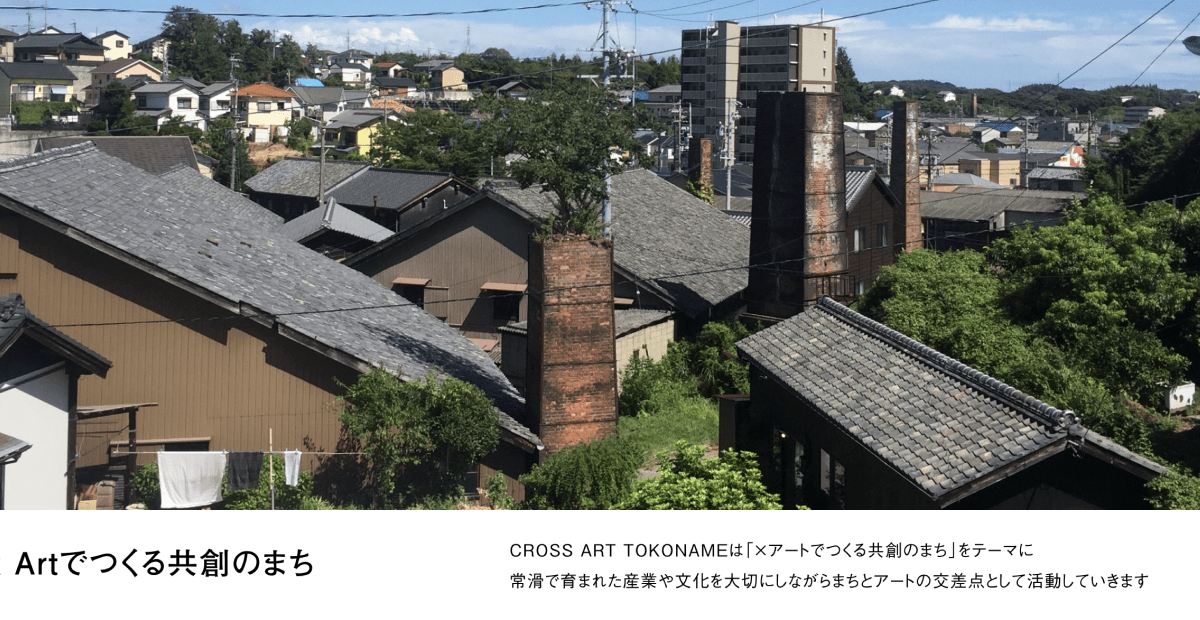
- A visually rich environment: pottery slopes, old climbing kilns, clay walls, and ceramic public art everywhere
- Working relationship between art and industry: it is still an active production city, not a frozen museum town
- Strong local identity: Tokoname ware and ceramic manekineko (beckoning cats) show up across the city
- Easy access: direct rail to Nagoya and immediate proximity to Chubu Centrair International Airport
Even if you are not a ceramic artist, Tokoname is serious material research territory. You can think of it as a living archive for clay, tiles, public craft, and how a city reshapes itself around a specific material over a thousand years.
Key residency: TOUCH!TOKONAME (CROSS ART TOKONAME)
The main structured artist-in-residence program associated with Tokoname in recent years is the Artist-in-Residence Program “TOUCH!TOKONAME”, hosted by CROSS ART TOKONAME.
What the program is set up to do
TOUCH!TOKONAME is built around three pillars:
- Creation: studio access and time for your own work
- Fieldwork: research and exploration in the city, especially around ceramics and local industries
- Exchange: structured interaction with residents, local artists, schools, and city officials
The host organization frames itself as a “crossroads” between the city and art. That is not just branding; the program design expects you to show up as a person, not just a studio hermit.
What it usually offers
Based on recent program descriptions, artists can typically expect:
- Studio space for production and research
- Accommodation in guesthouses within the city, often near Meitetsu Tokoname Station
- Exhibition / presentation space for a final show or public presentation
- Financial support such as a stipend that may include living and production costs, plus some travel assistance
- Support by coordinators and local art professionals, especially for community and school collaborations
- Local mobility options sometimes including rental bicycles
The exact amounts and details can shift from year to year, so you always want to read the latest guidelines on the official site or AIR listing.
Who the residency suits
The program is open to artists from Japan and abroad, and previous calls have targeted:
- Visual artists
- Craft and applied arts practitioners
- Architects and designers
- Film / video / mixed media artists
The shared baseline is that your practice should be active, and you should be able to communicate in English or Japanese. There is a strong expectation of being present, socially functional, and willing to work with the community.
This residency fits best if you:
- Are interested in ceramics, clay, tiles, or material culture
- Enjoy community engagement, including school visits and open studios
- Want a structured program with built-in public presentation
- Are prepared to commit to the full residency term, including official events
Community engagement: what you are actually expected to do
Past editions included:
- City hall visit and welcome events: you meet city officials, local partners, and get oriented
- Homestay with local residents, giving you a closer look at daily life
- Open studio day: the public visits your workspace, so process sharing is part of the job
- School visit program: workshops, talks, or activities with students
- Final exhibition and farewell event: you present outcomes (works, research, or process) to the community
This is a good fit if you like talking through your work and experimenting with how it lands in a specific local context. It is less ideal if you want a fully private, silent retreat with minimal external expectations.
How to track future open calls
TOUCH!TOKONAME has run as a special commemorative program linked to Tokoname’s city anniversary, with calls listed on:
Programs may not run every year, so instead of assuming a fixed calendar, keep an eye on:
- The Cross Art Tokoname English website
- AIR_J residency archives and new calls
- Any social media updates from CROSS ART TOKONAME
How it actually feels to work in Tokoname
Think of Tokoname as an extended workshop city. You can walk out of your accommodation and be surrounded by clay pipes, broken tiles embedded in retaining walls, kiln remains, and shops selling local pottery.
Key areas you will move through a lot
- Around Meitetsu Tokoname Station
Residencies and guesthouses often cluster here. You get fast rail to Nagoya, easy access to convenience stores and daily needs, and you are within walking distance of several main art and craft routes. - Pottery Foot Path and old pottery district
This walking route takes you past old kilns, clay walls, chimneys, and studios. For fieldwork, sketching, photography, and site-responsive ideas, this path is basically a moving research station. - Manekineko Street
Near the station, lined with ceramic beckoning cats. It is kitschy, but it also shows how a city’s identity and economy attach themselves to a single material and motif. - INAX Live Museum area
INAX Live Museum is a ceramics and tile-focused museum and hands-on site. It is especially useful if your practice touches architecture, urban surfaces, pattern, or industrial craft. - Ceramall
A ceramics shopping zone where you can see different approaches to Tokoname ware, pricing, and how local makers present their work to visitors.
Studio and exhibition ecosystem
Tokoname does not have the dense white-cube gallery scene of a big city, but it is rich in craft-oriented and site-based display options. As a resident artist, expect a mix of:
- Dedicated AIR studios provided by CROSS ART TOKONAME or partner spaces
- Cafe or hybrid spaces used as exhibition venues, often near the station or in the pottery district
- Site-specific possibilities along walking routes, in courtyards, or around kiln structures
If your practice leans toward object-based craft, you get a natural audience of ceramic-aware visitors. If you are more installation or research-based, you can work with the host to find formats that make sense in a mixed tourism/local setting.
Practical living: money, logistics, and daily life
Cost of living
Tokoname is typically more affordable than central Nagoya. If your residency covers housing, stipend, and some production costs, your main expenses will likely be:
- Additional materials beyond what is covered
- Meals and groceries (convenience store food and casual restaurants are relatively accessible)
- Local transport if you travel outside walking/bicycle range
- Trips to Nagoya or other cities for exhibitions or supplies
For ceramics-focused work, plan ahead for:
- Clay (usually easy to source locally)
- Firing costs if not fully covered by the program
- Shipping of finished works back home, which can be heavy and costly with ceramics
Getting around
Central Tokoname is compact enough that you can walk between the station, pottery footpath, and many key sites.
- On foot: realistic for daily life if you are near the station area
- Bicycle: handy for slightly longer distances, and sometimes provided or supported by residencies
- Train: Meitetsu Tokoname Line takes you directly to Nagoya Station in roughly half an hour
- Airport access: Chubu Centrair International Airport is right next door, connected by train, which makes arrivals, departures, and visiting collaborators straightforward
That combination—small city plus serious transport infrastructure—is one of Tokoname’s big advantages for visiting artists.
Housing styles for artists
Residencies and independent stays in Tokoname often use:
- Guesthouses in the city (sometimes shared with other artists)
- Small apartments near Meitetsu Tokoname Station
- Traditional houses converted into lodging or mixed-use spaces
Timing your stay: seasons and work rhythm
Tokoname works differently depending on the season, especially if you rely on outdoor work or long walks for research.
Spring
- Mild weather and good light for fieldwork and photography
- Pottery districts and walking paths feel active but not overwhelming
- Comfortable for open studios and public events
Summer
- Hot and humid, which can be intense for outdoor work and firings
- Useful if you want long studio days and do not mind the heat
- Humidity matters if you are working with paper, wood, or other sensitive materials
Autumn
- Comfortable temperatures and clear days
- Strong season for outdoor installations and city-based projects
- Good balance between tourism activity and calm studio time
Winter
- Quieter, with fewer casual visitors walking the pottery paths
- Great for focused studio work with fewer distractions
- Outdoor research and filming may be less pleasant, but interiors feel more concentrated
Visas and admin: what to clarify with hosts
Residency stays in Japan usually fall under short-term visitor arrangements, but the details depend heavily on:
- Your nationality
- Length of stay
- Whether you receive a stipend or fee
- How immigration classifies your activities (work, research, cultural exchange)
Before you commit, ask the residency directly:
- What type of status of residence previous participants used
- Whether the program provides a formal invitation letter or any immigration guidance
- How they describe the residency activity in official documents
- If any stipend is considered a fee for work or a form of grant/cost support
The safest path is to let the host describe how they are used to handling international artists, then double-check with your local Japanese embassy or consulate.
Connecting with the local art community
How the community tends to work
Tokoname’s creative network is rooted in:
- Ceramic workshops and kilns
- Craft and design businesses linked to tiles, pipes, and tableware
- Public art and tourism infrastructure like walking routes and themed streets
- Schools and educational programs that regularly host visiting artists
Local partners are usually used to artists coming in for fixed-term projects. People are often curious and supportive, especially if you show genuine interest in the city’s material history and everyday life.
Ways to build relationships during a residency
- Use open studio days as real conversations, not just display moments
- Ask coordinators to introduce you to local ceramicists, not just art administrators
- Visit small shops and workshops along the Pottery Foot Path and ask about their materials and processes
- Document how your project relates to Tokoname itself—residents respond strongly when they can see their city reflected in the work
Is Tokoname the right fit for your practice?
Tokoname tends to work especially well if you are:
- A ceramic artist or sculptor who wants to root work in a major historic kiln site
- A designer or architect curious about tiles, building materials, and surface culture
- A socially engaged artist who enjoys community projects, school visits, and open studios
- A research-driven artist who treats cities and craft traditions as material
It can be less ideal if you want:
- A remote, nature-only retreat with minimal human contact
- A high-density commercial gallery scene focused on selling work on-site
- A program with no community obligations or public presentations
Next steps: how to actually move forward
If Tokoname feels aligned with your practice, these steps keep it practical:
- Read the latest residency details and open-call information on CROSS ART TOKONAME and AIR_J
- Map your project idea onto Tokoname’s strengths: ceramics, public craft, city-as-archive, and community exchange
- Prepare a portfolio and proposal that show clearly how you plan to use the city and how you will share outcomes with local people
If you build your project with Tokoname’s clay, streets, and people in mind from the start, the residency and the city tend to give a lot back.
Explore Japan
More city guides
Opportunity Intelligence
Ready to find your next residency?
Get a personalized shortlist — scored against your practice, discipline, and what you need right now.
See how Intelligence works →