
City Guide
Tennessee, United States
How to match your practice with the right Tennessee city, scene, and residency vibe.
Why Tennessee works well for residencies
Tennessee is generous to artists in ways that matter day to day: lower costs than major coastal hubs, a mix of city energy and rural quiet, and real access to studios, fabrication shops, and cross-disciplinary communities. You get enough infrastructure to be productive, without the constant financial squeeze of bigger markets.
The strongest residency ecosystems are centered around Nashville, Memphis, Chattanooga, Knoxville, and pockets of rural Middle and East Tennessee. Each has a distinct vibe, so the real question is: what kind of time are you looking for—public and plugged-in, or quiet and off-grid?
Nashville: public-facing, network-heavy residencies
Nashville is known for music, but the visual and interdisciplinary scenes have been growing in a serious way. If you want exposure, an audience, and regular events on your calendar, this is the city to look at first.
Key residency options in the Nashville area
Arcade Arts – Artist in Residence (Downtown Nashville)
- Format: Long-form, rent-free studio program (around 10 months).
- What you get: Rent-free working studio in the Nashville Arcade, professional development, curated events, workshops, artist talks, and monthly Art Crawl visibility.
- Good fit if: You want a high-visibility, public-facing studio, you’re comfortable with people walking through your space, and you’re interested in building local relationships with curators, collectors, and peers.
- Things to consider: This is more like embedding in a commercial/arts corridor than hiding away in the woods. Expect to talk about your work, show often, and show up for public events.
Stones River National Battlefield – Artist-in-Residence (Murfreesboro / Middle Tennessee)
- Format: Short-term national park residency, usually a few weeks.
- What you get: Shared housing near the park (your bedroom typically doubles as a studio), kitchen and bath access, immersion in a historic landscape.
- Good fit if: Your work engages with history, memory, landscape, ecology, or public heritage. Writers, composers, and visual artists all tend to work well in this context.
- Things to consider: The park setting is quieter and more reflective than downtown Nashville, so this is about research and focused making rather than constant openings.
Nashville city snapshot for residents
Cost of living: Nashville is one of the pricier cities in Tennessee, especially around downtown, Wedgewood-Houston, and East Nashville. Many artists share housing or live slightly farther out and commute to studios.
Neighborhoods artists often consider
- East Nashville: Long-time musician and artist hub, lots of venues, galleries, and independent businesses.
- Wedgewood-Houston (WeHo): Dense with galleries, studios, and creative businesses; ideal if you want to be in the middle of events.
- Downtown / SoBro: High visibility, walkable to institutions like the Frist Art Museum, but higher rents.
- The Nations / Madison / Donelson / Berry Hill: Mix of affordability and access, often chosen by artists who prioritize studio and car access over walkability.
Spaces and institutions to know
- Frist Art Museum – anchor for larger exhibitions and art audiences.
- Zeitgeist, Bennett Galleries, Tinney Contemporary – strong commercial and contemporary spaces in the city.
- Artist-run spaces in WeHo and East Nashville – rotating project spaces and pop-ups that can be especially receptive to resident artists.
Transportation: A car makes life easier, especially if your housing isn’t central. Buses exist but are limited. For short-term residencies with housing near your studio, rideshare and occasional transit can work.
Memphis: interdisciplinary, music-rich, and affordable
Memphis is shaped by music history, civil rights history, and a strong independent arts ethos. The cost of living is generally lower than Nashville, and residencies here often plug you into an interdisciplinary, socially aware scene.
Crosstown Arts – a major residency hub
Crosstown Arts Residency (Memphis)
- Discipline: Multidisciplinary – visual arts, performance, music, film, writing, and hybrid practices.
- What you get: Private studio space, potential accommodation (depending on the specific track), and access to a large creative campus anchored in Crosstown Concourse.
- Good fit if: Your practice crosses between mediums (sound and sculpture, performance and writing, film and installation) or you want to experiment around other disciplines.
- Community: Crosstown is a daily cross-section of musicians, visual artists, designers, nonprofits, and neighbors. Ideal if you gain energy from shared spaces and casual collisions.
Memphis city snapshot for residents
Cost of living: Generally more affordable than Nashville, with more options for larger apartments and studios. Still, prices vary by neighborhood, and renovated or downtown spaces will cost more.
Neighborhoods artists often consider
- Crosstown / Midtown: Close to Crosstown Concourse, older housing stock, and a concentration of arts spaces.
- Cooper-Young: Walkable, creative, full of cafes and venues.
- Downtown / South Main: Gallery presence, loft-style living, river access, and more tourism.
- Binghampton: Known for murals and community-based projects; can be more affordable, with a growing creative presence.
- East Memphis: More suburban feel, sometimes easier for longer stays needing quiet home base.
Spaces and institutions to know
- Memphis Brooks Museum of Art – major art institution, useful for context and networking.
- Community and project spaces in Midtown and Downtown – changing frequently, so check local listings when you arrive.
- Crosstown Concourse – not just your residency building; it’s a full ecosystem of galleries, performance spaces, and public programs.
Transportation: A car is helpful but not mandatory if you live near Crosstown or Midtown. For short stays, choosing housing near your residency site will make life easier than relying on transit across long distances.
Chattanooga: fabrication-friendly and studio-focused
Chattanooga is a strong choice if you need shop access, a mid-sized city, and a balance between nature and urban life. The residency infrastructure here is especially good for object-makers and artists working at scale.
Stove Works Artist Residency
Stove Works (Chattanooga)
- Format: Live/work residency, often 1–3 months.
- What you get: No-cost housing and studio (private bedroom and bathroom, shared kitchen and living areas), 24/7 facility access, and dedicated shop spaces for fabrication.
- Facilities: Metal shop, woodshop, print shop, and common shop space. Some studios are set up for large-scale or material-heavy projects, while others suit writers, curators, or non-object practices.
- Good fit if: You want to build things—sculpture, installation, craft, mixed media—and need tools and tables more than you need a white-cube gallery schedule.
- Community: Strong peer group of residents and visiting artists; this can feel like an intense, focused cohort experience.
Chattanooga city snapshot for residents
Cost of living: Typically mid-range for Tennessee: less than Nashville, similar to or slightly more than some parts of Knoxville, depending on neighborhood and proximity to the river and downtown.
Neighborhoods artists often consider
- Southside: Walkable, arts-focused, close to galleries, restaurants, and often to Stove Works.
- North Shore: Across the river with boutiques, cafes, and scenic views.
- St. Elmo: At the base of Lookout Mountain; quieter, more residential.
- Downtown / Riverfront: Good for those who want quick access to events and institutions.
- Highland Park / MLK corridor: Often attractive for a balance of cost and proximity.
Spaces and institutions to know
- Stove Works – not just a residency, but a contemporary arts venue and meeting point.
- AVA (Association for Visual Arts) – community-oriented art space worth connecting with.
- In-Town Gallery, River Gallery – additional exhibition contexts.
Transportation: A car helps, especially if you live outside the core or want to access regional nature. The city center is bikeable, and some neighborhoods are pedestrian-friendly.
Knoxville & East Tennessee: well-supported time and craft-focused programs
Knoxville and the surrounding region give you forest, hills, and strong craft and contemporary art traditions. Residencies here often emphasize deep work time, high-quality facilities, and structured professional development.
Loghaven Artist Residency (Knoxville)
Loghaven (Knoxville)
- Setting: Ninety wooded acres with historic log cabins and purpose-built studios.
- Disciplines: Architecture, dance, interdisciplinary art, music, theater, visual art, and writing.
- What you get: Fully funded residency, housing in beautifully restored cabins, dedicated studios, and stipends to support living, travel, and materials.
- Good fit if: You want concentrated, well-supported time for ambitious projects. The experience leans slower, more contemplative, and is highly resourced.
- Rhythm: Expect a quiet environment where the main focus is your work, peer connection, and occasional programming rather than constant public events.
Arrowmont School of Arts and Crafts (Gatlinburg)
Arrowmont Artists-in-Residence (Near Knoxville, Gatlinburg)
- Format: Nearly year-long (around 11 months) residency on a craft-centered campus.
- Who it serves: Early-career artists, especially those working in ceramics, fibers, wood, metals, print, and related disciplines.
- What you get: Time and facilities for studio work, guaranteed exhibition space, teaching and instruction experience, open studio events, talks, and networking opportunities.
- Good fit if: You want to deepen both your craft and your teaching/public engagement skills, and you like being on a campus-style setting with workshops happening around you.
Knoxville city snapshot for residents
Cost of living: Usually lower than Nashville and often manageable on a residency stipend or saved funds. Proximity to the University of Tennessee and downtown can affect rent levels.
Neighborhoods artists often consider
- Downtown Knoxville: Walkable, gallery access, performance venues.
- Fort Sanders: Close to UT; active, with a student-heavy feel.
- Old North Knoxville / Happy Holler: Historic homes, emerging creative cluster, local bars and shops.
- South Knoxville: Access to outdoor activities and sometimes more space for the money.
Spaces and institutions to know
- The Emporium Center – central exhibition space.
- Ewing Gallery of Art + Architecture (UT Knoxville) – good for contemporary context and student/academic crossover.
- Independent shops and project spaces – smaller galleries and design-forward stores that frequently show local artists.
Transportation: A car is useful, especially if you’re moving between Knoxville and surrounding areas like Gatlinburg or the national park regions. Downtown itself is walkable, but housing farther out usually assumes driving.
Rural Tennessee & retreat-style residencies
Outside the cities, Tennessee offers retreat-style settings: woods, farmland, hills, and dark skies. These are ideal if your work thrives on quiet and you don’t need constant public programming.
Camp-style and retreat-focused programs
Camp Wonder Wander (Waynesboro)
- Setting: Rural, creatively designed spaces in Middle Tennessee.
- Who it suits: Designers, writers, visual artists, musicians, filmmakers, performers, or anyone needing a creative reset with room to experiment.
- What you get: Multiple workspace types—from quiet, contemplative zones to larger studio shop spaces for painting or 3D work, plus a ceramics workspace.
- Good fit if: You want retreat energy with enough infrastructure to make substantial work, not just journaling by a window.
Rural craft and interdisciplinary spaces
- Appalachian Center for Craft (Smithville) – A craft-focused campus with BFA programs, workshops, and regional cultural resources. Programs can include residencies, visiting artists, and teaching opportunities tied to ceramics, fibers, metals, wood, and glass.
- Other rural or small-town spaces – You’ll find smaller retreat-style residencies scattered across Middle and East Tennessee, some centered on writing or sound, others on visual arts with shared studios and simple housing.
Why choose rural over urban
- You want deep focus, not constant social stimulation.
- Your project is research, writing, or slow-building studio work rather than exhibition-driven.
- You’re comfortable with limited public transit and fewer amenities in exchange for landscape and quiet.
Cost of living and practical strategy by region
Residencies will often cover some combination of housing, studio, and stipends. To decide what’s realistic, it helps to think about your own budget relative to each area.
Quick comparison
- Nashville: Highest housing pressure. Great if you want visibility, networking, and proximity to music and commercial galleries. Budget more for food and transport.
- Memphis: Usually more affordable housing and studio options than Nashville. Strong if you want an urban residency with deep cultural history and a cross-disciplinary scene.
- Chattanooga: Mid-range costs, good balance of city and outdoor access, excellent for fabrication-heavy work.
- Knoxville / Gatlinburg region: Generally moderate, with strong value when a residency is funded or includes housing and stipends.
- Rural areas: Lowest baseline costs, but factor in driving, limited nearby shops, and the need to bring or source materials ahead of time.
How to match your practice to a Tennessee city
When choosing between Tennessee residencies, think less about the brand name and more about what your work actually needs for the next phase.
Questions to ask yourself
- Do you need people or solitude? For feedback, collaborations, and a constant audience, look at Crosstown Arts, Arcade Arts, and Stove Works. For focus and quiet, look at Loghaven, Arrowmont, and rural retreats.
- Are tools or teaching experience a priority? For shops and fabrication, Stove Works and the Appalachian Center for Craft stand out. For teaching and public-facing demos, Arrowmont and some Nashville/Memphis programs can be strong.
- Is funding non-negotiable? Programs like Loghaven are fully funded with stipends; others might cover housing but not all living costs. Check each residency’s current terms carefully.
- How long can you realistically step away from home? Shorter national-park or retreat stays are great for focused bursts. Longer programs like Arcades or Arrowmont are more like a seasonal relocation.
If you pair that with a realistic budget, a sense of your ideal work environment, and a city or landscape that genuinely interests you, Tennessee can be a very generous backdrop for the next chapter of your practice.
Residencies in Tennessee
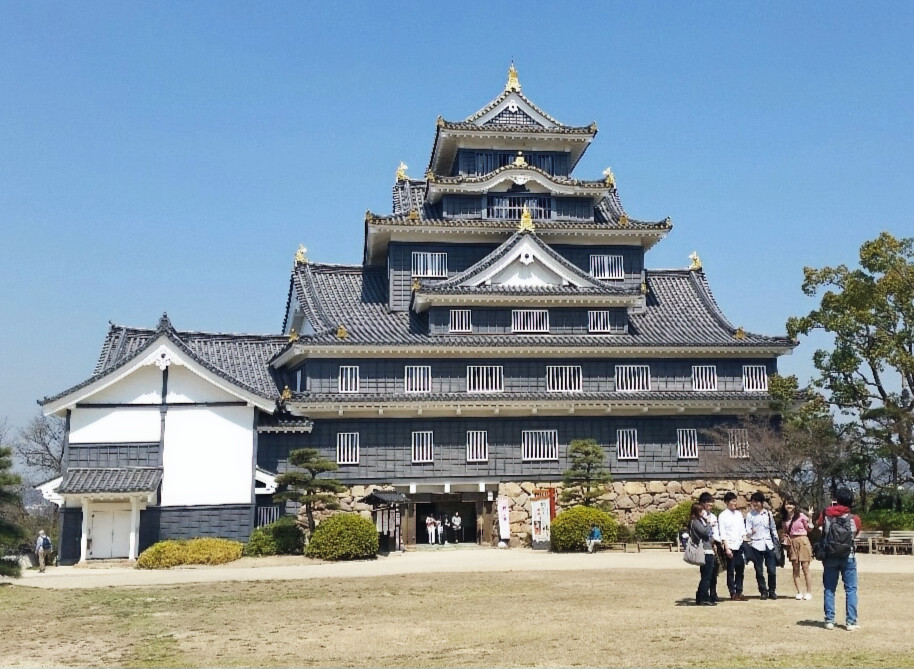
Japan - castle towns and art islands -
Tennessee, United States
The 'Japan - castle towns and art islands -' is a 10-day group travel residency experience organized by Sarasvati (formerly Camp Wonder Wander), taking place in Japan from May 14-24, , with hubs in Osaka and Okayama. Participants explore castle towns, art islands like Naoshima and Teshima, and other cultural sites via day trips, emphasizing art and nature as inspiration for creative practices on the road. It prioritizes artists and writers with nature as their muse, offering a choose-your-own-adventure format with group logistics support for a fee of $1500.
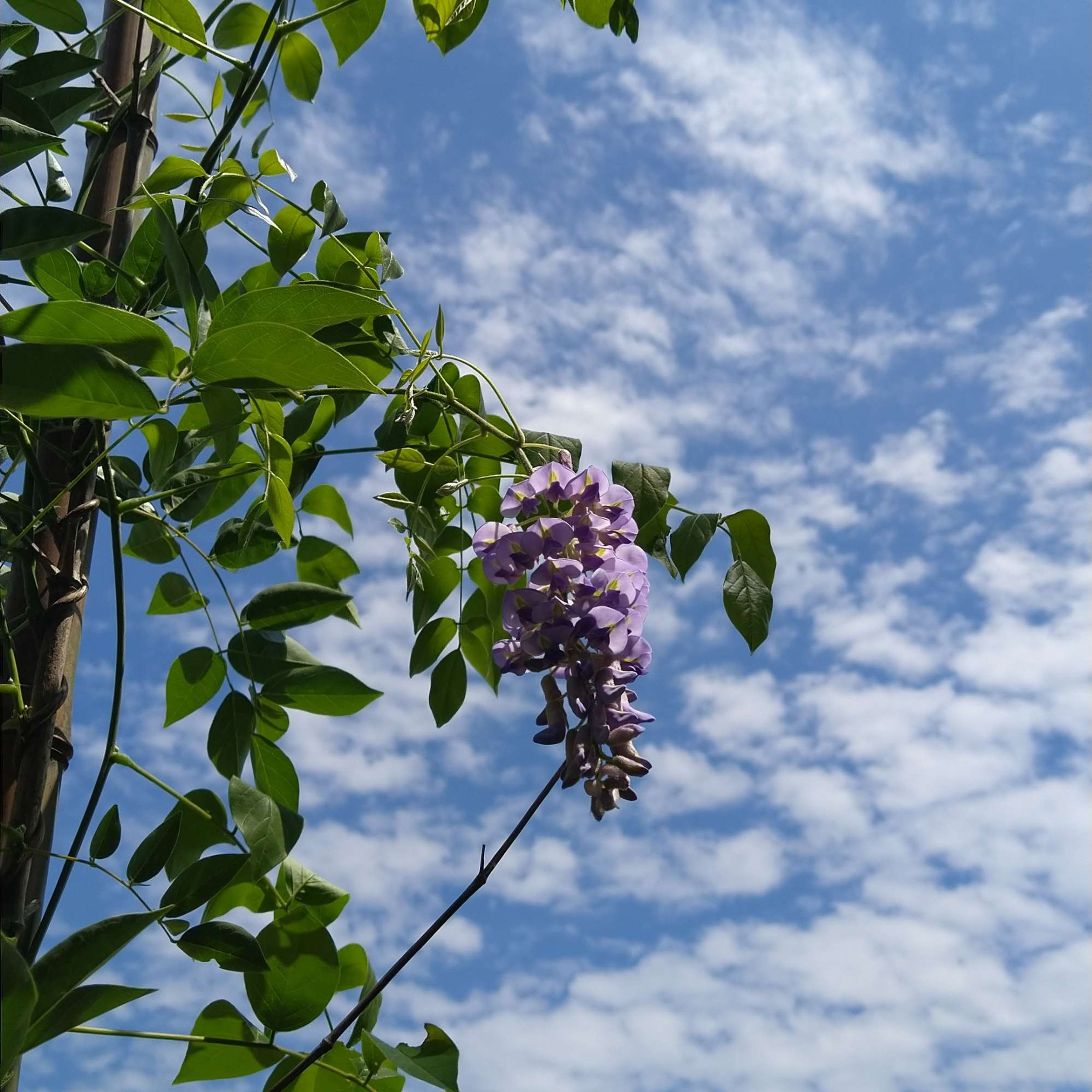
Taste of Tennessee, writer retreats
Tennessee, United States
Taste of Tennessee Writer Retreats, hosted by Camp Wonder Wander at Sarasvati creative Space, offers writers 7-day to 4-week retreats in the Western Highland Rim of mid-south Tennessee, emphasizing immersion in nature, food, farm, and festival experiences to inspire narrative craft. Priority is given to applicants inspired by nature, with rolling applications, sliding scale fees, and a Farm Stay Scholarship requiring 6 hours weekly of on-site physical activities. Up to 3 writers reside at a time in a nurturing environment that encourages disconnecting from everyday life.