
City Guide
Temecula, United States
How to use Temecula’s calm, sun, and wine country to do focused residency work
Why Temecula works for residency-focused artists
Temecula sits in that sweet spot between retreat and access. You get rolling hills, vineyards, big skies, and a slower pace, but you’re still within reach of Los Angeles and San Diego. That mix makes it a strong choice if you want serious work time plus the option to plug into bigger art scenes before or after your stay.
The area is known for wine country more than for galleries, but that actually helps: the energy is driven by landscape, hospitality, and tourism, not by a hyper-competitive art market. You go to Temecula to get work done, not to chase openings every night.
Artists tend to use Temecula residencies for:
- Deep-focus time on a manuscript, score, or series
- Resetting after a hectic period in a big city studio
- Sketching or field recording in nature-rich spaces
- Combining creative work with a quiet personal retreat
The key residency anchor here is Dorland Mountain Arts Colony, set on acreage above the Temecula Valley. If you’re scouting Temecula specifically, that’s the program to understand.
Dorland Mountain Arts Colony: What you actually get
Dorland Mountain Arts Colony is a long-running, self-directed residency overlooking Temecula’s wine country. Think private cottage in the hills, a quiet studio rhythm, and a strong emphasis on solitude and respect for silence.
Who Dorland is for
Dorland welcomes visual artists, writers, musicians, composers, and some interdisciplinary or performing artists who can work in a self-contained way. It suits you if you:
- Want uninterrupted time rather than a structured program
- Like working in silence and don’t need constant social interaction
- Are comfortable in a rural, car-dependent setting
- Have a project you can carry out in a modest studio or writing environment
It is especially good for writers and composers who crave quiet, and for solo visual artists who don’t need heavy fabrication facilities.
Setting and atmosphere
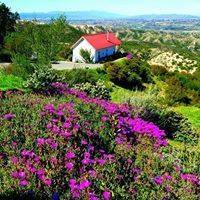
Dorland sits on roughly 300 acres overlooking the Temecula Valley. You get mountain, canyon, and vineyard views, and a mix of walking trails, trees, and open sky. The vibe is closer to a quiet retreat center than to a social residency campus.
The culture at Dorland is built around preserving silence and solitude. Residents are encouraged to keep noise low, move gently through shared spaces, and treat the landscape as part of the studio. If your practice depends on late-night parties or blasting audio, this will feel limiting. If you’ve been craving calm, it’s a gift.
Studios, cottages, and workspaces
Every resident has a private, fully furnished cottage. Expect practical, simple comfort, not luxury design. Typical cottage features include:
- Sleeping area with bed and basic furnishings
- Fully equipped kitchen so you can cook all your meals
- Private bathroom
- Dedicated workspace or studio area inside the cottage
- Wi‑Fi and good cell reception
- Window AC or cooling for hotter months
- Wood-burning stove or heating solution for cooler nights (in some cottages)
- Covered porch with long views across the mountains and valley
Two cottages reportedly include baby-grand pianos (one Steinway, one Kimball), which is a rare asset if you’re a pianist or composer. If you need a piano for your project, be explicit about that when you apply or correspond with staff.
Beyond the cottages, Dorland offers:
- Community Arts Studio / Center with gallery and studio space for visual work or informal sharing
- Library with books and reference material
- Outdoor Art Pavilion for larger work, movement-based practice, or simply spreading out
- Outdoor areas such as a reflection pond, small lake, and hiking paths you can treat as extensions of the studio
This is not an industrial fabrication hub. You get enough space for drawing, painting, small to medium sculpture, mixed media, laptops, sound work, and writing. If you need a full metal shop or large-scale print facilities, you’ll want to plan accordingly or treat Dorland as the research and sketch phase.
Residency length and rhythm
Dorland offers flexible-length stays. Historically you see ranges like one to eight weeks or up to twelve weeks in older listings; more recent information mentions typical stays of one to six weeks. Policies evolve, so check their current guidelines before building a project timeline.
The rhythm tends to feel like this:
- Week 1: Arrive, decompress, adjust to the silence, walk the property, set up your workspace.
- Week 2–3: Deep work phase. Long work blocks, daily walks, minimal outside commitments.
- Week 4+: Consolidation, revisions, finishing pieces, outlining next steps after you leave.
If you’re trying to decide stay length, a good rule of thumb is: one week is a reset, two to three weeks is a project push, four or more is a full reset plus meaningful new work.
Application process and selection
Dorland uses a digital application and a selection committee. The process generally includes:
- Online application form
- Artist bio and headshot
- Work samples (writing, portfolio images, audio, or video)
- Two professional or academic references
- Application fee
Applications are accepted on a rolling basis, and availability depends on the calendar. There is no public requirement for a final exhibition, open studio, or community project; the emphasis is on your internal process and your work, not on public programming.
This means your application should clearly articulate:
- What you want to work on while you’re there
- Why you specifically need quiet, uninterrupted time
- How the natural and secluded setting will actually feed your project
Selection is by committee, so stay focused, concise, and specific. Committees usually appreciate clear goals and strong work samples more than grand, vague ideas.
Fees, funding, and accessibility
Dorland charges a residency fee, and there is also an application fee. Older references show ranges like a few hundred dollars per week or a discounted monthly rate, framing Dorland as relatively affordable compared to many private retreats in the U.S. Exact numbers can change, so treat any quoted rate you see online as approximate and confirm with Dorland directly.
Key points to keep in mind:
- No stipend or production allowance is typically provided.
- You are responsible for travel, food, materials, and personal expenses.
- Cottages are wheelchair accessible according to some listings, but always confirm your specific access needs in writing before committing.
Budget for the residency fee, groceries, gas or rental car, and any extra supplies you’ll need once you arrive.
How Temecula itself supports your residency
Temecula’s value is not a huge art district; it’s the combination of a slower pace, reliable sun, and a landscape that nudges you outdoors, then back into the studio.
Art ecosystem and possible outlets
The local arts infrastructure is small but present. On the civic and community side you’ll encounter:
- Temecula Valley Museum for regional history and occasional cultural programming
- The Merc, a performance and cultural venue in Old Town
- Temecula Civic Center with rotating cultural and community events
- Small galleries and creative spaces in Old Town, plus art-friendly wineries and shops
These spaces rarely operate as formal residency hosts, but they give you possible touchpoints if you want to:
- Scout future exhibition or performance opportunities
- Attend local events during days off from the studio
- Understand the regional audience for your work
Since event calendars change frequently, the safest approach is to check the City of Temecula’s arts and culture page, the museum and venue websites, and Dorland’s own announcements shortly before your stay.
Cost of living and daily logistics
Temecula is often more affordable than coastal Los Angeles or San Diego, but still reflects Southern California prices:
- Groceries and gas sit above the U.S. average.
- Dining out in wine country areas adds up quickly.
- Short residency stays can be more economical than trying to rent long-term housing on your own.
At Dorland, you’ll cook for yourself in your cottage kitchen. You’ll likely do one larger grocery run shortly after arrival, then smaller replenishment runs. Build that into your schedule and budget.
Neighborhoods and areas to know
If you tack on time before or after your residency, it helps to understand how Temecula is laid out:
- Old Town Temecula: Walkable core with restaurants, tasting rooms, small galleries, and venues like The Merc. Good for a decompression day before or after your stay.
- Wine Country corridors like Rancho California Road and De Portola: Vineyards, event spaces, and scenic drives. Great for sketching, photography, or just letting your brain wander while you look out over the vines.
- Central/commercial Temecula: Malls, big-box stores, practical errands. Not picturesque, but useful when you need supplies, tech, or last-minute materials.
- Murrieta and nearby towns: More residential, sometimes considered by artists who extend their time in the area outside a formal residency.
Dorland itself is intentionally outside the main built-up zones. That isolation is the point. Think of Temecula’s neighborhoods as support systems you dip into when you need people, supplies, or a change of scenery.
Practicalities: transport, visas, timing, and fit
Getting there and getting around
Temecula is car-centric. For residency purposes, plan on having a car available. That can be your own, a rental, or coordinated rides if you’re coming with a partner or collaborator.
Nearest airports commonly used include:
- San Diego International Airport (SAN)
- Ontario International Airport (ONT)
- Los Angeles International Airport (LAX), usually the farthest but sometimes the cheapest
From any of these, you’re looking at a drive to reach Temecula and then additional driving to get up to Dorland. Public transit exists regionally but is not built around artists hauling supplies to a rural residency, so treat a car as part of your toolkit.
Visa and entry basics for non-U.S. artists
If you’re coming from outside the United States, factor in visa questions early. What you need depends on:
- Your citizenship and passport
- Length of stay
- Whether you’re receiving payment or a stipend
- Whether you’re teaching, performing, or exhibiting commercially
Dorland’s structure is typically self-directed and not framed as employment. Many artists treat this kind of stay as a cultural or creative visit under visitor or visa waiver routes. That said, immigration rules are complex and personal. Always confirm with the residency and with an official immigration resource or qualified adviser before finalizing plans.
Weather and timing your residency
Temecula has a Mediterranean-style climate: hot summers, mild springs and falls, and cooler, sometimes rainy winters.
For working artists, that translates roughly into:
- Spring: Comfortable temperatures, green hills, good light. Strong option if you like to walk and sketch outdoors.
- Fall: Also excellent. Often clear, golden light, and vineyards in active season.
- Winter: Quieter, cooler, potentially more introspective. Occasional rain can keep you indoors and focused.
- Summer: Hot, especially midday. Manageable with AC and early-morning or evening walks, but plan around heat if you’re working outside.
Dorland uses rolling applications and flexible reservation timing. Popular seasons fill up, so if you need a specific time of year, reach out early and treat dates as part of your project planning.
Is Temecula the right residency city for your practice?
Temecula and Dorland are a strong fit if you’re looking for:
- Quiet over buzz — you want long work blocks instead of constant events.
- Nature over nightlife — hills, vineyards, and stars instead of packed openings three nights a week.
- Self-direction over structure — no one is scheduling your day; you are.
- Privacy over group critique — you may meet other residents, but the emphasis isn’t on formal cohort programming.
They’re less ideal if you need:
- Heavy fabrication studios or specialized technical labs
- Public transit and walkable everything
- A dense cluster of galleries and curators on your doorstep
- Daily collaborative or social activities built into the program
If your priority is to carve out a protected window for focused work, Temecula rewards you with space, light, and quiet. Treat the city as context and support. Treat Dorland as your studio in the hills. The combination can be a powerful reset, especially if you arrive with a specific project and a clear plan for how to use the time.
How to actually plan your Temecula residency
To turn Temecula from an idea into a concrete residency plan, walk through these steps:
- Clarify your project scope. Choose a clear goal for the time: draft three chapters, complete a small series, compose a short suite, edit a portfolio. Scale it to the number of weeks you can reasonably afford.
- Match your needs to Dorland’s setup. If you need absolute silence, indicate that. If you need a piano, say so. If you work with solvents or dust, ask about ventilation and safe practices in cottages and shared spaces.
- Map your budget. Include residency fees, travel, car rental or fuel, food, and materials. Add a small buffer for unexpected costs and one or two days off to see Old Town or wine country.
- Apply with intention. Use the application to show that you understand the residency: emphasize solitude, a realistic project, and why Temecula’s landscape and pace serve your work.
- Plan your daily rhythm. Before you arrive, sketch a simple structure: work blocks, walks, meals, reading, and rest. Having a loose plan helps you avoid losing time in adjustment mode.
Temecula won’t try to entertain you every minute, and that’s exactly the point. If you respond well to open time, natural surroundings, and a private studio you don’t have to share, a residency there can give you the kind of attention and continuity that’s hard to create at home.
Explore United States
More city guides
Opportunity Intelligence
Ready to find your next residency?
Get a personalized shortlist — scored against your practice, discipline, and what you need right now.
See how Intelligence works →