City Guide
Østermarie, Denmark
Quiet village, strong art pulse: how to use Østermarie as a base for deep work on Bornholm
Why Østermarie works so well as a residency base
Østermarie is a small village on the Danish island of Bornholm in the Baltic Sea, and that scale is exactly the point. You go there to work, think, and reset, not to chase a packed cultural calendar every night.
The draw for artists is a specific mix:
- Quiet, low-distraction environment that supports long, uninterrupted studio days
- Strong island art culture on Bornholm, especially in crafts, ceramics, glass, photography, and independent art spaces
- Landscape as a working material: forests, coastline, open sky, and very particular Baltic light
- A real art community around you, even though you are in a village, not a city
Residency listings describe Østermarie as a laid-back village with a vibrant art community and easy access to nature. You are a short bike ride from forests and the sea, with a grocery store and basic services close enough that you can relax into a studio routine.
Bornholm itself is known across Denmark as a kind of working island for artists and makers. That context matters: when you say you are going to Bornholm for an artist residency, locals and peers usually understand that you are going there to concentrate.
Key residency: Beast Artist in Residence
The anchor residency in Østermarie is Beast Artist in Residence, attached to the art space Beast. It is small and focused, which can be a big advantage if you want time to yourself instead of a busy residency program.
Profile and atmosphere
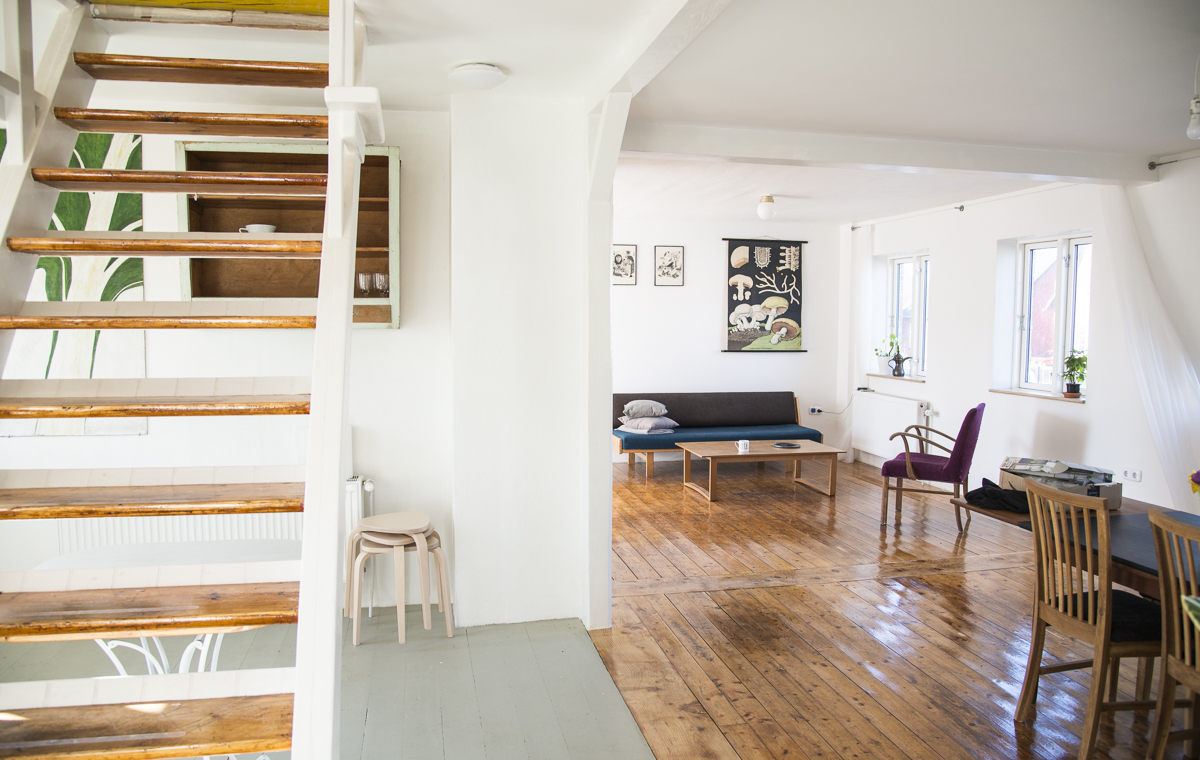
Beast is located next door to the art space Beast in Østermarie, close to a grocery store, public transportation, and bike routes to forests and the Baltic Sea. The program welcomes artists across disciplines, with a special encouragement for those working in photography and image-based practices.
The setup is intentionally simple:
- 1–3 month residencies, oriented around focused studio time
- Housing provided in the residency house next to the art space
- Shared studio space, suitable for visual work and laptop-based practices
- Digital workspace including an external screen, calibration tool, scanner, and A2 inkjet printer
- No fixed theme and no heavy programming – you shape your own time
- Optional public engagement through talks, open studios, or workshops if that supports your project
There is room for a solo artist, a duo, a small group, or a second selected artist at the same time, so you may have peers around you but not a large cohort. The feel is closer to a working retreat than a festival or campus-style residency.
Who Beast is especially good for
The residency is particularly strong if you:
- Work in photography, video, print-based, or digital visual practices and want access to scanning and printing tools
- Enjoy self-directed work and do not need intense curatorial or mentoring input
- Want to use Bornholm’s landscape and light as raw material for research, fieldwork, or image-making
- Need somewhere you can also bring family or collaborators, instead of a strictly solo setup
Production costs are paid by the artist, so this is not a fully funded program. Housing is covered, which removes a major expense and lets you put your budget into materials, printing, and travel.
Working rhythm at Beast
The typical rhythm is very studio-heavy:
- Mornings: quiet work in the studio or digital workspace
- Daytime: possible field trips by bike to forests, coastline, or other Bornholm towns
- Evenings: editing, writing, or simply resting; the village is calm, so nights tend to be low key
Because public events are optional, you can keep your time completely internal or propose a talk, workshop, or screening if you want to test work with a local audience. Beast art space offers a connection point into the local scene if you are actively looking for one.
Understanding Østermarie as an artist: where you will actually be
Østermarie itself is small enough that you will quickly learn its basic map. For an artist in residency, daily life tends to revolve around three zones.
1. Village center and residency cluster
The residency house and art space Beast sit in or near the village center, with easy access to:
- Grocery store for daily supplies
- Bus connections to other parts of Bornholm
- A few local services you will use repeatedly: post office access, pharmacy, small shops
You will likely walk these same short routes every day: residency house to studio, studio to grocery store, maybe a small loop around the village to reset between work sessions. That repetition is part of the retreat feel; it frees up mental space for your project.
2. Nature corridors: forest and sea
Residency descriptions emphasize that the forest and Baltic Sea are within bike distance. These are not just free-time spots; they can function as extended studio space:
- Forests for sound recording, drawing, photography, or movement-based research
- Cliffs and shoreline for video, writing, or just thinking walks
- Seasonal light shifts that affect how you shoot, draw, or perceive color
If your work involves ecology, site-specific practice, or slow observational processes, building daily or weekly routes into these areas can be a core part of your residency plan.
3. Wider Bornholm art orbit
Østermarie does not exist in isolation. Within a short bus or car ride you have:
- Rønne – main town, ferry and airport hub, more services and occasional cultural events
- Svaneke and Gudhjem – towns with galleries, craft studios, and a steady flow of visitors in warmer months
- Bornholm Art Museum (Bornholms Kunstmuseum) – near Gudhjem, focused on art connected to the island and Danish art history
Planning a few research days in these towns can help you understand the broader art context you are working in. Many artists use their Østermarie residency as a time to quietly connect with other spaces on Bornholm, not just to stay in one village.
Cost of living and budgeting your stay
Denmark is generally not a low-cost country, but a small village like Østermarie can be manageable if you plan. The two large variables are travel and production.
Core expenses to plan for
- Travel to Bornholm – flights or ferries can add up, especially with equipment
- Groceries – everyday food shopping at the local store; prices tend to be similar to other Danish rural areas
- Local transport – bike rental, occasional bus fares, or car rental if you need to move heavy materials
- Materials and production – paper, ink, film, canvas, wood, hardware; some you can bring, some you might buy on the island
- Occasional eating out – mainly if you visit other towns or need a break from cooking
Housing is covered at Beast, which is a major budget relief. That shifts the question from “Can you afford Denmark?” to “Can you afford your own working process there?”
Saving money without shrinking your project
You can keep your costs under control by:
- Planning material-heavy processes in advance, so you do not overspend on last-minute purchases
- Bringing specialty items that might be expensive or hard to find on the island (specific papers, inks, lenses, drives)
- Using the digital workspace to test and edit before committing to large-format production
- Batching field trips to other towns so transport costs stay reasonable
This kind of residency rewards artists who enjoy working with a clear plan and are comfortable cooking, shopping, and budgeting as part of the overall project.
Getting there and getting around
Bornholm feels remote, but it is well connected by ferry and air. What matters is understanding how your materials and pace of life fit those transport options.
Travel to Bornholm
You typically arrive by:
- Plane to Bornholm Airport near Rønne, then bus or car to Østermarie
- Ferry routes from mainland Denmark or nearby countries, then road across the island
If you work with large sculptures or heavy gear, check ferry options carefully. If your practice is screen-based or small-format, flying can be quicker, but watch checked baggage limits.
Local transport choices
- Bicycle – often the most practical and pleasant option for daily life and nature access
- Bus – connects Østermarie with Rønne and other Bornholm towns; schedules are more limited than in big cities, so you plan around them
- Car – useful if you are moving sets, staging materials, or multiple people, but not essential for every artist
Many residency artists end up using a mix: bike for daily life, bus for island trips, and occasional car access for specific production needs.
Visa and paperwork basics
Visa needs depend on your citizenship, how long you stay, and whether the residency pays you a fee or stipend. Programs like Beast mainly offer housing and workspace, with production paid by the artist, so the legal frame is usually “stay and work on your own project” rather than employment.
General patterns look like this:
- EU/EEA and Swiss artists – can typically stay and work in Denmark under freedom of movement rules, with registration required only for longer stays
- Non-EU/EEA artists – may need a Schengen short-stay visa or a longer permit, depending on total days in the Schengen area and the residency structure
Before you commit, it helps to:
- Confirm the exact length of your residency stay
- Check whether there is any fee or stipend from the host
- Ask the residency for an official invitation letter that you can use in visa applications if needed
- Check current rules from Danish immigration authorities and your local embassy
Getting the paperwork right early prevents last-minute changes to your project timeline.
Seasonality: how the time of year shapes your residency
Residency windows at Beast focus on the quieter parts of the year: roughly late winter to spring and again in autumn and early winter. Those seasons structure how you will work.
Spring on Bornholm
In spring, days lengthen quickly and the landscape shifts week by week. Artists often use this period to:
- Build new bodies of work after winter planning
- Use increasing daylight for photography, field research, or outdoor drawing
- Prepare projects that may later show in summer or autumn back home
Autumn and early winter
Autumn tends to be more introspective: strong winds, changing colors, and a slower island rhythm as visitors thin out. This can be ideal for:
- Editing and post-production of existing projects
- Writing-based work, from grant applications to texts and books
- Experimental research that benefits from fewer distractions and less social pressure
Deep winter brings shorter days and colder temperatures. For some artists that isolation is exactly the environment they want to push a project to completion; for others it can feel intense. Be honest with yourself about how you respond to low light and quiet days.
Local art community and ways to connect
Bornholm’s art ecosystem is compact and interconnected. Østermarie slots into that network via Beast and through informal links between artists, craftspeople, and spaces around the island.
Beast art space and immediate community
Beast art space is your closest cultural neighbor. Even if there is no major exhibition on during your stay, it offers:
- A context for your residency within contemporary practice on the island
- Potential local contacts through the people who run and visit the space
- A possible venue for sharing work informally, if it aligns with their programming
Because open studio events and workshops are optional, you can tune your level of visibility. If you need feedback, ask about small gatherings or work-in-progress sharings rather than waiting passively for structure to appear.
Island-wide networks
Beyond Østermarie, many artists base themselves in or around:
- Rønne – for institutional contacts, transport, and occasional events
- Svaneke and Gudhjem – for galleries, craft studios, and more casual artist encounters
- Other residencies on Bornholm, such as those focused on performing arts and ecological practices
If you want to plug into the wider scene, it helps to schedule a few deliberate “network days”: visits to the art museum, studio visits if you can arrange them, or attending local openings if they align with your dates.
Is Østermarie the right fit for your practice?
Residencies in Østermarie are most powerful when your needs line up with what the village actually offers. You get the most out of it if you:
- Value concentration and quiet more than nightlife and constant events
- Can work independently without strict daily structure imposed by staff
- Have a practice that can engage with landscape and place or at least coexist with it
- Are comfortable with basic rural logistics: buses that do not run every five minutes, shops that close earlier than in cities
- Can financially handle a stay where housing is covered but production is on you
It might not be ideal if you are looking for:
- A dense urban art scene with daily openings and big institutions
- Large-scale fabrication facilities for heavy sculpture or complex fabrication
- A fully funded residency with stipend and fee that covers all costs
- Highly structured programs with workshops, critiques, and mentorship built into every week
If the idea of a quiet house next to an art space, forest paths and sea-air bike rides, and long, unbroken working days appeals to you, Østermarie is a strong contender. Used well, it becomes less a “trip” and more a concentrated chapter in your practice, anchored in a specific place you can return to in your work long after the residency ends.