
City Guide
Staten Island, United States
How to plug into Staten Island’s residencies, public art, and studio ecosystems as a visiting or local artist.
Why Staten Island is worth your residency energy
Staten Island sits inside New York City but runs on a different tempo. You still get access to the city’s institutions and audiences, but with more space, a slower pace, and a strong local community layer. Residencies here often prioritize public engagement, outdoor work, and long-term practice over quick-turn exhibition pressure.
If you want room to build big things, work outside, test socially engaged projects, or just focus without the noise of more saturated boroughs, Staten Island is a solid option to have on your list.
- More space: parks, waterfronts, historic campuses, fabrication shops.
- Less pressure: you’re still in NYC, but there’s less of the white-cube grind.
- Public-facing opportunities: outdoor installations, community programs, public art cohorts.
- Community focus: a lot of programs build in meetings, conversations, and neighborhood ties.
Snug Harbor residencies: studios inside a historic campus
Snug Harbor Cultural Center & Botanical Garden is the main institutional anchor for artist residencies on Staten Island. The campus combines historic architecture, galleries, gardens, and arts organizations, so studio time comes with a built-in environment for walking, thinking, and meeting other creatives.
Their visual arts and general residency offerings can shift over time, but several core patterns keep showing up.
What Snug Harbor typically offers
Snug Harbor’s residency programs, including those connected with the Newhouse Center for Contemporary Art, have historically offered:
- Dedicated studio space: for painters, sculptors, and mixed-media artists, often in shared or adjacent studios that create a small cohort feel.
- Community & institutional context: an on-site arts community and proximity to exhibitions, performances, and public programs.
- Residency length: often in the range of 6–12 months, enough time to test ideas, not just rush to produce.
- Support: some cycles have included housing stipends, modest general stipends, letters of invitation, and help identifying external funding.
- Community engagement: an expectation that you participate in Staten Island-based events, workshops, or public-facing moments.
Snug Harbor’s profile on the Artist Communities Alliance notes its support for visual arts, theater, music, dance, and multimedia. Even if you are not a painter or sculptor, it’s worth checking whether your discipline fits into current calls.
Who Snug Harbor is good for
This kind of residency tends to suit you if:
- You want studio-based production time with institutional visibility.
- You like slow-burn projects and research phases rather than a quick show.
- Your work can connect with community engagement, education, or public programs.
- You’re comfortable in an environment that mixes gardens, historic architecture, and gallery spaces.
Some past iterations have welcomed national and international artists and sometimes excluded artists from the immediate tri-state area for specific programs. That can be a plus if you’re coming from outside the region and want a New York base that’s not in the most expensive boroughs.
How to approach Snug Harbor as an applicant
Because details can shift, use Snug Harbor’s site and the Artist Communities Alliance listing as a starting point, then go straight to the current call for the fine print. As you draft your application, focus on:
- Site awareness: show how your work interacts with a historic, gardened campus and a local neighborhood, not just a blank white box.
- Community-facing ideas: outline how talks, workshops, or open studios could naturally grow from your practice.
- Realistic scale: the campus is large, but time and budget are not infinite; right-size your project to the support on offer.
- Residency length: explain how you’ll use several months intentionally, instead of describing a 2-week project stretched thin.
If you are international, ask about invitation letters, stipend structure, and how the residency is classified for visa purposes. Snug Harbor has experience working with non-U.S.-based artists, which can help with the paperwork trail.
MakerSpace NYC / Makerpark: outdoor public art with full fabrication access
If you want to build something that lives outdoors, Art in Makerpark is the Staten Island residency to study closely. It’s run by MakerSpace NYC and centers on a community park across from their Staten Island facility.
How the Art in Makerpark residency works
The residency is built around one core expectation: you will design and realize an outdoor public artwork that stays installed in Makerpark for roughly a year. Program details have included:
- Four-month working period: a focused stretch where you design, prototype, and fabricate your piece.
- One-year installation: finished work lives in Makerpark, in public, over seasons and weather.
- Up to six artists or teams: a small cohort, which means staff attention and peer contact.
- No prior public art experience required: the program is designed as a learning opportunity.
- Material stipend: a set amount (previously listed at $750) to offset material costs.
- Tool access and training: you can work out of Staten Island Makerspace and the Futureworks Makerspace at the Brooklyn Army Terminal.
- Storage space: a designated spot for materials and works in progress.
Both shops offer wood and metal fabrication; Brooklyn adds ceramics, industrial sewing, laser cutters, and 3D printers. You can move between both if the project calls for it.
Time and presence expectations
Past program descriptions spell out a few commitments:
- Attending planning meetings at Makerpark early in the residency and before installation.
- Spending around 8 hours per week working in one of the makerspaces.
- Participating in installation of the work yourself.
This is not a drop-in residency; the staff want to know they can help you actually finish the project within the timeframe. That’s the main selection lens: can this project, at this scale, with this artist, be realized with the resources and time available.
Who Makerpark suits
Art in Makerpark is a strong fit if:
- You make sculpture, installation, public art, or site-specific work.
- You want to learn how to adapt your practice for weather, durability, and public interaction.
- You like working with tools and fabrication processes, or want structured training to get comfortable.
- You’re excited by community visibility and having people casually encounter your work during their daily routines.
It is less suited to purely digital work that never becomes physical, or to practices that require tightly controlled indoor environments. That said, hybrids are possible: interactive light works, sound pieces embedded in structures, kinetic sculptures, and so on.
How to frame your Makerpark proposal
When you pitch an idea to Makerpark, keep a few things front and center:
- Buildability: show that the piece can be fabricated with the tools on hand in four months.
- Outdoor reality: address weather, maintenance, safety, and durability in simple, direct language.
- Community experience: describe how visitors will encounter the work: walking past, playing near it, seeing it from a distance.
- Scale vs. budget: design for the stipend and your own realistic resources; a smaller, well-built work beats an ambitious structure that strains time and materials.
You don’t need public art on your resume; you do need a clear, feasible idea and a willingness to learn the logistics.
Staten Island Arts: PARC cohort for performing artists
Staten Island Arts runs a residency-style program for performing artists called the Howard Gilman Performing Artist Residency Cohort (PARC). It looks different from a traditional residency: no studio, no rehearsal space, but a strong emphasis on your practice and your professional growth.
What the PARC cohort actually offers
PARC is built as a six-month structure that gathers around ten performing artists working in:
- Dance
- Music
- Theater
Core elements described by Staten Island Arts include:
- Monthly cohort meetings at Staten Island Arts offices over a defined six-month period.
- Peer mentorship and conversation about practice, challenges, and needs.
- 1:1 professional development with NYC-based performing artists and senior Staten Island Arts staff.
- Financial support of $6,000 per artist to support creative practice.
The program explicitly does not provide physical space; you can, however, put the funds toward space rental, collaborators, equipment, or whatever best serves your practice. There is also no strict requirement to produce a finished show by the end.
Who PARC is for
The eligibility language is clear: it is for individual performing artists who are Staten Island residents, at least 18, not full-time students, and working in dance, music, or theatre. It is not for organizations, collectives, or artists working outside the performing arts.
It is a good fit if:
- You live and work on Staten Island and want sustained peer contact.
- You need financial breathing room to support practice rather than just a single production.
- You value mentorship and professional guidance on everything around the work: career strategy, funding, documentation, partnerships.
- You want a structure that respects process without forcing a performance at the end.
If you’re used to residencies being synonymous with studio keys and housing, PARC is a different tool: it treats your time, ideas, and practice as the central resource.
City-facing residencies that can intersect with Staten Island
Some programs are citywide but can connect tightly to Staten Island through projects, themes, or agencies.
Public Artists in Residence (PAIR)
Public Artists in Residence (PAIR) is a municipal program from NYC’s Department of Cultural Affairs. It places artists inside city agencies to explore civic challenges and create public-facing work.
Key traits:
- At least a year long: includes research, development, and implementation phases.
- Embedded in government: you get a desk at a specific agency and access to staff and information.
- Compensation and resources: a fee and access to in-kind materials through programs like Materials for the Arts.
While it is not Staten Island-specific, many city agencies cover Staten Island issues: transportation, sanitation, parks, housing, climate resilience, and more. If your work engages civic systems or public services, keep PAIR on your radar and think about proposals that highlight Staten Island as a site or case study.
Where you’ll actually be working and living
Even the best residency can get derailed if the basics of space, rent, and transit don’t line up. Staten Island generally offers more affordable housing and studio options than Manhattan or parts of Brooklyn, but it is still New York City.
Key neighborhoods for artists
- St. George: right by the ferry to Manhattan, close to civic and cultural activity. Good if you want quick access to the rest of the city.
- Stapleton: historic, close to the waterfront and part of the broader north shore arts corridor.
- North Shore / Tompkinsville / Port Richmond: more community-based arts activity, some industrial pockets that can house studios.
- Snug Harbor area (Livingston / West Brighton / New Brighton): residential neighborhoods near the Snug Harbor campus and other parks.
If your residency includes housing, you may be placed near the program site. If it doesn’t, it’s worth scouting neighborhoods along bus lines that run quickly to St. George or directly to your residency site.
Studio and production options
Beyond residency-provided space, Staten Island’s main production anchors are:
- Makerspace NYC (Staten Island & Brooklyn): fabrication, metal, wood, digital tools, and storage.
- Snug Harbor studios: visual arts studios linked to their residency programs.
- Community centers and independent spaces: for performing artists, rehearsal space often comes through rentals or partnerships rather than formal residencies.
If you’re building large works or installations, it helps to budget time and money for moving materials around the borough and to the final site.
Cost of living and working: what to plan for
Compared with central Brooklyn or Manhattan, Staten Island rent is usually lower, but you still need a realistic budget if the residency doesn’t include housing.
- Housing: look at shared apartments or rooms near the north shore if you want quick access by ferry and bus.
- Transit costs: the Staten Island Ferry is free, but buses and subways add up. If you move gear a lot, consider car-sharing, taxis, or your own car.
- Studio and storage: residency programs that include these can save you a lot; if not, factor in rentals or makerspace memberships.
- Materials: Makerpark provides a materials stipend; other programs may not. Keep scale aligned with your own resources.
Many artists treat Staten Island residencies as a way to spend time in NYC without paying Manhattan-level rent, but the math still matters. Clarify exactly what your residency covers before you commit.
Getting around Staten Island during a residency
Transit shapes your daily rhythm, especially if you’re commuting to another borough or hauling work to outdoor sites.
Core routes and options
- Staten Island Ferry: connects St. George to lower Manhattan. It is free, which is rare and useful.
- Bus network: local buses link neighborhoods to St. George, Snug Harbor, and industrial areas.
- Car: more common here than in other boroughs; useful for installation days or heavy loads.
If you’re at Makerpark or Snug Harbor, both are reachable from the ferry by bus or rideshare. Build extra travel time into your schedule when you have fabricators, installers, or collaborators waiting on site.
Visa and paperwork basics for non-U.S. artists
If you’re coming from outside the U.S., every residency’s support structure has visa implications. There is no one-size-fits-all answer, but you can approach programs with a clear list of questions.
Ask each residency:
- Do you provide invitation letters for visa applications?
- How is the residency classified? (Professional development, independent artist work, employment?)
- Is there a stipend or fee, and how is it paid?
- Is housing included?
- Are there restrictions based on nationality or residence?
Residencies like Snug Harbor often mention international eligibility and letters of invitation. Programs embedded in government, like PAIR, may have stricter work-authorization requirements, so read those carefully.
When to show up, and what seasons feel like
Staten Island’s arts activity runs year-round, but your experience shifts with the weather, especially for outdoor or public work.
- Spring: comfortable for fabrication, site visits, and outdoor installs; public spaces start to get busy.
- Summer: strong for public art, outdoor shows, and park traffic; be ready for heat and humidity.
- Fall: another sweet spot for working outside and hosting events in mild weather.
- Winter: quieter outdoors, better for research, studio work, and planning; installations can still happen but are less comfortable physically.
For public art residencies like Makerpark, visit or scout during the season that most closely matches your planned installation period so you understand light, wind, and visitor patterns.
How to plug into local art communities while in residence
Residencies here sit inside a broader ecosystem that’s heavy on institutions and community programs rather than commercial galleries.
Key organizations to keep on your radar
- Staten Island Arts: grants, cohorts, and community arts support. A main gateway to local networks and performing artists.
- Snug Harbor Cultural Center & Botanical Garden: residencies, exhibitions, performance, and a campus that gathers multiple arts groups.
- MakerSpace NYC / Makerpark: fabrication, public art, classes, and community events.
- Governors Island organizations: not on Staten Island, but reachable via ferry and part of the same extended NYC arts conversation. See the opportunities page for residency-style programs that can complement your Staten Island work.
Finding events, open studios, and showings
Instead of gallery crawls, Staten Island leans into:
- Open studios and exhibitions at Snug Harbor.
- Public art unveilings and community days at Makerpark.
- Performances and cohort sharings linked to Staten Island Arts programs.
- Workshops and talks hosted by local nonprofits, cultural centers, and libraries.
To keep a finger on the pulse while you’re in residence, use mailing lists and calendars from each organization and check the NYFA Opportunities board for calls and related events around the city.
Using Staten Island residencies strategically in your practice
If you zoom out, Staten Island residencies offer three big things you can fold into a long-term artistic path:
- Space and fabrication capacity to build work that might not fit a typical city studio.
- Public contact through parks, civic projects, and community-facing programs.
- Time and mentoring via cohort programs like PARC.
You can treat a Snug Harbor studio residency as a research and making phase, pair it with public work at Makerpark for visibility, and weave in professional development or civic engagement through Staten Island Arts and PAIR-style opportunities. The borough rewards artists who treat it as a long-term collaborator rather than just a one-off location.
If you approach these residencies with clear goals, realistic project scales, and curiosity about the local community, Staten Island can be one of the most generative places in New York City to grow your work.
Residencies in Staten Island
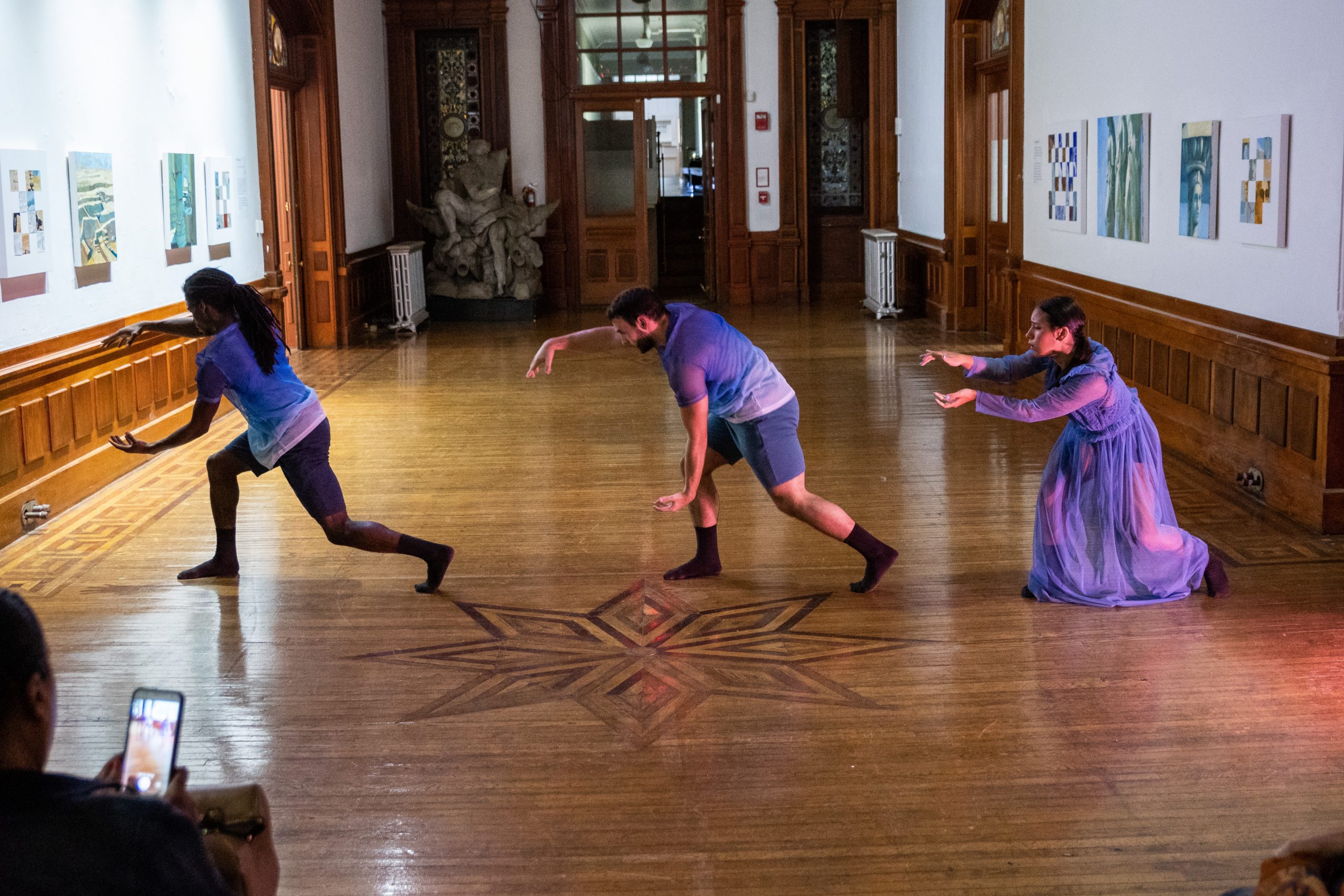
PASS Performing Arts Salon Saturdays
Staten Island, United States
PASS: Performing Arts Salon Saturdays is a residency program at Snug Harbor Cultural Center in Staten Island, NY, supporting creation of new works in dance, music, theater, and multi-disciplinary performance. Offers live/work space in historic cottages, studios, honorarium, and public work-in-progress shows.
Snug Harbor Van Lier
Staten Island, United States
A cultural center and botanical garden on Staten Island offering visual arts fellowships for emerging artists from underrepresented communities.
Explore United States
More city guides
Opportunity Intelligence
Ready to find your next residency?
Get a personalized shortlist — scored against your practice, discipline, and what you need right now.
See how Intelligence works →