City Guide
Singapore, Singapore
How to choose, survive, and actually make work on residency in Singapore
Why Singapore is worth considering for a residency
Singapore is compact, hyper-organised, and plugged into Southeast Asia. You get a dense mix of institutions, galleries, and independent spaces in a city you can cross in under an hour, with easy access to Jakarta, Kuala Lumpur, Bangkok, Manila, and Ho Chi Minh City for side trips, research, or future collaborations.
Residencies in Singapore tend to be strong on:
- Regional context – Southeast Asian art histories, migrant narratives, urban development, and postcolonial politics all sit close to the surface.
- Professional infrastructure – reliable public transport, good studios, and efficient admin support from most institutions.
- Public-facing work – talks, open studios, workshops, and exhibitions are often built into the residency structure.
- Cross-disciplinary thinking – many programs welcome curators, researchers, filmmakers, and community-based practitioners alongside visual artists.
If you want a residency that connects you to Southeast Asia while keeping your day-to-day logistics relatively smooth, Singapore is a solid option.
Reading the art scene before you apply
Singapore’s art activity clusters around a few key zones, which is useful when you are planning how a residency will plug into your practice.
Core art areas
- Bras Basah / Bugis – museums, art schools, and galleries. Singapore Art Museum (SAM) sits in this orbit, along with various project spaces and institutions.
- Gillman Barracks – a former military barracks turned contemporary art cluster. International galleries, project spaces, and historically the home of NTU Centre for Contemporary Art Singapore (NTU CCA Singapore).
- Kampong Gelam – heritage shophouses, Sultan Mosque, and a mix of boutiques, street art, and bars. Cuturi Gallery’s c/residency is based here.
- Tanjong Pagar / Chinatown fringe – central, dense, and convenient, with a mix of galleries, studios, and commercial life.
- Little India / Jalan Besar – strong visual density, food, and more budget-conscious accommodation options in some pockets.
- East side / Kallang / Lavender – residential but well connected by MRT, useful for longer stays if you are watching costs.
Most residency hosts sit within easy reach of these areas, so you can realistically visit multiple institutions, openings, and studios in a single afternoon.
Key residency programs and what they are really for
Residencies in Singapore range from research-heavy, museum-backed programs to self-funded gallery residencies. The main question to ask: Do you need institutional research support, or do you want a production-and-exhibition sprint?
NTU Centre for Contemporary Art Singapore (NTU CCA Singapore)
Website: ntu.ccasingapore.org/residencies
NTU CCA Singapore runs a residency program that is explicitly research-oriented and studio-based. Residents work with a curatorial team and are encouraged to treat the studio as a laboratory rather than a production factory.
What you get:
- Studio space within a research-centred environment.
- Curatorial support: conversations, feedback, and help refining your research trajectory.
- Public programs: talks, workshops, open studios, screenings, panels, and performances tied to your work.
- Access to an international network of curators, scholars, and researchers linked to the Centre.
The program has supported over 210 artists, curators, and researchers since 2014, and many residency projects have later appeared in biennials, festivals, and museum exhibitions.
Best suited to you if:
- Your practice is research-heavy, conceptual, or process-based.
- You are comfortable showing unfinished work through talks or open studios.
- You want to be in conversation with curators, scholars, and other researchers, not just studio neighbours.
Tip for applying: lead with your research questions, not just your finished images. Show how you will use the studio as an experimental site and how you might share that process publicly.
SAM Residencies – Singapore Art Museum
Website: singaporeartmuseum.sg/Residencies
SAM Residencies is the museum-run program of Singapore Art Museum, designed to support innovative and emerging practices across multiple roles, not only artists.
Residency types include:
- Artist Residency – for artists and collectives exploring emergent modes of art-making.
- Community & Education Residency – for practitioners whose core practice engages communities or gallery education.
- Additional residency types for curators, organisations, and artist-run spaces.
Support package (fully funded program):
- 1 return economy airfare.
- Monthly stipend (for example, SGD 1,500 as indicated on program materials).
- Housing allowance for foreign residents.
- Studio space or co-working space.
- Access to an “ideas lab” – a shared space for posting and exploring ideas-in-progress.
- Institutional support: networks, public engagement opportunities, and scaffolding for collaboration.
Duration:
- International residents: usually 1 to 3 months in Singapore, depending on residency type and visa outcomes.
- Singapore-based residents: generally around 6 months.
Best suited to you if:
- You want to work with a museum rather than just a gallery or independent space.
- Your practice intersects with education, community, or public programming.
- You value structured support and are open to public outcomes such as talks, workshops, or co-created projects.
Tip for applying: show how your work can connect to SAM’s public, not just their curators. Concrete ideas for workshops, community engagement, or interpretive tools tend to read more strongly than vague mentions of “outreach”.
Cuturi Gallery – c/residency
Website: cuturigallery.com/cresidency
Cuturi Gallery’s c/residency is an artist-focused program with two tracks: one for Singapore-based artists and one for international artists.
International Artist Residency highlights:
- Duration: about one month in Singapore.
- Studio: around 36 square metres of space to work.
- Outcome: a solo exhibition at the end of the residency at Cuturi Gallery.
- Immersion in Kampong Gelam’s layered urban and cultural environment.
The program is framed as a way to plug into Singapore’s art scene and Southeast Asia more broadly, while building a relationship with a commercial gallery.
Best suited to you if:
- You want a short, exhibition-driven residency.
- You are ready to create or adapt a cohesive body of work in a month.
- You are interested in the mix of heritage, tourism, and everyday life around Kampong Gelam.
Tip for applying: treat it like you are proposing a solo show. Present a clear exhibition idea, including how it sits within your larger practice and why Kampong Gelam or Singapore adds something conceptually or visually.
INSTINC AIR – INSTINC Artist-in-Residence
Website: instinc.com/artistresidencies/instincair
INSTINC is an independent, artist-run space. The residency is intentionally not fully funded; artists are expected to secure their own financial support. In return, you get a strongly artist-centred, experimental environment.
Structure:
- Residencies typically run from 4 weeks up to about 90 days.
- A 6-week residency is usually split into 5 weeks of production and 1 week of exhibition.
- A gallery exhibition at the end is standard, regardless of length.
Costs (approximate, to be checked on current site):
- International and local artists: around SGD 3,575 for six weeks.
- Local artists with their own studio: around SGD 2,200 for six weeks.
- Accommodation and living costs are not included.
The program includes an opening reception, artist talk, publicity, and press support. Artists are also featured on INSTINC’s website and promoted on social media.
Application materials usually include:
- CV
- Letter(s) of reference
- Project proposal
- Exhibition floor plan with proposed works
Best suited to you if:
- You can self-fund or bring funding from grants, institutions, or collectors.
- You want a clear production-to-exhibition arc.
- You prefer an artist-run ethos instead of a large institution.
Tip for applying: show that you understand the financial model and have a realistic plan to cover costs. A strong, install-aware proposal that uses their floor plan thoughtfully will stand out.
Temenggong Artists-in-Residence
Website: temenggong.sg
Temenggong Artists-in-Residence is one of Singapore’s longer-running residency spaces, established in 2009. It focuses on creating and curating exhibitions, often in distinctive spaces.
Key characteristics:
- An independent, recognisable residency address at 28 Temenggong Road.
- Strong emphasis on exhibition-making and spatial experimentation.
- Programming shaped around artists’ projects rather than a strict institutional curriculum.
Best suited to you if:
- Your practice is strongly installation or exhibition-focused.
- You want an independent host with a track record and specific site character.
- You see the residency as a springboard to show ambitious work in Singapore.
Tip for approaching: research past projects and emphasise how your work would respond to the physical spaces they use. Site-specific thinking goes a long way here.
Choosing the right program for your practice
Looking across these options, think in terms of fit rather than prestige.
- You are research-driven, conceptual, or cross-disciplinary: prioritise NTU CCA Singapore and SAM Residencies.
- You want a short, exhibition-led residency with a gallery: look at Cuturi Gallery’s c/residency and INSTINC AIR, and explore Temenggong for independent shows.
- You work with communities or education: focus on SAM’s Community & Education Residency or similar museum-linked tracks.
- You can self-fund and want control over your exhibition: consider INSTINC AIR and other self-funded gallery programs.
A useful rule: if your practice needs deep conversations, go for research residencies. If it needs wall space and a deadline, go for production-and-exhibition residencies.
Cost of living and what to budget
Singapore is not cheap, especially for housing, but it is also predictable. It helps to sketch a basic budget before you apply so you know what to ask the residency for.
Main cost areas
- Accommodation – the biggest expense. Options range from hostels and shared rooms to serviced apartments and artist housing if a residency provides it.
- Food – hawker centres keep this manageable. You can eat well at local food courts at relatively low cost; cafes and restaurants stack up quickly.
- Transport – public transport (MRT and buses) is generally affordable. Taxis and ride-hailing add up but are still manageable for occasional use.
- Studio / production – often included in the residency. If not, studio rental can be significant, so check carefully.
- Materials – imported speciality materials can be pricey, but general supplies are available. Plan ahead for anything highly specific.
Funded vs self-funded: SAM Residencies and some institutional programs are fully funded or include stipends and housing allowances, which can make a big difference. INSTINC AIR and some gallery residencies expect you to bring funding. Always line this up with your home grants or institutional supporters while you apply.
Neighbourhoods that work well for artists
Where you stay will affect how you experience the residency. Even in a small city, commute fatigue can eat into studio time.
- Kampong Gelam – ideal if you are linked to Cuturi Gallery or want easy inspiration from heritage architecture, street textures, and night life.
- Bras Basah / Bugis – perfect if you are with SAM or want to be surrounded by museums and art schools. Walkable and central.
- Gillman Barracks area – convenient for gallery clusters and any program linked to NTU CCA Singapore.
- Tanjong Pagar / Chinatown fringe – great all-round base with food, transport, and access to multiple art zones.
- Little India / Jalan Besar – visually intense, culturally rich, and sometimes a bit easier on rent. Good for photographers and artists who draw from street life.
- Kallang / Lavender / East side – practical, residential, and well connected by MRT, especially if you are staying for a longer period and want routine.
If your residency does not provide housing, map your studio or host location against MRT lines before committing to an apartment or room.
Moving around: transport and city scale
Singapore is straightforward to navigate, which makes it easier to do studio visits, meetings, and openings without losing half your day.
- MRT (Mass Rapid Transit) – fast, frequent, air-conditioned. Most museums and galleries are within walking distance of stations.
- Buses – useful when MRT lines are not direct, especially in more residential or industrial areas.
- Taxis / ride-hailing – widely available, useful after late openings or when carrying work, but more expensive than public transport.
- Walking – realistic in central districts like Bras Basah, Kampong Gelam, and around the river, though the humidity can be intense.
A typical residency day can easily include a studio session, a museum visit, and an evening opening across town, all stitched together by MRT and short walks.
Visas and paperwork
Visa rules depend on your nationality and the nature of your residency, so always confirm details with your host institution.
- Many short residencies are structured so they work within visitor stays, but that does not apply to everyone.
- SAM, for example, explicitly mentions support with visa formalities for selected international residents.
- If your residency involves paid activities, ticketed performances, or formal employment, additional authorisation may be required.
The most reliable move is to ask your host to outline the visa scenario before you book travel, and request any letters or documents they usually provide to residents.
Local art communities, events, and how to plug in fast
The art community is relatively compact, which is an advantage: you can meet a lot of people in a short time if you show up consistently.
- Gillman Barracks – cluster your visits on gallery opening nights. You will meet artists, curators, and writers in one evening.
- NTU CCA Singapore – watch for talks, screenings, and open studios linked to their residency and research programs.
- SAM – attend public programs, panels, or residency presentations to see how other artists use the museum framework.
- Objectifs – key venue for photography, film, and lens-based practices with screenings, workshops, and exhibitions.
- STPI – Creative Workshop & Gallery – important for printmaking and paper-based practices; look out for workshops and talks.
A simple strategy: during your first week, aim to attend at least one opening, one talk, and one informal meet-up or studio visit. That rhythm usually seeds enough relationships to carry across your residency.
Positioning your application for Singapore
To make your application stand out, align your proposal with the city’s strengths and the host’s focus.
- Use the regional context. Show how being in Singapore lets you access Southeast Asian histories, networks, or geographies that you cannot tap elsewhere.
- Engage public and institutional frameworks. For museum or research residencies, outline how you might share work-in-progress through talks, workshops, or open studios.
- Be realistic about production. For short residencies with an exhibition outcome, present a plan you can actually realise within the timeframe and cost structure.
- Address funding head-on. For self-funded programs, mention how you intend to support your stay. This signals you understand the model and reduces uncertainty for the host.
- Show site responsiveness. If the residency has a distinctive neighbourhood or building, reflect that in your proposal with specific ideas, not generic city statements.
If you treat Singapore not just as a backdrop but as an active collaborator in your project, your proposal will already be speaking the right language for most residency selectors there.
Residencies in Singapore
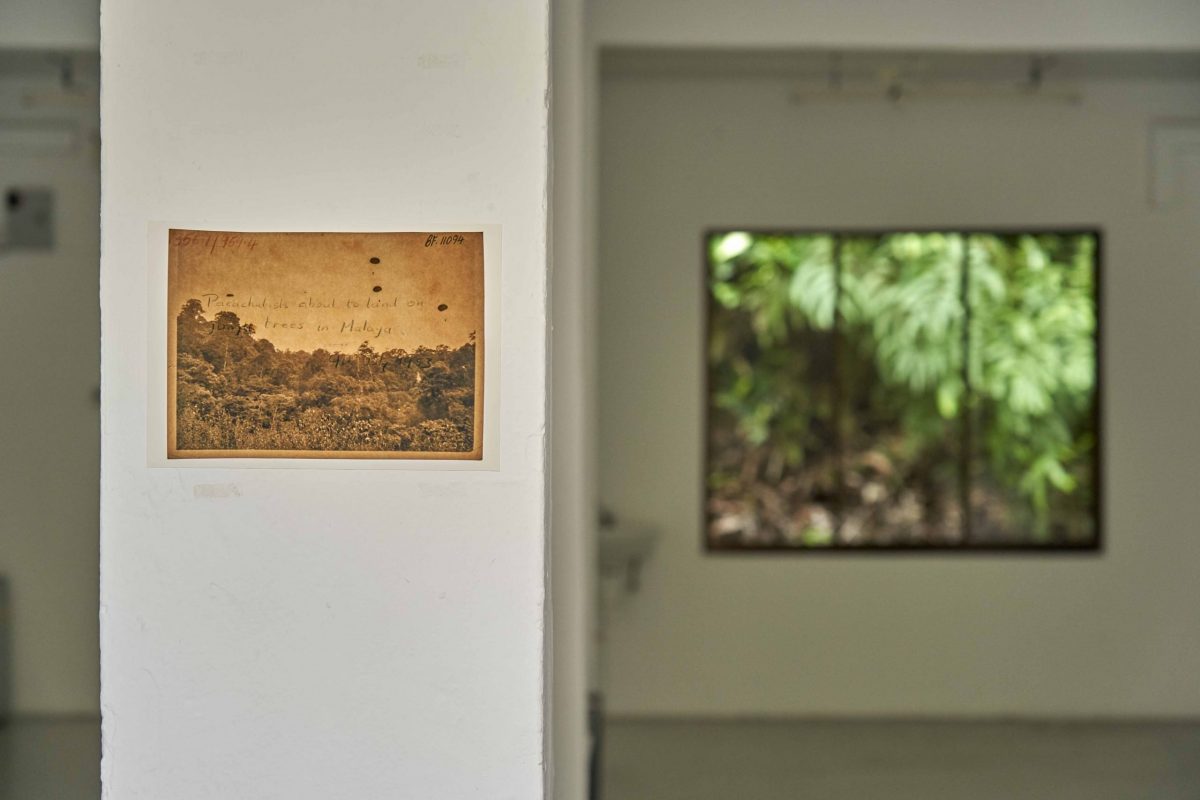
NTU Centre for Contemporary Art Singapore
Singapore, Singapore
NTU Centre for Contemporary Art Singapore is a research-oriented, studio-based residency programme that has supported over 210 artists, curators, and researchers since 2014. The programme provides fully-funded residencies with curatorial support, enabling multiform creative processes and facilitating interdisciplinary knowledge production. Residents become active contributors to the Centre's cultural life and develop public programmes including talks, workshops, open studios, screenings, and performances.
Objectifs Centre for Photography and Film
Singapore, Singapore
Objectifs Artist Residency is a two-month programme hosted by a non-profit visual arts centre in Singapore dedicated to photography and film. The residency welcomes selected artists working in lens-based media to develop their practice within a vibrant creative community. The programme aims to cultivate original voices in visual storytelling and foster dialogue about visual culture.
Singapore Art Museum's (SAM)
Singapore, Singapore
Singapore Art Museum's (SAM) Residencies program is a dynamic and fully funded initiative designed to support the development of innovative artistic and curatorial practices while engaging with global discourses. Situated in Singapore, the program is open to local and international artists, curators, art organizations, and community and education-focused practitioners. It offers four distinct types of residencies: Artist Residency, Community & Education Residency, Curatorial & Research Residency, and EX-SITU: Art Spaces Residency, each fostering different aspects of artistic engagement and public interaction. SAM Residencies encourages residents to experiment and interact within a studio-based setting, providing a platform for dialogue, collaboration, and public engagement. Residents are provided with travel, a monthly stipend, housing allowances for international participants, studio or co-working spaces, and an ‘ideas lab’ for conceptual developments. This initiative not only supports the practical needs of artists but also integrates them into a vibrant community where they can influence and contribute to local and global art conversations. The program’s structure emphasizes self-direction with institutional support available through resources, expertise, and network-building opportunities. Public interactions are highly encouraged through presentations, open studios, and workshops, enhancing the communal and educational impact of the residencies. SAM aims to foster a hub of creative exchange that benefits both the residents and the broader community, reinforcing Singapore’s position as a nurturing ground for contemporary arts.
Explore Singapore
More city guides
Opportunity Intelligence
Ready to find your next residency?
Get a personalized shortlist — scored against your practice, discipline, and what you need right now.
See how Intelligence works →