City Guide
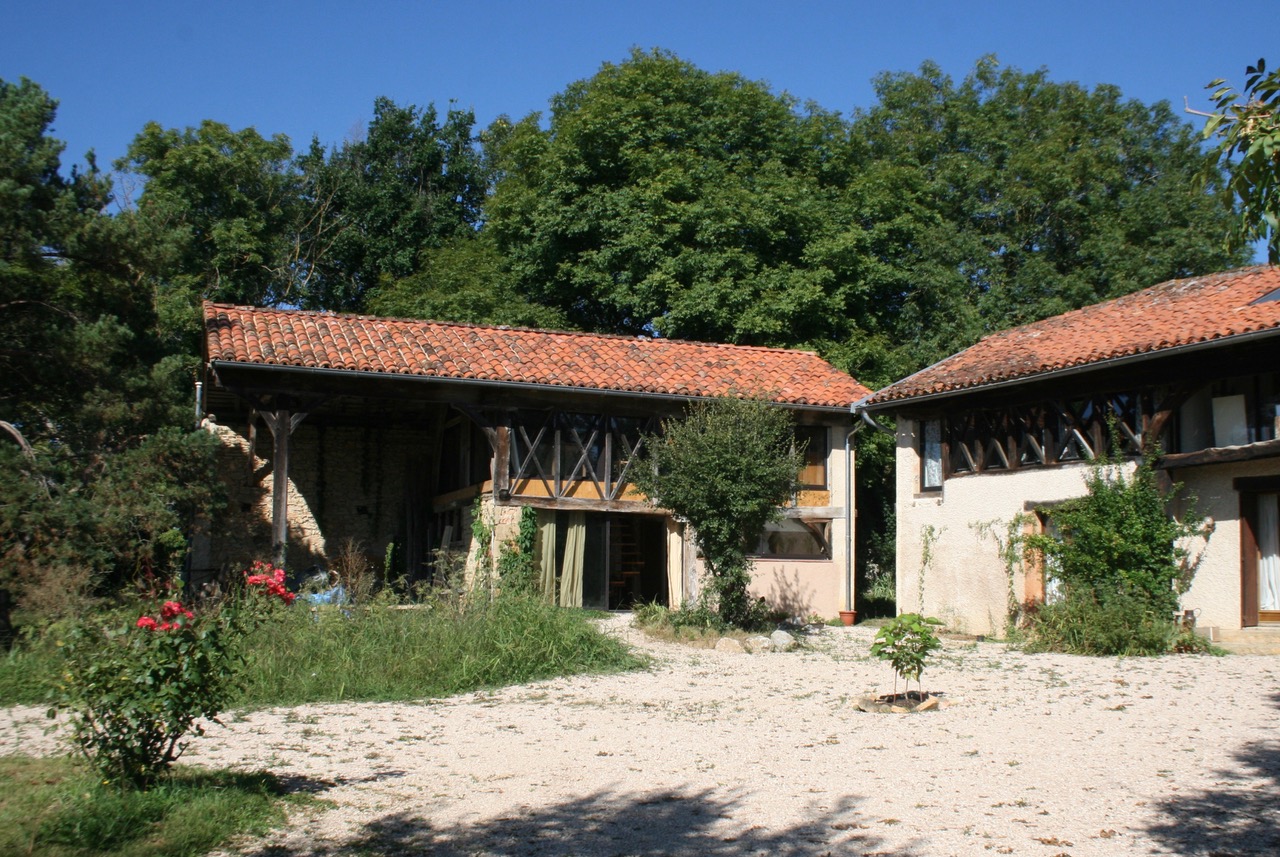
Saman, France
How to use Singapore’s residencies, neighborhoods, and institutions to push your practice forward
Why Singapore is a smart residency destination
Singapore is one of Southeast Asia’s most structured and connected places to work as a visiting artist. The city is compact, the institutions are strong, and the logistics are usually smooth. If your practice leans contemporary, research-based, socially engaged, or cross-disciplinary, Singapore can give you a dense network of curators, institutions, and peers in a short amount of time.
Artists are often drawn to Singapore for a few reasons:
- Institutional depth: Singapore Art Museum (SAM), National Gallery Singapore, STPI, NTU Centre for Contemporary Art Singapore (NTU CCA), Gillman Barracks, Esplanade, and the National Arts Council ecosystem.
- Regional hub: Easy access to Malaysia, Indonesia, Thailand, and the wider region, with many artists and curators passing through.
- Professional infrastructure: Clear communication, well-run programs, and reliable facilities.
- Themes that fit many contemporary practices: Migration, urbanism, ecology, Southeast Asian histories, identity, and technology all sit close to the surface here.
Most residencies in Singapore sit closer to a research and exchange model than a remote-production retreat. Think: studio time plus conversations, public programs, and institutional relationships.
Key residency programs to know
Singapore doesn’t have an endless list of residencies, but the key ones plug directly into major institutions and networks. That’s where they become valuable for your practice long after you fly out.
SAM Residencies – Singapore Art Museum
Good for: research-based projects, socially engaged work, curators, and artists who want a museum framework around their residency.
SAM Residencies is a museum-run, fully funded program designed to support artists, curators, collectives, and community-focused practitioners. It puts a lot of emphasis on experimentation, public engagement, and dialogue rather than just studio isolation.
The program is structured around different residency types, including:
- Artist Residency – for artists and collectives wanting to develop new work or new approaches.
- Community & Education Residency – for practitioners whose work intersects with local communities, pedagogy, or public engagement.
- Curatorial & Research-oriented formats – details shift by cycle, but the program often includes space for curators and researchers.
Key characteristics you can expect:
- Studio-based work environment, with access to an “ideas lab” and other shared spaces.
- Support structure: monthly stipend, accommodation support for international residents, and access to museum resources and networks.
- Public-facing elements: open studios, talks, workshops, and other programs that prompt you to articulate your work in context.
- Duration: generally one to three months for international residents, and longer periods for Singapore-based residents.
Selection tends to prioritize clear thinking, a strong sense of why Singapore matters to your project, and willingness to engage with communities and discourse rather than just using the time for solitary production.
Cuturi Gallery c/residency
Good for: artists who want a gallery context, a short and focused stay, and a solo exhibition outcome.
c/residency is run by Cuturi Gallery and supports both local and international artists. The program is explicitly artist-focused and aims to create a supportive environment, with an emphasis on exposure and connection to Singapore’s gallery ecosystem.
The program splits into two tracks:
- Local Residency: for artists based in Singapore who may not have had many chances to show in professional spaces. It focuses on nurturing emerging practices, offering contact with the gallery and visiting international residents.
- International Residency: a one-month residency for artists based outside Singapore, culminating in a solo exhibition at the gallery.
For international residents, the draw is clear:
- Dedicated workspace of around 36 sqm.
- Solo exhibition as a structured outcome, with access to the gallery’s audience in Singapore and Southeast Asia.
- Networking potential with local artists, gallerists, and collectors.
Since Singapore is a regional travel hub, this residency can double as a base to explore nearby locations like Bali, Bangkok, or Cambodia while still staying plugged into a gallery context. If your priority is visibility in a commercial gallery setting and a defined exhibition at the end, c/residency is one to look closely at.
INSTINC AIR – INSTINC Artist-in-Residence Program
Good for: self-funded or grant-funded artists who want gallery exposure, a clear production timeline, and control over project scope.
INSTINC AIR is one of Singapore’s longer-running independent residency programs, active since 2009. It offers structured cycles for both international and Singaporean artists.
Some defining traits:
- Duration: generally four weeks up to around ninety days.
- Two-part structure: a production phase followed by a one-week exhibition. A six-week stay, for example, commonly breaks into five weeks of production plus one week of showing.
- End-of-residency exhibition in INSTINC’s gallery space, with an opening reception and an artist talk.
- Visibility: presence on the INSTINC website, press release mentions, and social media promotion.
- Application requirements: CV, references, project proposal, and an exhibition floor plan with proposed works.
The residency fees are paid by the artist (different rates for international artists and local artists using their own studio). Accommodation and living costs are not included, but INSTINC shares recommended housing options and has a partnership with a local provider to offer subsidised rooms in central Singapore.
This model works best if you have access to external funding or grants and want a predictable schedule with guaranteed exhibition time and some promotional support.
NTU Centre for Contemporary Art Singapore – Residencies Programme
Good for: artists, curators, and researchers with a deep research agenda, especially around Southeast Asia, urbanism, ecology, and critical theory.
NTU CCA Singapore’s Residencies Programme is research-oriented and studio-based. Since its inception, it has supported hundreds of artists, curators, and researchers from around the world, with a strong emphasis on experimentation and interdisciplinary inquiry.
Key features:
- Fully funded residency model when active, including studio space and support from the curatorial team.
- Research focus rather than just production, with studios used as laboratories for thinking and experimentation.
- Public program involvement: residents often present talks, workshops, open studios, screenings, or performances.
- Strong network of curators, scholars, and partner institutions. Projects developed here frequently travel into biennials, festivals, and museum shows.
NTU CCA is best for practices that are comfortable in a critical, research-heavy context, where the conversation may be as valuable as the finished work. Check their site and partner pages for updates, as their formats and public programming evolve.
Other residency spaces to watch
Beyond the institutional programs, there are additional spaces and initiatives worth tracking:
- Temenggong Artists-in-Residence – An established residency space with a focus on creating and curating exhibitions and unique environments. Information tends to be more direct and low-key; you may need to contact them or watch for announcements via their site.
- Objectifs – Centre for Photography and Film – Known for exhibitions, workshops, and support for lens-based practices, and occasionally hosts residency-style or development programs for photographers and filmmakers.
- STPI Creative Workshop & Gallery – Primarily a workshop and gallery, but its invited-artist projects function very much like high-level residencies in print and papermaking. Good to watch if your work involves editions or process-driven experimentation.
Where you’ll actually spend your time: neighborhoods and art hubs
Singapore is small enough that you can cross the city relatively quickly, but where you stay still shapes your daily rhythm.
Central institutional belt: Bras Basah, Bugis, City Hall
This cluster puts you near major museums, art schools, and cultural venues. Expect:
- Singapore Art Museum (SAM) and satellite spaces.
- National Gallery Singapore, focusing on Southeast Asian art histories and contemporary practice.
- Art schools and universities, with studios, shows, and student-led exhibitions.
- Easy access to MRT lines, buses, and countless food options.
If your residency is with an institution in this area, you can walk to talks, openings, and screenings almost daily.
Gillman Barracks
Gillman Barracks is a former military camp turned art cluster. It houses contemporary galleries and exhibition spaces surrounded by greenery. This area is ideal for:
- Gallery-hopping and meeting gallerists and curators working in contemporary art.
- Attending openings, late-night events, and talks during key art seasons.
- Getting a sense of how Singapore’s commercial and non-profit scenes intersect.
Even if your residency is elsewhere, plan at least a couple of afternoons here to get a feel for what galleries are supporting and how artists are contextualised.
Residential and lived-in districts
For day-to-day life outside the studio, a few neighborhoods frequently appear on artist radars:
- Tiong Bahru – Low-rise, walkable, with cafes and a mix of older housing and newer spots. Good for quiet evenings and writing days.
- Kampong Glam / Rochor – Busy, central, close to arts venues, and rich in street-level textures that often filter into work.
- Queenstown / Alexandra / one-north – Practical for some studio arrangements and institutional access, slightly less tourist-heavy.
- Joo Chiat / Katong – Laid-back, residential, with shophouses and local food. More of a lifestyle choice if you want distance from the core.
Housing costs are high citywide, so shared housing or residency-provided accommodation makes the biggest difference to your budget.
Cost of living, practicalities, and how to prepare
Singapore is a polished city to work in, but it can be tough on a stretched artist budget. Planning matters.
Budgeting realistically
Expect:
- Rent as your main financial pressure, especially if accommodation is not included in your residency. Rooms in shared apartments are common among visiting creatives.
- Food to be flexible: hawker centres are affordable and varied, while cafes and restaurants rise quickly in price.
- Transport to be very manageable if you rely on MRT and buses; taxis and ride-hailing cost more but are still reasonable for occasional late nights or gear transport.
- Materials and equipment to be comparable to other major cities for many items, with some imported goods costing more.
If you are entering a self-funded or fee-based residency, consider applying for external grants in your home country to cover both the residency fee and a realistic living stipend.
Visas and paperwork
Visa arrangements depend on your passport and the nature of your stay. Residency programs often guide you through what is needed, especially if there is a stipend, teaching, or public programming involved.
Questions worth asking each host:
- Does the residency provide official letters for visa applications?
- Is the residency classified as work, training, or a visit for immigration purposes?
- What is the typical length of stay, and does that match common visa allowances?
Clarifying this early saves stress and can determine whether you can accept an offer or not.
Transport and moving around
Day to day, Singapore is straightforward:
- MRT and buses cover most areas you will need, including airport, central art districts, and residential neighborhoods.
- Walking is realistic in central areas, though heat and humidity can be intense. Carry water and plan short breaks.
- Ride-hailing and taxis are widely available and useful when you are moving work, tools, or installation materials.
Most institutions and residency spaces are well connected, so a car is rarely necessary.
Local art communities, events, and how to plug in
Residencies in Singapore usually expect some level of public or community interaction. This is a strength if you use it intentionally.
How communities organize
Artists and art workers connect through:
- Openings and programs at museums and galleries.
- Artist talks, panel discussions, and screenings.
- Artist-run spaces and project rooms, which might be less visible online but active on social media.
- University and art-school networks, which generate a steady stream of shows and talks.
Pay attention to mailing lists, residency announcements, and social media pages for SAM, National Gallery Singapore, STPI, Objectifs, Gillman Barracks galleries, and independent initiatives. That is often where opportunities, open calls, and informal gatherings appear.
Open studios and public-facing work
Many residencies incorporate some form of public presentation:
- SAM Residencies often invite residents to host open studios, talks, workshops, or community encounters.
- INSTINC AIR structures a one-week exhibition and artist talk into the residency.
- NTU CCA’s programme typically features public events around residents’ research.
Preparing for this is crucial. When you apply, think about:
- What kind of public format suits your practice (talk, workshop, listening session, walk, screening, performance)?
- How you can involve local perspectives instead of just importing a fully formed project.
- How to document any public work so you can re-use it in future applications and portfolios.
Key recurring moments
While the calendar shifts, some recurring patterns are helpful to keep in mind:
- Singapore Art Week – A concentrated period when exhibitions, fairs, talks, and open studios peak. If your residency overlaps, you get intense exposure but also a crowded schedule.
- Regular gallery openings at Gillman Barracks and central districts, which are useful for meeting curators and artists.
- Institutional programs at SAM, National Gallery Singapore, STPI, and Esplanade that often invite visiting artists to attend and participate.
Aligning your residency dates with these periods can amplify your networking, but quiet months can also be productive if you want more focused studio time.
Choosing the right Singapore residency for your practice
Before applying or saying yes, match the program to your goals.
- If you want a museum context and public engagement: look seriously at SAM Residencies.
- If you want a gallery exhibition and collector-facing audience: consider Cuturi Gallery c/residency or INSTINC AIR.
- If your work is research-heavy or curatorial: follow NTU CCA’s Residencies Programme and museum-led research initiatives.
- If your focus is material experimentation: keep an eye on opportunities at STPI and workshop-based programs.
Across all of them, strong applications usually explain:
- Why Singapore specifically is relevant to your project, rather than just “Asia” in general.
- What kind of exchange you are seeking with local artists, communities, or histories.
- How you will share your process (through open studios, talks, or other formats).
- What you realistically expect to achieve in the residency timeframe, both in terms of work and relationships.
If you prepare with those questions in mind, the residencies in Singapore can become more than a one-off project; they can anchor a long-term connection with Southeast Asian contexts and collaborators.
Explore France
More city guides
Opportunity Intelligence
Ready to find your next residency?
Get a personalized shortlist — scored against your practice, discipline, and what you need right now.
See how Intelligence works →