City Guide
Siglufjörður, Iceland
A quiet fjord town where you go to actually make the work, not talk about it
Why Siglufjörður works for focused residencies
Siglufjörður is a small town in North Iceland, pressed between steep mountains and a narrow fjord. Historically it was the herring capital of the country; now it’s better known among artists as a place to shut the door, stare at the mountains, and get the project done.
You don’t go to Siglufjörður for a big gallery circuit or nonstop events. You go for:
- Isolation with structure – a defined residency period, clear work time, minimal distraction.
- Strong sense of place – snow, fog, harsh light, long days in summer, short days in winter, and a town built on maritime history.
- Walkable, compact life – everything you need is close enough to reach on foot, which keeps your energy on the work.
- Deep, slow attention – ideal for writing, painting, sound, composition, and research-based practice.
The atmosphere is quiet but not empty. There’s a lived-in history in the buildings, a working harbor, and enough locals around that you feel part of something, even if your main plan is to be in the studio.
Herhúsið: the core residency in Siglufjörður
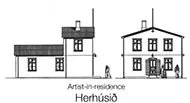
The main structured option for artists in Siglufjörður is Herhúsið (often written Herhusid), an artist residency housed in a historic 1914 building in the center of town.
What Herhúsið actually offers
Herhúsið is built around a simple, strong idea: one artist, one house, one big workshop.
- History and building
- Built in 1914, previously used by the Salvation Army.
- Locals still remember it as a community space, which gives your residency a gentle social context even if your project is solitary.
- Layout
- Main floor: about 70 m² / 750 ft² workshop with high ceilings (around 4 m / 10 ft).
- Upper floor: bright, furnished studio apartment where you live and can also work if you like a more domestic work zone.
- Studio features
- Hardwood floors and high ceilings for large canvases or wall works.
- A few key pieces of furniture: easel, work tables, sofa.
- An industrial sink that actually lets you clean up properly.
- Wireless internet so you can research, upload, or stay in touch.
- Living setup
- Equipped kitchen: fridge, coffee maker, toaster, microwave, hotplates.
- Space and facilities designed for one artist at a time, but can host an extra person by arrangement and extra fee.
- Who can apply
- Visual artists across media.
- Writers, poets, and researchers.
- Musicians and sound artists who can work within residential noise realities.
- Both Icelandic and international artists.
- Fees
- The residency charges a monthly fee; listings mention around €750 per month for one guest and an additional fee per extra person. Always confirm the current rate directly with the residency.
The key feature is that the whole house is yours. No competing studio schedules, no roommate turnover, no residency cohort drama. If you want a place where the only person you need to negotiate with is yourself, Herhúsið fits that brief.
What kind of practice fits Herhúsið
Herhúsið is a good match if you:
- Work best with long, uninterrupted stretches at the table or easel.
- Have a project that benefits from reflective, quiet time, like writing, editing, or developing a new body of work.
- Don’t need heavy industrial facilities or large shared workshops.
- Are comfortable being the only resident artist in the space.
Disciplines that often thrive here include painting, drawing, print development (if you bring what you need), photo editing, research-heavy conceptual work, poetry and prose, sound composition with a laptop, and small-scale object-making.
If you need welding, large woodshops, full ceramics setups, or a darkroom, you’ll likely need to adapt your project. Think in terms of portable tools, digital work, and processes that don’t depend on large machines.
How Herhúsið sits in the town
Herhúsið is located right in the center of Siglufjörður, close to services. That means you can walk to:
- Grocery shops for day-to-day food.
- Cafés or restaurants, when you need a break from the studio.
- Harbor and waterfront areas for sketching, photography, or field recording.
- Local museums and cultural spaces that connect directly to the town’s herring history.
This central placement matters because weather in North Iceland can be serious. A five-minute walk instead of twenty can make or break your willingness to leave the studio when it’s stormy outside.
To learn more or contact the residency directly, use their official website: Herhúsið Artist Residency.
Living and working in Siglufjörður as a resident artist
Think of Siglufjörður as a compact production base rather than a city with multiple neighborhoods and scenes. Your main axis will be: residency house → grocery store → harbor → hiking trails.
Cost of living and budgeting
Iceland, in general, is expensive, and small northern towns feel that even more because so much is imported. When you plan, assume your residency fee is only part of the cost.
Budget around:
- Groceries
- Prices are higher than many artists are used to in mainland Europe or North America.
- Cooking for yourself in the residency kitchen will save a lot compared to eating out.
- Eating out and cafés
- Nice as a treat or for a mental reset, but not realistic as a daily habit on a tight budget.
- Materials
- Specialty supplies are limited locally.
- Bring what you can in your luggage, or plan orders ahead of time with extra shipping days.
- Transport
- Getting to and from Siglufjörður can be one of the bigger costs, especially if you’re flying into Iceland and then traveling north.
- Once you arrive, the town is walkable, so you can keep daily transport costs low.
A good approach is to overestimate food and material costs and then be pleasantly surprised if you come in under. Think about what you absolutely need to make the work and prioritize that in both luggage and budget.
Working rhythms and studio habits
Siglufjörður’s rhythm shifts with the seasons, and your work rhythm will probably shift with it.
- Summer
- Very long days and near-midnight light can extend your work windows.
- Fieldwork, sketching outside, photographing, and walking-based practices are easier.
- Winter
- Short days and deep darkness create a strong interior focus.
- You might end up with a very studio-centric, introspective routine, which can be productive if you plan for it.
- Spring and autumn
- Less predictable weather, great shifting light conditions.
- Good for artists who like moody atmosphere, clouds, and subtle color shifts.
Build in small daily rituals so the solitude doesn’t blur your days together: a walk to the harbor at the same time each day, morning notes before you touch any tools, or a regular digital check-in with collaborators or friends.
Materials, tools, and what to bring
Because local art supply options are limited, treat Siglufjörður as a place where you arrive prepared. Useful strategies:
- Pack flexible materials
- Dry media (pencils, inks, small paints, paper, sketchbooks) travel well.
- Digital gear (laptop, tablet, audio recorder, camera) covers a lot of ground without taking much space.
- Order ahead if needed
- If you plan to ship materials to the residency, allow generous time buffers.
- Check with the residency about how they handle deliveries and space for storage.
- Think about clean-up and waste
- A studio with an industrial sink is great, but you still need to handle solvents, waste, and chemicals responsibly.
- Use low-tox, low-odor options when possible in a live-work space.
Design your project so it doesn’t depend on highly specific tools you can’t realistically bring or source. Siglufjörður is excellent for idea development, drafting, editing, and finishing stages that don’t require massive infrastructure.
Orientation: town layout, access, and practical logistics
Siglufjörður is small enough that, after a day or two, you know your way around. What matters most is how you get there and how you move during your stay.
Getting to Siglufjörður
Most artists arrive in Iceland via Reykjavik and then travel north. The typical pattern is:
- Travel to a northern hub town such as Akureyri.
- Continue to Siglufjörður by car or bus.
Key realities:
- Weather affects travel
- Snow, wind, and road closures can delay journeys, especially in winter.
- Plan extra buffer days for arrival and departure instead of cutting things to the hour.
- Public transport is limited
- Rural and small-town bus schedules may not run daily or late.
- If you rely entirely on buses, confirm options before you book your residency dates.
- Driving gives flexibility
- Renting a car gives you control, but factor in cost, winter driving skills, and local regulations.
Before you commit to dates, it’s worth checking travel times and typical conditions for the season you’re considering, especially if tight connections stress you out.
Getting around town
Once in Siglufjörður, daily life is straightforward:
- Walking distance – residency, shops, harbor, and basic services are all walkable from the center.
- Weather gear – a good coat, waterproof boots, and layers matter more than any fancy city outfit.
- Daylight awareness – in winter, you may plan errands into specific daylight windows.
This simplicity is part of the appeal: no commute, no transit planning. You can roll straight from the kitchen to the studio to the fjord and back.
Local art and cultural spaces
Siglufjörður doesn’t have a long list of galleries, but it does have cultural anchors:
- Museums – especially those connected to the town’s fishing and herring past, useful as a visual and conceptual resource.
- Community spaces – cultural houses, schools, and local institutions sometimes host talks or small exhibitions.
- Regional context – Akureyri and other North Iceland towns offer additional museums and galleries if you take a day trip.
If public presentation is a priority, ask Herhúsið about:
- Possibility of an open studio during your stay.
- Informal artist talks or screenings for locals.
- Connections to regional venues where you can share work-in-progress.
Think of exhibiting here less as a commercial opportunity and more as a way to test ideas, collect feedback, or build relationships with a local audience.
Visas, timing, and choosing your season
Visa basics for Siglufjörður residencies
Iceland is part of the Schengen area, so entry rules follow that framework.
In broad terms:
- EEA/EU and some visa-exempt countries can usually undertake short residencies as visitors, so long as they stay within the allowed time and don’t take local paid employment.
- Other nationalities may need a Schengen visa for the length of stay.
Things to check beforehand:
- How your nationality is classified in relation to Iceland and Schengen.
- Whether your stay counts as tourism, study, or something else in legal terms.
- What documentation the residency can provide confirming your purpose of stay.
For current rules, use official sources such as the Icelandic Directorate of Immigration and your local Icelandic embassy or consulate if you have one. Always cross-check your specific situation; artists have very different passports and timelines.
Choosing when to be there
The “right” season depends on what you want your days to feel like.
- Light-filled months
- Long daylight hours, softer weather conditions.
- Better if you want to be outside collecting material, sketches, or sound.
- Dark, winter months
- Short days, heavy weather, more time indoors.
- Ideal for deep writing, editing, and concentrated studio work with minimal external distraction.
- Transition seasons
- Unstable, often dramatic light and cloud cover, which is great visually.
- Quieter visitor-wise, but travel can be less predictable.
Residencies like Herhúsið can book up quickly for peak times, especially the brighter months. If you want a specific season, reach out early, and if you’re flexible, you may find less competition off-peak.
Local community, connection, and how Siglufjörður fits into a bigger arc
Siglufjörður doesn’t provide a large peer cohort on its own, unless you bring collaborators with you. That said, there are ways to keep the residency connected to your wider practice.
Community engagement options
Depending on your project and language skills, you can explore:
- Open studios – invite local residents and visitors into your workspace, even informally, at the end of your stay.
- Talks and small workshops – some residencies and towns welcome artist-led sessions, especially when they relate to local themes.
- Site-responsive work – pieces built around the harbor, mountains, or herring history can resonate strongly with the town.
Ask Herhúsið what has worked for past residents; they’ll have a sense of what locals enjoy and what resources exist for sharing your work.
Connecting Siglufjörður to other Iceland residencies
Some artists treat Siglufjörður as one stop in a longer Iceland residency arc. For example, pairing a quiet, solo period at Herhúsið with a more social, networked residency in Reykjavik or another town.
Reykjavik has programs like SÍM Residency, which offers multiple studios and more peer contact. That kind of residency can complement Siglufjörður’s solitude if you want both focused production time and a bigger-city exchange within one trip.
Planning a two-part residency trip is extra work, but it can give your project both depth (from the quiet) and breadth (from the network).
Is Siglufjörður the right residency base for you?
Siglufjörður is a strong choice if you are ready to:
- Commit to solo, uninterrupted work with minimal external programming.
- Adapt your practice to a live-work house studio with basic but solid facilities.
- Embrace weather, landscape, and seasonal light as part of your process rather than background scenery.
- Bring or plan around your material needs, instead of relying on a big local art store.
If those conditions sound like exactly what your project needs, Herhúsið and Siglufjörður can support a very productive residency period. If you’re looking for large social cohorts, nightlife, or a packed schedule of openings, you may want to combine this with a second residency in a larger Icelandic city.
Used thoughtfully, a month or two in Siglufjörður gives you something rare: time, space, and enough solitude to hear your own ideas clearly, with a dramatic fjord outside your window reminding you why you’re there.