City Guide
Seward, United States
How to plug into Seward’s landscape-heavy, community-first arts scene as an artist-in-residence or visiting artist
Why artists choose Seward for residency-style work
Seward is a small coastal town on Resurrection Bay, surrounded by glaciers, mountains, and the marine weather of Kenai Fjords. It draws artists who want less of a big-city arts district and more of a tight, place-based community.
What usually pulls artists there:
- Landscape and light: Ice, water, fog, long summer days, deep winter dark, and shifting weather offer strong visual and conceptual material.
- Community scale: The town is small enough that you can quickly meet teachers, small-business owners, arts organizers, and nonprofit folks.
- Community-engaged culture: Residencies and opportunities often include teaching, public workshops, readings, or public art, not just quiet studio time.
- Interdisciplinary attitude: Visual, literary, musical, and social-practice work blend easily; people are used to artists wearing multiple hats.
If you’re looking for a sprawling gallery scene and fabrication warehouses, Seward probably won’t hit that mark. If you want to work closely with people, landscape, and schools, it can be an excellent fit.
Residency-style opportunities in and around Seward
Seward doesn’t currently read as a city full of branded, long-term residency programs. Instead, you see shorter, project-based and school-based stays that function like residencies, plus regional programs in nearby towns that often interest the same artists.
Seward Artists in Schools Program
This is the most clearly defined residency-style structure that directly involves Seward.
The Seward Artists in Schools Program places professional artists in K–12 classrooms in the Kenai Peninsula Borough School District, including Seward and nearby Moose Pass. The program has been coordinated in part by local teaching artists and supported by grants from local funders.
Key points:
- Residency format: Short-term teaching residencies in schools, often about a week or similar length, rather than months-long studio retreats.
- Who you work with: Children and teens, alongside classroom teachers, in visual, dramatic, musical, or interdisciplinary arts.
- Compensation: Artists are paid to teach; this is not an unpaid “volunteer” gig.
- Location: Seward and Moose Pass schools (within the Kenai Peninsula Borough School District).
Best suited for:
- Teaching artists with ready-to-go curriculum or adaptable workshop structures.
- Artists comfortable designing short, intense projects rather than long, solitary studio days.
- Performers, visual artists, and musicians who enjoy working directly with young people.
How to approach it:
- Look up local information on the Seward Artists in Schools Program, or search for Kenai Peninsula Borough School District arts contacts.
- Introduce yourself as a teaching artist with specific workshop ideas, age ranges, and project outcomes.
- Mention any experience you have with youth, schools, community centers, or similar residencies.
Short-term school and community residencies
Local grants in Seward have brought in visiting artists for focused, short-term residencies. One example mentioned publicly is a Ghanaian musician and cultural ambassador invited for a week-long residency at Seward Elementary School, funded through a community mini-grant.
This pattern suggests an ecosystem that regularly hosts:
- One- or two-week artist visits centered on a workshop, performance, or collaborative project.
- Residencies anchored by schools, PTAs, or community nonprofits rather than big art institutions.
- Projects with clear community outcomes: performances, murals, student showcases, or public events.
If your practice fits this, you can position yourself as a visiting artist who can anchor a project over a defined, short window.
Sea Smoke Arts and literary/visual collaborations
Sea Smoke Arts is based in Seward and focuses on both literary and visual work. The site references programs, classes, readings, and shows. It doesn’t publicly frame itself as a formal “residency,” but it’s a key arts node in town.
Why this matters to you:
- Potential partner for readings, exhibitions, or collaborative projects.
- Good contact point if you’re a writer, poet, printmaker, or visual artist interested in place-based work.
- Useful for plugging into the local scene if you’re self-organizing a working stay in Seward.
Think of Sea Smoke as a local hub: if you’re planning to spend a few weeks in Seward working on your own, this is the kind of organization to connect with early for event or collaboration options.
Regional context: Alaska AIR at Bunnell Street Arts Center
Alaska AIR at Bunnell Street Arts Center is actually based in Homer, not Seward, but it is one of the strongest reference points for artists looking at this region.
Program snapshot:
- Location: Bunnell Street Arts Center, Homer, Alaska.
- Length: Usually around one month.
- Season: Typically scheduled between October and April.
- Support: Stipend, travel, lodging, and a large gallery/studio space.
- Focus: Community-engaged work, with themes like inclusion, decolonization, sustainability, skills-sharing, and community well-being.
- Disciplines: Visual, literary, performing, social and civic practice, movement, music, moving image, and interdisciplinary forms.
Why it’s useful while you research Seward:
- It shows how community-facing residencies are being framed in Southcentral Alaska.
- If you’re trying to imagine a similar project in Seward (like a self-organized residency), Alaska AIR’s structure gives you a template for proposals and budgets.
If you want a more traditional residency experience but still want to work in the same broad region, pairing time at Alaska AIR with a later, self-organized work period in Seward can make sense.
The art scene: where work actually happens
Seward’s arts ecosystem is distributed across small venues, schools, and community institutions rather than anchored in one giant art center.
Art walks, venues, and informal galleries
The Seward First Friday Art Walk brings people through local businesses that host featured artists. One of the stops is the Alaska SeaLife Center lobby, which has been used as an exhibition space during these events.
Practically, what that means for you:
- Showing your work: You might show in a café, a shop, the Alaska SeaLife Center lobby, or another small venue instead of a traditional white cube.
- Community-focused openings: First Fridays are less about critics and more about neighbors, tourists, and families, which can be great for feedback and sales.
- Networking: A lot of introductions happen at these events, so they’re useful if you’re in town for a short stint.
Other places that come up in local art conversations include:
- Ranting Raven: A local business that has hosted art shows and poetry broadsides in collaboration with Sea Smoke Arts.
- Schools and community centers: Often double as exhibition and event spaces, especially for residency-end showcases or student projects.
Studios and working space
Seward does not advertise a big cluster of dedicated artist studios, but artists still find ways to work:
- Home-based studios: Renting a small apartment and turning part of it into a studio is common.
- Temporary workspaces: Some artists work in classrooms, community rooms, or borrowed spaces during short residencies.
- Outdoor and on-site work: For plein-air painters, photographers, and environmental artists, the landscape itself functions as a studio.
If you need a specific type of workspace (printmaking press, ceramics kiln, large-scale woodworking), you’ll want to clarify that early. Many artists bring portable setups or design projects that can be done with limited tools.
Practical logistics: cost, housing, transport, and materials
Cost of living and housing
Seward can feel expensive relative to many small towns outside Alaska. Shipping, logistics, and tourism influence prices.
Plan for:
- Higher grocery and material costs: Basic supplies and specialty art materials tend to cost more.
- Seasonal housing swings: Summer prices and availability can be tight because of tourism.
- Short-term rentals: If you’re not in a fully supported residency, factor in extended-stay lodging or shared rentals.
For funded residencies or school-based stays, ask very directly:
- Is housing provided, or do you handle it yourself?
- Is there a per diem or stipend, or only instructional pay?
- Are travel costs covered?
Getting there and getting around
Seward is accessible by road, rail (seasonally), and sometimes dedicated shuttle services from Anchorage.
- By road: The drive from Anchorage via the Seward Highway is common. Rentals or rideshares can work; some residencies may coordinate rides.
- By rail: Alaska Railroad offers a scenic route in certain seasons that many artists use when timing lines up with their stay.
- By bus/shuttle: Various operators run Anchorage–Seward routes in some years; always check current options.
Once in Seward:
- The town itself is fairly walkable, especially if you’re based near downtown.
- Weather can change plans; ice, snow, or heavy rain affect how far you want to walk with gear.
- There is not a dense public transit system, so plan for walking, bikes, or occasional rides.
Shipping and sourcing materials
For many artists, the biggest practical surprise is materials logistics.
- Ship early: If you rely on specialized tools, canvases, or instruments, send them ahead of your arrival.
- Confirm receiving: Ask your host (school, organization, or landlord) if they can accept and store packages for you.
- Budget extra: Shipping to Alaska usually costs more and takes longer.
- Work with what’s there: Some projects adapt nicely to locally available materials, found objects, or digital work.
Seasonality, visas, and who Seward suits
When to be there
Season shapes both your experience and your projects.
Summer (roughly late spring to early fall):
- Long days and easier access to trails, water, and outdoor sites.
- Tourist season means more potential audience for events and sales.
- Lodging can be expensive and book up quickly.
Fall, winter, and early spring:
- Quieter town, more space to focus on work.
- Dramatic light, storms, and snow can shape your practice.
- Short days and tougher travel; some services are limited.
For school-based residencies, aligning with the academic calendar is key. Expect planning conversations months ahead of your actual visit so teachers and administrators can build you into their year.
Visa and status considerations
If you are a U.S. citizen, you can treat Seward like any other domestic destination.
If you are an international artist, pay attention to:
- Payment structure: Being paid to teach or perform can require a different visa category than simply receiving a grant or covering your own costs.
- Residency type: School-based teaching residencies, public performances, and commissioned projects may each have different immigration implications.
- Documentation: Clarify with hosts what they can provide in terms of letters and contracts, and consult consular resources or an immigration professional if needed.
Many Alaska programs welcome international artists in principle, but visa logistics remain your responsibility. Start that part early.
Who tends to thrive in Seward
Seward is especially good for artists who:
- Want their work to be rooted in landscape, climate, or maritime life.
- Enjoy collaborating with schools, small organizations, or community groups.
- Are comfortable with flexible, DIY arrangements rather than highly structured institutional residencies.
- Can adapt projects to limited facilities and shifting weather.
It’s less ideal if you absolutely need:
- Large, specialized fabrication shops or industrial equipment.
- A dense gallery market with frequent collector traffic.
- Frequent public transit and big-city infrastructure.
How to start planning your Seward residency experience
If you want to use Seward as a base for focused work, teaching, or a hybrid residency, a simple sequence helps:
- Clarify your format: Are you looking for a short teaching residency, a self-funded work period, or a funded program elsewhere plus a side trip to Seward?
- Identify anchors: Reach out to Sea Smoke Arts, local schools, the Seward Community Foundation, and First Friday Art Walk organizers to see where your practice fits.
- Design one clear project: Propose a workshop series, a public talk, a collaborative piece, or a school unit with specific outcomes.
- Align timing and logistics: Match your visit with school schedules, seasonal access, and housing availability.
If you approach Seward as a place to build relationships and projects instead of waiting for a single big-name residency brand, you’ll see more opportunities open up. The art scene is compact but active, and it tends to reward artists who show up with clear ideas and a genuine interest in the community.
Residencies in Seward
Creative Destiny Residency
Seward, United States
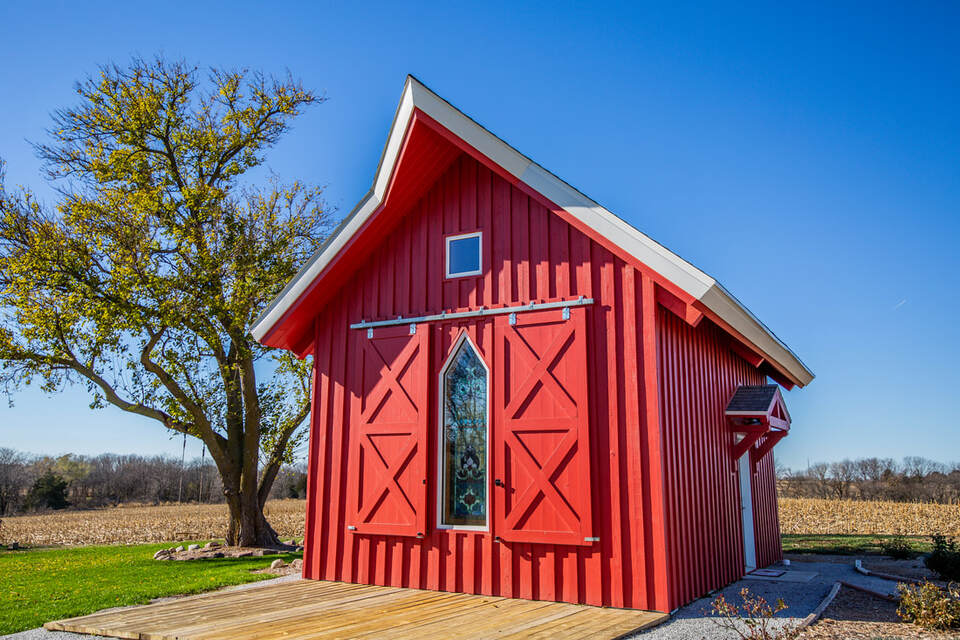
Creative Destiny Artist Residency is a sanctuary for artists seeking reflection, healing, and creative renewal in Seward, NE. It emphasizes presence over production, with studio spaces, natural surroundings, and community support to reconnect with one's inner maker.
Seward Creative District Residency
Seward, United States
The Seward Creative District Artist Residency offers 2-6 month stays in historic downtown Seward, NE, with dedicated studio, lodging at partner properties, and access to galleries/community. Focuses on reflection, renewal, no quotas. Year-round, rolling apps.
Explore United States
More city guides
Opportunity Intelligence
Ready to find your next residency?
Get a personalized shortlist — scored against your practice, discipline, and what you need right now.
See how Intelligence works →