City Guide
Ruse, Bulgaria
How to use Ruse’s Danube setting, literary scene, and Canetti House residency for focused work and public outcomes
Why Ruse works for residencies
Ruse sits on the Danube in northeast Bulgaria and has a very particular energy: historic, lived-in, and culturally active without feeling overloaded. It often gets called the “Little Vienna” of Bulgaria because of its 19th- and early-20th-century architecture, especially around the center and main boulevards.
For artists, that means you get a real city with layered architecture, a strong sense of place along the river, and a mix of literature, visual art, and performance — but at a quieter pace than Sofia or Plovdiv. If you want focus, walkability, and access to an actual urban context instead of a countryside retreat, Ruse is worth putting on your list.
Key reasons artists choose Ruse:
- Distinct visual environment: Neo-baroque, neo-rococo, and fin-de-siècle facades, old courtyards, and the port area along the Danube give you a lot to work with for image-making and site-based practice.
- Danube and border context: The bridge to Romania, the riverfront, and the port infrastructure are ideal if you’re working on borders, mobility, rivers, or post-socialist urban space.
- Embedded cultural life: The city punches above its weight for theatre, literature, and music, with festivals, municipal venues, and local scenes that are approachable.
- Lower pressure and cost: It’s more affordable than the big Bulgarian art cities and less saturated, which can be good if you need headspace to actually make work.
- Regional connections: Ruse is an easy point for Bulgaria–Romania projects, Danube research, and cross-border collaborations.
The main residency: “Sharing Future” at Canetti House
Ruse does not have a long list of branded residency programs, but it does have one key opportunity with real depth: the “Sharing Future” Artist in Residence Scholarship run by the International Elias Canetti Society.
Program snapshot
Organizer: International Elias Canetti Society (IECS) in Ruse
Workspace: The historic Canetti House in central Ruse
Typical length: 1 month
Focus: Multidisciplinary, artists based in Europe; strong orientation to cultural exchange and critical reflection
The scholarship typically invites one artist for a month-long stay in Ruse. You work out of the Canetti House, live in an apartment provided by the organization, and are encouraged to engage with the city and its cultural scene. A public presentation of your project is usually connected to the International Literature Festival in Ruse or related events.
What you get as a resident
- Time and space: A one-month residency period designed for focused work in Ruse.
- Workspace: Use of the Canetti House, which offers rooms and flexible spaces suitable for visual, sound, installation, performative, or text-based work.
- Housing: An apartment provided by the International Elias Canetti Society.
- Local connections: Support for meeting the Ruse cultural scene — writers, curators, activists, municipal culture staff, and other artists.
- Project support: Possible assistance with materials, logistics, and organization, arranged individually depending on the project’s needs.
- Public outcome: The chance to present your work during the International Literature Festival in Ruse or another local event (exhibition, reading, concert, screening, performance, etc.).
- Financial contribution: Past calls have included a stipend of around 1,200 EUR. Always check the current call for updated amounts and conditions.
Who this residency suits
The “Sharing Future” scholarship is especially relevant if you:
- Work in visual arts, writing, music, film/video, performance, or interdisciplinary practices.
- Engage with topics like memory, archives, Jewish-European history, migration, or urban transformation.
- Like to work site-specifically with architecture, text, or local communities.
- Value a public presentation at the end instead of a completely private retreat.
- Prefer a compact, approachable city environment where you can actually meet people connected to your theme.
How to approach the application conceptually
Each year’s call has its own framing, but a few recurring angles tend to resonate with the Canetti context and Ruse itself:
- Shared futures and borders: Ruse’s bridge to Romania, Danube setting, and post-socialist transformations make it ideal for exploring how people live together across national, ethnic, or linguistic borders.
- Memory and architecture: The Canetti House and central Ruse are rich for archival, documentary, or site-responsive work around history, disappearance, and reuse.
- Literature-linked practices: Text, translation, sound, and spoken word fit naturally with the International Literature Festival and the society’s mission.
- Participatory or dialogical work: Projects that open a conversation with local residents, students, or specific communities often integrate well with the host’s networks.
When drafting a proposal, it helps to show:
- Why Ruse specifically matters to your project (and not just “Bulgaria” in general).
- How you imagine using the Canetti House as more than just a neutral white cube.
- What form your public outcome might take, even if the exact piece will evolve on site.
You can read current and previous calls on the Elias Canetti Society site at https://eliascanetti.org.
Using Ruse as your broader residency ecosystem
Beyond a named residency program, Ruse functions as a compact ecosystem where one strong residency is woven together with local institutions, festivals, and informal spaces. If you’re coming through the Canetti scholarship — or setting up a self-organized stay — it helps to understand the main anchors.
Canetti House and the Elias Canetti Society
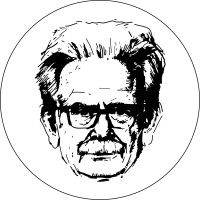
The Canetti House is more than just a studio building. It is a historic space linked to the life and memory of Nobel laureate Elias Canetti and to the city’s multicultural past. The International Elias Canetti Society uses it for exhibitions, talks, workshops, and festival events, so your residency happens inside an already active cultural node.
For artists, this means:
- You’re often working in parallel with other events and audiences, not in isolation.
- You can test work in progress as part of readings, screenings, or informal gatherings.
- You have access to a network of people interested in critical discourse, literature, and contemporary art.
International Literature Festival in Ruse
The International Literature Festival in Ruse is a key moment for the city’s cultural calendar. The residency often aligns with the lead-up to the festival or overlaps with it, and your final presentation might be scheduled as part of the program.
For your project planning, this means you can:
- Develop work that responds to the festival’s theme or featured authors.
- Collaborate with writers, translators, and publishers present in the city.
- Experiment with hybrid forms like lecture-performances, sound-text pieces, or staged readings.
If you’re applying, it’s useful to at least mention how your work could sit next to literature, translation, or discourse.
Other venues and partners
Ruse’s strength isn’t a big list of independent art centers. Instead, you get a small web of public and semi-public spaces that can support a residency outcome:
- Municipal cultural venues: Galleries and culture houses that sometimes host exhibitions, talks, and performances.
- Local galleries: Spaces that may show contemporary work, including visiting artists, often in collaboration with festivals or organizations like the Canetti Society.
- Educational links: Schools, language centers, and universities that can be good partners for participatory or workshop-based projects.
The key is to treat Ruse as a city where you can build relationships quickly. The scale works in your favor: introductions go a long way, and one contact can open several doors.
Practical living for artists in Ruse
Cost of living and budgeting
Compared to many European cities, Ruse is budget-friendly. That said, costs can shift, so think in ranges and confirm closer to your stay.
Typical artist expenses:
- Housing: If the residency covers your apartment, that’s your biggest item removed. If you’re self-organizing, short-term rentals in central Ruse are usually cheaper than equivalent places in Sofia or Plovdiv.
- Food: Eating out is relatively affordable, and shopping at markets or supermarkets and cooking at home keeps costs low.
- Local transport: The city core is walkable. Buses and taxis are inexpensive by Western European standards.
- Studio and materials: In the “Sharing Future” scholarship, workspace is provided. For independent stays, renting a room or using a live/work setup is usually manageable. Larger or specialized materials may require ordering from bigger cities or online.
When comparing residencies, always ask directly what is covered: rent, utilities, workspace, local transport, materials, and production costs for a final show or event.
Where to base yourself in the city
Most visiting artists benefit from staying near the center:
- City center: Close to the main squares, pedestrian zones, cafés, and cultural venues. This is where you feel Ruse’s “Little Vienna” architecture most strongly and where you’ll probably spend most of your social and project time.
- Riverside/Danube promenade: A short walk from the center. Useful if your work involves sound recording, drawing, photography, or interventions along the river.
- Areas near major institutions: Staying within walking distance of the Canetti House and municipal venues simplifies daily life and makes late rehearsals or installs easier.
If your practice relies heavily on urban imagery, facades, and public space, a base in the historic center usually serves you best.
Studios and work conditions
In Ruse, most artistic workspaces are either:
- Residency-provided (like rooms in the Canetti House).
- Rehearsal or project spaces in cultural venues.
- Adapted domestic spaces used as live/work apartments.
When you’re in contact with a host, clarify practical points early:
- How much natural light you get and whether windows can be blacked out if needed.
- Ceiling height and wall use if you work large-scale or need to hang heavy pieces.
- Access to water and sinks if you work with wet media.
- Noise expectations if you’re into sound, music, or performance.
- Possibility of hosting small audiences in the workspace itself.
If you’re planning something technically demanding, assume you’ll need a bit of flexibility and DIY problem-solving and talk through the technical requirements with the host.
Art scene, community, and events
Artistic community vibe
Ruse’s art community is smaller and more close-knit than in Sofia or Plovdiv. That can be a real advantage: people remember you, word travels, and you tend to build deeper connections over a single month.
Useful people and networks to look for:
- Staff and collaborators of the International Elias Canetti Society.
- Local writers, translators, and festival curators linked to the literature scene.
- Municipal culture workers who run galleries and events.
- Regional artists and educators who can offer context, feedback, or collaboration.
If you like working with discussions, reading groups, or public talks, Ruse can respond well to open proposals. The scale rewards initiative.
Events, open studios, and visibility
You won’t find a huge open-studio circuit here, but there are steady chances to show work or share process:
- Residency presentations: The “Sharing Future” scholarship often ends with a public presentation in the Canetti House or a partner venue.
- Festival slots: The International Literature Festival and other local events can include exhibitions, readings, sound pieces, or performances.
- Gallery openings and talks: Smaller municipal or independent spaces host periodic programs where you can meet local audiences.
If visibility matters to you, ask early on:
- What form your public outcome could take (exhibition, talk, performance, workshop).
- Whether there is support for documentation (photo, video, text in Bulgarian and English).
- How your project will be communicated locally and online.
Getting there, visas, and timing
How to reach Ruse
Ruse is accessible from within Bulgaria and from Romania, which can be useful if you’re combining the residency with other projects.
- From Sofia and other Bulgarian cities: There are regular buses and trains. The journey is not short, but it is straightforward and gives you a sense of the landscape.
- From Romania: Ruse sits just across the Danube from Giurgiu, with a direct crossing. For artists working on cross-border themes, this is more than just logistics; it’s part of the conceptual terrain.
Once in Ruse, the center is compact and walkable; many artists simply move on foot and use taxis or buses occasionally.
Visa and entry basics
Your visa situation depends on your passport and residency status, so always check the latest rules with Bulgarian consular services.
- EU/EEA/Swiss citizens: Generally do not need a visa for short stays. For longer periods, there may be registration requirements.
- Non-EU nationals: Some nationalities can enter visa-free for short stays; others require a Bulgarian visa. If you’re receiving a stipend or planning a longer stay, pay extra attention to the specific category you need.
- Residency support: Ask the host organization for an official invitation letter, proof of accommodation, and any additional documents you might need for visa applications.
Clarify in advance whether your planned activities (like public performances or selling work) have any specific legal implications under Bulgarian regulations.
When to be in Ruse
Weather and cultural programming can both shape your experience.
- Spring: Comfortable weather, good light, and a pleasant city atmosphere. Good for site-specific work and walking research.
- Early summer: More outdoor activity, and some cultural programming ramps up. Can be inspiring if your work touches on public space.
- Early autumn: Often a sweet spot for production and reflection, with cooling temperatures and active cultural life. Residency and festival schedules have historically aligned around this time for some programs.
For applications, it helps to start monitoring calls several months in advance, gather your portfolio and project description, and leave time to handle visas and travel planning if needed.
Is Ruse the right residency city for you?
Ruse is a strong choice if you:
- Want a focused, city-based residency rather than a rural isolation retreat.
- Work with literature, memory, borders, urban heritage, or the Danube as a theme.
- Prefer a smaller, more personal art community where introductions matter.
- Value having a clear public outcome and contact with local audiences.
- Need a relatively affordable stay with good walking access and straightforward daily logistics.
It might be less ideal if you expect:
- A constant stream of gallery openings and large-scale art market buzz.
- Big, specialized studios with heavy technical infrastructure.
- A large cohort of fellow residents on site at all times.
If your practice thrives on focused work, conversation, and a strong sense of place, Ruse — and especially the “Sharing Future” scholarship at the Canetti House — can give you exactly the mix of quiet and public engagement you need.