
City Guide
Perth, Australia
How to plug into Perth’s residency scene, choose the right program, and make the city work for your practice.
Why artists choose Perth for residencies
Perth sits on Whadjuk Noongar Country, stretched between the Swan River, the Indian Ocean, and bushland. That geography alone changes how you work: light is sharp, distances are big, and the pace is slower than the east coast capitals.
For residency time, that slow-but-serious energy is a plus. The arts ecosystem is compact enough that you can actually meet people, while still having access to major institutions, community arts centres, and a dense cluster of artist-run spaces that come and go with each generation.
Artists often choose Perth residencies because you can:
- Work inside a smaller, tight-knit scene and build real relationships.
- Develop site-responsive projects around river, coast, and bushland settings.
- Use Perth as a launchpad into regional Western Australia through networks like Artsource and ART ON THE MOVE.
- Connect with Noongar-led cultural practices and conversations, if your work is grounded in respect and collaboration.
The city tends to suit artists who value long studio days, outdoor research, and direct contact with communities over constant openings and industry hustle.
The residency landscape: what actually exists in and around Perth
Perth doesn’t have a single central residency hub; it’s more like a set of overlapping ecosystems: city-based labs, nature-embedded studios, regional networks that start in Perth, and funding bodies that help you jump between them.
Goolugatup Heathcote: riverfront residencies with public engagement
Location: Applecross, on the Swan River, south of the CBD
Website: goolugatup.com/residencies/
Goolugatup Heathcote runs several residency streams aimed at artists at different stages of their careers. The site itself is a historic hospital precinct on a river bend, with a strong sense of place and a clear expectation that you’ll connect with visitors and local communities.
You can generally expect:
- Dedicated studio space within the precinct.
- Emphasis on experimentation, work-in-progress, and research phases.
- Public-facing outcomes such as open studios, talks, or exhibitions, depending on the program.
Best suited for: visual artists and interdisciplinary practitioners who like a balance of studio focus and public visibility. It’s especially useful if your work involves social practice, site-specific installation, or research that connects to the river, health histories, or suburban life.
Blue Studio Residency: ceramics-focused live/work retreat
Location: Near Mundy Regional Park and Lesmurdie National Park, in the Perth Hills
Website: bluestudioresidency.com
Blue Studio Residency is a self-contained ceramics-focused residency. The 70m² studio includes a bedroom, kitchen, living space, bathroom, and laundry, plus a garden and balcony with views over the hills. Hosts Andrea and Vlado live on site, and you share some common outdoor zones for conversation and downtime.
What you get as a ceramic artist:
- A fully equipped ceramics studio under the same roof as your accommodation.
- The ability to work long, uninterrupted days without commuting.
- Direct contact with your hosts to talk shop, exchange ideas, and troubleshoot technical questions.
Best suited for: ceramic artists who want an immersive making block in a quiet natural setting. It works well if you need kiln access, want to test new clay bodies or glazes, or need a retreat to refine a body of work for future shows.
SymbioticA: art, biology, and experimental practice
Location: Perth (university-based)
Listed via: NAVA’s studios and residencies directory
SymbioticA is a research-focused lab that sits in the overlap between art, biology, ethics, and life sciences. It has supported artists working with living materials, tissue culture, and other bioart practices and often attracts international artists working deeply at the research edge.
You can expect:
- Access to lab environments and scientific expertise, depending on the program.
- A context where experimentation and critical reflection are central, not a side effect.
- More of a research residency than a purely production-oriented one.
Best suited for: artists and researchers working with science, bodies, ecology, systems, or ethics who are comfortable in a lab context and with slower, process-heavy work.
Katharine Susannah Prichard Writers Centre: for writers and text-based artists
Location: Perth region
Listed via: NAVA’s WA residency resources
The Katharine Susannah Prichard Writers Centre is a dedicated literary hub that has offered residencies, mentorship, and support for writers and poets. While details shift over time, the centre functions as a base for quiet work, workshops, and connection to the local writing community.
Best suited for: writers, poets, and hybrid practitioners working with text. If your residency project is a manuscript, script, or text-led installation, this is one of the Perth-area options built around writing rather than visual production.
Perth as a hub for regional residencies
Even if your real interest is getting out into regional Western Australia, Perth is often where you land, meet partners, and connect to programs. Two big pieces of infrastructure matter here: Artsource and ART ON THE MOVE.
Artsource WA Regional Residencies
Base: Perth, working across regional WA
Website: artsource.net.au/WA-Regional-Residencies
The Artsource network links artists to multiple regional residencies across Western Australia. Programs vary, but the idea is consistent: get artists into communities, often with light but meaningful expectations around engagement.
Examples from their listings include:
- Albany: Hosted by Vancouver Arts Centre, open to artists in any discipline, with an expectation of community interaction.
- Beverley: Beverley Station Arts offers residencies in a restored railway station precinct, with accommodation and the possibility of using an outdoor platform theatre.
- Esperance: Hosted by Cannery Arts Centre, focused on artists and partners, with spectacular coastal surroundings.
Each residency sets its own terms: length of stay, accommodation details, and engagement expectations. The Artsource page works as a map of options and a starting point for direct contact.
Best suited for: artists who enjoy small-town contexts, community projects, or site-specific work, and who are comfortable with flexible facilities in exchange for deep immersion.
ART ON THE MOVE – Artists in Residence Program
Base: Western Australia-wide, connected to Perth
Website: artonthemove.art/residencies/
ART ON THE MOVE partners with museums, galleries, and organisations across regional Western Australia to host residencies. The core stream supports West Australian artists to live and work in regional locations, often with funding attached.
Residencies typically involve:
- Developing a significant creative project in a regional setting.
- Activating local collections and histories.
- Workshops, community conversations, or public events.
- Exhibitions or presentations of research and artworks.
The program has also supported residencies that move in the opposite direction, bringing regionally based artists into Boorloo (Perth) for creative exchange and professional development.
Best suited for: artists interested in collection-based research, socially engaged practice, and structured community interaction, especially if you’re based in WA and want a supported shift into a new context.
Creative WA / CITS: the funding layer
Website: cits.wa.gov.au/creative-industries/Creative-WA/fellowships-residencies-and-internships
Creative WA (via CITS) functions as a gateway for fellowships, residencies, and internships that may connect you to Perth, to other Australian cities, or to international programs. Listings have included:
- Arts Development Fellowships for Western Australian artists.
- Bursaries linked to specific programs like Dance Nucleus in Singapore.
- Residencies at World Heritage sites and interstate partners.
It’s not a residency venue in itself. Think of it as the funding and opportunity layer that can make a Perth period possible, or extend your reach to other nodes like Bundanon or interstate city residencies.
Planning your stay in Perth
Once you’ve got a residency lined up (or you’re circling a few options), the next step is making the city practical: where you stay, how you move, and what you plug into while you’re there.
Cost of living and budgeting
Compared with other major Australian cities, Perth tends to sit in the “expensive but not outrageous” band. Housing is still the biggest cost, especially if your residency doesn’t include accommodation.
Budgeting pointers:
- Accommodation: Inner-city and Fremantle stays can be pricey and competitive. Suburban options a little further out often give better value as long as you’re near a train line or frequent bus route.
- Transport: Public transport is workable inside the metro area. A car becomes more relevant as you move outwards or if your residency involves regional travel.
- Studio costs: If your residency doesn’t include a studio, look at short-term space in community arts centres, shared studios, or university facilities via partnerships.
- Materials and tech: Perth has decent access to art supplies, but specialist items may be limited or pricier; build in time for ordering in or shipping your essentials.
Neighbourhoods artists commonly use as a base
If your residency doesn’t dictate exactly where you’ll stay, these areas are worth considering:
- Northbridge: Next to the CBD, full of bars, venues, and the Perth Cultural Centre (AGWA and PICA). Ideal if you want to walk to openings and rely on public transport but can be noisy.
- Fremantle: Port city with a strong creative identity, heritage buildings, and Fremantle Arts Centre. Good for artists who like a slightly self-contained, community-rich base.
- Subiaco, West Perth, North Perth: Inner suburbs with quick access to galleries and transit, often more residential and calmer than the CBD.
- Applecross, South Perth, Como: Suits river-focused work or residencies at Goolugatup Heathcote; quieter, with strong river landscapes.
- Bayswater, Maylands, Guildford corridor: Growing pockets of studios and makers, with heritage architecture and a mix of light industrial and residential zones.
- Midland and the eastern corridor: More space and sometimes lower rents; useful if you need room for large-scale sculpture, fabrication, or performance.
Studios, galleries, and places to visit during your residency
Even with a tight studio schedule, it helps to know where to go to see work and meet other artists.
- Art Gallery of Western Australia (AGWA): The major state gallery, good for seeing collection shows and touring exhibitions.
- Perth Institute of Contemporary Arts (PICA): Contemporary art, performance, and experimental projects in the Perth Cultural Centre.
- Lawrence Wilson Art Gallery: University-based gallery with curated exhibitions and research-driven shows.
- Fremantle Arts Centre: Exhibitions, live music, courses, and community programs in a historic complex.
- Commercial galleries: Spaces such as Moore Contemporary and others carry contemporary work and can be useful for getting a feel for local markets and curatorial tastes.
- Community and maker spaces: Local councils, community print studios, ceramic workshops, and shared fabrication facilities often host short courses, open days, or memberships that can support your residency project.
Transport, visas, and timing
Getting around during your residency
Transit basics:
- Transperth: Train, bus, and ferry services link the CBD with suburbs, Fremantle, and some outer areas. If you’re near a train line, you can often manage without a car.
- Airport access: Perth Airport connects widely across Australia and internationally; this is your likely entry point for a residency.
When you probably don’t need a car:
- Your residency is in or near the CBD, Northbridge, Subiaco, or Fremantle.
- Your hosts provide transport support for key activities.
- Your project is largely studio-based.
When a car is extremely useful:
- You are going to regional residencies in areas like Margaret River, Beverley, or Esperance.
- Your practice involves regular site visits to bushland, coastal, or industrial zones far from public transport.
- You need to move large works or equipment.
Visa basics for non-Australian artists
If you are not an Australian citizen or permanent resident, pay close attention to visa conditions. Tourist visas usually restrict work, and residencies that involve teaching, workshops, or paid public programs may count as work.
Before you commit, ask the host for:
- A written outline of what the residency provides (fees, stipends, accommodation).
- Any required public programs (talks, workshops, performances, exhibitions).
- Whether they have previously hosted international artists and how visas were handled.
Then cross-check your situation with official Australian government immigration advice so that your activities match your visa type.
When to be in Perth for a residency
Perth has a Mediterranean-style climate with hot, dry summers and mild, wetter winters. For a lot of artists, the most comfortable studio and site research periods are:
- Autumn: After the peak summer heat, days are milder and outdoor work is easier.
- Spring: Pleasant temperatures, wildflowers in many areas, and good light for fieldwork and photography.
Residency application schedules vary widely: some run annual calls with long lead times, others accept proposals on a rolling basis or open calls periodically. If you are aiming at funded or highly competitive programs, start watching their sites and mailing lists well ahead of when you want to be in Perth.
Connecting with local art communities while in Perth
A residency in Perth can be quiet and solitary or very plugged-in; it depends on how you approach it. The following organisations and patterns are useful entry points:
- Artsource: Membership, residencies, and professional support for visual artists, plus access to WA’s regional residency network.
- PICA: Talks, openings, and performances that bring together artists, curators, and writers.
- Fremantle Arts Centre: Exhibitions, gigs, and learning programs that connect multiple art communities.
- Goolugatup Heathcote: Residencies and public programming that link you with local artists and visitors along the river.
- NAVA listings: A national directory that helps you find other studios, residencies, and support organisations in WA.
- SymbioticA: For research-heavy or science-informed practices, a specialist network that often crosses disciplinary boundaries.
On top of this, Perth and surrounding areas regularly host open studio days, art trails, and festival periods where artist spaces open to the public. These events can be a shortcut to meeting peers, seeing how others work, and understanding local audiences.
If you’re planning a Perth residency, the most useful mindset is to treat the city as both a studio and a conversation partner: spend time in your workspace, walk the river and coast, visit regional partners if you can, and say yes to a few local invitations. The scene is small enough that a residency stay can leave you with lasting connections across Perth and regional Western Australia.
Residencies in Perth
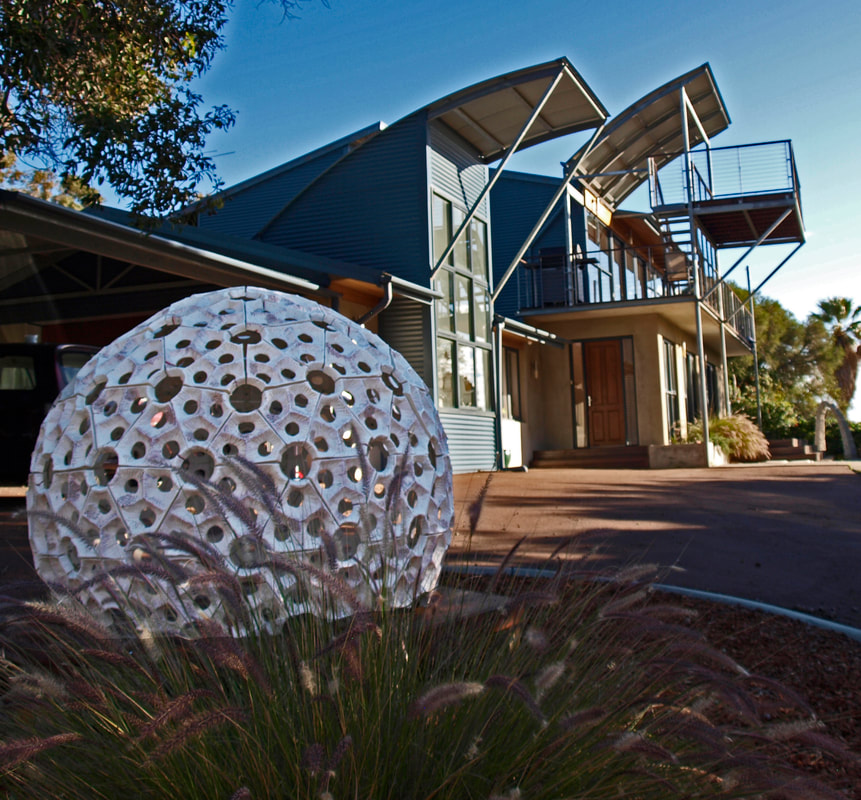
Blue Studio Residency
Perth, Australia
Blue Studio Residency is a peaceful ceramics studio located between Mundy Regional Park and Lesmurdie National Park in Perth, Western Australia, offering short and long-term residencies for local, Australian, and international ceramic artists of all skill levels. The self-contained 70m2 space includes a bedroom, kitchen, living area, bathroom, laundry, studio workspace, garden, and balcony for living and working under one roof. It is a self-guided program open for applications with a portfolio, CV, and proposed work plan.
Perth Institute of Contemporary Arts (PICA)
Perth, Australia
Western Australia's leading contemporary art organisation, supporting artists through residency programmes, commissions, and exhibitions across visual art, performance, and interdisciplinary practice.
Explore Australia
More city guides
Opportunity Intelligence
Ready to find your next residency?
Get a personalized shortlist — scored against your practice, discipline, and what you need right now.
See how Intelligence works →