City Guide
Omalo, Georgia
How to work, live, and actually make art in one of Georgia’s most remote mountain villages
Why Omalo is on artists’ radar at all
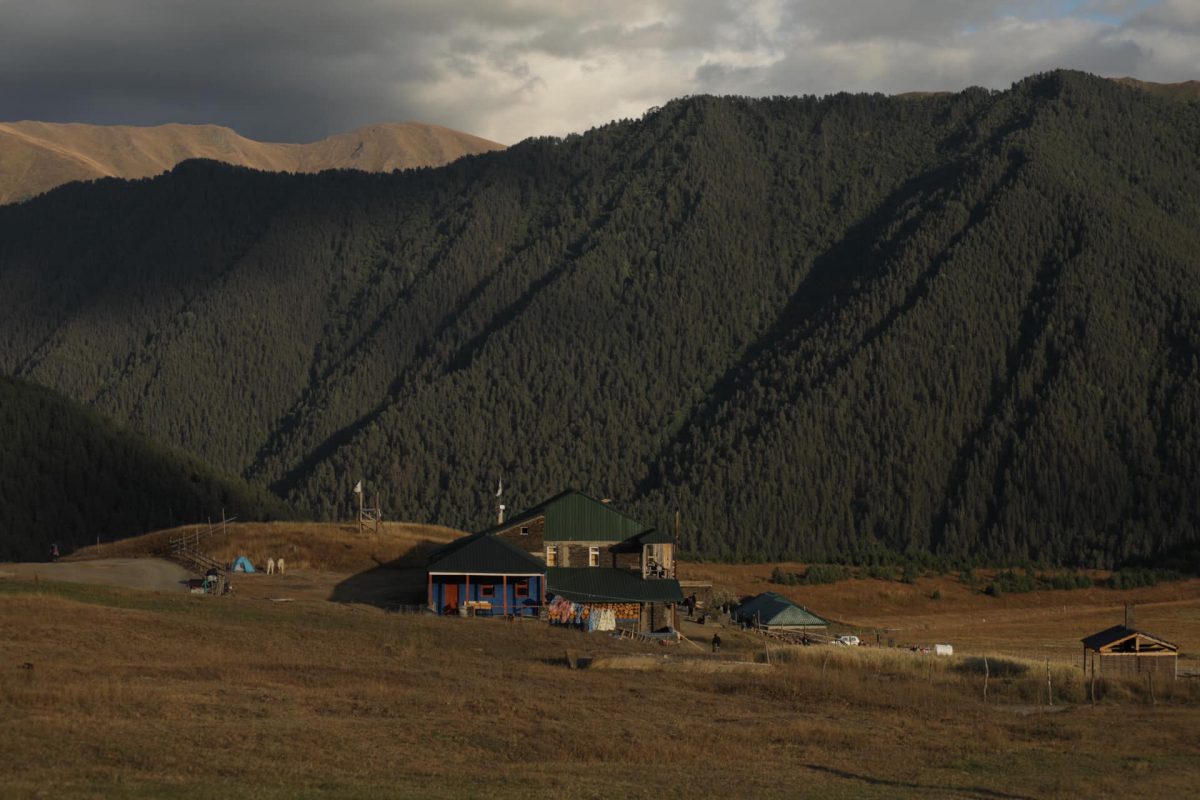
Omalo is not an art capital. There’s no gallery mile, no museum crawl, no string of openings to hop between. What pulls artists there is almost the opposite: a small high-mountain village in Tusheti, northeastern Georgia, where landscape, folklore, and everyday life become the main collaborators in your work.
Omalo is the largest settlement in Tusheti, yet still tiny, remote, and seasonal. Think:
- dramatic Caucasus mountain scenery
- medieval stone towers and defensive architecture
- pastoral life and seasonal herding
- deep traditions in music, craft, oral history, and hospitality
Residencies here are not chasing an art market. They are built around:
- concentrated studio and research time
- cross-disciplinary collaboration
- engagement with Tushetian heritage and ecology
- site-responsive projects and fieldwork
- collective living and knowledge exchange
If your practice feeds on isolation, specific landscapes, or embedded research, Omalo can be a powerful setting. The trade-off: logistics are tougher than a city residency, and you need to be comfortable with a small, tight-knit community instead of a huge urban network.
The main residency: Aqtushetii in Omalo
The best documented residency in Omalo is Aqtushetii (often written as AqTushetii). It functions as both a festival and a residency, pulling in artists, musicians, researchers, and local participants for an intensive, seasonal program.
Who Aqtushetii is actually for
Aqtushetii is open to a wide range of practices. It suits you if you work in:
- visual arts (painting, drawing, installation, video)
- sound art and music (composition, experimental, traditional, hybrid)
- writing and literature (poetry, prose, essays)
- photography and film
- performance and dance
- ceramics and craft
- anthropology, philosophy, and other research-based practices
- interdisciplinary and socially engaged projects
The program explicitly welcomes a mix: visual and sound arts, music, dance, philosophy, writing, anthropology, science, and more. So your work does not have to fit a conventional fine arts box. What matters is that you can engage with the place and the collaborative environment.
What Aqtushetii actually offers on the ground
For such a remote village, Aqtushetii has surprisingly robust infrastructure. According to available descriptions, you can expect:
- Housing – capsule dormitory-style accommodation and options for more private rooms in nearby hostels or guesthouses.
- Food – catering is available; depending on the year and your agreement, some or all food costs may be covered by you.
- Studios and workspaces – shared and individual studio areas, outdoor work zones, and a library/working room large enough for several artists to work separately or together.
- Specialized facilities – a recording studio, darkroom for photography, ceramic kiln and tools, painting studios, a printing press, and various equipment for different media.
- Library and research space – a quiet space for reading, writing, and planning, which matters when you are far from urban resources.
In a mountain context, that combination is rare. If you work with sound, analog photography, ceramics, or mixed media, the on-site facilities can save you from hauling half your studio up a mountain road.
Expectations: what you do while you’re there
Aqtushetii is not a “come and hide in your room for a month” residency. There is a strong emphasis on exchange and contribution. Artists are typically expected to:
- collaborate or at least actively engage with fellow residents
- give a workshop or a series of lectures
- present work through a talk, screening, exhibition, or performance
- if you are a musician, perform publicly at least once during your stay
- in some cases, contribute work to the residency’s permanent collection
There are often end-of-season or program-end exhibitions and public presentations, so you should arrive with a project idea that can grow in dialogue with the place and the community, not just a closed, studio-only plan.
Length of stay and rhythm of work
The recommended minimum stay is around 21 days. That makes sense: reaching Omalo is not a quick city commute, and you need time to adjust, research, and then actually make something.
A three-week or longer stay allows for:
- slow observation of daily village life and surrounding landscape
- longer field trips for research, writing, or recording
- developing a workshop or public event
- producing work with the on-site facilities
If your project requires complex production (ceramics firing, photo processing, or collaborative work), aim for the longer end of whatever stay length they offer.
Money, costs, and what “not fully funded” means here
Aqtushetii is generally not fully funded. Based on available listings, artists may be responsible for:
- travel to Georgia and to Omalo
- food, either fully or partially
- production costs and materials
- personal expenses (insurance, local trips, etc.)
Housing and studio access are usually the main things covered by the program. Production-heavy practices (large installations, big ceramic runs, extensive printing) will need a clear budget. Application-wise, it helps to:
- outline a realistic materials list that can actually reach Omalo
- budget for surprises due to remoteness (transport of supplies, extra days, etc.)
- consider bringing lightweight, high-impact materials that pack easily
How you apply
Application details can change, but generally the process includes:
- a portfolio or documentation of your work
- a short project proposal and description
- preferred residency dates
- contact information and basic bio
Applications are typically submitted via email. Before you send anything, check Aqtushetii’s current information, as conditions, fees, and dates can shift from year to year.
You can find more about Aqtushetii and residency reviews from artists on Reviewed by Artists at this page, and program details via networks like Res Artis at this listing.
What it’s like to live and work in Omalo
Omalo is small, remote, and seasonal. Think more “shared mountain village” than “city neighborhood map.” The village and its surroundings become your extended studio, and your daily routine will be shaped by weather, light, and the rhythm of local life.
Cost of living and daily life
Because Omalo is hard to reach, costs are less about high prices in shops and more about logistics. Typical factors include:
- Transport – getting yourself and your gear from Tbilisi (or another city) to Tusheti, often via a long mountain road when conditions allow; special cases may involve helicopter access for particular programs or seasons.
- Food – many supplies are brought in from outside; catering via the residency is common, but check what is included and what you pay for.
- Materials – some materials and equipment are provided, especially for ceramics, painting, and sound, but specialty items should be brought with you.
- Extras – day trips, local purchases, and any independent travel outside residency activities.
If your work is resource-light (writing, drawing, sound recording using portable equipment, photography with minimal prints), you can keep costs more manageable. If your practice depends on large sculptures, heavy materials, or frequent printing, expect a higher budget and heavier logistics planning.
Where artists actually stay and work
Omalo is not divided into neighborhoods in the city sense. Instead, think in terms of:
- Village core / Old Omalo – stone houses, towers, guesthouses, small shops during the active season.
- Residency housing – capsule dorms or shared accommodations connected to Aqtushetii, plus partner hostels or guesthouses nearby.
- Studios and workspaces – the residency’s indoor studios, library, and outdoor working areas.
- Landscape sites – surrounding valleys, paths, and viewpoints within walking distance or reachable via organized trips.
Proximity to the residency’s main building is what matters: that’s where you meet people, cook or eat together, and access tools, internet (when available), and shared spaces.
Studios, equipment, and how to actually use them
Aqtushetii’s setup is designed so you can produce work even in a remote village. Expect access to:
- multi-purpose art studios for painting, drawing, installation, and mixed media
- a library and shared work area for writing, research, and reading
- outdoor workspaces where you can draw, film, or build directly in the landscape
- a recording studio for musicians and sound artists
- a darkroom for analog photography
- a ceramic kiln and tools for clay-based work
- a printing press for printmaking
Before you pack, clarify with the residency:
- which specific tools and materials they can provide or source locally
- what you must bring yourself
- size limitations for works (especially if you plan to transport or ship them later)
- how often facilities like the kiln or darkroom can be used within the group
This helps you design a project that fits both your practice and the shared infrastructure.
Exhibitions, events, and public moments
Omalo does not have a gallery district. The residency itself becomes the main presentation platform. Common formats include:
- end-of-stay or end-of-season exhibitions on site
- performances, readings, or concerts in residency spaces or village locations
- informal screenings, talks, and conversations with other artists and locals
- open workshop days, especially for hands-on activities or youth engagement
The scale is intimate, but the impact on your process can be large. Presenting work in front of peers, locals, and visiting audiences who have actually shared the context with you often leads to deeper conversations than a quick city opening.
Getting to Omalo, visas, and timing your stay
Because Omalo is remote, timing and access matter as much as the residency itself. Planning ahead will save you headaches and keep your project from being derailed by weather or road closures.
How to reach Omalo
Most artists route through a major Georgian city like Tbilisi and then travel onward to Tusheti. Omalo is known for:
- a long mountain road with dramatic passes and seasonal closures
- limited windows when road access is considered safe
- potential early-season programs where access can be by helicopter rather than road
Practical planning questions to ask the residency:
- Is road access open during the proposed dates?
- Is transport from Tbilisi (or another city) organized as part of the program, or do you arrange it yourself?
- Are there luggage or material weight limits, especially if any leg involves a small vehicle or helicopter?
- How are power, internet, and water managed, and what happens in case of outages?
Build flexibility into your travel days to allow for weather-related delays. Mountain regions can change quickly, and a one-day delay can be normal rather than exceptional.
Visas and entry to Georgia
Georgia is relatively open for many nationalities, with visa-free or simplified entry regimes for certain countries. Rules depend on your passport and planned length of stay.
Before you book anything, check:
- whether your passport allows visa-free entry to Georgia and for how long
- if you require a visa or e-visa, and the processing time
- whether the residency can issue an invitation letter or proof of accommodation if needed
Use official Georgian government or consular sources, not only informal websites. If you need extra documentation, inform the residency early so they can prepare it in time.
Seasonality: when Omalo actually works for art
Tusheti is extremely seasonal. The difference between mid-summer and deep winter is not just temperature; it is about whether the village is even reasonably accessible.
Generally:
- Late spring to early autumn – the most workable window for residencies, when roads are typically passable and outdoor work is realistic.
- Summer – often the main season for longer stays, field recording, outdoor performance, photography, and research-intensive projects.
- Winter – access can be very limited or impossible by road; only special arrangements or specific programs might operate.
- Shoulder seasons – gorgeous light and textures, but with more logistical risk; some programs use helicopter access in early spring, which has its own pros and cons.
If your project depends heavily on hiking, field recording in rivers and pastures, photographing in clear weather, or working outdoors with large installations, aim for the main accessible season and give yourself time buffers in case weather shifts your schedule.
Who Omalo works for (and who it doesn’t)
Omalo is very specific. It rewards certain kinds of practices and personalities, and it can be frustrating if your expectations are off. Before applying, match your needs with what the place offers.
Artists who usually thrive in Omalo
Omalo tends to be a strong fit if you:
- crave solitude and concentration, but also enjoy intense, small-group community
- want your work shaped by a particular landscape and culture, not just a neutral studio box
- are open to collaboration and knowledge exchange with artists from different disciplines
- have a practice that can adapt to shared facilities and some constraints
- enjoy research, fieldwork, documentation, or embedded observation as part of your process
- are comfortable with remote travel, slower internet, and less predictable logistics
This includes many visual artists, writers, sound artists, filmmakers, movement-based practitioners, and research-driven artists.
Artists who may struggle
Omalo might be less ideal if you:
- need a large, commercial gallery scene and frequent openings to make the stay feel worthwhile
- rely on constant access to specialized shops, fabrication labs, or high-tech equipment
- prefer nightlife, cafes, and city energy as your main creative fuel
- are very uncomfortable with unpredictable transport, weather, or occasional outages
- depend on large audiences and institutional visibility during the residency itself
In that case, an urban residency in Tbilisi or another city, or a different rural program with easier access, might be a better match.
How to frame your project for an Omalo residency
If you decide Omalo fits your practice, shape your application around what this place uniquely offers. Strong proposals usually:
- show clear interest in Tusheti’s culture, history, or ecology, without treating it as a simple backdrop
- include room for discovery, so your project can respond to what you encounter on site
- name specific residency facilities you plan to work with (recording studio, darkroom, kiln, etc.)
- outline how you will share something with others through a workshop, talk, or performance
- explain how the mountain setting and isolation will actually support your process
Think of Omalo not just as a location but as a collaborator. The more your project makes sense because it happens there, the stronger your fit with residencies like Aqtushetii.
Next steps
If Omalo sounds like the right kind of challenge for your work, start by reading artist-written reviews of Aqtushetii and other Georgian residencies on Reviewed by Artists at this Georgia residencies overview. Then cross-check current program details on Aqtushetii’s own channels and networks like Res Artis or ArtConnect.
From there, you can sketch a project that fits the mountains, the facilities, and the kind of deep, slow, collaborative time that Omalo actually offers.