
City Guide
Omalo, Georgia
Remote, high-altitude, and built for deep-focus work in the Caucasus mountains
Why Omalo shows up on artists’ radar
Omalo sits in Tusheti, a high-mountain region in northeastern Georgia. It’s remote even by Georgian standards: steep roads, limited access, and a short season when the villages are reachable. That remoteness is exactly why residencies exist there, and why artists keep going back.
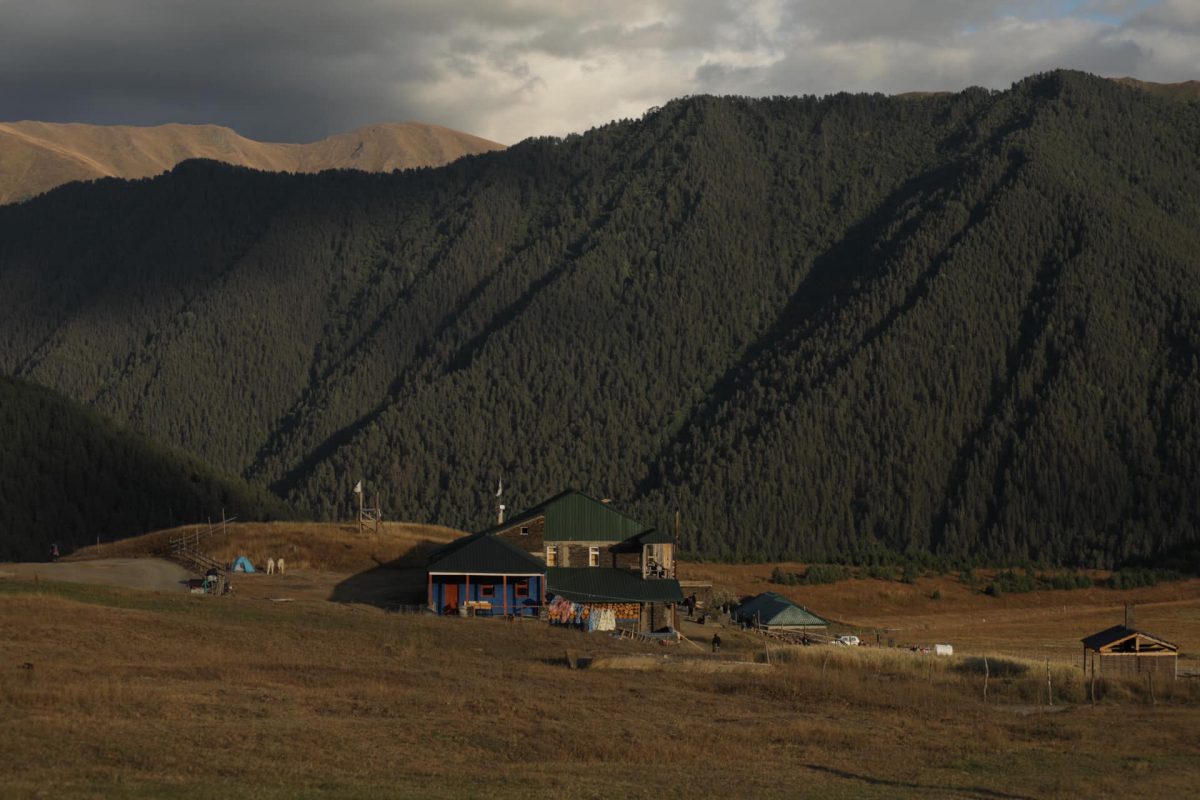
Think of Omalo as a seasonal creative camp in the Caucasus rather than a permanent urban art center. Instead of gallery openings and networking events, you get:
- Big, dramatic mountain landscapes and constant shifts of weather and light
- A slow pace that supports highly focused making and research
- Traditional Tushetian culture, architecture, and pastoral life as daily context
- A rotating mix of international artists and local residents when residencies are in session
If your practice thrives on sensory overload, nightlife, and dense art scenes, Omalo will feel sparse. If you work well with quiet, landscape, and a small but intense group of peers, it can be a strong match.
AqTushetii: the core residency in Omalo
The main structured program in Omalo is AqTushetii, a festival/residency that anchors most contemporary art activity in the area. It’s typically based right in Omalo village, with housing and workspaces spread between residency buildings and nearby guesthouses.
What AqTushetii offers
Based on public listings and residency descriptions, AqTushetii is designed as a multidisciplinary hub that supports both making and exchange. Core elements usually include:
- Housing: Capsule-style dorms plus some private rooms in local hostels or guesthouses
- Meals: Catering is often provided so you are not cooking every meal in a remote setting
- Studios & workspaces:
- Indoor art studios
- Outdoor working areas with mountain views
- A shared library/working space for reading, writing, and group sessions
- Specialized equipment (a big plus in such a remote location):
- Recording studio for musicians and sound artists
- Darkroom for photography
- Ceramic kiln and tools
- Painting studios and basic supplies
- Printing press and other shared equipment
- Program structure:
- Workshops and lectures hosted by residents
- Talks, informal critiques, and knowledge sharing
- Exhibitions or public presentations, often at the end of the season
There is also mention of an early spring program that involves helicopter transport when the road is closed, which turns the residency into an even more secluded experience. If that’s active in a given year, it changes both the logistics and the feel of the stay.
Who AqTushetii is for
AqTushetii is very intentionally cross-disciplinary. The program typically welcomes:
- Visual artists (painting, drawing, sculpture, installation)
- Sound and music practitioners, including performers and composers
- Writers and poets
- Dancers and movement-based artists
- Philosophers, anthropologists, and researchers
- Photographers and media artists
It suits artists who can handle both independence and collective responsibility. You usually have a self-directed project, but you’re also encouraged (and often expected) to contribute to public activities: workshops, talks, performances, or shared exhibitions.
It’s especially good for you if:
- You want structured access to equipment like a recording studio, darkroom, or kiln in a remote context
- You’re comfortable with simple, rural living rather than hotel-level comfort
- You like working across disciplines or are open to collaborations
- You want your work to be shaped by a specific landscape and local culture
Key practical details
A few recurring points about AqTushetii are helpful when deciding if it fits:
- Length of stay: A minimum of around 21 days is often recommended so you can settle into the place and the group
- Selection: Typically committee-based, using your portfolio and project proposal
- Costs: Housing and use of facilities are usually covered by your residency fees, but you should expect to pay for your own travel, materials, and any extra production
- Application materials: Portfolio, project description, and preferred dates, usually sent by email
- Expectations: Artists are generally asked to offer a workshop, lecture, or performance, and contribute to a final presentation or exhibition
Before applying, it’s smart to check the most recent details directly on:
Use those as starting points and then email the organizers with project-specific questions. Details like exact dates, current fees, and program focus can shift from season to season.
What the “art scene” in Omalo actually looks like
Omalo is a village, not a city, and its art life reflects that. There’s no strip of galleries or museum district. Instead, you’ll find:
- Residency-centered activity: AqTushetii effectively creates the contemporary scene each season
- Local culture: Traditional architecture, seasonal rituals, shepherding routes, and everyday life form the main “infrastructure” you interact with
- Site-responsive work: Artists often work with soundscapes, photography, field research, drawing, small installations, or interventions in the landscape
- Temporary project spaces: Presentations might happen in residency buildings, outdoor courtyards, or adapted local spaces
Think of the village and its surroundings as your extended studio. It’s common to walk, observe, document, and only then decide what form a project takes. Open studios here may look like:
- Showing work in progress on tables and walls in the shared studios
- Performing in a courtyard or small interior space
- Doing a walk-based presentation along a route you’ve been researching
- Inviting local residents and fellow artists for a talk around food or tea
If you need white-cube conditions or large urban audiences, Omalo is not built for that. If you enjoy shaping your own way of showing work, you have a lot of freedom.
Living and working in Omalo: what to expect
Cost of living and budgeting
Omalo is not expensive in the usual city sense (restaurants, nightlife, transport passes), but it can be surprisingly costly on logistics. When you budget, assume your main expenses will be:
- Travel: Reaching Tusheti generally requires a long drive, often in a 4x4, or in some cases shared transport arranged by the residency
- Food and supplies: Because everything comes up the mountain, prices can be higher than in Tbilisi or other cities
- Materials: If your practice relies on specific materials, bring what you can. Local sourcing is basic and limited
- Contingency: Weather delays or changes in access are normal in mountain regions. Plan a buffer for extra nights in transit areas
Residencies usually include housing and some infrastructure in their fees. Still, assume that anything niche or specialized (certain pigments, specific film, particular electronic components) will be hard or impossible to find on site.
Studios and workspaces beyond AqTushetii
Outside AqTushetii season, Omalo does not have a network of independent studios, print shops, or galleries. If you come on your own outside residency time, you effectively self-organize:
- Work in guesthouse rooms or common spaces
- Use the landscape and village as open-air studio
- Keep your setup minimal: laptop, sketchbooks, small tools, portable sound gear, or a camera
This is one reason many artists choose to plug into AqTushetii rather than go completely solo. The residency provides basic facilities so you are not starting from zero in a remote village.
Daily life: pace, rhythm, and weather
Daily rhythm in Omalo is shaped by weather and light. The mountains can shift from bright sun to fog or rain quickly, and that affects both your work and your movement around the area. Typically you can expect:
- Early mornings and late evenings to be the most visually striking times for landscape work
- Midday to be good for indoor studio work or reading
- Unstable weather to occasionally limit long hikes or outdoor shoots
This pace tends to favor practices that can switch between outdoor fieldwork and indoor processing: photography, writing, sound recording, drawing, and planning larger installations to realize later.
Getting to Omalo and moving around
The road to Tusheti
Access is a major part of Omalo’s character. The typical route involves:
- Travel to a Georgian city in the east (often Tbilisi or a closer regional town)
- A drive toward the mountains in a high-clearance vehicle, frequently arranged in advance
- A mountain road that is seasonal and can be affected by snow, landslides, and heavy rain
Sometimes, residencies coordinate group transport on specific days to make this easier. There are also references to helicopter access in early spring programs when roads are closed, but those options are specialized and coordinated tightly with the residency.
When planning, it helps to:
- Build in extra days before and after the residency in your schedule
- Share travel with other residents if possible, both for cost and safety
- Carry essentials in your hand luggage in case your main bag is delayed
- Pack light but smart: layers, waterproofs, sturdy shoes, and a compact kit for your practice
Within Omalo
Omalo is walkable, but “short walk” can mean dirt paths, uneven stone, and some elevation. For artists, the most relevant distances are:
- Housing to studio/workspaces
- Studios to key landscape or village sites you plan to work in
- Residency base to any small shop or service in the village
Before you commit to a project heavy on large physical materials, talk to the residency about how realistic it is to move those around. Lightweight, modular, or digital practices tend to be easiest here.
Visas, timing, and when to go
Visas and entry
Georgia is relatively open to many nationalities, with generous visa-free stays for some visitors and a straightforward e-visa system for others. That said, rules change and always depend on your passport.
Before you book, verify details with:
- The official website of the Georgian Ministry of Foreign Affairs
- Your residency organizers (they may provide invitation letters or guidance)
- Your airline or a consular source in your country
For most artists heading to Omalo, the key issue is not the visa itself but aligning your stay with the mountain season and the residency schedule.
When to be in Omalo
Because the road is seasonal, the most workable period for residencies is during the warmer months when the mountain pass is clear. In that window, you get:
- Accessible roads (barring sudden weather)
- More stable temperatures for outdoor work
- Active residency infrastructure and other artists around you
Winter is usually not practical for residencies because of snow and road closures, unless a specific off-season program is arranged with air transport. Most artists will find late spring through early autumn to be the sweet spot.
Who Omalo residencies suit (and who they don’t)
Artists who usually thrive in Omalo
Omalo is a strong match if you:
- Enjoy remote, site-specific work tied to landscape, sound, or local history
- Can work in basic conditions and do not need constant access to shops or specialized services
- Want deep focus, fewer distractions, and a small peer group instead of a big city network
- Are open to collaborating across disciplines and sharing your process through talks or workshops
- Can travel with some flexibility and are not easily thrown by weather changes or logistical hiccups
Artists who may want a different Georgian location
Omalo might not be ideal if you:
- Need regular access to galleries, museums, or collectors for your work to make sense
- Rely on heavy production facilities that cannot be provided by the residency
- Prefer stable, fully urban infrastructure with public transit, cafes, and shops on your doorstep
- Are uncomfortable with travel on mountain roads or with a degree of physical unpredictability
If you recognize yourself here, consider residencies in Georgian cities or lower-altitude regions first, and treat Omalo as a future experiment when you’re ready for a more off-grid experience.
How to decide if Omalo is your next residency stop
When you’re weighing Omalo against other locations, ask yourself:
- What do you need most right now? Visibility and networking, or time and focus?
- Can your practice adapt to limited materials and strong environmental constraints?
- Does the idea of contributing workshops or talks in a small community excite you, or feel like a burden?
- Are you comfortable budgeting extra time and money for travel logistics?
If your honest answers lean toward immersion, experimentation, and a temporary break from city life, Omalo – and AqTushetii in particular – can be a powerful setting to reorient your work. If you want a clearer sense of how it compares to other Georgian residency hubs, you can look up artist residencies across the country here:
Use those listings alongside this guide to decide whether your next project belongs in a high-mountain village like Omalo or in a more conventional city setting.
Explore Georgia
More city guides
Opportunity Intelligence
Ready to find your next residency?
Get a personalized shortlist — scored against your practice, discipline, and what you need right now.
See how Intelligence works →