
City Guide
Montenero Val Cocchiara, Italy
A quiet mountain village in Molise where you can disappear into your work for a few weeks
Why artists go to Montenero Val Cocchiara
Montenero Val Cocchiara is a tiny mountain town in Molise with under 300 residents, one bar, a small church, and not much else. That’s exactly the point. This is a place to disappear into a project, not to build a social calendar.
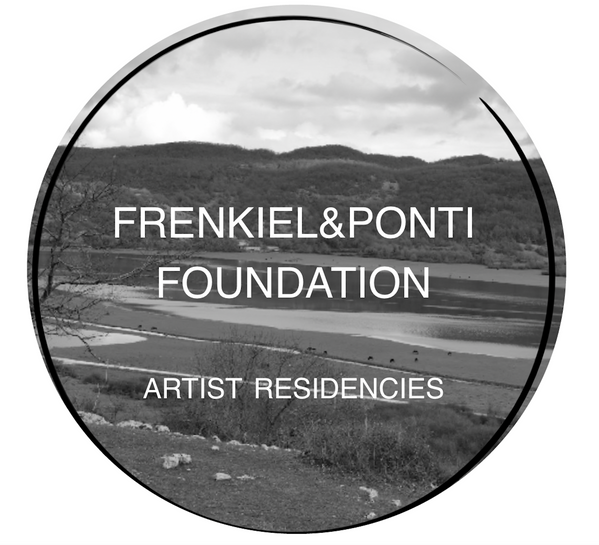
The town sits above a wide valley called the Pantano, described as one of Europe’s largest and oldest peat bogs. In winter it fills with water, in summer it dries out, and wild horses and other wildlife move across it. The residency materials talk a lot about walking in this landscape, eating together, and talking late into the night. So you’re looking at a retreat set-up: slow days, strong nature, and a very small group of peers.
If you need distractions, galleries, and openings, Montenero will probably feel too quiet. If you want to sink into a body of work, write a book section, design a sound piece from field recordings, or re-route your practice in peace, this town makes sense.
The Frenkiel & Ponti Foundation residency
The Frenkiel & Ponti Foundation is the core reason artists come to Montenero Val Cocchiara. It’s a self-led residency built around time, space, and conversation rather than deliverables or institutional pressure.
Program structure
The residency generally runs in short, concentrated blocks — usually around two to four weeks, often framed as a one-month stay. The exact session lengths shift, but the logic stays the same: focused time with a small group, multiple times per year.
The foundation typically hosts up to four creatives at a time, with a set mix of disciplines:
- Two visual artists (painting, sculpture, or related practices)
- One musician
- One writer
- One photographer or digital artist
Different listings phrase this slightly differently, but expect a group of three to four residents across disciplines. The atmosphere is intentionally relaxed and supportive, with no expectation that everyone “collaborate” in a forced way. It’s more about parallel practices in shared space.
What the residency provides
The Frenkiel & Ponti Foundation covers a lot of the basics so you can focus on work:
- Accommodation in the village
- Work / project area suitable for studio, writing, or digital work
- Local transportation for practical needs and planned outings
- Food and drink, including traditionally cooked Molise-style dinners three times a week
- Weekly day trips to explore the area and break your routine
- Informal nightly discussions and shared meals with the other residents
You handle your own flights and transfers to the region (usually via Naples), but once you’re there, a lot of your daily logistics are already structured for you. That’s helpful if you’re juggling jobs, family responsibilities, or a tight budget and need a residency that doesn’t demand constant planning.
Who this residency suits
The Frenkiel & Ponti residency is built for artists who want time, quiet, and a small amount of social friction in the best way:
- Visual artists who can work in modest studio spaces and use the landscape or isolation as fuel
- Writers and poets who want low-distraction days and conversation at night
- Photographers and digital artists interested in landscape, ecology, or small-town structure
- Musicians and sound artists who can work with portable equipment and field recordings
The residency explicitly mentions being ideal for creatives who have other time-constraining commitments and a big appetite for nightly discussions. So if you need a break from city life but still want conversation, this is a good fit.
Application basics
Different sources describe the application cycle slightly differently, but there are some clear patterns:
- Sessions run multiple times per year.
- Applications typically open around two months before a session and close about a month before it starts.
- Upcoming dates are sometimes listed as “TBA,” so you’ll need to check back.
The most reliable place for current info is the foundation’s own website: Frenkiel & Ponti Foundation. Listings on other platforms like ArtConnect or TransArtists can help you understand the structure, but always double-check directly with the residency before planning around it.
Costs and funding
The residency is described as covering accommodation, work space, local transport, and food and drink. That suggests an in-kind funded model. You still need a budget for:
- Flights to Italy (usually to Naples for easiest access)
- Travel from Naples to Montenero Val Cocchiara (train/bus + transfer or car hire)
- Any personal extras, materials, or independent trips you want to make
There’s no mention of a stipend or artist fee, so plan as if this is a supported retreat where your main costs are getting there and any materials you need. If you’re applying, it can help to line up small grants in your home country that support travel or production at residencies.
The town: what to actually expect
Montenero Val Cocchiara is not an art city; it’s a quiet mountain village. That shapes almost everything about your residency experience.
Scale and rhythm
Daily life is very simple:
- There’s a single bar on the main square where you’ll quickly be recognized.
- A small church anchors the center of the village.
- Most of the social life is either in that square, at the residency, or out on walks.
This is ideal if you want to radically reduce input. The main interruptions are weather, shared meals, and maybe a procession or local event if you’re there at the right moment.
Landscape and walking
The Pantano, at the base of the village, is one of the key features. You’ll hear it described as a large, ancient peat bog that shifts dramatically with the seasons. Wild horses live there and are often seen from the village or on walks. Forests surround the area, with paths for short and long walks.
If your practice involves photography, drawing, sound recording, or writing from observation, this landscape is a huge asset. Even if your work is not literally about nature, long walks can help you think through structure and scale in a way that’s hard to recreate in a city.
Art scene vs. art retreat
There isn’t a local gallery district or a network of independent project spaces in Montenero Val Cocchiara. The art activity is concentrated inside the residency itself. You’re here to produce and reflect, not to circulate work through a local market.
If you want exhibitions and institutional contact during the same trip, you might plan a few days before or after your residency in cities like Naples, Rome, or other regional centers with museums and galleries. Treat Montenero as the production phase and the cities as the sharing/networking phase.
Practical info: getting there, living there, and visas
Getting to Montenero Val Cocchiara
Most international artists will arrive in Italy by plane. The residency materials point to Naples as the key hub. From there, expect a multi-step journey:
- Flight into Naples (or another major Italian city if that’s cheaper, then train to the south)
- Regional train or bus towards Molise
- Final transfer by car or local transport to Montenero Val Cocchiara
The residency includes local transportation, which may cover certain transfers or weekly outings. Always clarify with the organizers exactly what they mean by “local transport” so you can budget accurately for the part you handle yourself.
Cost of living during your stay
Because the residency covers accommodation and a significant chunk of meals, your cost of living on site is relatively low. You’ll mostly spend money on:
- Coffee, drinks, or snacks at the local bar
- Any materials or equipment you need
- Extra day trips or travel before/after the residency
Rural Molise is not expensive by big-city standards, so once you factor in the in-kind support, your main financial burden is getting there and back.
Season and timing
The residency highlights spring as a particularly nice moment: lunches in the garden, comfortable weather for walks, and a strong relationship between indoor and outdoor work. Warmer months also make the Pantano and forest more accessible for long observational days.
Autumn can be ideal for concentrated work if you like cooler weather and fewer outdoor distractions. Winter may be atmospheric but more limiting if your practice relies on being outside or interacting with locals in public spaces.
Because the residency runs several times a year, you can think strategically about which season fits your project: fieldwork and landscape-heavy projects in spring/summer, editing and writing-heavy phases in cooler periods.
Visa basics
Visa requirements depend entirely on your passport and length of stay, but there are some general patterns:
- EU/EEA/Swiss artists usually don’t need a visa for short stays in Italy.
- Non-EU artists generally fall under the Schengen short-stay rules for residencies under 90 days.
For a residency of around one month, you’ll typically need to show:
- Proof of accommodation (the residency acceptance letter usually helps here)
- Travel itinerary and return or onward ticket
- Evidence of funds or support if required for your nationality
Always confirm details with the Italian consulate in your country and ask the residency for an official invitation letter or confirmation of participation; that can make the visa process smoother.
How to decide if Montenero is right for your practice
Signs this residency fits you
Montenero Val Cocchiara is a strong choice if you:
- Want a retreat-like setting with minimal distractions
- Value deep, unstructured studio or writing time
- Appreciate small-group conversations rather than big crowds
- Are comfortable with a self-led residency without heavy programming
- Are curious about a rural Italian context and local food culture
It’s especially well-suited to mid-project phases where you already know what you’re working on and need space to execute, revise, or re-think. The residency’s support with meals and logistics also makes it appealing if you have limited bandwidth to manage daily life while working intensely.
When you might want a different kind of residency
You might look elsewhere if you:
- Need regular access to galleries, museums, and events for your project
- Prefer residencies with structured workshops, critiques, or public outcomes
- Don’t enjoy small, intimate social settings
- Rely on industrial-scale facilities or highly specialized equipment
Montenero Val Cocchiara is about slowness, landscape, and conversation, not about fast-paced networking or institutional exposure. If you match that rhythm, it can be a really productive choice.
Practical tips before you apply
To make your application stronger and your stay smoother:
- Research the town and Pantano so you can clearly explain why that specific setting matters to your project.
- Define a focused project you can realistically push forward in 2–4 weeks.
- Plan your travel route via Naples and price it out so you know what you’re committing to.
- Check the residency site for the latest session dates and any changes in what they cover.
- Prepare a basic budget that includes flights, transfers, materials, and a buffer for unexpected costs.
If you align your project with the landscape, the quiet, and the small-group atmosphere, Montenero Val Cocchiara can give you exactly what most residencies promise and don’t always deliver: time, concentration, and a clear mental horizon.
Explore Italy
More city guides
Opportunity Intelligence
Ready to find your next residency?
Get a personalized shortlist — scored against your practice, discipline, and what you need right now.
See how Intelligence works →