
City Guide
Moià, Spain
How to use Moià as a quiet, rural base for focused work in Catalonia
Why Moià works for residencies
Moià is a small town in the Moianès region of Catalonia, set among hills and farmland rather than galleries and fairs. That lack of spectacle is the draw: residencies here tend to be quiet, focused, and intentionally small. You get space to work, a slower pace, and enough local culture to stay connected without being pulled out of your practice every five minutes.
You’re close enough to Barcelona to dip into the city’s art scene when needed, but far enough that you’re not paying big-city prices or dealing with urban overstimulation. Think of Moià as a production and research base rather than a networking hotspot.
- Atmosphere: rural, calm, self-directed
- Scale: small groups, low traffic, more time with hosts
- Disciplines: visual arts, performance, writing, cinema, research, science/tech, gender studies, history, interdisciplinary
- Audience: artists who value concentration over buzz
a cobert: the core residency in Moià
The most clearly structured residency program in Moià is a cobert (often referred to as Residències a cobert). This is the program you’re most likely looking at if you’re searching specifically for Moià-based residencies.
What a cobert offers
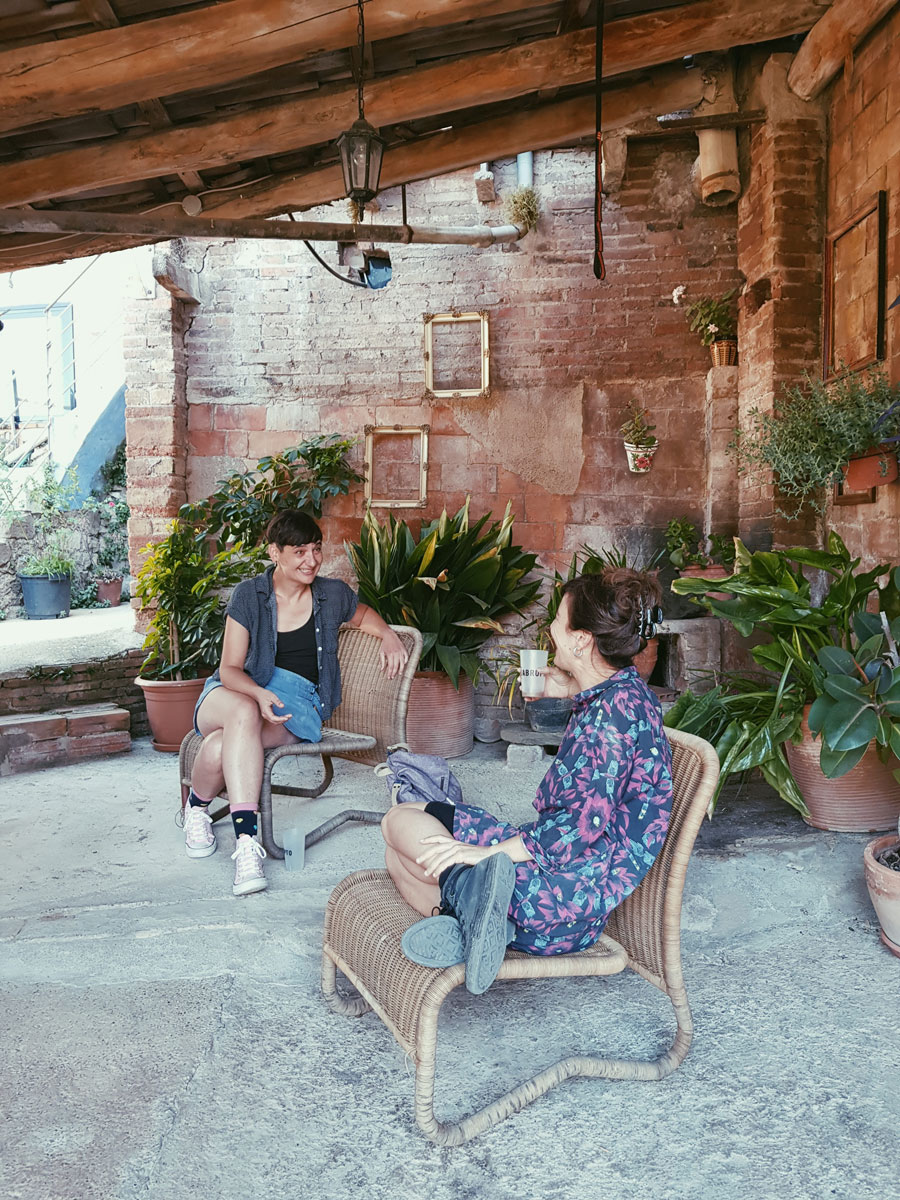
a cobert is designed as a practical working environment more than a prestige label. You get housing and workspace, plus a link into local cultural networks. The framing is “artistic and research projects” rather than just studio time, so it’s friendly to artists who work in hybrid, conceptual, or research-heavy ways.
- Separate work and living spaces: studio or work area plus accommodation, not just a bedroom with a desk.
- Rural context: located in Moià, in a quieter part of Catalonia that still connects back to wider networks.
- Support and connections: the program talks about dissemination, advice, and synergies with local cultural agents, which often means help with local contacts, small presentations, or introductions.
- Short, intensive stays: residencies typically run around 1–4 weeks, often between May and September.
The address listed for the residency is Carrer del Salt 10, Moià (Moianès), which puts you in or near the town itself rather than in total isolation.
Who a cobert is for
a cobert is set up to host small groups of 2–4 adults or collectives. You can apply as a solo artist if the program allows, but its structure is particularly compatible with collaborative or group-based projects.
- Disciplines welcomed:
- plastic / visual arts
- performance and live art
- literature and writing
- cinema and moving image
- research-based projects (including science/technology, gender studies, and history)
- interdisciplinary and experimental practices
- Who can apply: generally open to all nationalities and backgrounds, without restrictions on age, origin, gender, or sexual orientation.
- Ideal profile: self-directed artists who can define a project clearly and make good use of a short, concentrated residency.
Because the stays are relatively short, a cobert works best if you arrive with a focused plan: a section of a project to complete, a body of research to work through, or a period of fieldwork and writing.
Residency structure and practical details
While each open call may vary in details, a typical pattern for a cobert includes:
- Length: 1–4 weeks, sometimes framed as a three-week residency window.
- Season: usually between May and September, aligning with better weather and longer days.
- Scale: small number of residents at a time, often working in parallel but independently.
- Resources: accommodation, workspace, and advisory support. Some calls mention a project budget (for example, around €2,000 total in one documented case), but you should always check the current conditions on the official site or call.
Because the program supports research projects alongside more traditional art forms, proposals that integrate context and reflection tend to fit well. That might mean working with local history, rural economies, gender or ecological questions, or experimental formats that need time more than heavy production gear.
How to approach an application for a cobert
When you prepare to apply, assume the selection panel is looking for artists who can use the specificity of Moià and the residency structure:
- Connect your project to place: explain what a rural, small-town context unlocks for your work. It can be concentration, landscape, local stories, silence, or time to work with collaborators without city pressure.
- Show you can work in a small group: mention previous collaborative projects, collective work, or how you function in shared spaces. It reassures them that you’ll contribute positively to the residency cohort.
- Be realistic about scale: a few weeks is perfect for a chapter, prototype, or research phase, not a fully finished magnum opus. Propose what you can actually complete there.
- Be clear on outcomes: they often mention dissemination and advice, so outline potential formats: a small public talk, an informal screening, a publication draft, a research sharing session, or future exhibition plans.
There isn’t a massive infrastructure of galleries in Moià, so think of outcome less as a big public show and more as a substantial step in your practice, possibly shared with a small local audience or online.
Reading Moià as a working context
To use Moià well, it helps to understand the town as a work environment rather than a tourist destination. You won’t be hopping between multiple galleries every night, but you will have enough everyday structure to support a steady studio rhythm.
Town layout and where you might stay
Moià is compact, so your main orientation points are the town center and the surrounding countryside.
- Central Moià: being close to the center means fast access to shops, cafes, basic services, and any municipal cultural spaces. If you like working during the day and taking short walks for coffee or groceries, this is practical and time-efficient.
- Outskirts and rural surroundings: if you end up slightly outside the town, you gain more silence and landscape but lose some convenience. This can work well if your project involves sound recording, video, or landscape drawing/photography.
- Near residency sites: for short residencies, proximity to the residency venue is more valuable than a “cool neighborhood.” Being able to walk between your bed, studio, and shops saves energy for your work.
Because the town is small, there are fewer decisions to make about districts. Instead, think in terms of how much daily movement you want between your living space, studio, and resources like food shops.
Studios, materials, and art infrastructure
Moià isn’t packed with commercial galleries or specialized workshops, so the residency’s own facilities and the broader Catalan context become important.
- Within residencies: focus on what the program explicitly offers in terms of studios, work tables, light, and access to outdoor space. For a cobert, separate workspace plus accommodation is a core part of the offer.
- Local cultural spaces: look out for civic centers, cultural associations, or municipal halls that sometimes host exhibitions, artist talks, or screenings. Residency programs often have contacts there.
- Regional support: if your practice needs specialized tools (intaglio presses, darkrooms, fabrication workshops), you may need to arrange trips to Barcelona or other Catalan towns. You can plan one or two “supply runs” during the residency rather than relying on local shops.
If your work is heavily dependent on large-scale production or heavy equipment, consider splitting the project: use Moià for research, writing, planning, and lighter production, then complete fabrication elsewhere.
Cost of living and budgeting for a stay
Compared with Barcelona, Moià generally gives you more space for less money. This helps if you’re working with limited funding or combining the residency with personal savings.
- Accommodation: residency housing keeps costs predictable. If you ever rent independently, expect lower prices than in the city, especially outside peak summer holidays.
- Food: self-catering is realistic and often cheaper. Factor in a basic grocery budget and keep a margin for occasional meals out.
- Transport: this is where costs can spike if you need frequent trips to Barcelona or other towns. For sculpture, large canvases, or tech-heavy work, think carefully about shipping versus carrying materials with you.
- Materials: bring specialized items you know you’ll need. Local shops may cover basics, but not everything.
Overall, you can expect fewer daily temptations than in a big city. That often translates into more time and more money available for your practice.
How to get there and move around
Moià is inland, so road access is the main way in and out. Plan your arrival and material logistics as part of your project, not as an afterthought.
Reaching Moià
Artists usually travel via Barcelona or another major city, then continue by regional transport or car.
- International arrival: Barcelona is the main entry point if you’re flying. From there, you arrange onward travel to Moià.
- Regional travel: options typically include regional buses or car. Some artists rent a car for the stay if they know they’ll be moving materials or doing fieldwork in the area.
- Coordination with the residency: check if the residency offers guidance on the easiest bus routes, drop-off points, or shared rides. Hosts often have clear instructions from previous participants.
Transport and your practice
Transport isn’t just a logistical detail; it affects what kind of work you can realistically do during your stay.
- Large works and sculpture: if your work is big, fragile, or heavy, decide early whether you’ll ship materials or adapt the scale of your project to what can be carried by bus or car.
- Tech and tools: laptops, small cameras, basic audio gear, sketchbooks, and portable materials are easy. For anything more complex, confirm that the residency can receive shipments or store equipment.
- Fieldwork: if your project involves filming, recording, or site-specific actions in the wider region, having a car makes your schedule more flexible. If you don’t drive, factor in walking time and bus timetables.
Short residencies benefit from a lean setup. Pack what you know you’ll use and avoid spending the first week chasing equipment you don’t really need.
Visas, timing, and choosing the right season
Residency stays in Moià are usually brief and clustered around the warmer months. That’s helpful for outdoor work and for artists visiting from cooler climates.
Visa basics for short residencies
Your visa situation depends mainly on your nationality and the length of your stay in Spain.
- EU/EEA/Swiss artists: typically can stay in Spain for short residencies without a visa, though longer stays might require local registration steps. Health insurance is still your responsibility.
- Non-EU artists: for stays of a few weeks, many artists enter under short-stay (Schengen) conditions, but requirements differ by passport. Always check if your nationality requires a visa for Spain.
- Residency documents: ask the residency for an invitation letter, confirmation of accommodation, and basic project description support. These can help with visa applications or border questions.
Plan your application timeline so you can gather documents, schedule appointments if needed, and receive your visa before the residency start date.
Best season for working in Moià
a cobert typically operates between May and September, and that window suits most practices well.
- Weather: long daylight hours and generally pleasant temperatures make it easier to work with natural light, shoot outside, or walk and think.
- Outdoor projects: if your work uses landscape, performance in public space, or site-specific actions, this season is ideal.
- Studio concentration: even for purely studio-based work, the combination of light and rural calm can help you reset your working rhythm.
Residencies with short stays and small cohorts can fill quickly. Treat application writing as a part of your practice: align your project timeline with the residency’s seasonal rhythm and be ready with a solid proposal before calls open.
Positioning Moià within your wider practice
Choosing Moià is a strategic decision: you’re trading density of events and institutions for time, space, and a slower pace. That makes most sense if you’re clear on what the residency gives you that your current environment doesn’t.
What Moià is particularly good for
- Deep-focus phases: writing, editing, drawing, and research that need long uninterrupted blocks of time.
- Early-stage development: outlining a new project, testing materials and concepts, or mapping research questions before a bigger production.
- Group processes: collectives or small teams who want to workshop ideas, plan future work, or build a shared language without distractions.
- Context-based research: projects around rural contexts, local history, gender and labor, environmental questions, or technological infrastructures in non-urban spaces.
When another location might suit you better
- If you need high-visibility exhibitions: Moià offers more intimacy than exposure. You can still show work, but don’t expect a busy urban audience.
- If you rely on dense institutional networks: curators and institutions are more concentrated in Barcelona and other larger cities. You may use Moià to prepare work, then connect with institutions elsewhere.
- If your project needs heavy fabrication: complex fabrication can be logistically demanding in a small town. Consider doing the design and planning phase in Moià, and fabrication in a better-equipped city.
How to make the most of a residency in Moià
Once you’re there, a few simple choices can make your time more effective.
- Define a clear scope: decide ahead of time what counts as success for you: a draft script, a series of drawings, a research outline, a sound archive, a text.
- Use the local network: take up offers of advice, introductions, or small-scale presentations. The intimacy of a small town can lead to unexpected collaborations.
- Schedule city trips strategically: if you want to visit Barcelona for exhibitions or supplies, cluster those trips rather than breaking your concentration every few days.
- Document your process: photograph your studio, note observations, and keep track of ideas that surface in the slower rhythm. These can feed into future proposals and works.
- Leave space for adjustment: you may arrive with a plan and discover that the landscape, quiet, or conversations shift your priorities. Build in room to respond to that.
If you approach Moià as a dedicated working interval rather than a casual getaway, it can give you a strong, quiet push in your practice that’s hard to find in bigger cities.
Explore Spain
More city guides
Opportunity Intelligence
Ready to find your next residency?
Get a personalized shortlist — scored against your practice, discipline, and what you need right now.
See how Intelligence works →