
City Guide
Messina, Italy
How to choose the right Messina-area residency for your practice, budget, and working style
Why Messina works well for residencies
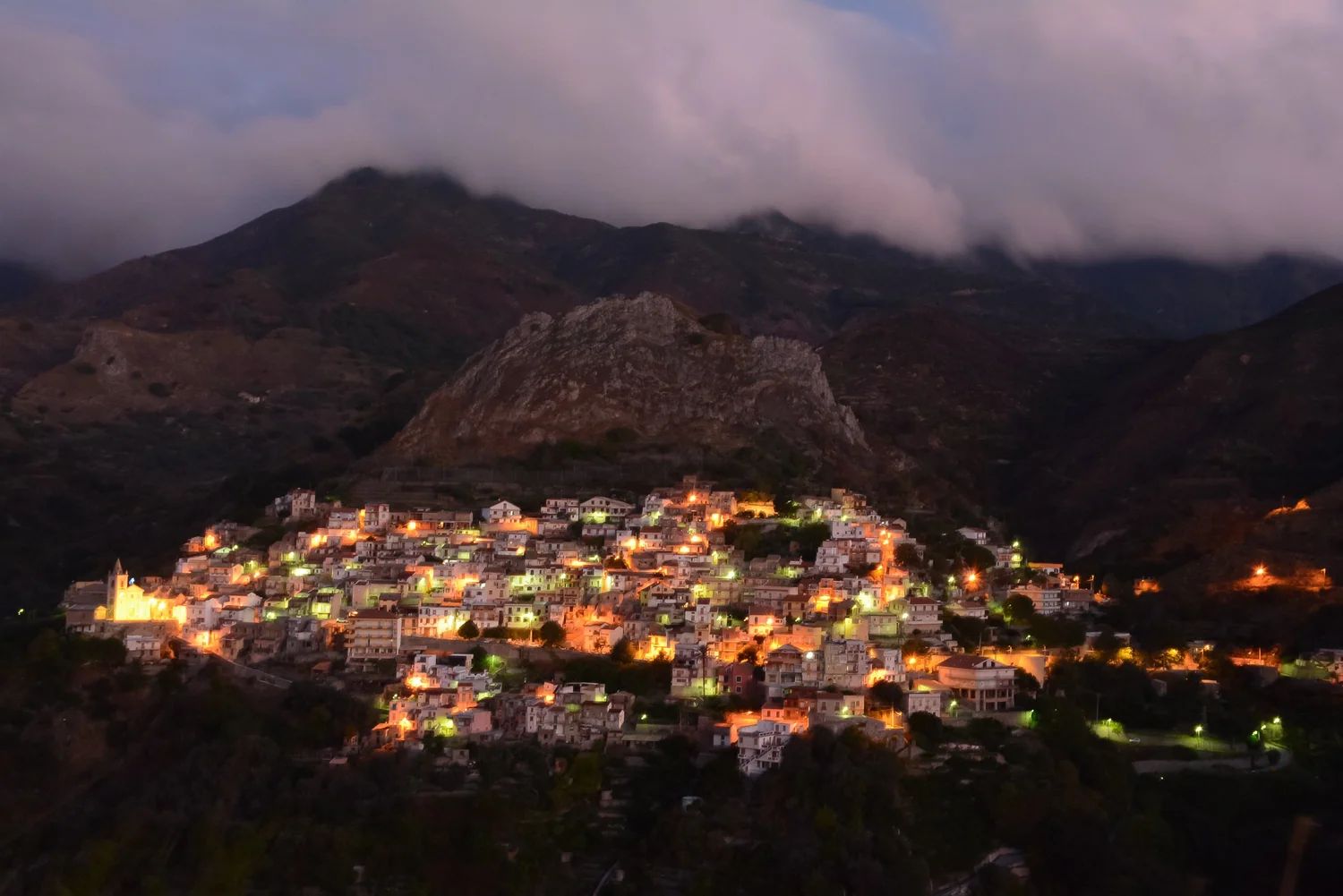
Messina sits on the northeastern tip of Sicily, facing Calabria across the strait. For artists, the draw is a mix of geography, history, and scale that supports practices grounded in place, community, and environment.
The city and its surroundings give you:
- Strait and sea landscape – ferries, harbor infrastructure, hills, and views toward the Aeolian Islands offer constant visual material for photography, video, drawing, and writing.
- Urban–rural contrast – it is easy to move from the historic center to hillside villages or ecological parks, which suits site-responsive and land-based work.
- Layered cultural identity – earthquakes, migration, and trade have shaped Messina repeatedly, making it fertile ground for projects around memory, rebuilding, borders, and public space.
- Manageable scale – the city is big enough to have cultural life, but not so dense that your project disappears in a saturated scene. Residencies can have real local visibility.
- Site-specific potential – nearby residencies often emphasize environmental art, sculpture, performance, and community engagement instead of white-cube exhibitions.
If your work responds to landscape, social context, or experimental forms of presentation, Messina offers a good balance of access, affordability, and specificity.
Key residencies in and around Messina
Messina’s residency ecosystem leans toward site, ecology, printmaking, performance, and interdisciplinary practice. Here is what each program actually feels suited for, so you can match your project instead of just following a description.
Tagete Artistic Residency – San Jachiddu Ecological Park
Location: San Jachiddu Ecological Park, Messina
Best for: environmental and site-specific work, performance in outdoor settings, artists addressing sustainability or land use
Tagete is built around the San Jachiddu Ecological Park, a hilly, green area above Messina. The program focuses on Environmental Art and Site-Specific Art, usually in a 21-day format.
What you can expect:
- Accommodation, meals, and materials covered
- Travel expenses supported
- Work developed in direct relation to the park’s landscape, history, and biodiversity
- Emphasis on ecological awareness and cultural heritage
- Interaction with local communities and cultural partners around the park
Who it realistically suits:
- Artists from Creative Europe countries (usually excluding Italian residents, so check carefully)
- People comfortable working outdoors and letting the site change their initial plans
- Practices that can produce something public-facing or durable enough for an outdoor environment (installations, performances, guided walks, sound work, etc.)
Good to know: Tagete prioritizes projects that genuinely respond to the park, not just studio work that happens nearby. If your proposal already has a clear ecological or site-based focus, it tends to sit well with this residency.
Trinacria Festival Residency & Pezzolo Retreat Residency – Casa Trinacria
Location: Pezzolo, a rural hill area in the municipality of Messina
Best for: performers, writers, musicians, dancers, interdisciplinary artists, and anyone wanting a retreat-style residency with human-scale support
Pezzolo Retreat Residency
The Pezzolo Retreat Residency is a self-directed creative retreat hosted by the Trinacria Theatre Company at Casa Trinacria, an artist house in the village of Pezzolo. The focus is on uninterrupted time and space, not forced outcomes.
Core features:
- Residency length from around 1 to 3 weeks
- Accommodation in private or shared rooms at Casa Trinacria
- Shared bathroom and kitchen facilities
- Shared workspaces, including a large street-level garage space that can be used as studio or rehearsal room
- Access, when available, to a parish-owned community hall with a small stage (Sala di Santa Maria)
- Airport bus stop pick-up and drop-off
- One catered meal per day and grocery transport trips
- Residency fee around €45/night or €315/week
The retreat is intentionally low-pressure. There is no strict requirement to present work publicly. Instead, you are encouraged to set your own rhythm, with a final reflection practice and the option of an informal sharing if that feels useful.
Who it suits:
- Individual artists or small groups (up to about three collaborators) who want to work together
- Artists who benefit from structured quiet and physical separation from a busy city environment
- Performers and writers who can adapt a modest, flexible space into a rehearsal or thinking studio
- People who value conversation with hosts and fellow residents but do not need a big institutional framework
Trinacria Festival Residency
Also based in Pezzolo and linked to Casa Trinacria, the Trinacria Festival Residency is more public and community-facing.
What defines it:
- Roughly three-week residency
- 5–6 artists/collectives hosted at a time
- Projects that directly engage the Pezzolo community through collaboration, cultural exchange, or site-responsive practice
- Work culminating in a presentation at the Trinacria Arts Festival
- Residency support that is close to fully funded aside from travel and insurance
Who thrives here:
- Professional artists and collectives who enjoy co-creating with local audiences
- Performers, socially engaged practitioners, and those working with storytelling, ritual, or participatory formats
- Artists comfortable sharing work-in-progress publicly and adapting to community feedback
The retreat and festival residencies share infrastructure but not expectations. The retreat is inward-facing, the festival residency is public-facing. Choose the one that matches how you like to work.
Villa R – Private interdisciplinary residency
Location: Messina, city area, with sea views
Best for: visual artists, musicians, interdisciplinary practitioners needing generous space and a more private, established setting
Villa R is a private artist residency founded by artists Iolanda Vacalebre and Nicola Rustica. Designed in 1990 and used for artistic and musical productions for many years, it later opened to international creatives as a reference point for contemporary art in Messina.
What stands out physically:
- An approximately 80-square-meter indoor atelier suitable for painting, performance rehearsals, video shoots, or installation mock-ups
- A substantial outdoor area for sculpture, land-based experiments, or sound work
- Views toward the sea and the Aeolian Islands, which strongly shape the atmosphere
- Comfortable accommodations in three guest rooms
Who it suits:
- Artists working at larger scale or needing clear separation between living and working space
- Interdisciplinary practices mixing sound, performance, and visual art
- Mid-career or early-career artists who want an intimate residency with a sense of continuity and artistic lineage
Villa R is a good match if you want to focus intensely in a relatively self-contained environment while staying close to Messina’s city life and transport connections.
Tenuta Rasocolmo Residency – Sculpture and site-specific work
Location: Tenuta Rasocolmo, coastal countryside near Messina
Best for: sculptors and site-specific installation artists ready to create work for an outdoor coastal setting
Tenuta Rasocolmo is a wine estate that also hosts short-term residencies dedicated to sculpture and site-specific installation. The focus is clear: outdoor work that can withstand sun, wind, and sea air.
Main features:
- Residencies of up to one week
- Open to Italian and international artists over 18
- Specific focus on sculpture and site installations in materials suitable for outdoor placement
- Honorarium or support in the range of €1,000 total, intended to help with travel and/or materials (with documentation)
- Possibility to set up an exhibition at the Tenuta
- Artists usually donate the work created, contributing to a growing sculpture park on-site
Who fits this residency:
- Sculptors who can design and realize a project quickly within about a week
- Artists comfortable with practical constraints of outdoor installation: anchoring works, weather resistance, safety, and long-term presence
- Those wanting their work to live on as part of a sculpture park rather than returning to their studio
Tenuta Rasocolmo is ideal if your work is already oriented toward landscape, environmental conditions, and durable materials.
Officina Stamperia del Notaio (OSN) – Rustic, print-focused residency nearby
Location: Tusa, a small town between Palermo and Messina on the northern coast
Best for: printmakers, multidisciplinary artists, and anyone who likes low-tech, quiet, and minimal distractions
Officina Stamperia del Notaio is an artist-run residency program in a small, coastal town that can be part of a Messina-focused research trip. The space is simple and intentionally lo-fi, with a strong focus on process and experimentation.
Key characteristics:
- International and multidisciplinary resident selection
- 24/7 studio access
- Rustic and casual environment
- Lo-fi or no-wifi conditions to support concentration
- Residency fees typically in the range of about €550–675 per week, plus a booking fee
Who this resonates with:
- Artists who prefer self-reliance and solitude to structured programs
- Printmakers and mixed-media artists who can take advantage of specialized equipment
- People who actually want limited internet access so they can work deeply
While not in Messina city, OSN sits on the same coast and is often part of the same mental map for artists planning longer Sicilian research trips.
Housing, cost of living, and daily life
Residencies in Messina often include housing, which helps keep costs predictable. When housing is not provided, the city is still usually less expensive than larger Italian centers.
Cost basics:
- Accommodation: moderate rental prices compared with northern cities; staying in residency housing typically makes the most sense.
- Food: affordable if you cook, with local markets and supermarkets; eating out ranges from inexpensive pizzerias to mid-range trattorias.
- Transport: local buses are relatively cheap; taxis can add up quickly, especially for trips to hillside villages.
- Studio costs: most production happens within residency studios, ecological parks, or community spaces rather than rented commercial studios.
If you plan to extend your stay beyond the residency period, look for housing in central areas with good transport links rather than relying on isolated rentals that require a car.
Where to stay and work beyond the residency
For longer-term stays or independent visits, some areas are particularly practical for artists:
- Centro Storico (city center) – close to ferries, trains, cultural events, and services. Ideal if you need to move frequently or meet collaborators.
- University areas – often more affordable, with student-focused amenities and easier short-term rentals.
- Coastal neighborhoods outside the center – good if you need visual access to the sea and more breathing room, with a trade-off in commute time.
- Pezzolo and hill villages – suited to retreat-style work, especially if you are at Casa Trinacria or collaborating with rural community partners.
- San Jachiddu surroundings – useful if your project is tied to the ecological park or land-based research.
Formal studios outside residencies are not as common as in major art hubs. When you need workspace, it is usually more effective to:
- Ask your residency to extend or arrange additional studio time
- Negotiate short, project-based use of community halls or cultural association spaces
- Use outdoor sites as temporary studios for land art, performance, or documentation
Local art communities, events, and visibility
Messina’s art ecosystem often centers on residencies, cultural associations, and festivals rather than a dense commercial gallery system. This can work in your favor if you care more about engagement than market positioning.
Ways artists connect locally:
- Residency-driven events – open studios, small performances, and informal sharings hosted by programs such as Trinacria or Villa R.
- Community and parish spaces – halls like Sala di Santa Maria become ad hoc venues for rehearsals, readings, screenings, or exhibitions.
- Ecological and park partners – Tagete and similar programs tie artists to environmental groups, park staff, and local residents who use the landscape.
- Festival formats – the Trinacria Arts Festival and other local events offer opportunities for public-facing work and direct audience feedback.
Instead of focusing on gallery representation, think about formats like guided walks, in-situ performances, participatory installations, or open rehearsals. These usually resonate strongly here.
Getting to Messina and moving around
Arriving:
- By train: Messina is connected along Sicily’s eastern and northern railway lines, with ferry links integrated into train routes from mainland Italy.
- By ferry: ferries cross regularly from Villa San Giovanni in Calabria, acting as a key gateway.
- By air: most international arrivals use Catania Fontanarossa Airport, with Reggio Calabria and Palermo as additional options. From the airports, artists usually continue by train or bus.
Residencies like Casa Trinacria often coordinate pick-up from bus stops, which can make arrival easier if you are carrying materials or instruments.
Local transport:
- Urban buses cover most of the city, though schedules can vary.
- Taxis exist but are rarely used daily due to cost.
- For rural residencies or scattered site visits, a rented car or shared rides with other residents can be helpful.
Visas and paperwork
Visa needs depend on your nationality, funding, and the length and purpose of your stay. Residency organizers typically provide basic documentation but you are responsible for checking your own requirements.
Points to clarify with each program:
- Exact start and end dates of your residency
- Whether the program counts as a cultural exchange, professional work, or tourism
- Whether you receive any payment, honorarium, or production stipend
- What kind of invitation letter or contract the residency can provide
- Any obligations related to donating work, public presentations, or local regulations
For non-EU artists, it is helpful to confirm if the residency has previous experience supporting visa applications from your region. Many programs already have standard letters they can adapt for you.
Season, climate, and timing your residency
Messina has a Mediterranean climate with warm summers and mild winters.
Art-making considerations by season:
- Spring: comfortable for both studio and outdoor work; good light and milder temperatures.
- Summer: strong sun and heat, especially in exposed sites. Better for evening performances, sea-based projects, or work that embraces high light and shadow.
- Autumn: often ideal for site-specific installations, field research, and community events as temperatures settle.
- Winter: cooler and sometimes wetter, but still workable for studio-based practices and planning stages of larger projects.
When you pick dates, think about how much sun, heat, and outdoor time your project requires. Sculptors installing metal or stone outdoors will generally prefer spring or autumn. Performance and festival work sometimes leans toward summer evenings.
Matching your practice to the right Messina residency
To choose between programs, focus on what you need most: solitude, community, landscape, or infrastructure.
- Environmental or site-specific artist: Tagete Artistic Residency at San Jachiddu gives direct access to an ecological park and an explicit focus on context-based work.
- Community-engaged performer or collective: Trinacria Festival Residency centers on collaboration with the Pezzolo community and a festival presentation.
- Quiet, self-directed retreat: Pezzolo Retreat Residency at Casa Trinacria is structured around time, space, and low-pressure reflection.
- Interdisciplinary artist needing space: Villa R offers a large atelier and outdoor areas suitable for complex or large-scale projects.
- Sculptor or outdoor installation artist: Tenuta Rasocolmo Residency aligns with durable, site-specific sculptures and a long-term sculpture park.
- Printmaker or research-focused artist: Officina Stamperia del Notaio in Tusa provides 24/7 studio access in a lo-fi, distraction-free setting within reach of Messina.
If you define your project’s needs clearly—how much community contact, how much landscape, what kind of outcome—you can treat Messina and its surroundings as a flexible toolbox. The residencies here are less about prestige branding and more about giving artists real time, space, and context to work.
Residencies in Messina
Tagete
Messina, Italy
The Tagete Artistic Residency is held in the San Jachiddu Ecological Park in Messina, Italy. This program offers a unique opportunity for artists to explore the intersection between urban and natural environments through Environmental and Site-Specific Art. Selected artists will stay for 21 days, creating works inspired by the park’s rich history and biodiversity. The residency aims to foster connections, encourage creativity, and contribute to the cultural heritage of Messina. Participants will receive accommodation, meals, materials, and travel expenses. The call is open to artists from Creative Europe countries, excluding Italy, and emphasizes critical engagement with nature and sustainability.
Trinacria Festival Residency
Messina, Italy
3-week community-centered residency in Pezzolo (Messina, Sicily) for 5-6 professional artists/collectives engaging the local community via collaboration, cultural exchange, or site-responsive work, culminating in a public festival presentation.
Villa R
Messina, Italy
Villa R is an exclusive private artist residency in Messina, Sicily, Italy, founded in 1990 by artists Iolanda Vacalebre and Nicola Rustica, and opened to international creatives in for intercultural and interdisciplinary exchanges. It offers expansive spaces including an 80-square-meter indoor atelier and -square-meter outdoor area for artistic production of any size and media, surrounded by nature with views of the sea and Aeolian Islands. The program welcomes artists without age or nationality limits across various creative fields, providing comfortable accommodations in three rooms.
Explore Italy
More city guides
Opportunity Intelligence
Ready to find your next residency?
Get a personalized shortlist — scored against your practice, discipline, and what you need right now.
See how Intelligence works →