
City Guide
Marrakech, Morocco
How to choose and use Marrakech artist residencies for real work, not just inspiration tourism
Why artists actually work in Marrakech
Marrakech pulls in artists for more than just terracotta walls and mint tea. The city sits at a junction of living craft traditions, contemporary art spaces, and a constant flow of visitors and cultural workers. That mix makes it unusually useful for research, production, and collaborations that need a strong sense of place.
On a practical level, Marrakech gives you:
- A live craft ecosystem – zellige tilework, plaster carving, weaving, leather, metal, ceramics, wood, dyers’ souks, and small workshops that actually produce, not just demonstrate.
- Contemporary art infrastructure – foundations, galleries, and riad-based residencies plugged into local and international networks.
- Visual overload in a good way – dense medina life, high-contrast light, the Atlas mountains on the horizon, and the desert not far away.
Residencies in and around Marrakech tend to fall into a few clear types:
- Research residencies – good if you need to study architecture, craft, sound, or social context.
- Production residencies – offer proper studios, fabrication support, and sometimes full funding.
- Retreat-style stays – one artist at a time, low social pressure, ideal for writing or early-stage work.
- Exchange-based riad residencies – smaller, intimate, often asking for an artwork donation and encouraging work with artisans.
Marrakech is especially useful if your practice touches on painting, sculpture, installation, photography, craft-based processes, socially engaged work, or anything that benefits from working alongside artisans and fabricators. If you need a white cube and silence, you can get that on the outskirts; if you need noise and friction, the medina will give you plenty.
The main residency options in Marrakech
Below is a working map of residencies in and around Marrakech, focusing on what they actually offer you as a practicing artist and what kind of person each program suits.
Montresso Art Foundation – Jardin Rouge
Type: Fully supported visual arts residency
Where: Oulad Hassoune, just outside Marrakech
Disciplines: Visual arts (drawing, painting, sculpture, photography)
This is one of the most structured and resourced programs in the area. The Montresso Art Foundation hosts artists at Jardin Rouge with an emphasis on contemporary visual practices and production.
What it offers
- Residency length of roughly 1–3 months.
- Private studio and on-site accommodation.
- Production financing for the approved project, including transportation, meals, and required materials.
- Curatorial and technical support throughout your stay.
- Visibility and networking through the foundation’s own programming and partners, with both local and international reach.
- Possibility of being invited back to extend or develop new projects.
Who it suits
- Artists with a solid professional track record and a clear project proposal.
- Artists who want to produce substantial work, not just gather impressions.
- Anyone needing serious studio conditions and material support instead of a short, atmospheric stay.
How to think about it
If you are used to self-funding residencies, Jardin Rouge is a different scale: it supports production, living, and materials. That makes it strong for ambitious projects that would be hard to self-finance. In exchange, expect a rigorous selection process and expectations around professionalism and outcomes.
Montresso Art Foundation / Jardin Rouge listing
Dar Kawa Artists in Residence
Type: Short, self-directed research residency
Where: Heart of the Marrakech medina
Duration: Up to about 10 days
Dar Kawa runs an artists in residence program out of a renovated 17th-century riad. It is intimate: only one resident at a time, sharing the building with regular guests.
What it offers
- Single room dedicated to the residency program.
- Airport pickup and drop-off included.
- Year-round application possibilities (subject to availability).
- On-site staff available continuously, plus access to the owners’ network of artisans, gallerists, and cultural contacts.
- A quiet base right inside the medina, ideal for walking research and fieldwork.
Costs and conditions
- Housing is covered as part of the program, but airfare, visas, and other expenses are on you.
- The program explicitly states it is not for hobbyists or decorative “exotic” stays.
- No partners, families, or collectives; it is built for one focused resident.
Who it suits
- Artists, writers, or researchers doing short, intensive projects.
- People who want to work quietly, then step into the medina for sensory input and meetings.
- Anyone with a specific, thoughtful interest in Morocco rather than general tourism.
Sanctuary Slimane Artist in Residency
Type: Supported studio residency with craft access
Where: Marrakech area
Duration: Roughly 1–3 months
Sanctuary Slimane offers residencies that combine studio work with guided encounters in the medina and with local makers.
What it offers
- Free accommodation for selected artists.
- Studio workspace plus access to tools and facilities suited to your medium.
- Organized visits to the old city medina to meet artisans and learn about their techniques.
- A clear expectation that you will donate one artwork created during the residency that aligns with the program’s mission.
Who it suits
- Artists working materially, who want to understand local craft processes from the inside.
- Those comfortable exchanging work for support, and open to a mission-driven residency framing.
- Artists interested in community engagement or cultural immersion structured around making.
Sanctuary Slimane Artist in Residency
Riad Jardin Secret Artist Residency
Type: Sharing-based residency in a creative riad
Where: Arset Aouzal, Marrakech
Riad Jardin Secret hosts artists in a residency framed around sharing and exchange. The atmosphere is intimate and social, more like an open, lived-in space than a closed institution.
What it offers
- Time to reflect, research, or produce in a visually rich riad environment.
- Possibilities to work hand in hand with local artisans.
- An emphasis on cultural exchange and experimentation rather than strict output requirements.
- A request that each artist donate an artwork at the end of their stay, which remains in the riad.
Who it suits
- Artists whose work benefits from close contact with craft, hospitality culture, and informal dialogue.
- People comfortable being part of a shared space with guests and visitors.
- Younger or emerging artists who want the residency to feed back into their practice and visibility.
Riad Jardin Secret Art Residency
Riad Alena Artist Residency (RAAR)
Type: Curated riad residency with public outcomes
Where: Riad Alena, Marrakech
Format: Runs twice a year
RAAR operates from a boutique riad and leans into collaboration with curators and other venues in Marrakech. Past residents have included visual artists and musicians, with performances hosted at partner spaces.
What it offers
- Time living and working in Riad Alena.
- A curatorial frame developed with local partners.
- Examples of previous residents doing live performances and public events during their stay.
Who it suits
- Artists who want a more public-facing residency, with clear outcomes like performances or presentations.
- Musicians, sound artists, and interdisciplinary practitioners, not only visual artists.
- Those who enjoy a social residency rhythm and visible engagement with local scenes.
Riad Alena Art Residencies (RAAR)
Riad Al Massarah Art Residency
Type: Retreat-style residency for deep work
Where: Marrakech area
Duration: Roughly 2–4 weeks
Disciplines: Artists, writers, filmmakers
Riad Al Massarah offers a quiet retreat model: one resident at a time, in a secluded setting that prioritizes concentration and calm.
What it offers
- A focused environment, away from constant social and event pressure.
- Residency stays of a few weeks to work on a single project or to reset your practice.
- Access to Morocco’s landscape and culture without being right in the medina noise.
Who it suits
- Writers needing uninterrupted time.
- Filmmakers doing script development or pre-production planning.
- Visual artists at a reflective stage of a project rather than mid-production.
Riad Al Massarah Art Residency
How Cafe Tissardmine compares (outside Marrakech)
Cafe Tissardmine is not in Marrakech, but many artists compare it with Marrakech options when deciding where in Morocco to apply.
Where: Moroccan Sahara desert, near Rissani
Duration: About 21 days
Offer: Private room, meals, shared studio, and a strong emphasis on silence, desert environment, and village life.
The fee-based model includes food and accommodation and encourages no fixed outcome. Internet is limited and the residency expects artists to be resourceful and comfortable with isolation.
Why it matters if you are Marrakech-focused
- Marrakech = dense, urban, craft-rich, socially intense.
- Desert residencies like Cafe Tissardmine = isolation, time, and space for internal work.
If your project hinges on artisans, galleries, and urban encounters, stay in or near Marrakech. If you need to strip away stimuli and go inward, a desert residency can be a better match.
Cafe Tissardmine Artists in Residence
How to choose the right Marrakech residency for your practice
There is no single “right” Marrakech residency. Instead, think in terms of what role the city should play in your work: lab, stage, retreat, or archive.
Clarify your residency goal
Start by deciding what you actually want to leave with:
- Production goal – finished body of work, large-scale pieces, or a show-ready project.
Look at: Montresso / Jardin Rouge, Sanctuary Slimane. - Research goal – sketchbooks full, recordings, notes on craft, architecture, or social life.
Look at: Dar Kawa, Riad Jardin Secret, RAAR. - Retreat goal – writing a script, structuring a book, thinking through a new direction.
Look at: Riad Al Massarah, shorter riad-based stays. - Public goal – performance, talk, or exhibition within Marrakech’s scene.
Look at: RAAR, Jardin Rouge, Riad Jardin Secret, Sanctuary Slimane.
Check support level and hidden costs
Residencies vary a lot in how much they actually support you financially:
- Fully or largely funded – Montresso / Jardin Rouge covers accommodation, meals, transport, and materials for the project.
- Partially supported – Sanctuary Slimane or riad residencies may cover housing and workspace but expect you to handle travel and daily costs.
- Fee-based – some retreats or desert residencies charge a program fee that includes housing and food.
When you compare options, put everything into a simple, honest budget including:
- Flights and transfers.
- Daily food if not included.
- Art materials that are hard to find locally.
- Shipping work back home.
- Insurance for equipment or works in transit.
Match your temperament to the location
Marrakech offers everything from silence to sensory overload. Your choice of residency should reflect how you actually work best:
- Need quiet and routine? Consider outskirts or retreat-style (Jardin Rouge, Riad Al Massarah).
- Work well in chaos and street energy? Lean toward medina-based programs (Dar Kawa, Riad Jardin Secret, RAAR).
- Crave one-on-one support? Look for residencies that host one artist at a time (Dar Kawa, Riad Al Massarah).
- Enjoy peer communities? Larger or longer programs tend to host multiple residents and more events.
Living and working in Marrakech as a resident artist
Once you are in the city, a few practical choices will shape your day-to-day experience and your work.
Cost of living basics
Marrakech can be more affordable than major art capitals, but expenses vary by lifestyle and neighborhood.
- Accommodation: Many residencies include housing; if not, long-stay apartments in Guéliz or surrounding areas are usually cheaper than tourist riads in the medina.
- Food: Local cafes and markets can be very budget-friendly; eating daily in tourist-heavy spots adds up quickly.
- Transport: Petit taxis are cheap for short trips. Outskirts residencies may arrange transfers or require occasional taxi rides into town.
- Materials: Basic tools, wood, metal, leather, textiles, and craft supplies are accessible; specialized art materials may be limited, so bring anything non-standard in your luggage.
- Studio: Usually included in residency conditions; independent studio rentals are less common for short stays.
Neighborhoods that matter to artists
Your residency choice may fix your location, but if you have any flexibility, it helps to understand the main zones artists use.
- Medina – Historic core, maze-like streets, souks, and artisan workshops. High impact, high noise. Perfect if your work feeds off people, textures, and everyday craft.
- Guéliz – Newer, more modern district with apartments, galleries, cafes, and easier logistics. Good base if you need workspace plus straightforward access to printing, framing, and supplies.
- Hivernage – Hotel and venue area, more upmarket, mixed residential and tourism. Can be convenient but often pricier.
- Outskirts / rural edge – Residencies like Jardin Rouge use the space and quiet outside the city. Great for concentrated studio time and stepping into the medina only when needed.
A simple strategy: use the medina when research and contact with artisans are central to your work, use Guéliz or outskirts when production, writing, or filming demands more stability.
Local art and craft connections
One of Marrakech’s biggest assets is access to makers who work at a high level every day. Many residencies help bridge this gap:
- Sanctuary Slimane arranges medina visits and artisan meetings as part of the program.
- Riad Jardin Secret and RAAR highlight collaboration with local artisans and curators.
- Dar Kawa offers connections to makers and gallerists through the hosts’ networks.
- Montresso / Jardin Rouge links studio practice to curators and collectors through the foundation’s ecosystem.
When you apply, state clearly if you want to work with specific crafts or techniques. Hosts can often point you toward the right workshops, but they need to know early so they can gauge what is realistic in the timeframe.
Moving around the city
Marrakech is not huge, but the mix of narrow streets and traffic means you should plan your movements.
- Arrival: Many residencies arrange airport pickup. If not, official taxis from Marrakesh Menara Airport are straightforward; agree the price before you get in.
- In the medina: Walking is the main option; taxis stop at medina gates, then you walk with luggage through the alleys.
- Between medina and outskirts: Petit taxis or pre-arranged drivers are useful if your studio is outside the center but you need regular supply runs.
- With materials: Plan for how you will move bulky work or equipment; sometimes it is easier to source and fabricate locally than to import heavy materials.
Visas and paperwork
Visa conditions depend entirely on your passport and length of stay, so always check official sources before committing. Many artists enter on a regular visit basis for stays that match standard entry allowances.
Before applying or booking, confirm:
- Whether your nationality requires a visa to enter Morocco.
- How long you can legally stay and whether that matches your residency dates.
- If the residency provides any formal invitation letter for your records.
- What the customs rules are if you plan to bring or ship expensive equipment and works.
Residency hosts frequently state that visas, travel documents, and airfare are the artist’s responsibility, so build that research into your schedule and budget.
Getting the most out of a Marrakech residency
A residency in Marrakech can shift your practice in subtle or very concrete ways, depending on how you approach it.
- Arrive with a flexible plan: Have a framework, but leave space for what the city throws at you: a chance meeting with a weaver, an unexpected artisan visit, or a gallery introduction.
- Respect the pace: The medina can drain your energy quickly; balance studio work with targeted fieldwork instead of trying to absorb everything every day.
- Document actively: Sketch, photograph, record sound, and take notes. These materials often feed later projects long after the residency ends.
- Honor exchange: If your residency asks for an artwork donation or community involvement, treat that request as part of the work, not an afterthought.
- Stay in touch: The real value sometimes arrives months or years later through people you met. Share updates with hosts, artisans, and peers; it keeps the door open for future collaborations.
If you approach Marrakech as a serious working context rather than just a backdrop, the city tends to respond. The residencies here are built by people who care about art and hospitality in equal measure. With a clear sense of what you need, you can align your project with the right program and turn the city into a practical ally in your work.
Residencies in Marrakech
Arab Media Lab
Marrakech, Morocco
The Arab Media Lab Creative Residency Program offers selected filmmakers and mixed media artists a unique opportunity to complete their projects in a supportive and well-equipped environment. Located in the heart of Marrakech, this program allows participants to showcase their final works to local audiences in Morocco, gain international experience, and establish valuable industry connections. The residencies, lasting 4 to 8 weeks, are designed to enable creative development and facilitate exchange among talents from around the world and professionals from Morocco. Participants will work on specific projects in various post-production stages, including filmmaking, media arts, short films, experimental films, creative documentaries, video installations, 3D mapping projections, and animation (2D, 3D, or stop motion). The program supports only projects in the post-production phase, offering time and space to focus on finishing their work.
Sanctuary Slimane
Marrakech, Morocco
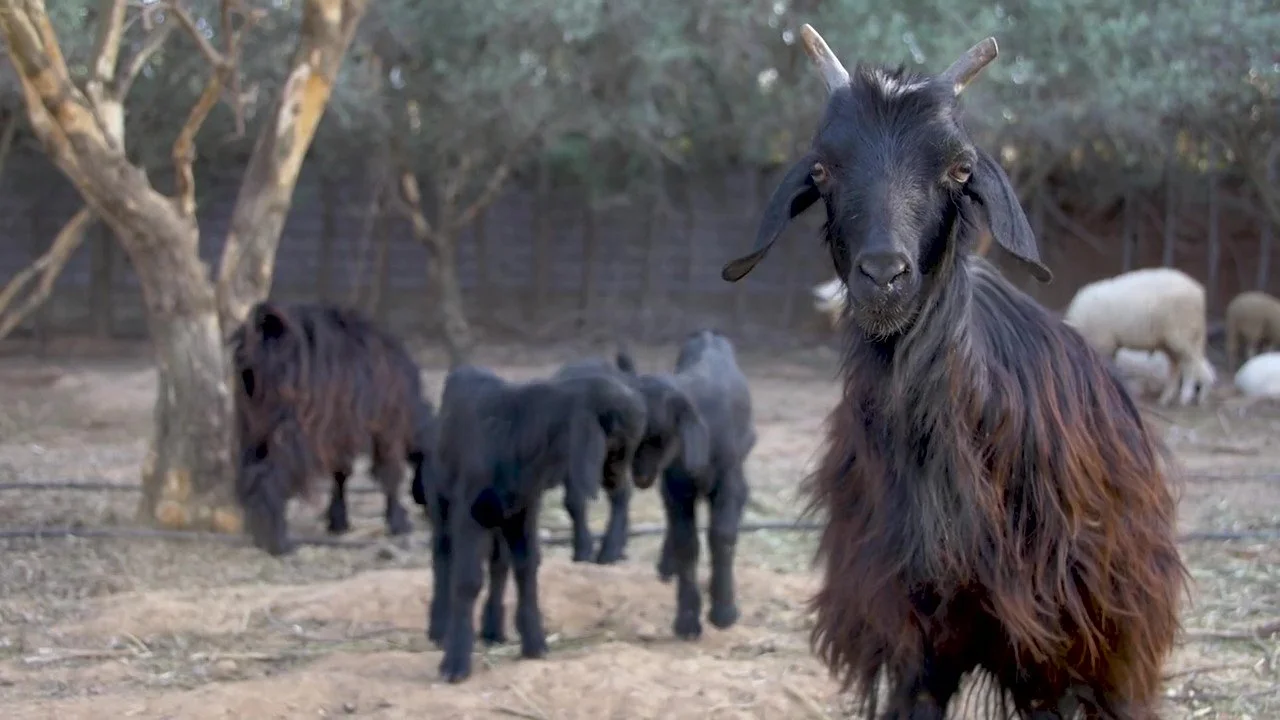
Our mission is to have on going functional relationships between artists, the environment, the on site animal sanctuary and permaculture gardens. We seek artists that find pleasure engaging in this holistic approach with a respect for nature, animals and sustainable living.Artists are encouraged to develop and experiment in their medium while creating works that would contribute to the functionality and aesthetic of the various aspects of the
Explore Morocco
More city guides
Opportunity Intelligence
Ready to find your next residency?
Get a personalized shortlist — scored against your practice, discipline, and what you need right now.
See how Intelligence works →