City Guide
Kjerrengøy, Norway
How to work, live, and make site-specific art in this remote Northern Norwegian landscape
Why artists go to Kjerrengøy
Kjerrengøy (often written Kjerringøy in residency materials) is a small coastal community in Northern Norway where the landscape is the main cultural infrastructure. You go there less for galleries and nightlife and more for long daylight, weather, and a very direct relationship with land and sea.
Residencies here are set up for artists who want to work with a place, not just in a neutral studio. Think:
- Sharp, shifting coastal light and changing weather
- Mountains, shoreline, wetlands, and open fields as both material and subject
- Quiet, low-distraction environment where you actually hear yourself think
- Local materials and traditional craft knowledge
Kjerrengøy is not a city with different districts to choose from. You are essentially in a rural, scattered settlement with one clear artistic anchor: residency-led projects focused on ecology, land art, and public presentation.
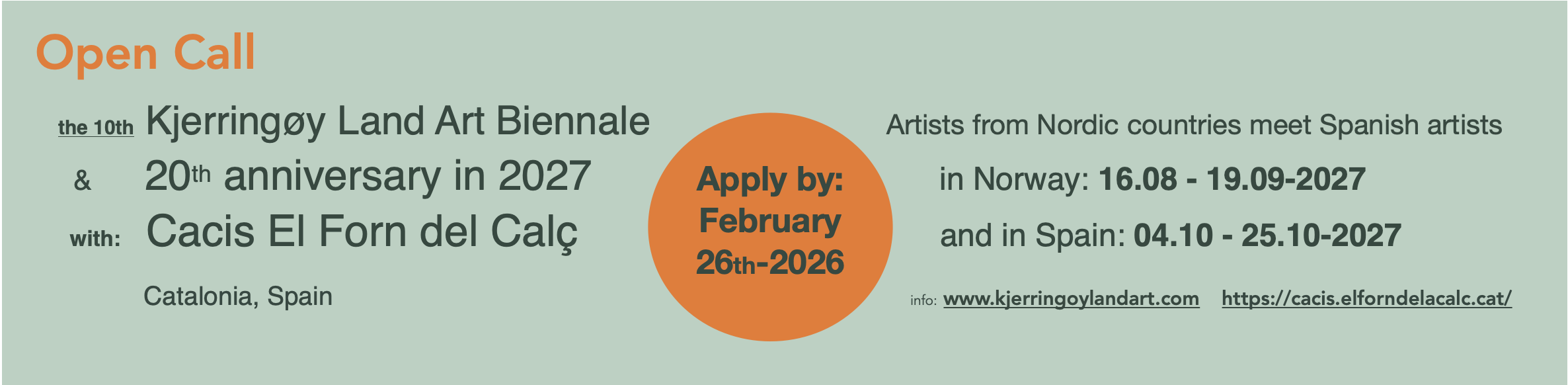
The key residency: Kjerringøy Land Art Biennale / K-Lab
The main organized opportunity you will see for Kjerrengøy is the Kjerringøy Land Art Biennale, run by K-Lab. This is not a casual retreat; it is a structured, professional program where you develop a site-specific project over time.
Program structure
The Biennale usually works as a multi-step process:
- Selection of 6–8 artists from an international open call
- Two residency periods over roughly two years
- An initial stay (often around 8 weeks) focused on research, planning, and workshops
- A second stay (around 5 weeks) for production and public presentation of the work
This structure gives you time to actually respond to the place instead of parachuting in with a fixed idea. You research on site, go home with notes, sketches, and tests, and then return with a sharper, grounded project.
What the residency offers
Typical support from K-Lab includes:
- Travel costs to and from Kjerrengøy
- Accommodation, often in historical buildings like Kjerringøy Prestegård (vicarage) or similar local sites
- Artist fees for your participation
- Additional income opportunities such as leading workshops or public activities
- Workshops and knowledge sharing around local materials and traditional crafts
The accommodation and studio solutions are usually clustered around one central site, with indoor spaces for planning and indoor work, and the landscape itself as your extended studio.
Artistic focus: land, ecology, and biodegradable materials
This residency is strict about its ecological framework. Your work is expected to:
- Be site-specific and genuinely engage with the place
- Use natural and biodegradable materials found locally, or materials that sit lightly on the land
- Avoid artificial and polluting materials
- Be produced with mindful methods that respect local ecosystems and inhabitants
- Exist as temporary or transforming work that may erode, decompose, or integrate into the environment
The expectation is less about monumental permanence and more about an honest, careful relationship with the land. If your practice depends on plastics, solvents, or heavy industrial fabrication, you will need to rethink how you work here.
Who this residency suits
Kjerringøy Land Art Biennale is a strong fit if you are:
- A visual artist, land artist, architect, performer, or interdisciplinary practitioner
- Interested in environmental questions, ecological thinking, or slow, place-based research
- Comfortable working outside a conventional white-cube gallery structure
- Happy working outdoors in variable weather
- Open to community contact: talks, workshops, or guided walks are often part of the program
If you want an urban studio with galleries around the corner, this is not that. If you want space to test how your practice behaves in direct contact with land, weather, and local knowledge, it is very aligned.
The setting: working in a remote coastal landscape
Kjerrengøy’s main “neighborhoods” are the coast, the fields, the sea, and the sky. When choosing or planning a residency here, it helps to think in terms of your relationship to those elements.
Studios and working conditions
Most of the structured workspaces connected to K-Lab are fairly simple but functional. Think historic houses, barns, and lived-in buildings adapted for studio use, rather than industrial lofts. The real working space is often outdoors.
Key questions to ask the organizer ahead of time:
- Studio size and type: How big is the room? Can you build, draw large, or rehearse movement?
- Heating and insulation: Is it comfortable during shoulder seasons, or is it mainly for summer work?
- Tools and equipment: Are there any shared tools? Is there access to basic woodworking tools, ladders, or storage?
- Material restrictions: Are paint, fixatives, or adhesives allowed indoors? What is banned outdoors for ecological reasons?
- Internet and power: How stable is the connection, and is the power supply robust for your needs?
For land art, you may find that most of your “studio” time is actually walking, collecting, stacking, weaving, or experimenting on site. Try to design a project that can stay flexible and adjust to what the land does or does not give you.
Weather, daylight, and time of year
Residencies in Kjerrengøy typically cluster in late spring and summer. Those months offer:
- Long daylight hours, sometimes near-continuous light
- Relatively milder temperatures
- More stable conditions for outdoor work and public events
This extended daylight can push your working rhythm into something different. You can walk in the “evening” and still have light to test an installation, or hold public events at times that would be impossible elsewhere. It can also be disorienting, so plan small rituals to structure your days.
Money, costs, and what to budget
Norway is already on the expensive side, and remote northern areas often add an extra layer because everything has to travel far. Residencies in Kjerrengøy help offset this, but you should still plan your budget carefully.
What residencies typically cover
K-Lab and similar programs often cover:
- Travel to and from the residency
- Accommodation for the full residency period
- Artist fee or honorarium
- Sometimes additional income opportunities through workshops or talks
This can make a big difference. Housing costs and long-distance travel are usually the heaviest financial burden, so having those covered gives you more headspace for the work itself.
What you may need to cover
Plan for:
- Food and daily living: Groceries and eating out are expensive; shared cooking with other residents helps a lot.
- Materials: Even for land art, you may need tools, fixings, or transport for found materials. Ask what can be borrowed locally.
- Insurance: Travel and equipment insurance are worth considering, especially when working outdoors.
- Extra travel: If you plan to visit other parts of Nordland or stay longer in Norway, those costs are on you.
Because you will probably travel to Bodø first and then out to Kjerrengøy by regional transport, check in advance who covers which part of the journey and how reimbursements work.
Getting there and moving around
Reaching Kjerrengøy is a small project in itself, but residencies are used to helping artists navigate it.
Typical route
- Fly to Bodø, a major hub in Nordland
- Travel onwards by car, bus, and/or ferry depending on current connections
- Final transfer to your accommodation usually arranged or coordinated by the residency host
Weather can affect ferry schedules and road conditions, so build some flexibility into your travel plan. Late arrivals or missed connections are not unusual when weather shifts quickly.
Transport during your stay
Kjerrengøy is small enough that you can usually reach most daily needs on foot, especially during summer. Still, check:
- If the residency offers bikes or shared cars
- How far it is from your accommodation to your main working sites
- How you will move any heavy materials or structures you build
If your planned work involves bulky materials, ask early about local vehicles, storage, and what is realistically possible on site.
Visas and paperwork
Norway is part of the Schengen Area, so entry rules depend on your nationality, the length of your stay, and whether you will be paid. Residency hosts are used to writing supporting documents, but the responsibility for the application is still yours.
Before committing, clarify:
- How long you will stay in Norway across both residency periods
- Whether you will receive artist fees, stipends, or workshop pay
- Which documents the residency can provide (invitation letters, contracts, proof of funding)
Then check the latest rules with the Norwegian Directorate of Immigration (UDI) and your nearest Norwegian embassy or consulate. If you need a visa or residence permit, plan extra time for processing so it does not eat into your working period.
Community, visibility, and how work is shown
Kjerrengøy does not operate on a gallery circuit model. Your “exhibition” is often the land itself plus public programs organized around the Biennale.
Public presentation
At the end of the production period, artists are usually expected to share their work through:
- On-site installations and tours
- Artist talks about process and context
- Workshops using local materials or methods
- Collaborations with regional cultural partners
Work is often framed for audiences that include both art-savvy visitors and local residents who know the land intimately. That mix can be challenging in a good way: your explanations need to function both as artistic discourse and as a conversation with neighbors.
Regional connections
While Kjerrengøy itself is small, your project can connect to a wider network in Nordland and Bodø. K-Lab’s partnerships and the Biennale’s history of events around major cultural programs help give your work a context beyond the immediate site.
If you want to build on that, consider how your project might translate into:
- Documentation that can travel (video, photo, text, sound)
- Talks or workshops you can repeat in other places
- Longer-term research that continues after the Biennale
How to know if Kjerrengøy is right for you
Before applying, it helps to test your project idea against a few simple questions.
- Does your work benefit from isolation? If you need constant urban input and daily openings, you may feel stuck. If you work best after long walks, this can suit you.
- Can your practice adapt to natural and biodegradable materials? If your process is tied to synthetic or toxic materials, you will either have to radically adjust or look elsewhere.
- Are you open to a slower, two-stage process? The multi-year structure asks you to return, revise, and deepen your approach.
- Are you comfortable with public engagement? Workshops, talks, and shared walks are part of the culture here, not a side obligation.
- Can you handle the climate and light shifts? Long days, wind, and rapid weather changes are part of the daily reality.
If most of those points feel energizing rather than daunting, Kjerrengøy can be a strong match for you and your practice.
Practical prep tips for your application and stay
To give yourself solid footing, treat Kjerrengøy as a specific collaborator rather than a generic residency backdrop.
- Research the place: Look up Kjerringøy and Nordland broadly, study images of the terrain and climate, and think through how your ideas sit there.
- Shape a site-responsive proposal: Frame your project around processes that can react to what you find, not just a fixed object you plan to drop into the landscape.
- Plan for durability and decay: Think about how your work behaves over time outdoors and how it can age or decompose without harming the environment.
- Pack for working outside: Weatherproof clothing, boots, and layers matter just as much as sketchbooks and laptops.
- Prepare for shared living: You will likely share common spaces with other artists. Simple things like earplugs, shared cooking habits, and clear communication make a big difference.
Kjerrengøy tends to reward artists who arrive curious, prepared, and willing to let the work change under the influence of place. If that sounds like you, it can become a powerful part of your practice.