
City Guide
Kingston, United States
Kingston gives you a smaller-city rhythm, real institutional support, and enough art infrastructure to keep your practice moving.
Kingston is one of those cities that can quietly do a lot for your practice. It has the pace of a smaller place, but the art ecosystem is deeper than you might expect: university resources, city-run programs, artist-run spaces, and a community that actually shows up. If you want a residency base that balances focused studio time with access to curators, researchers, and audiences, Kingston is worth a close look.
The city also works well if you do not want a residency to feel isolated from the rest of your life. Downtown is walkable, the waterfront is close, and there is enough going on that you can stay tucked into your work without disappearing from the scene. That mix is part of the appeal.
What Kingston feels like as a residency city
Kingston sits between Toronto, Ottawa, and Montréal, but it has its own rhythm. The city is historic, compact, and tied closely to Queen’s University, which gives it a steady flow of exhibitions, talks, research, and visiting artists. For you, that means a residency here can be more than just studio access. It can also be a way into a network of educators, curators, administrators, and peers who are used to conversation across disciplines.
Artists tend to come here for a few reasons:
- you want a quieter place to work without losing access to serious arts infrastructure
- you want to connect with university-linked research and exhibition spaces
- you need a residency that feels local, manageable, and community-facing
- you want a city where walking, cycling, and transit can cover most of your daily routine
It is not the cheapest city in Canada, and housing can be tight because of the student population. Still, if a residency includes studio space or lodging, Kingston can feel much more workable than larger urban centers.
Residencies to know
Tett Artist Residency
The Tett Artist Residency is one of the clearest options for Kingston-based emerging artists. It is open across disciplines, including visual arts, literary arts, photography, time-based media, curation, digital art, and related practices. The residency runs for three months and offers unlimited studio access, which is especially useful if your work needs regular, uninterrupted studio time.
What makes this one feel grounded is its local focus. It is built for artists already connected to Katarokwi/Kingston, so it can work well if you want to deepen roots rather than relocate temporarily. The Tett Centre itself is a useful place to know, since it brings together artists, makers, and public programming in one building.
If you apply, think about how your practice benefits from long-form access rather than just a burst of production. This program seems especially suited to artists who need room to experiment, test ideas, and stay in process.
Stonecroft Artist-in-Residence at Agnes Etherington Art Centre
The Stonecroft Artist-in-Residence program, housed at Agnes Etherington Art Centre at Queen’s University, is more research-oriented and institutionally oriented. It invites Canadian and international contemporary artists to undertake artistic creation and research, with emphasis on exchange, access to research resources, and engagement with Queen’s and the wider community.
This is a good fit if your work depends on archives, reading, dialogue, or a strong curatorial context. It is less about simply getting away to make work and more about entering a robust institutional environment. If you are mid-career or established and your practice has a research component, this is one of the strongest Kingston options to keep on your radar.
The connection to Queen’s gives this residency a particular weight. You are not just renting time and space; you are stepping into a university-adjacent art ecology where relationships can continue after the residency ends.
Local Arts Residency at Kingston Grand Theatre
The Local Arts Residency at Kingston Grand Theatre is especially useful if your work lives in performance, interdisciplinary production, dance, theater, or any practice that benefits from technical support. It offers a professional workspace in the Baby Grand, access to state-of-the-art equipment, and technical production support, along with an honorarium.
This residency started during the pandemic and has continued as a way to support local artists developing new ideas. Because it is connected to a theatre, it feels different from a traditional studio residency. You are working in a setting where sound, staging, documentation, and audience-facing thinking can all matter.
If your project needs help moving from concept to live presentation, this is a practical place to look. It is especially appealing if you are making work that does not fit neatly inside a visual arts studio.
Magnify: Artists in Residence Program
Magnify, through Kingston Arts, is a shared-studio model for visual artists. The appeal here is straightforward: rent-free space, some financial support, and a communal studio setting that can keep you connected without demanding constant public performance. The program is meant for artists of different backgrounds and career stages, and the residency includes open studio opportunities.
Shared studios are not for everyone, but if you work well around other artists, this kind of structure can be energizing. You can test ideas, keep a steady rhythm, and still have conversations that sharpen the work. The access hours are generous, and the central location makes it easy to stay connected to the rest of the city.
This is a good residency to watch if you want low overhead without sacrificing seriousness.
How to choose the right fit
Kingston residencies tend to fall into a few useful categories. The trick is figuring out what kind of support your practice needs most right now.
- Need uninterrupted studio time? Tett or Magnify are strong places to start.
- Need research and institutional access? Stonecroft is the clear match.
- Need production support and a technical environment? Kingston Grand Theatre stands out.
- Need community and shared momentum? Magnify can be a very good fit.
- Need a local residency that keeps you embedded in Kingston? Tett is especially useful.
Also think about how visible you want to be while you work. Some residencies in Kingston invite public engagement, open studios, talks, or exhibitions. If you like a residency that gives you contact with an audience, the city is good for that. If you need to disappear into process, there are options for that too.
Getting around and living in the city
Kingston is manageable. Downtown is walkable, and Kingston Transit can get you to major areas without much stress. If your residency is in or near the core, you can often live without a car. That said, a car is helpful if you are hauling materials, working outside downtown, or staying in a more residential part of the city.
For housing, the main thing to remember is that Kingston is a university city. Rents can spike near Queen’s and downtown, and furnished short-term options may cost more than you expect. If the residency includes lodging, that can make a real difference in your budget.
Neighborhoods that often make sense for artists include:
- Downtown Kingston for walkability and access to galleries and venues
- Sydenham Ward for central, historic housing
- Queen’s area if your residency or research is tied to the university
- Skeleton Park and nearby inner neighborhoods for character homes and good access to the core
For studio work, being near the center often makes life easier, especially if you plan to attend openings or meet collaborators after hours.
What to watch for when you apply
Residencies in Kingston can be very different from one another even though they are all in the same city. Before you apply, check a few things carefully:
- Does the program support your discipline, or is it clearly shaped for visual art, performance, or research?
- Is the residency local-only, regional, national, or open internationally?
- Does it provide only space, or also lodging, production support, or an honorarium?
- Are there expectations around public programming, open studios, or exhibitions?
- Will you need to manage your own equipment, materials, or transportation?
If you are coming from outside Canada, you should also sort out immigration and work authorization early. A residency can count as artistic work, research, or a paid professional placement depending on the setup. If there is a fee, honorarium, workshop, or public talk involved, ask the organizer what kind of documentation they provide and check what your status allows.
The local arts ecosystem around the residencies
One of Kingston’s strengths is that the residency programs are not floating in isolation. They sit inside a wider network that includes Queen’s University, the Agnes Etherington Art Centre, Kingston Arts, the Tett Centre, Kingston Grand Theatre, and artist-run spaces. That matters because it gives you more than a place to work. It gives you a city where a residency can turn into a longer professional relationship.
As you scout the city, keep an eye on exhibitions, artist talks, and open studios. Those events are often the easiest way to understand how a residency actually functions in practice. You get to see the tone of the place, the kind of artists it attracts, and how people talk about the work.
Kingston rewards artists who are open to conversation. You do not need to network aggressively here, but if you show up to openings, attend a talk, or visit a studio event, people tend to remember you. That kind of steady, low-pressure visibility can be very useful over time.
Why Kingston can work well for your practice
Kingston is a strong residency city if you want focused making without the noise of a bigger market. It has enough institutional support to feel serious, enough community scale to feel human, and enough artistic activity to keep your work in dialogue with others. For many artists, that is exactly the sweet spot.
If you are building a residency list, Kingston deserves a place on it because the city offers multiple ways to work: local emerging-artist support, research-driven institutional residencies, production-oriented theatre support, and shared-studio models. That range is rare in a city this size.
The best Kingston residency for you will come down to how you work. If you want quiet and time, there is a path. If you want critique and institutional access, there is a path. If you want to build community while making new work, there is a path too.
Residencies in Kingston
R&F Brown Pink
Kingston, United States
The Brown Pink Residency, facilitated by R&F, represents a significant commitment to supporting the arts and artists by providing essential resources and opportunities. Celebrating over 30 years of contribution to the art community, R&F has not only donated substantial amounts of materials to teaching artists and art centers but has also built a comprehensive collection of artworks purchased directly from artists. Initially an invitation-only program, the residency opened its doors to a broader applicant base in 2022, offering three annual residencies to mid-career artists. Designed as a self-directed program, Brown Pink aims to furnish artists with a conducive environment for creativity, complete with accommodation and studio space. The residency focuses on artists who have demonstrated a consistent practice and exhibition record, offering them the solitude and resources needed to advance their work. Selection is competitive, emphasizing the quality of work as judged by an independent panel of art professionals.
Woodstock AIR
Kingston, United States
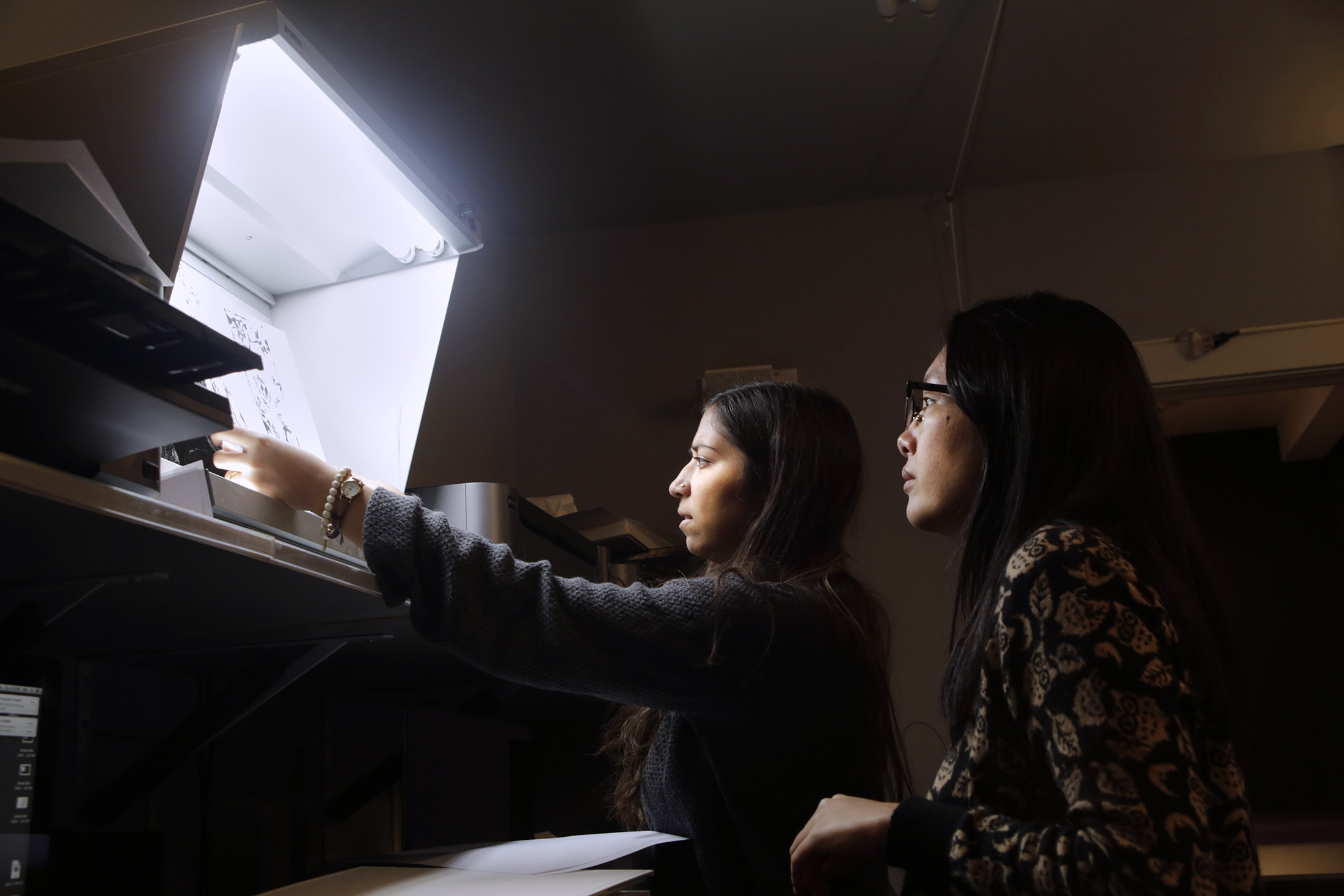
Woodstock AIR is a one-month artist residency in Kingston, NY, supporting photographers and lens-based artists of color. Established in 1999 by the Center for Photography at Woodstock, it fosters individual creativity, community building, and critical dialogue on diversity, race, identity, and social justice. Residents receive a $2,000 honorarium, $250 travel stipend, housing in a two-bedroom house with two studios, and access to CPW’s Digital Media Lab.
Explore United States
More city guides
Opportunity Intelligence
Ready to find your next residency?
Get a personalized shortlist — scored against your practice, discipline, and what you need right now.
See how Intelligence works →