
City Guide
Kecskemé, Hungary
A focused, ceramics-strong city where you go to make work, not chase openings
Why Kecskemét is on artists’ radar
Kecskemét sits in central Hungary, about halfway between Budapest and Szeged. It’s not a big art-capital kind of city, and that’s exactly why it works for a lot of artists. You get strong making facilities, especially for ceramics, without big-city distractions or big-city prices.
The main reason artists know Kecskemét is the International Ceramics Studio (ICS), which has built a serious international reputation over decades. Around that, the city offers a calm pace, walkable centre, and just enough culture to keep you engaged between studio sessions.
If your practice is material-heavy, especially clay or kiln-based work, Kecskemét is one of the most relevant places in Hungary to spend a focused block of time.
The core residency: International Ceramics Studio (ICS)
The International Ceramics Studio is the anchor for artist residencies in Kecskemét. If you are looking at this city at all, chances are you’re considering ICS.
What the ICS Artist-in-Residence actually feels like
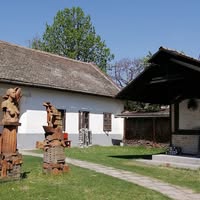
ICS is housed at Kápolna u. 11, in the Kecskemét Contemporary Art Studios complex. The residency is intentionally structured around independent work, not a rigid schedule. Expect a mix of:
- Dedicated studio space for your own projects, with a ceramics-focused environment.
- Access to specialized facilities such as kilns and ceramics equipment (exact types can vary, so always confirm what’s available when you apply).
- Experiment-friendly attitude – the program explicitly encourages trying new techniques, research, and stepping outside your usual way of working.
- International peer group – you’re typically working alongside artists from different countries, backgrounds, and career stages.
- Informal exchanges – presentations, talks, and shared critiques tend to emerge naturally rather than as heavy obligations.
The program is open to artists who want to work independently on their own projects. You can bring a defined proposal, or treat it as a lab to push your practice in a new direction.
Who ICS suits (and who it doesn’t)
ICS is a strong fit if you are:
- Ceramic-focused – from traditional clay work to experimental or sculptural ceramics.
- Material-driven – sculptors, installation artists, or interdisciplinary artists interested in clay, glaze chemistry, or firing processes.
- Comfortable working independently – there is support and community, but you are responsible for your own schedule and momentum.
- Looking for depth, not buzz – this is about concentrated production and research, not city-wide art fairs or constant opening nights.
It can be less ideal if you are:
- Primarily a performance or socially engaged artist needing dense public interaction.
- Focused on large commercial-gallery networking and collector relationships.
- Someone who needs the stimulation of a huge urban environment to feel creative.
Winter Residency: the quiet, intense option
ICS runs a specific winter residency session, which they describe as quieter and more peaceful. Key points:
- Set winter block – a fixed six-week period, typically from mid-January to the end of February.
- Small cohort – around six residents at a time, so you actually get to know your peers.
- Calmer city – Kecskemét in winter is slower, which can translate into highly focused studio time with fewer external distractions.
If you crave long, uninterrupted days in the studio, winter in Kecskemét can work very well. If you need lots of events and social buzz, you might prefer a different season.
ICF x ICS Kecskemét Residency Award
Alongside its standard residencies, ICS occasionally appears as the host site for specific awards or partnership programs. One example is the ICF x ICS Kecskemét Residency Award, linked to the International Ceramics Festival.
Typical features of that kind of award offer:
- A residency place at ICS in Kecskemét.
- Eligibility targeted to UK-based ceramic practitioners, including mid-career artists and those who adopted ceramics later in their practice.
- A competitive selection process, often with separate application guidelines from the general ICS call.
Even if you are not UK-based, these awards are useful to track because they show how ICS is plugged into international networks. They also tend to repeat in some form over the years, sometimes with varying partners or eligibility criteria.
Always check details directly with ICS or the partner organisation for the most current information:
What it’s like to live and work in Kecskemét
Residency time is studio time, but the city around you shapes how that time feels. Kecskemét is manageable, calm, and in many ways geared toward people who want to get up, walk to the studio, work hard, then have a low-key evening.
Cost of living and daily rhythm
Compared with Budapest, Kecskemét is typically more affordable. You can expect:
- Lower housing costs – if your residency doesn’t include accommodation, local rentals are usually less than in the capital.
- Reasonable food and basics – groceries and simple meals out are generally manageable by Western European or North American standards.
- Light local transport costs – the city is compact enough that you can often walk or rely on short bus trips or occasional taxis.
The pace is slower than a major capital. Shops and services are there, but this is not a 24/7 city. For many artists, that slower rhythm is a big part of why the residency is productive.
Where you’ll probably spend your time
Most visiting artists end up orbiting around:
- The ICS complex on Kápolna u. – studio, kilns, resident community.
- City centre – cafés, supermarkets, pharmacies, and everyday errands.
- Local cultural venues – museums, occasional exhibitions, screenings, or performances.
If ICS or another residency hosts you, they may place you in housing close enough to walk to the studio. For longer independent stays, look for accommodation near the centre or along easy transit lines so you are not spending energy commuting.
Art scene and cultural life
Kecskemét doesn’t run on a commercial gallery system the way major capitals do, but it has a solid cultural layer for a regional city. As a visiting artist, you can expect:
- Institutional spaces – museums and cultural centres with rotating exhibitions and events.
- Residency-linked shows – ICS and similar centres sometimes organise exhibitions, presentations, or end-of-residency showcases.
- Talks and open studios – many residency sessions build in open studio days, presentations, or visits from local students and professionals.
This mix creates enough public-facing context for your work to be seen, without overloading the residency with constant events.
Practical logistics: getting there and settling in
Travel to Kecskemét
Kecskemét is well connected within Hungary, especially to Budapest.
- From Budapest – regular train services and intercity buses connect Budapest to Kecskemét. The journey is not long, and tickets are usually affordable.
- From abroad – Budapest is the usual entry point by air. From there, you transfer to train or bus for Kecskemét.
- With artworks or equipment – if you travel with fragile work or heavy tools, plan for manageable transfers and maybe a taxi for the last leg from the station to your housing or studio.
Always ask your residency host for up-to-date travel tips; they see artists navigating this route all the time and often know the easiest connections.
Local transport
Once you are in Kecskemét:
- Walking – if you are centrally based, you can typically walk between housing, studio, and most services.
- Public transport – local buses cover the city. Passes and single tickets are generally inexpensive.
- Taxis or ride services – useful for late arrivals, early departures, or transporting heavier materials.
The compact size means your time goes to actual work, not to commuting across a huge urban sprawl.
Visas and paperwork
Your visa situation depends on your passport and how long you plan to stay.
- EU/EEA/Swiss artists – generally free to travel and stay in Hungary, though longer stays can come with registration requirements.
- Non-EU artists – often need a Schengen short-stay visa for brief residencies, or a national long-stay visa/residence permit for extended stays.
When preparing a residency in Kecskemét, ask your host directly:
- If they issue an official invitation letter for visa purposes.
- If they offer guidance or support for visa applications.
- How they handle any stipend or fee, and whether there are local tax implications.
Hungary is part of the Schengen Area, so if you are planning multiple residencies in Schengen countries in one go, keep an eye on your total days in the area.
Working style, seasons, and how to get the most out of Kecskemét
Choosing your season
The best time to be in Kecskemét depends on what you need from the residency.
- Winter
- Quiet streets and strong studio focus.
- ICS runs a dedicated winter residency with a small group of artists.
- Good for artists who thrive in calm, contained environments.
- Spring and autumn
- Usually more comfortable weather for city walks and research.
- Balanced feel: enough activity, but not overwhelming.
- Summer
- Typically more social energy, both locally and across Hungary’s art network.
- Potential for more events, visits, and side trips to other cities.
If your priority is experimentation and production, winter or shoulder seasons can be ideal. If you want to connect with a wider network and travel around Hungary, warmer months often make that easier.
Planning your application and project
Residencies connected to ICS or Kecskemét generally appreciate artists who arrive with a clear, yet flexible idea. When you frame your project, it helps to emphasize:
- Why ceramics or material research is central to what you want to do.
- How you plan to use the facilities – types of firing, scale of work, glaze research, or experimental processes.
- What you want from the international context – exchange with other artists, learning from different approaches, presentations, or informal critiques.
- How you handle independent work – evidence that you can manage your own time and move a project forward without being micromanaged.
Because some ICS-related opportunities are competitive and may involve external partners, treat your application like a serious project pitch: strong images, clear concept, realistic technical plan.
Building a Hungary-wide residency arc
Kecskemét sits in a larger Hungarian residency ecosystem. Other cities with active programs include Budapest, Pécs, Balatonfüred, Szólád, and more. One approach is to think of Kecskemét as your production core, combined with more research or networking-focused stops elsewhere.
A typical pattern might look like:
- Do a ceramics-heavy block at ICS in Kecskemét.
- Then spend time in Budapest at a more interdisciplinary residency or independent research stay.
- Optionally add shorter visits to other cities for meetings, exhibitions, or field research.
This way, you get both the technical depth of a ceramics studio and the broader exposure of larger art centres.
Who Kecskemét really works for
Artist residencies in Kecskemét are particularly strong if you:
- Work in ceramics, clay sculpture, or kiln-based installation.
- Are ready for long, focused days in the studio with an international but not overwhelming peer group.
- Like the idea of a smaller, quieter city where your main job is simply to make work.
- Want to connect with a long-standing ceramics community rather than a hyper-trendy scene.
They might be less suitable if you:
- Need a constant stream of openings, parties, and institutional events to stay motivated.
- Are seeking a highly visible commercial gallery environment for immediate sales.
- Prefer residencies that are more about public programming than about production.
If you are drawn to clay, process, and international exchange at a human scale, Kecskemét – through the International Ceramics Studio and its related opportunities – is a strong candidate for your next residency stop.
Explore Hungary
More city guides
Opportunity Intelligence
Ready to find your next residency?
Get a personalized shortlist — scored against your practice, discipline, and what you need right now.
See how Intelligence works →