City Guide
Kamburugamuwa, Sri Lanka
Quiet coastal base, slow time to work, and a growing residency node on the south coast
Why Kamburugamuwa works as a base for artists
Kamburugamuwa sits on Sri Lanka’s southern coast, a short hop from Mirissa, Matara, Weligama, and Madiha. It’s technically a village, but it functions as a calm residential pocket inside a larger coastal strip that’s increasingly familiar to artists and residencies.
You don’t go to Kamburugamuwa for a packed gallery calendar. You go because you want:
- Quiet, low-distraction time to actually make work
- Daily access to the sea without living on a party beach
- A local village rhythm rather than a tourist bubble
- Easy trips to Galle, Hikkaduwa, Ahungalla, or Colombo when you need them
The area pairs especially well with slower practices: writing, drawing, long-form research, sound recording, and projects that need repeated contact with a specific landscape, coast, or community. Think of it as a practical home base in the south rather than a “scene” in itself.
Daro’s Enclave: self-directed residency in a coastal village
Daro’s Enclave is the key residency address in Kamburugamuwa right now. It’s listed by Artist Communities Alliance and Reviewed by Artists as a private, self-directed residency hosted in a family home on ancestral land.
Core setup
Type: Private family home / self-directed residency
Length: 1–6 months (better for longer stays than quick sprints)
Who it suits: Researchers, writers, visual artists, curators, independent professionals who want a “real base” in the south
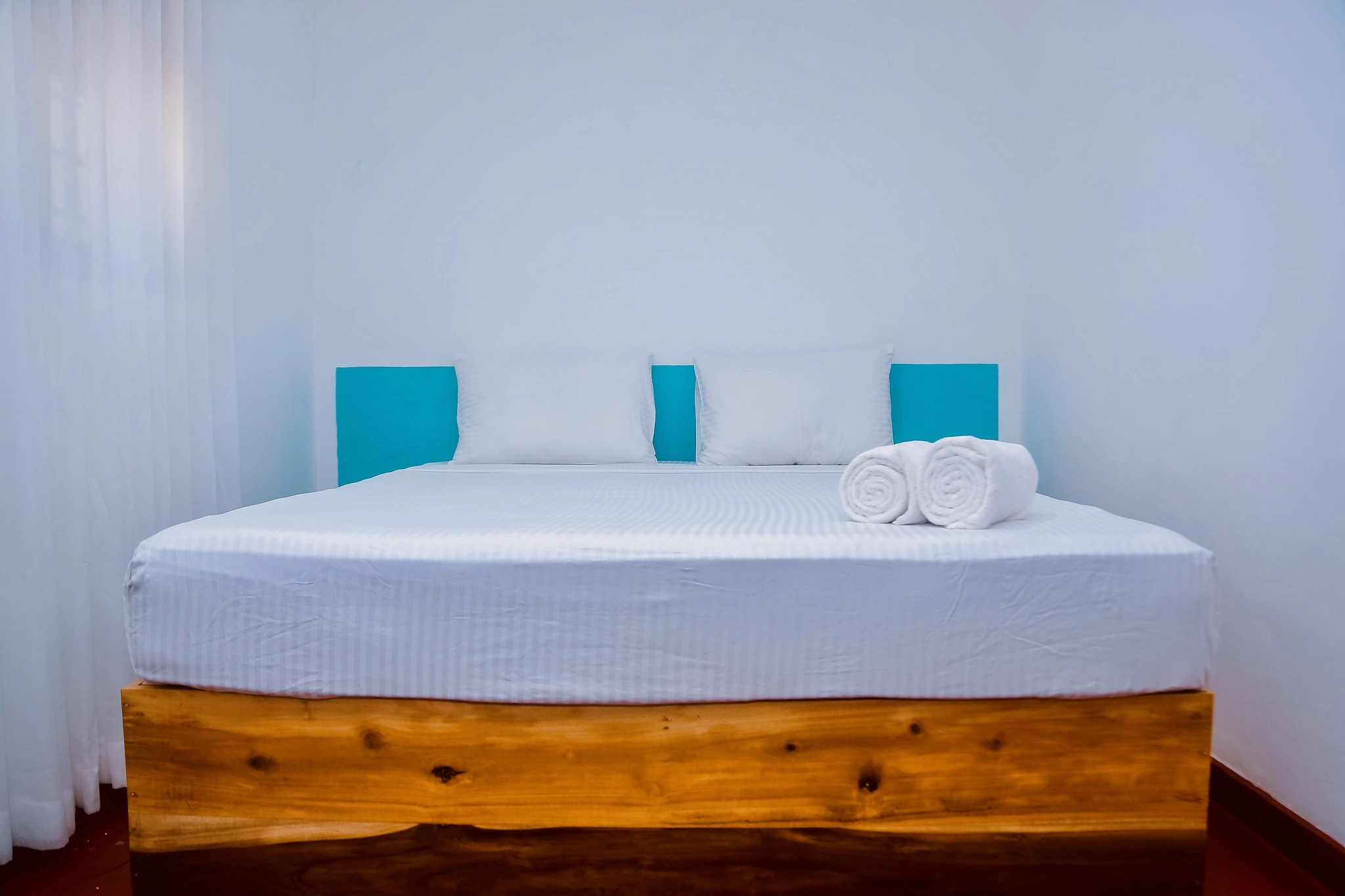
The property is a renovated ancestral villa on about 60 perches of land. Listings describe:
- 2 bedrooms
- 1 bathroom
- Whole-villa setup suited to a solo artist, couple, or small group
- About 600 m from the beach
- Close to Mirissa and Madiha
Instead of a big shared studio, you get a domestic space you can bend to your needs. That works especially well if your "studio" is a laptop, sketchbook, camera, portable materials, or a table-based practice.
What working here actually feels like
Think about Daro’s Enclave less as a classic, structured residency and more as renting a home that’s sympathetic to artists and set up with residency expectations in mind. You set the schedule, the goals, and the kind of engagement you want with the surrounding area.
It’s a strong fit if you:
- Are in a writing or editing phase and want minimal interruption
- Need time to consolidate a big project, prepare a book, or plan a new body of work
- Are developing site-responsive research along the south coast (coastal ecology, tourism, fisheries, surf culture, migration, histories of the area)
- Work as a duo or small collective and need a private base to think and plan together
It’s less ideal if you’re hoping for:
- Daily critiques or workshops
- Heavy fabrication tools or large-scale production facilities
- A built-in cohort of many other residents on site
- Formal mentorship or curatorial guidance
How to approach the residency as an artist
Because the residency is self-directed, you’ll get more out of it if you arrive with a clear frame. You can keep it simple:
- Project focus: Name one main project and one “soft” side project. For example, main: new text or series; side: sound recordings or drawings
- Daily rhythm: Decide loosely how you’ll split mornings, afternoons, and evenings between work, reading, walks, and rest
- Local connection: Identify one local question you want to stay in conversation with (coastline changes, fishing practices, everyday domestic rituals, religious sites, tea and coconut economies, etc.)
It helps to ask the hosts ahead of time about:
- Internet reliability and speed (especially if you need video calls or large uploads)
- Power cuts and backup options
- Quiet hours and neighborhood noise (especially during holidays or festivals)
- Possibility of hosting small readings, screenings, or open-studio moments in the house or garden
Contact details listed publicly include a phone number and email via Artist Communities Alliance. Start there to confirm current terms, fees, and availability.
The wider south coast residency circuit
One advantage of basing yourself in Kamburugamuwa is access to a bigger residency ecosystem along the southern and southwestern coast. Even if you stay put, it helps to understand what’s nearby because it shapes the kinds of conversations and collaborations you might seek out.
Studio Macushla Sanctuary (Muruththena)
Location: Muruththena (inland, rainforest and tea country)
Format: Residency / retreat / workshop-friendly space
Duration: Around 7 days to 3 months
This program offers one main studio and private-room accommodation with a backdrop of rainforest and views toward the Peak Wilderness Sanctuary. It’s open to all genres, ages, and nationalities, and can host both individuals and groups.
Compared with Daro’s Enclave, Macushla Sanctuary offers:
- A more explicitly “studio-focused” environment with a large workspace
- Shorter minimum stays, which is useful if you want an intensive making period
- A retreat-like setting away from the coast, with potentially fewer distractions
If you’re working in a physical medium, large-scale drawing or painting, small sculpture, movement, or group workshops, combining a coastal writing phase at Kamburugamuwa with a production phase at Macushla can be an effective strategy.
Krinzinger residency (Wathuregama / Ahungalla)
Location: Wathuregama, near Ahungalla, on the southwest coast
Type: Invitation-based artist-in-residence program linked to Galerie Krinzinger
Duration: Often 2–3 months
This residency is more structured and internationally networked. Artists develop projects that are shown:
- In a small exhibition on site at the end of the stay
- In a later group exhibition at Galerie Krinzinger in Vienna
If your long-term aim is to plug into an established European gallery context, this is a very different proposition from a self-directed home-style residency. It’s useful to know it exists on the same coast, since your time in Kamburugamuwa could feed into a future application or collaboration.
Suramedura International Artist Residency (Hikkaduwa)
Location: Hikkaduwa, further west along the coast
Character: Process-led, community-connected, often involving UK partners
Suramedura tends to emphasize:
- Mentorship and peer exchange
- Engagement with local artists and communities
- Start and end presentations, sometimes followed by activity in the UK
Where Daro’s Enclave gives you solitude and self-direction, Suramedura adds structure, feedback, and public touchpoints. Artists sometimes use quieter bases like Kamburugamuwa to prepare for or decompress after more intense residency phases like this.
Living and working in Kamburugamuwa
Even a dream residency falls apart quickly if the practical side doesn’t work. Kamburugamuwa’s scale makes daily life manageable, but it helps to plan for how you’ll live, move, and get materials.
Cost of living and budgeting
Southern Sri Lanka can swing between affordable and surprisingly pricey depending on how close you are to tourist hotspots. Kamburugamuwa is quieter than Mirissa or central Weligama, which can help your budget if you’re happy to live more locally.
Budget planning points:
- Housing: Clarify exactly what your residency fee or rent covers: utilities, drinking water, internet, cleaning, laundry
- Food: Cooking at home is usually cheaper. Local markets and small groceries in Matara and surrounding areas will stock basics; imported items add up quickly
- Transport: Build in a regular budget for tuk-tuks to Matara, Mirissa, or Weligama, plus occasional longer trips to Galle or Colombo
- Supplies: Art materials might require trips to larger towns or online ordering. Factor in courier costs and delivery times
If you’re applying for funding to support your stay, it helps to draft a simple monthly budget and then multiply by your intended residency length. Leave some margin for currency fluctuations and emergency travel.
Neighborhoods and nearby bases
Even if you stay in Kamburugamuwa, you’ll probably spend time in nearby spots:
- Mirissa: Very visible on travel maps; dense with cafes, restaurants, and tourism infrastructure. Handy for services, but busy
- Madiha: Favored by surfers and long-stayers; slightly calmer than central Mirissa
- Matara: The nearest larger town; useful for markets, administrative tasks, and bus/train connections
- Weligama: A surf hub and transit knot with co-working spaces and cafes
- Galle: Important if you’re looking for galleries, heritage venues, and more visible cultural events
If you like the idea of long, uninterrupted work blocks, staying based in Kamburugamuwa and planning deliberate “city days” in Matara or Galle can keep your focus intact.
Studios, galleries, and how to share work
Kamburugamuwa itself doesn’t currently read as a gallery district. You’ll find more domestic and coastal life than white cubes. That’s not a downside if you’re ready to invent your own ways of sharing.
For showing work, think in layers:
- On-site: Informal studio visits or small gatherings at your residency space
- Regional: Day trips to Galle or Colombo to attend openings, meet artists, and scout venues
- Remote: Online presentations, publications, or collaborations that grow from your time there
If physical exhibition is essential to your project, consider pairing your stay with a residency or institutional link in Galle or Colombo, or timing it around existing festivals and programs in Sri Lanka’s larger cities.
Getting there and getting around
Kamburugamuwa sits on the southern coastal transport line, which makes it relatively straightforward to reach even if the journey can be long.
Arrival routes
Most artists will travel via Colombo, then head south by:
- Train: Scenic coastal trains to Matara or other southern stations. Trains can be crowded but are one of the most atmospheric ways to travel
- Bus: Intercity buses run frequently along the coast, with varying comfort levels
- Taxi or hired car: Faster and more private if you have heavy luggage or equipment
- Tuk-tuk: Usually for shorter legs: from Matara or a nearby station to your residency address
Ask your residency host for the exact address in local terms and any driver tips. Having the location pinned on your phone and written down helps with non-English-speaking drivers.
Local movement
Once you’re installed, your daily movement will probably be a mix of walking, tuk-tuks, and occasional buses or trains.
To stay sane and productive, plan for:
- A local SIM card with data: Vital for maps, translation, and ride arrangements
- Regular grocery runs: Batch your errands to reduce time lost to logistics
- Material sourcing trips: Plan dedicated days for art supplies or production needs in Matara or Galle
If your project is site-based (for example, documenting specific stretches of coastline or nearby temples), map those locations early so you can group field days efficiently.
Visas, timing, and climate
Residency lengths around Kamburugamuwa can stretch from a week (at places like Macushla Sanctuary) to several months (at Daro’s Enclave or other south coast programs). That scale makes visas and timing matter.
Visa basics
Visa regulations change, so always cross-check with the Sri Lankan Department of Immigration and Emigration, your residency host, and your local embassy or consulate. Before committing to dates, clarify:
- Which visa type fits your stay length and activities
- How long you can stay on that visa and whether extensions are possible
- Whether public presentations, teaching, or paid work are allowed under your status
If your residency hosts are familiar with international artists, they may already have a basic guidance sheet or at least anecdotal experience from previous guests. Use that as orientation, then confirm details officially.
When to go
On the south and southwest coast, many artists prefer the drier season, when sea conditions are more predictable, travel is smoother, and humidity is less intense. In wetter months, you might experience heavier rain, more frequent power or transport interruptions, and slightly slower logistics.
That doesn’t mean you can’t work there during rainy periods; it just shifts what’s realistic. Indoor-focused work, editing, drawing, and reading can flourish in stormy weather. Outdoor production, field recording, and location-heavy video might need more flexible planning.
Whatever season you choose, booking your residency several months ahead gives you a better chance of aligning weather, visa duration, and travel costs to your needs.
Is Kamburugamuwa the right fit for your practice?
Kamburugamuwa suits artists who are comfortable being self-propelled. You won’t have an art school next door or a packed schedule of openings, but you will have time, space, and a coastline that rewards long attention.
You’ll probably thrive here if you:
- Want concentrated time with your work, away from constant events
- Enjoy working out of domestic spaces or flexible studio setups
- Are curious about south Sri Lankan coastal life and ready to build relationships patiently
- Don’t rely on heavy production tools or daily institutional support
You might want a different base if you:
- Need a large, purpose-built studio with fabrication facilities
- Depend on frequent, in-person critiques or structured programs
- Are currently prioritizing constant networking and gallery hopping
If the idea of waking up near the sea, working through a specific body of work on your own terms, and plugging into a wider south coast ecosystem on your own schedule feels right, Kamburugamuwa is a strong contender. You can treat it as a quiet anchor point, then fold in other residencies and institutional links along the coast and in Colombo as your project grows.